VOJIN
VOJIN
1 / 1
| Inspection Items | Molten salt grade |
|---|---|
| Purity % ≥ | 99.7 |
| Moisture % ≤ | 0.10 |
| Cl⁻ Chloride (as Cl) % ≤ | 0.01 |
| Sulphate (as SO₄²⁻) % ≤ | 0.005 |
| Insoluble Matter in Water % ≤ | 0.01 |
| Fe % ≤ | 0.003 |
| Moisture absorption rate % ≤ | 0.25 |
| K₂O % ≤ | - |
| Nitrogen (in nitrate) % ≤ | - |
| Particle Size (MM) | 0.2-2.5 / 2-5 |
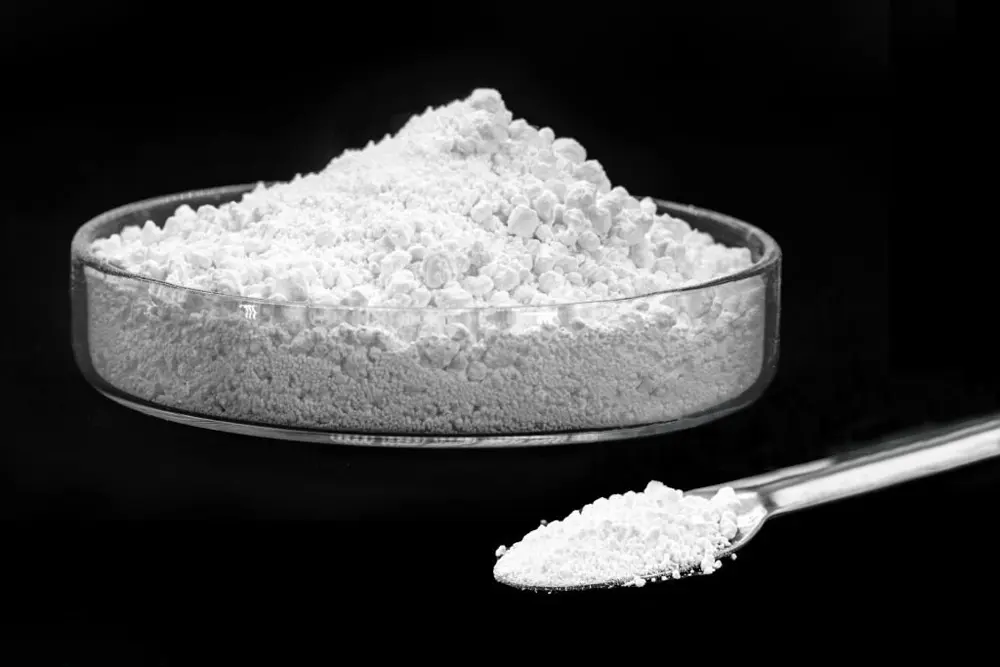
Solar molten salt (nitro type) includes binary molten salt with potassium nitrate and sodium nitrate ratio, ternary molten salt with potassium, sodium nitrate and sodium nitrite ratio, etc.




It is primarily used as a high-efficiency heat transfer and thermal storage medium in solar thermal power generation, nuclear power, and high-temperature process industries. It is also an essential raw material in agriculture, explosives, rocket propellants, glass, and ceramic manufacturing.
It acts as a key component of the thermal storage molten salt, absorbing heat energy from sunlight during the day and releasing it during cloudy periods or at night, allowing for continuous and stable electricity generation.
Molten salt melts offer excellent heat transfer performance, operate at low working pressure, have a wide liquid temperature range, and remain highly stable and safe under extremely high operating temperatures.
It is packaged in plastic woven bags or paper-plastic composite bags with an inner plastic lining. Standard net weights include 25kg, 50kg, and large Jumbo bags.
Unlike direct photovoltaic power which depends on real-time sunlight, molten salt heat storage systems can store excess daytime energy and supply electricity steadily to the grid day and night, offering a more reliable grid-connected solution.