VOJIN
VOJIN
1 / 1
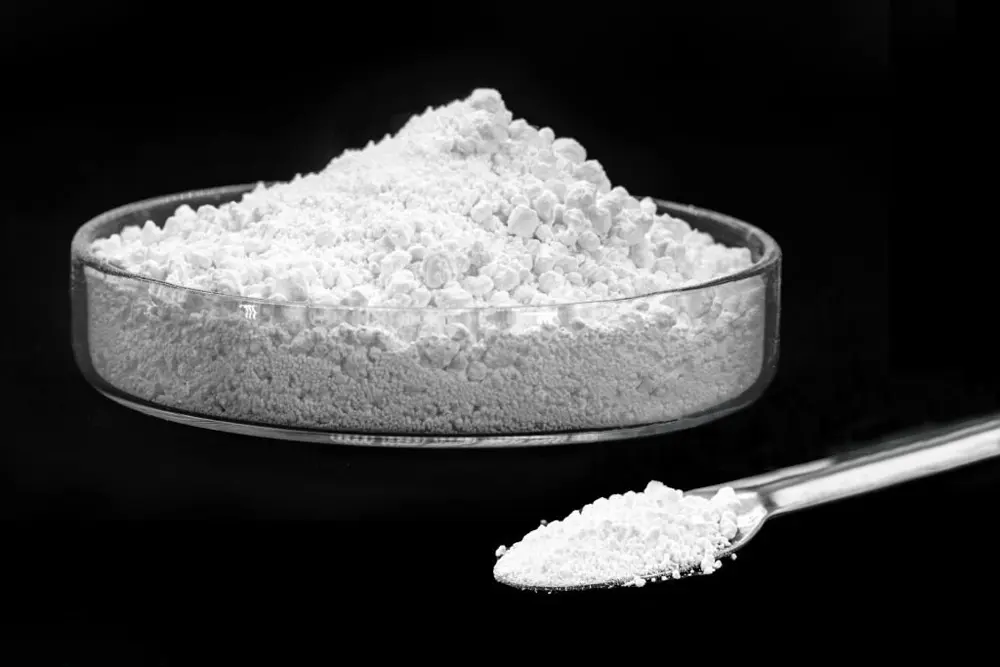
Lithium carbonate is a colorless monoclinic crystal or white powder. Density 2.11, melting point 618°C. No deliquescence, stable in air. The solubility in water is very small, and the solubility decreases with the increase of temperature. The solubility in cold water is larger than that in hot water. Soluble in dilute acid, insoluble in ethanol and acetone. When carbon dioxide is passed into the aqueous suspension of lithium carbonate, lithium carbonate is transformed into lithium carbonate acid and dissolved. If the solution of lithium carbonate acid is heated, carbon dioxide is released and lithium carbonate is precipitated. This property of lithium carbonate can be used to remove impurities.
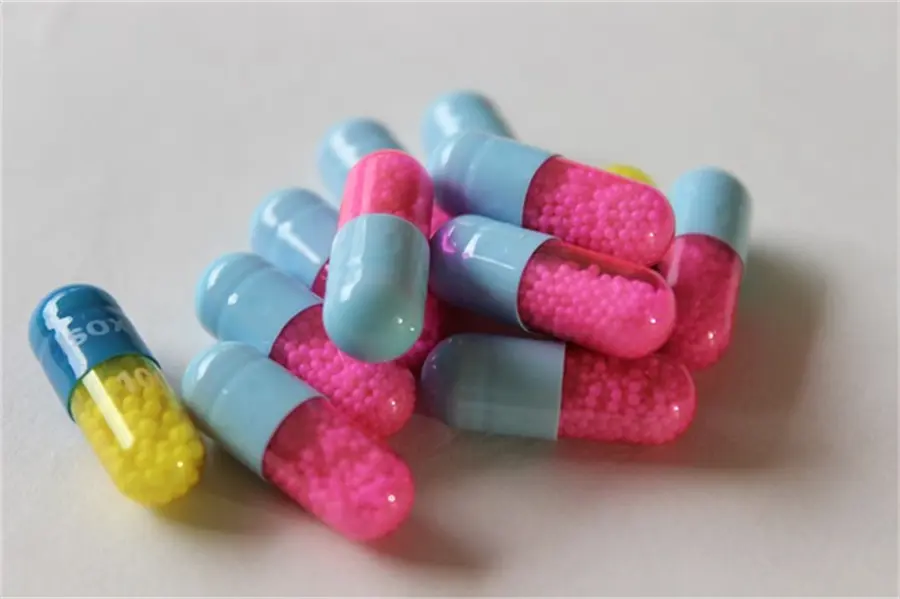
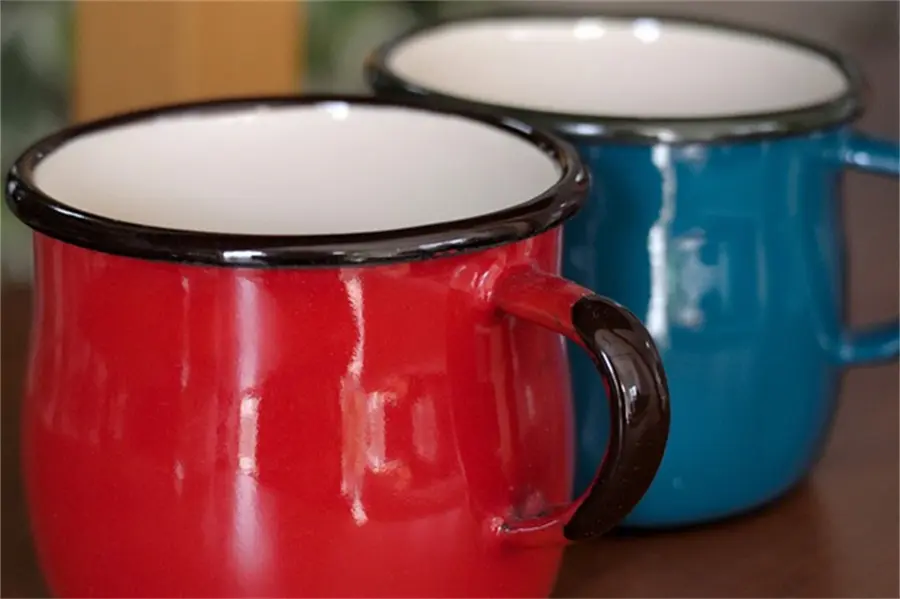
Since lithium ions are highly polarized, lithium carbonate is somewhat less thermally stable than other alkali metal carbonates, and when heated above its melting point, decomposition occurs, producing lithium oxide and carbon dioxide. Industrially, lithium carbonate is used to make other lithium salts such as lithium chloride and lithium bromide. It is also used as a raw material for lithium oxide in enamel, glass, ceramics, and porcelain enamel, and is also added to the electrolysis of aluminum electrolysis tanks to increase current efficiency and reduce the internal resistance of the electrolysis tank and tank temperature. In medicine, it is mainly used in the treatment of mania, and can improve the emotional disorder of schizophrenia. It has the effect of elevating peripheral white blood cells.
| Name | LITHIUM CARBONATE (Industrial Grade) | ||
|---|---|---|---|
| Li2CO3 content not less than (%) | 99.0 | 99.2 | |
| Impurity content not greater than (%) | Na | 0.2 | 0.1 |
| K | 0.0030 | ||
| Ca | 0.05 | 0.025 | |
| Fe | 0.1 | 0.0015 | |
| Cl | 0.05 | 0.05 | |
| SO4 | 0.35 | 0.2 | |
| Hydrochloric acid insoluble matter | 0.02 | 0.005 | |
| Dry weight loss | - | 0.5 | |
| Boron | - | 0.006 | |
| Name | LITHIUM CARBONATE (Battery Grade) | ||
|---|---|---|---|
| Li2CO3 content not less than (%) | 99.5 | 99.9 | |
| Impurity content not greater than (%) | Pb | 1 | 5 |
| Cu | 1 | 2 | |
| Fe | 10 | 2 | |
| Al | 10 | 2 | |
| Mn | 1 | 2 | |
| Mg | 80 | 10 | |
| Ca | 50 | 30 | |
| Na | 200 | 20 | |
| K | 30 | 10 | |
| Si | 30 | 40 | |
| Cl | 100 | 20 | |
| SO4 | 800 | 30 | |
| Hydrochloric acid insoluble matter | - | - | |
| Particle size (D50) μm | 4-8 | 3-5 (Micro-powder) | |
| Magnetic substance (ppb) | 200 | - | |
Packed in 3-in-1 composite bag, lined with plastic bag, net weight 25 / 50kg/Jumbo bag or fiberboard drum, 25kg/drum, or according to customer's requirements.
It has an obvious irritating effect, first of all, causing damage to the gastrointestinal tract, kidney, and central nervous system. The order of toxicity of lithium compounds is Li < LiCl < Li2CO3. Maximum permissible concentration: 0.05mg/m³ and 0.5mg/m³ for condensed and fragmented aerosol of lithium respectively. Rubber gloves and protective masks should be worn when working, and attention should be paid to dust prevention in order to protect respiratory organs.

A1: Lithium carbonate is a colorless monoclinic crystal or white powder with a density of 2.11 and a melting point of 618°C. It is stable in air and exhibits low solubility in water, which decreases as the water temperature rises.
A2: Industrial Grade Lithium Carbonate has a lower purity baseline (minimum 99.0% - 99.2%) and higher tolerance for impurities. Battery Grade Lithium Carbonate requires higher purity (minimum 99.5% - 99.9%) and has strict control standards on trace elements (like iron, sodium, calcium, copper, and lead) and particle sizes (typically 3-8 μm).
A3: It is widely used in the manufacturing of other lithium salts like lithium chloride and lithium bromide. It is also an essential raw material in glass, ceramics, enamel, and porcelain enamel. Additionally, it is added to aluminum electrolysis tanks to reduce internal resistance, lower cell temperature, and improve current efficiency.
A4: In medicine, it is primarily prescribed to treat mania, manage emotional disorders related to schizophrenia, and elevate peripheral white blood cells.
A5: Lithium carbonate can irritate the respiratory organs, gastrointestinal tract, kidney, and central nervous system. When working with it, you must wear rubber gloves and protective masks, and ensure appropriate dust prevention measures are in place.
A6: It must be stored in a cool, dry, and well-ventilated environment. It must be kept away from rain, moisture, flooding, and must never come into contact with acids.