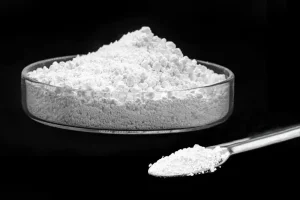
Potassium Nitrate ($KNO_3$), when integrated within balanced Nitrogen-Phosphorus-Potassium (NPK) compound systems, represents a cornerstone of high-value agriculture and key industrial sectors. Because it provides fully soluble, chloride-free potassium alongside readily available nitrate nitrogen, it serves as the premier choice for intensive fertigation, foliar applications, and advanced hydroponics. Globally, the demand for Potassium Nitrate is expanding beyond its traditional agricultural roots. The rise of solar thermal power generation—specifically Concentrated Solar Power (CSP)—and high-durability chemical processing has placed a premium on optical and industrial-grade nitrates.
From a commercial standpoint, the production of potassium-based compounds is concentrated in regions with abundant feedstock resources, notably where rock salts, potassium chloride ($KCl$), and synthetic ammonia resources are geographically integrated. Modern factory frameworks are shifting toward highly automated, zero-discharge manufacturing facilities to address environmental regulations while keeping up with the rising global consumption. Major agricultural economies in the Americas, Southern Europe, and the Asia-Pacific region rely heavily on steady wholesale supplies of these refined salts to sustain high-yield cash crop systems like tobacco, citrus, and greenhouse vegetables.
Unlike standard Potassium Chloride ($KCl$), Potassium Nitrate ($KNO_3$) delivers potassium without introducing toxic chloride ions into sensitive soil ecosystems. This eliminates osmotic stress, reduces soil salinity, and enhances water-use efficiency in regions affected by drought and climate-driven soil degradation.
The manufacturing process of Potassium Nitrate on an industrial scale relies primarily on the metathesis (double decomposition) reaction between Potassium Chloride ($KCl$) and Sodium Nitrate ($NaNO_3$), or via direct reaction of potassium chloride with nitric acid ($HNO_3$). Selecting the appropriate reaction pathway determines the crystalline structure, purity levels, and eventual application compatibility of the compound:
Metathesis Route: The reaction $KCl + NaNO_3 \rightarrow KNO_3 + NaCl$ is driven by temperature-dependent solubility differentials. The process requires precise control over crystallization loops to prevent sodium chloride impurities from precipitating alongside the target potassium nitrate crystals.
Nitric Acid Conversion: In this pathway, $KCl$ is reacted with nitric acid, producing $KNO_3$ along with hydrochloric acid ($HCl$) as a by-product. Modern factories utilize sophisticated vacuum crystallization and multiple wash-re-crystallization cycles to achieve the ultra-low chloride levels (<0.02% Cl-) required for optical glass and molten salt applications.
Supplying high-purity molten salts ($KNO_3$ and $NaNO_3$ mixtures) for Concentrated Solar Power (CSP) plants, allowing 24/7 clean electricity generation.
Industrial-grade potassium nitrate is crucial in chemical strengthening baths for touchscreens and cover glass, enabling ion exchange.
Acting as low-melting heat transfer fluid intermediates in coal conversion, heavy chemical systems, and modern refining facilities.
Delivering instantly soluble NPK formulations tailored to modern drip systems, preventing crop damage under high-yield regimes.
Inorganic Chemicals and Advanced Agricultural Blends
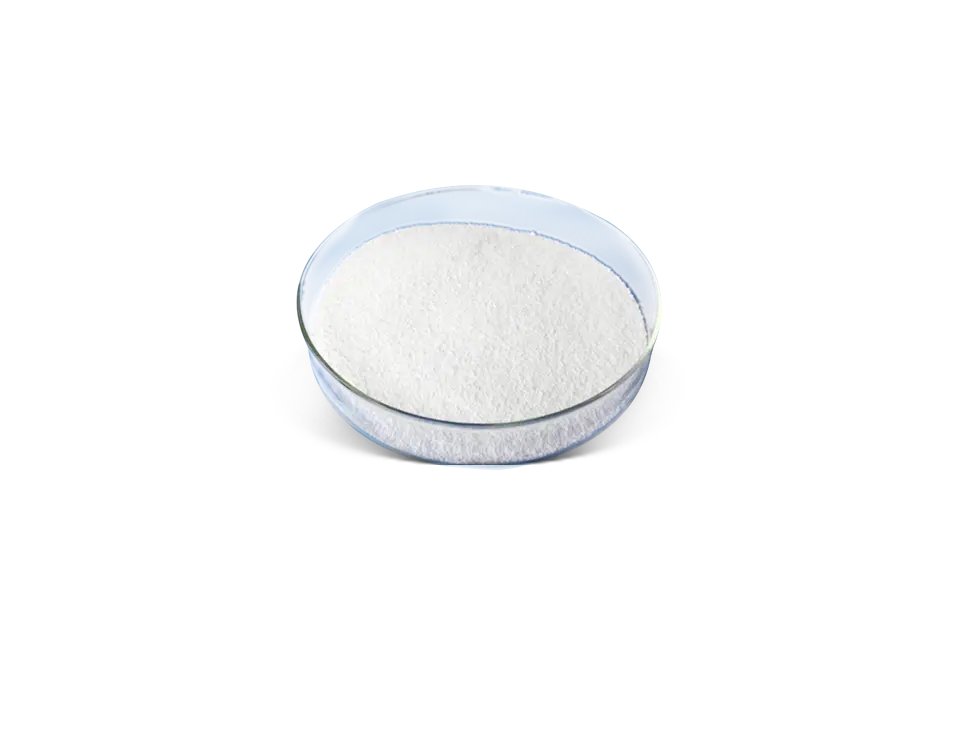
Comprehensive industrial nitrates including molten salt materials, potassium, and sodium variations.
Explore Series
Highly soluble macro and micro-element fertilizers engineered for modern farming configurations.
Explore Series
Secondary industrial chemical materials optimized for maximum utilization across manufacturing operations.
Explore Series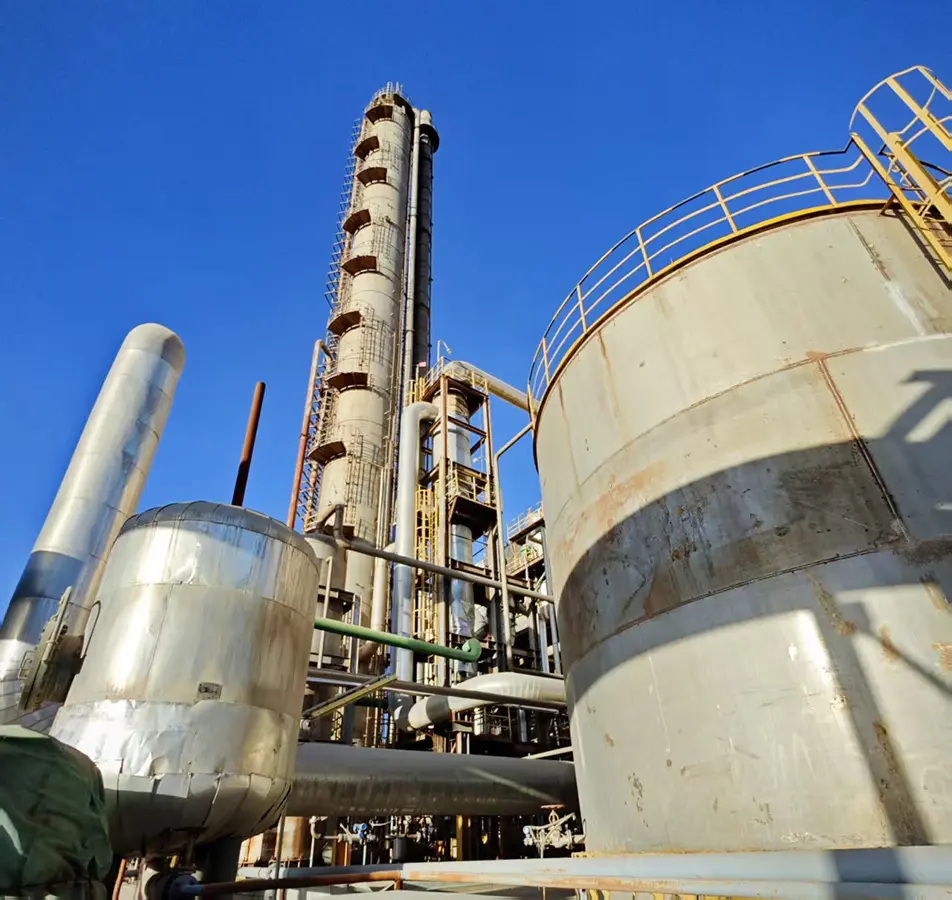
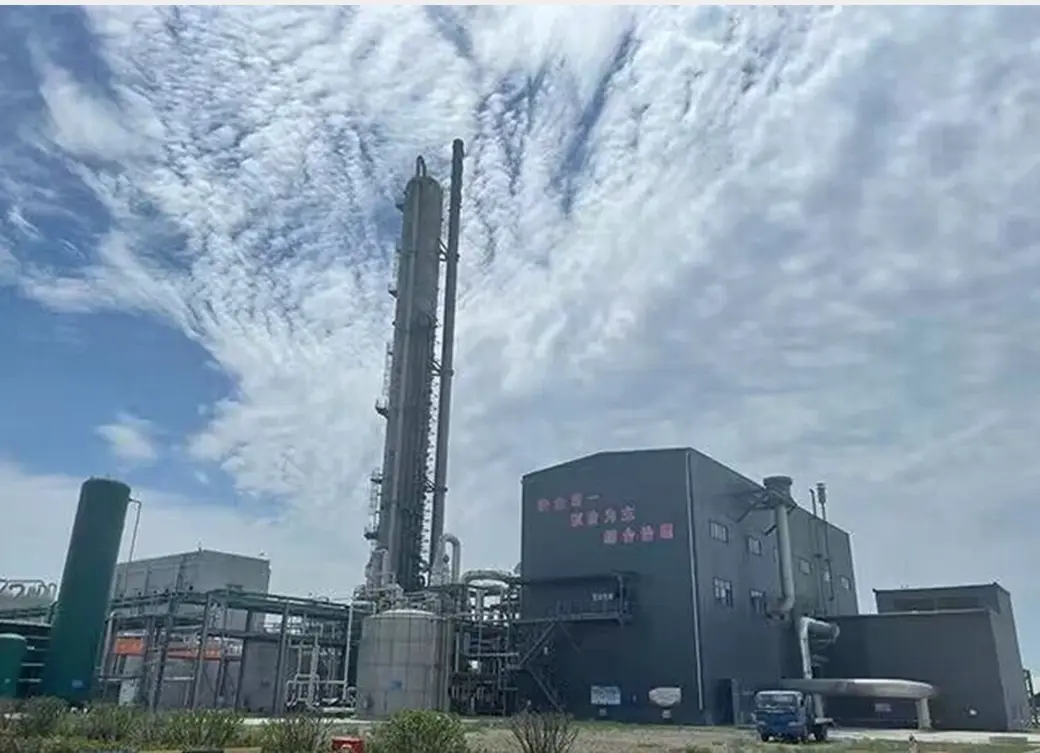
Driven since 2000, we have been committed to the entrepreneurial spirit and passion for innovation. Our team takes pride in delivering dependable products and services with a quality distinction in the thermal energy storage & water-soluble fertilizer industries globally.
By leveraging advanced logistics channels, state-of-the-art laboratory testing, and clean-tech chemical synthesis protocols, we offer our partners raw materials with consistent chemical baselines, securing supply chain reliability in changing market conditions.
Learn More About Us
Integrated experience in international customs handling, hazardous material compliance, and seamless intermodal freight solutions.

600,000 Tons of annual output for molten salts and agricultural compounds ensures high capacity and competitive wholesale pricing.
On-staff chemical engineers and agronomists ready to assist with solubility calibrations, safety measures, and bespoke NPK formulas.
Comprehensive availability of $KNO_3$, $NaNO_3$, $Ca(NO_3)_2$, and various trace element soluble blends for all application standards.
As chemical factories confront stricter carbon neutral guidelines, the evolution of Potassium Nitrate production is closely linked with the adoption of "green nitrogen". This approach involves replacing traditional coal-gasified ammonia with green ammonia synthesized from hydrogen generated via solar or wind electrolysis. Our technological roadmap focuses on lowering energy consumption within industrial-scale crystallization columns and recovering thermal energy from exothermic neutralization phases.
Moreover, modern packaging designs utilize advanced moisture-barrier polymers to prevent caking, extending the shelf-life of high-solubility NPK fertilizers during long transit times in high-humidity shipping routes. This addresses key challenges faced by agricultural distribution networks globally.
Potassium Nitrate applications vary significantly by region, shaped by local soil profiles and target cash crop economics:
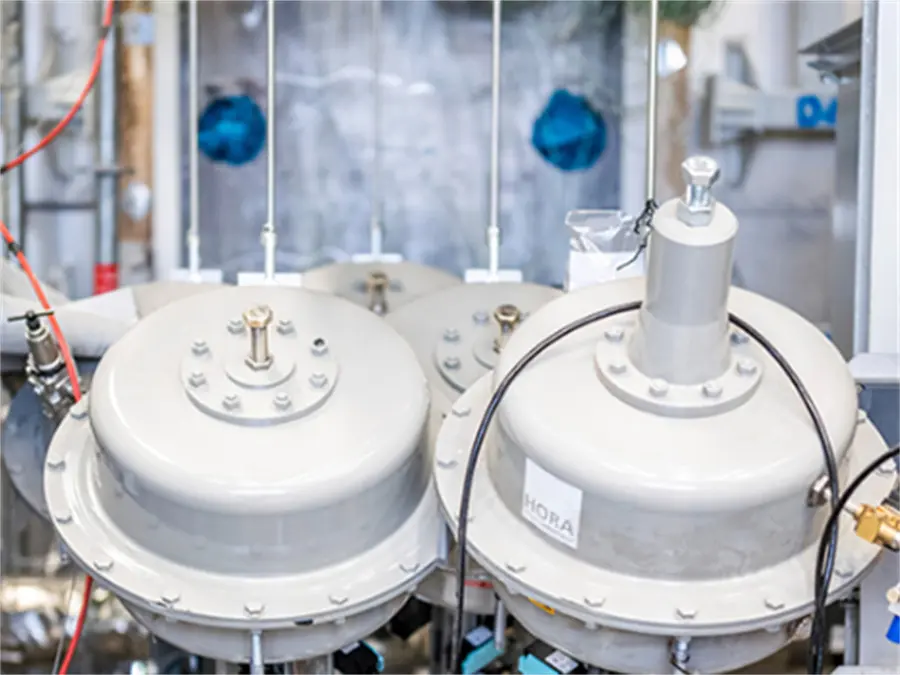
The technology can operate at higher temperatures, which has an impact on the efficiency of solar thermal conversion pathways.
Read Full Article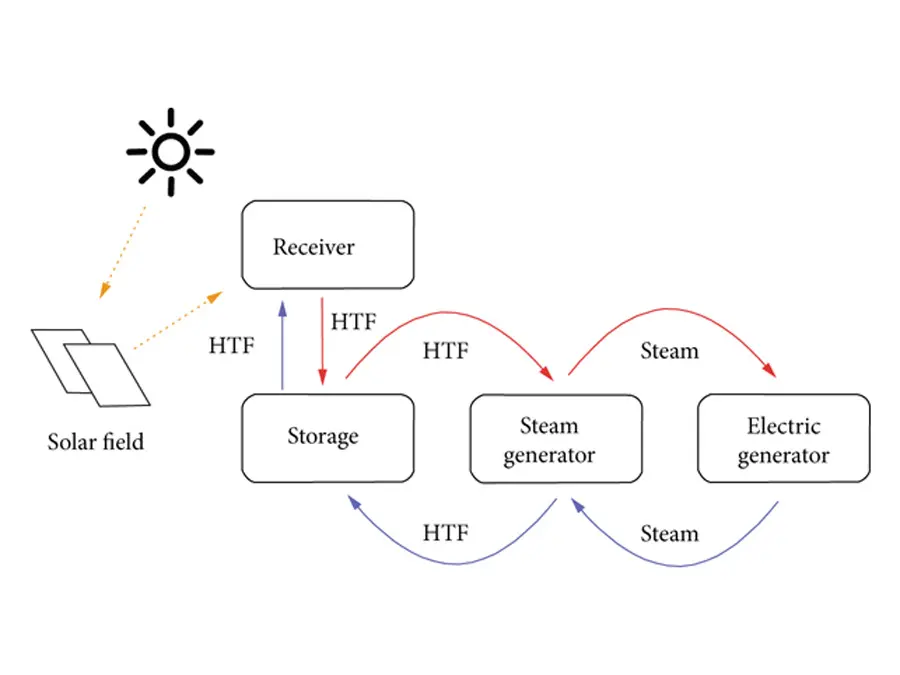
A concentrated solar power plant converts solar energy to electricity. It is based on using mirrors to focus sunbeams onto receiver elements.
Read Full Article
Molten salt energy storage has emerged as a promising solution for enhancing the efficiency of green grids and industrial heating processes.
Read Full Article
Collaborating with key chemical and agricultural distribution networks worldwide.







 VOJIN
VOJIN