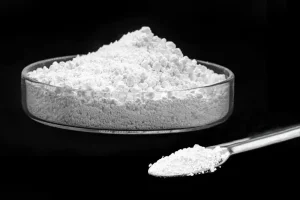
Direct supply from state-of-the-art Chinese manufacturing facilities. Certified quality for agricultural and industrial integrations.
Bridging Historical Circular Extraction with Modern Chemical Engineering for Next-Generation Agrochemical and Industrial Needs.
Historically, Potassium Nitrate (KNO₃), historically known as saltpeter, was gathered from organic origins. The classic nitrification beds mixed urea sources—primarily urine and organic waste—with ash (potassium source) and soil. The natural aerobic digestion process by nitrifying bacteria converts organic nitrogen into nitrates, which are then combined with potassium ions to generate highly pure potassium nitrate crystals.
Today, this historical process has transitioned into an advanced bio-economy framework. With the modern emphasis on ESG (Environmental, Social, and Governance) targets, industrial manufacturers are engineering methods to recover nitrogen and potassium from wastewater streams, utilizing biological extraction technologies. This circular recycling loop drastically minimizes carbon emissions, reduces reliance on the energy-intensive Haber-Bosch process, and provides a sustainable secondary resource pathway for high-purity potassium nitrate.
Potassium nitrate recovered from circular bio-streams holds identical structural and thermodynamic profiles to chemically synthesized options. With a thermal decomposition point starting above 400°C and excellent water solubility (31.6 g/100 mL at 20°C), this compound remains a critical building block for dual-use technologies, agricultural growth promoters, and solar thermal heat retention.
As a leading exporter and manufacturer, Shanxi Vojin New Materials Co., Ltd. ensures that whether sourced via chemical synthesis or advanced recovery designs, our industrial and agricultural grade potassium nitrate maintains consistent impurity control, meeting stringent international standards for chloride and sulfate concentration thresholds.
Engineered inorganic compounds designed for thermal storage, modern agricultural infrastructure, and industrial production.
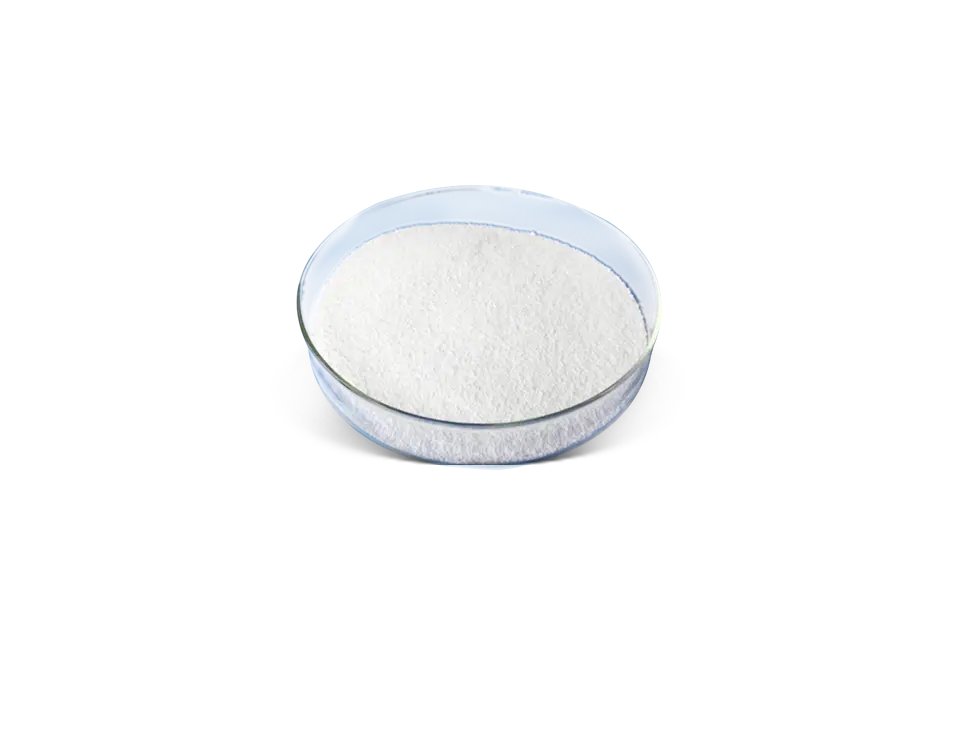
High-grade molten salt components, calcium nitrate, and specialized potassium nitrate matrices designed for maximum thermal stability.
 View More
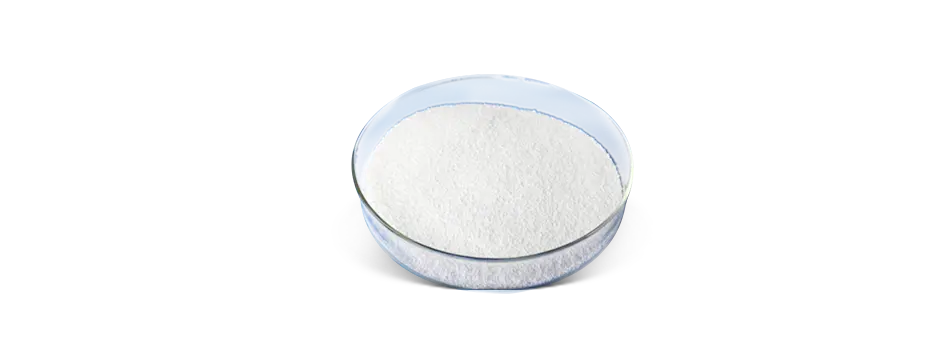
Fully water-soluble macronutrient and micronutrient formulations tailored for drip irrigation, greenhouse setups, and foliar spray applications.
 View More
Secondary salts and processed chemicals refined under precise manufacturing standards to minimize waste and ensure high industrial utility.
View More
Understanding shifting procurement landscapes, industrial-grade parameters, and environmental regulatory requirements.
Modern procurement directors in Europe and North America face strict chemical regulatory environments. Decarbonizing supply chains has shifted interest toward bio-recovered raw materials. Potassium nitrate derived from recovered waste streams or manufactured utilizing renewable energy fits directly into low-carbon scope 3 emission goals.
Additionally, the transition away from gas-reliant European fertilizer factories has elevated the importance of resilient Asian exporters. Sourcing raw materials from reliable manufacturers with massive stockpiling capabilities guarantees price stability during times of global logistic bottlenecks.
Where high-grade potassium nitrate and partner mineral compounds drive performance across critical industrial applications.
Used in Concentrated Solar Power (CSP) plants as a primary component in binary molten salt blends, ensuring stable heat retention.
View Details →Critical in the chemical strengthening of high-durability cover glass screens for smartphones, tablets, and advanced avionics panels.
View Details →Facilitates heat transfer, metallurgical annealing, tempering, and coal conversion systems requiring stable, non-combustible mediums.
View Details →Forming the backbone of modern drip fertigation programs by delivering chloride-free potassium alongside nitrate-nitrogen for crop absorption.
View Details →Analyzing Shanxi Vojin's modern manufacturing methods and large-scale global chemical logistics infrastructure.
Located in the chemical industrial cluster of Shanxi, Shanxi Vojin New Materials Co., Ltd. utilizes automated DCS (Distributed Control Systems) to monitor crystallization, purification, and packaging processes. Our annual manufacturing capacity of 600,000 tons of molten salts and related compounds provides large-scale cost efficiencies that protect global buyers from market volatility.
Our smart manufacturing facility integrates inline analytics to test raw materials and finished salts. This eliminates quality variances and keeps batch chemistry deviations within a fraction of a percent. For international procurement teams, this translates into consistent product chemistry and reliable production runs.
With quick access to major shipping ports like Tianjin and Qingdao, we provide seamless transport routes to over 40 countries and regions. Our relationships with bulk shipping carriers and container lines guarantee container allocation even during peak shipping seasons.
Furthermore, our integrated supply chain controls track shipments from production line packaging directly to port delivery. By handling import/export paperwork in-house, we reduce clearance times, ensuring quick turnarounds for your critical inventory runs.
Driven since 2000, we have committed ourselves to innovation. Our team takes pride in delivering dependable products and services with a quality distinction in the thermal energy storage & water-soluble fertilizer industries globally.
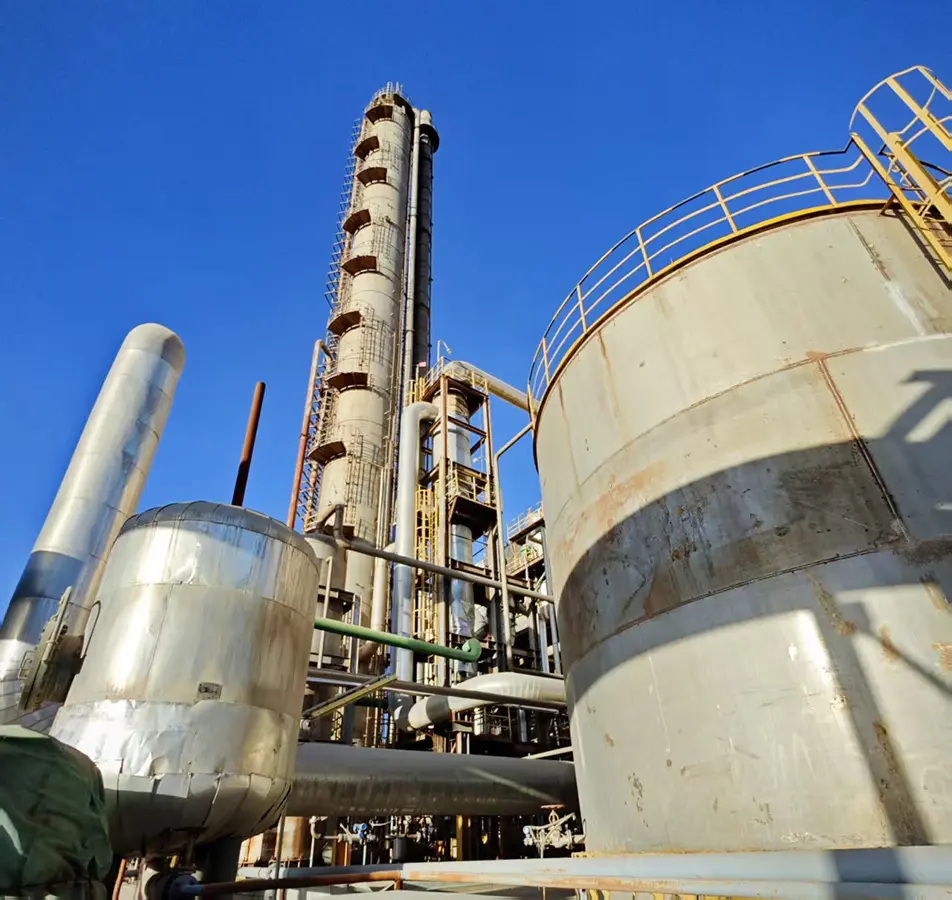
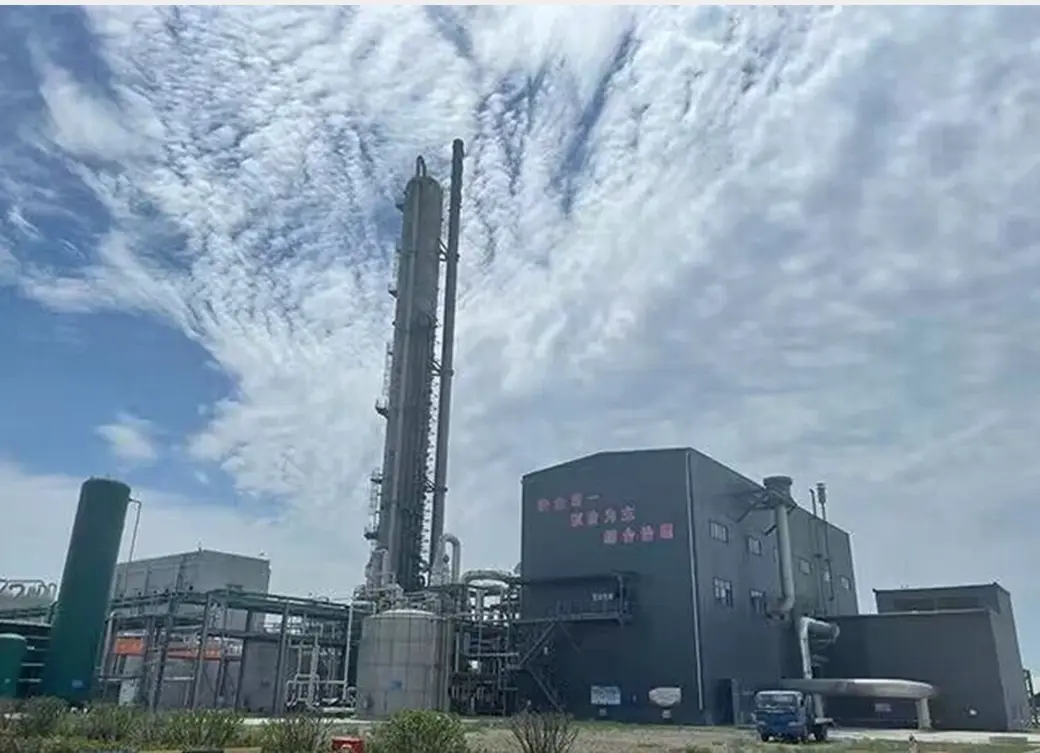
By combining modern chemical engineering with circular biochemistry principles, we reduce carbon intensity throughout our production loops, providing high-efficiency materials that support global decarbonization efforts.
Why procurement leads choose Shanxi Vojin for high-purity chemical supply agreements.

Integrated global logistics experience ensures compliance with international importing regulations, custom processing, and chemical transport safety guidelines.

Our annual production output of over 600,000 tons of molten salts and nitrogen-based compounds ensures scale efficiency and steady contract pricing.
Our technical team responds quickly to custom product formulation adjustments, particle size requirements, and purity certifications.
A wide selection of technical products—including KNO₃, NaNO₃, and customized molten salt formulas—meets the specific needs of various industries.
Market trends and technical articles published by our materials research group.
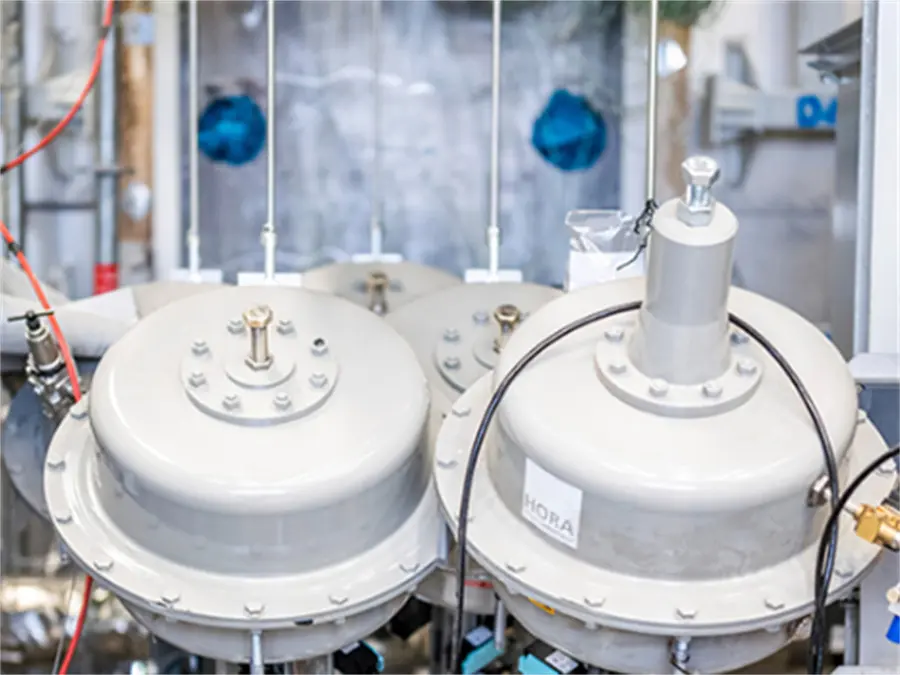
Molten salt technologies operate at high temperatures, increasing system efficiency and offering a viable path for scalable solar energy storage.
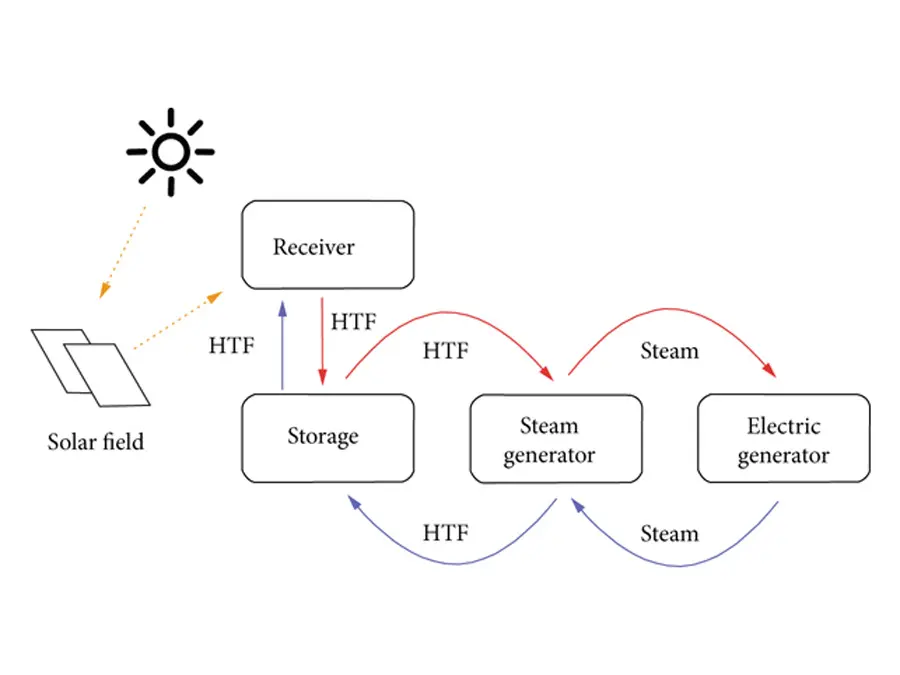
Concentrated solar power plants convert solar radiation into electricity using molten salts as a heat storage medium to maintain stable, continuous generation.

Molten salt energy storage systems are key to stabilizing grids that handle intermittent renewable energy, improving overall network resilience.
For decades, we have supported leading global chemical distributors and industrial plants with steady supply agreements.

Detailed chemical parameter discussions, purification methodologies, and ordering details.
This refers to the recovery of nitrates from organic streams (containing urine or other high-nitrogen liquids) via biological oxidation (nitrification). In a circular chemical economy, this recovered nitrogen is combined with potassium sources to crystallize pure potassium nitrate, reducing fossil fuel consumption and overall scope 3 carbon footprints.
Once recrystallized and refined, bio-recovered potassium nitrate is chemically identical to synthetic potassium nitrate. The refining process removes impurities, heavy metals, and residual organic carbon, meeting agricultural standards and matching synthetic chemical specs.
Potassium nitrate has an indefinite shelf life if stored in a cool, dry, well-ventilated warehouse away from heat sources and organic reducing agents. Since it is hygroscopic, we package our products in multi-layered, moisture-resistant bags to prevent caking during transport and storage.
We offer both organic anti-caking surface treatments and inert inorganic silica-based powder additives. The choice depends on your final application; for instance, molten salt plants prefer additive-free formulas, while agricultural customers prioritize flowability and solubility.
We utilize automated DCS processes to control temperatures and crystallization states. Every production run is analyzed via ICP-OES and ion chromatography to ensure the composition matches the Certificate of Analysis (COA) before shipment.
Every shipment is accompanied by a Certificate of Analysis (COA) and an MSDS sheet. On request, we provide third-party verification documents (such as SGS or Intertek inspection certificates) covering purity, chloride content, and grain size distribution.
Standard packaging configurations ship within 7 to 14 days from our Shanxi facilities. Custom packaging requests or customized chemical mixtures typically require 21 to 30 days of lead time to run through production, testing, and port transit logistics.
High-grade compounds engineered for structural applications, thermal energy capture, and balanced agronomics.
 VOJIN
VOJIN