Engineered to maximize thermal capacity, operational stability, and purity index across heavy industrial operations.
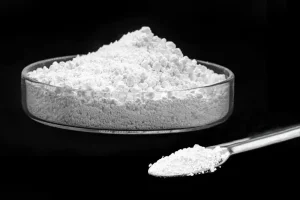
The molten salt method represents a cornerstone in solid-state synthesis and high-temperature thermal energy storage (TES) technology. Structurally operating at elevated temperatures where inorganic salts exist in their liquid phase, this method serves a dual purpose. Globally, it acts as a low-viscosity, high-conductivity solvent matrix for synthesizing highly crystalline complex oxides. Industrially, it functions as a highly efficient heat transfer fluid (HTF) and sensible energy storage medium.
"By utilizing molten salts such as binary mixtures of sodium nitrate (NaNO₃) and potassium nitrate (KNO₃)—frequently referred to as 'Solar Salt'—modern energy infrastructures can store gigawatts of thermal energy efficiently, bridging the intermittent gap of renewable energy resources."
Compared to traditional solid-state reaction methods, the liquid phase environment provided by molten salts accelerates mass transfer rates by several orders of magnitude. The reactants dissolve into the molten salt flux, facilitating diffusion at the atomic scale, yielding chemical products with exceptional homogeneity, precise morphology control, and minimal defects. At SHANXI VOJIN NEW MATERIALS CO., LTD., our refining techniques reduce impurities like chlorides and sulfates, which are notorious for accelerating the corrosion of alloy heat exchangers and storage tanks.
Understanding the thermodynamic parameters of molten salt systems is crucial for industrial operations. For solar energy plants and industrial steam processes, the focus remains on binary and ternary eutectic mixtures. The eutectic point is the specific ratio where the mixture melts at a temperature lower than any of its individual constituents. For example, a 60:40 binary mix of NaNO₃ and KNO₃ melts at approximately 220°C and remains stable up to 600°C.
Maintaining this operating window prevents crystallization, which could freeze pump lines, and avoids thermal decomposition, which releases nitrogen oxide gases and degrades the storage medium. Through precise purity management during synthesis, we ensure stable viscosity profile gradients, exceptional specific heat capacity (Cp), and high density, establishing a robust thermodynamic baseline for thermal applications.
Engineered chemical formulations designed for high-performance applications globally.
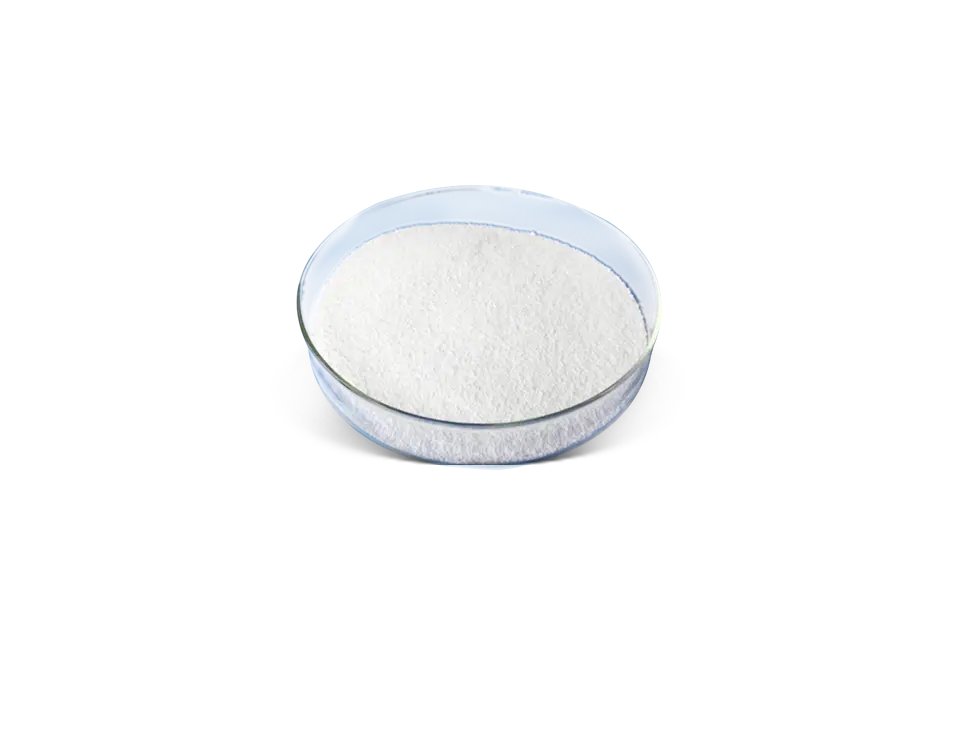
Ultra-pure nitrates optimized for thermal storage and chemical glass strengthening.

Highly soluble water fertilizers containing trace minerals for agricultural efficiency.
Industrial grade chemicals for secondary processing and metallurgical treatments.
The transition toward green energy has shifted molten salt technology from specialized applications to large-scale industrial use. Concentrated Solar Power (CSP) systems, particularly tower designs, rely on molten salt loops to maintain round-the-clock power generation. By storing heat in insulated tanks during peak sunlight, these plants generate high-pressure steam to drive turbines during evening peak demand.
Beyond CSP, heavy industries like cement production, steelmaking, and chemical synthesis are seeking alternatives to fossil fuels. In these contexts, molten salt heat transfer loops act as a thermal buffer, enabling the capture of waste heat or utilization of cheap wind and solar power to heat salts to over 500°C. This stored energy is then released as continuous process heat. This approach mitigates grid dependency and reduces carbon emissions, aligning with global climate targets.
Different geographic regions present distinct operational challenges, requiring customized salt chemistry:
Leveraging high-temperature chemical engineering to optimize energy infrastructure and agricultural output.
Storing thermal energy in utility-scale solar towers and heavy manufacturing complexes.
Supplying high-grade salts for chemical tempering in mobile and automotive glass production.
Supporting clean coal conversion, process steam loops, and industrial heat recovery systems.
Providing specialized, highly soluble trace elements and fertilizers for agricultural application.
Bulk handling of nitrate-based salts requires strict adherence to international safety and environmental regulations. As an established supplier, SHANXI VOJIN NEW MATERIALS CO., LTD. complies with REACH, RoHS, and international hazardous chemical transport regulations. Our logistics network is designed to mitigate risks like moisture absorption during maritime transit, utilizing humidity-controlled container packaging to deliver free-flowing, clog-free material.
Our quality assurance laboratory tests every production run using Inductively Coupled Plasma Optical Emission Spectroscopy (ICP-OES) to detect and limit trace impurities like chlorides, magnesium, and calcium. By keeping these elements in the low ppm range, we reduce corrosion rates in client piping, extending system lifetime and improving the return on investment (ROI) for industrial infrastructure.
The next generation of molten salt research focuses on expanding the liquid phase temperature range. We are developing ternary and quaternary formulations that incorporate calcium nitrate or lithium nitrate. These advanced mixtures aim to reduce the melting point below 100°C while maintaining thermal stability up to 600°C.
Additionally, we are exploring fluoride and chloride molten salts for next-generation nuclear technology, specifically Molten Salt Reactors (MSRs). These reactors require salts with high neutron economy and stability under intense radiation. Our engineering team is refining purifying processes to meet the demands of these upcoming energy technologies.

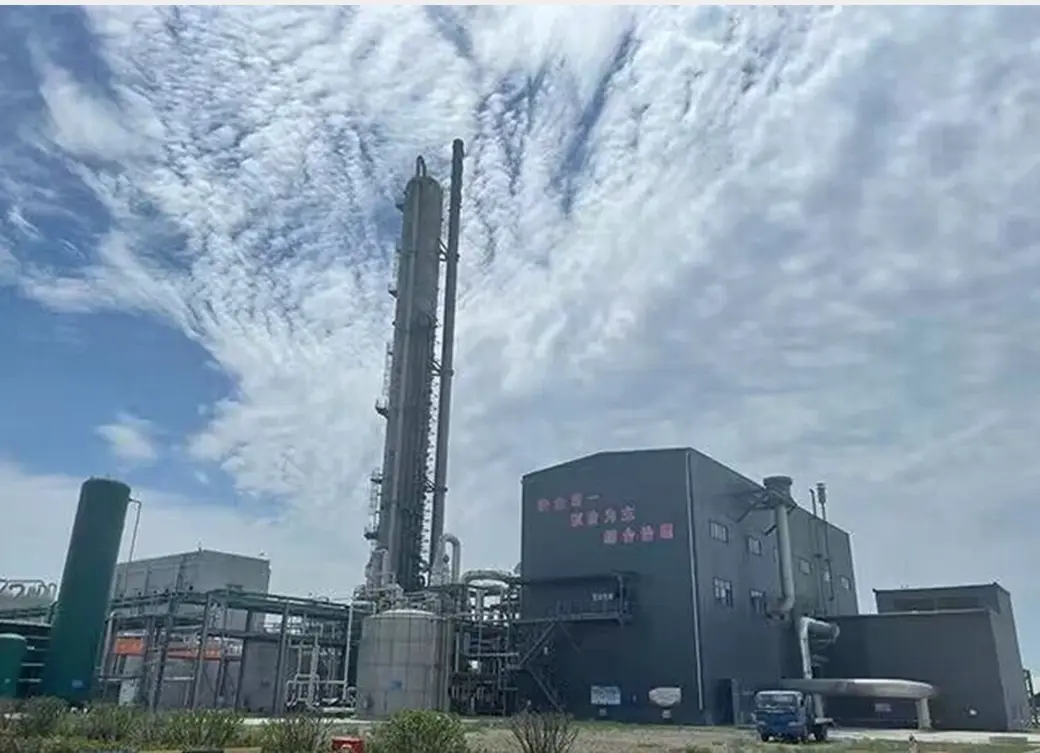
Driven since 2000, we have been committed to the entrepreneurial spirit and passion for innovation. Our team takes pride in delivering dependable products and services with a quality distinction in thermal energy storage and water-soluble fertilizer industries globally.
With modern production assets in Shanxi, China, our manufacturing processes utilize advanced technologies to supply high-purity inorganic salts to clients across 40 countries, supporting global decarbonization initiatives and advanced agricultural practices.
Why industrial procurement teams trust Shanxi Vojin New Materials


Integrated experience on exporting operation. Always assure your customers good quality.
Annual output of 600,000 Tons of molten salts, supporting continuous large-scale supply contracts.
Experienced technology skill & service team. Quick response to our global customers' technical issues.
Multiple items for selection such as KNO₃, NaNO₃ to meet various needs of global energy and agricultural customers.
Addressing core technical questions from procurement officers and thermal engineers.
The operational lifespan is determined by three main factors: peak operating temperature, humidity control, and impurity management. Thermal decomposition of nitrates typically begins around 600°C. Minimizing trace contaminants like chlorides and carbonates helps prevent accelerated alloy corrosion in the storage tanks, sustaining the salt's effectiveness for over 30 years of continuous cycling.
Nitrates are hygroscopic and can absorb ambient humidity, leading to clumping. We address this using custom woven moisture-barrier bags, sealed container liners, and temp-monitored shipping. This keeps the material free-flowing and ready for direct dry-fill into heat-loop infrastructures upon arrival.
Yes. Once binary nitrate mixtures reach the end of their service life in a thermal plant, they can be processed and reformulated for agricultural applications. Their high nitrogen and potassium concentrations make them suitable raw materials for water-soluble fertilizers.
Molten salts operate at significantly higher temperatures (up to 565°C and above) compared to thermal oils, which degrade around 390°C. This higher limit increases the thermodynamic efficiency of power cycles. Additionally, molten salts are non-flammable and environmentally non-toxic, reducing hazards at large-scale industrial facilities.
Stay updated on solar thermal advancements and modern inorganic chemical practices.
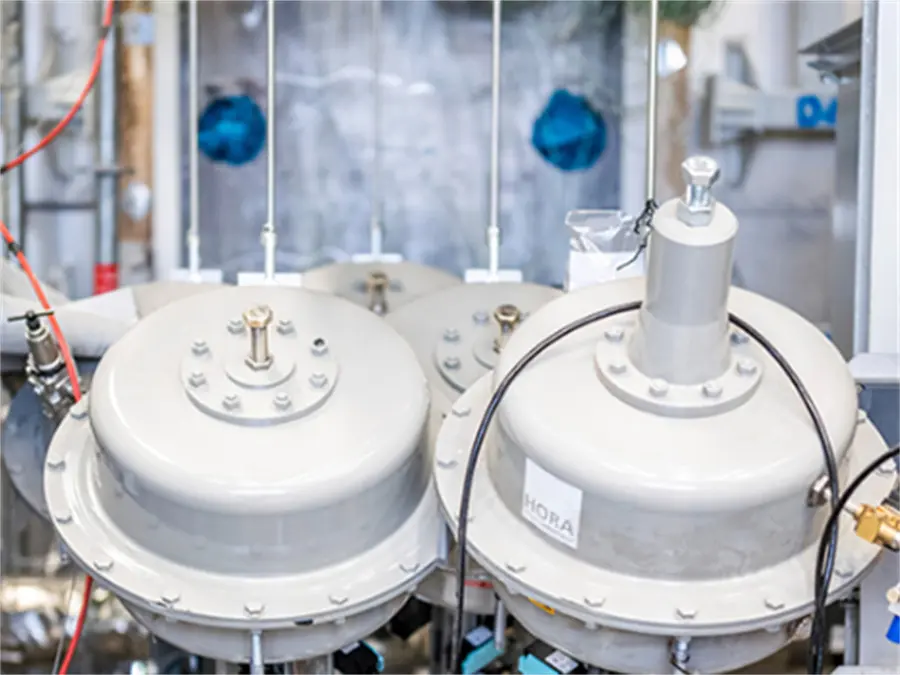
The technology can operate at higher temperatures, which has an impact on the efficiency of modern electricity generation systems.
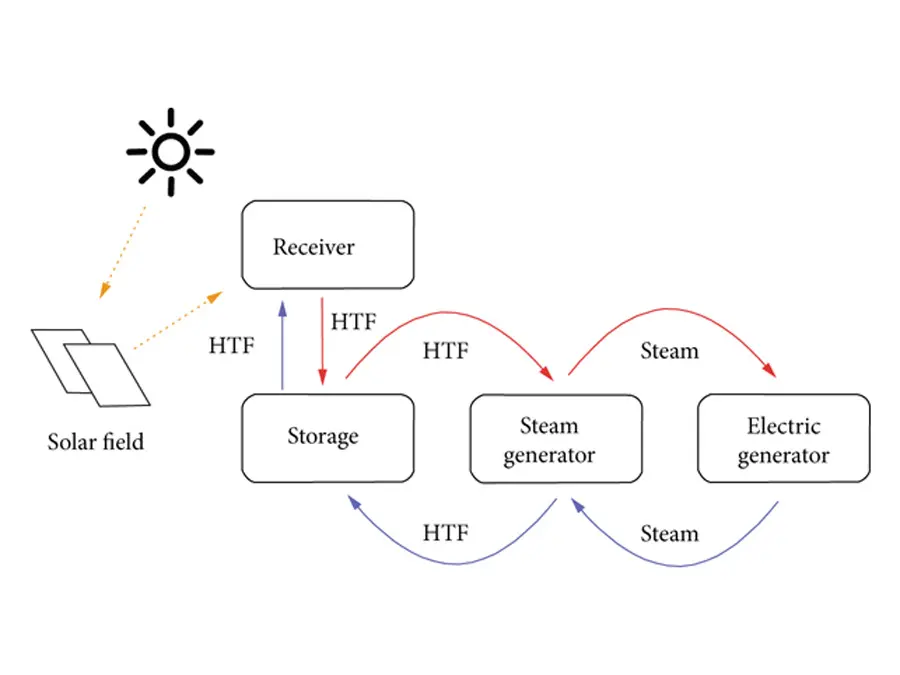
A concentrated solar power plant converts solar energy to electricity. It is based on advanced salt thermal retention setups.

Molten salt energy storage has emerged as a promising solution for enhancing the efficiency of grids handling volatile renewables.
Successfully meeting the requirements of recognized customers in the global market.



Complete your sourcing matrix with our high-purity industrial compounds.
 VOJIN
VOJIN