High-purity industrial compounds manufactured under rigorous quality controls, optimized for energy, agricultural, and manufacturing processes.
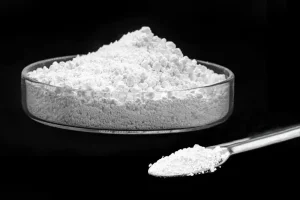
As the global transition to sustainable grid infrastructures accelerates, the capacity to store thermal energy efficiently stands as the primary technical challenge. Solar concentrated thermal systems (CSP) and large-scale industrial heating loops require heat storage materials that deliver stability at temperatures exceeding 500°C. High-purity molten salts—predominantly binary and ternary eutectic mixtures of nitrate chemical compositions—have emerged as the standard solution for sensible heat storage media. Shanxi Vojin New Materials Co., Ltd. sits at the heart of this manufacturing nexus, supplying industrial-grade nitrates configured for the world's most demanding environments.
Traditional thermal media like synthetic oils undergo carbon degradation above 390°C. By contrast, a eutectic blend of 60% Sodium Nitrate (NaNO3) and 40% Potassium Nitrate (KNO3)—known commercially as "Solar Salt"—exhibits stable liquid phase performance from 220°C up to 565°C, ensuring dynamic efficiency without dangerous vapor pressure levels.
By capturing excessive thermal energy during peak sunlight periods, molten salt plants enable base-load solar power generation overnight. Thermal energy storage (TES) utilizing molten nitrate salts mitigates the inherent intermittency of wind and solar photovoltaics. The process cycle involves circulating cold salt at 290°C to receiver tubes where it absorbs focused solar radiation, rising to 565°C. It is then housed in specialized high-alloy hot storage tanks until power generation is required, at which point the salt passes through steam generator networks to spin electricity-producing turbines.
Securing structural longevity in molten salt storage tanks demands chemical mixtures with minimized corrosive profiles. Trace contaminants like chloride (Cl-) and sulfate (SO42-) ions trigger localized corrosion on stainless steel (such as Grade 316) and high-nickel alloys. Shanxi Vojin New Materials utilizes advanced purification stages to maintain critical ionic thresholds below industry tolerances, protecting structural infrastructure from degradation and extending power plant lifespans past 30 years.
Capable of supporting fluid cycles up to 565°C, offering optimal specific heat capacities for industrial steam generation networks.
Strict controls over trace chloride and sulfate ions prevent galvanic scaling on heat exchange pipes and storage vessels.
Primary inorganic chemical series manufactured at our Shanxi facilities, supporting energy, industrial heating, and agricultural development globally.
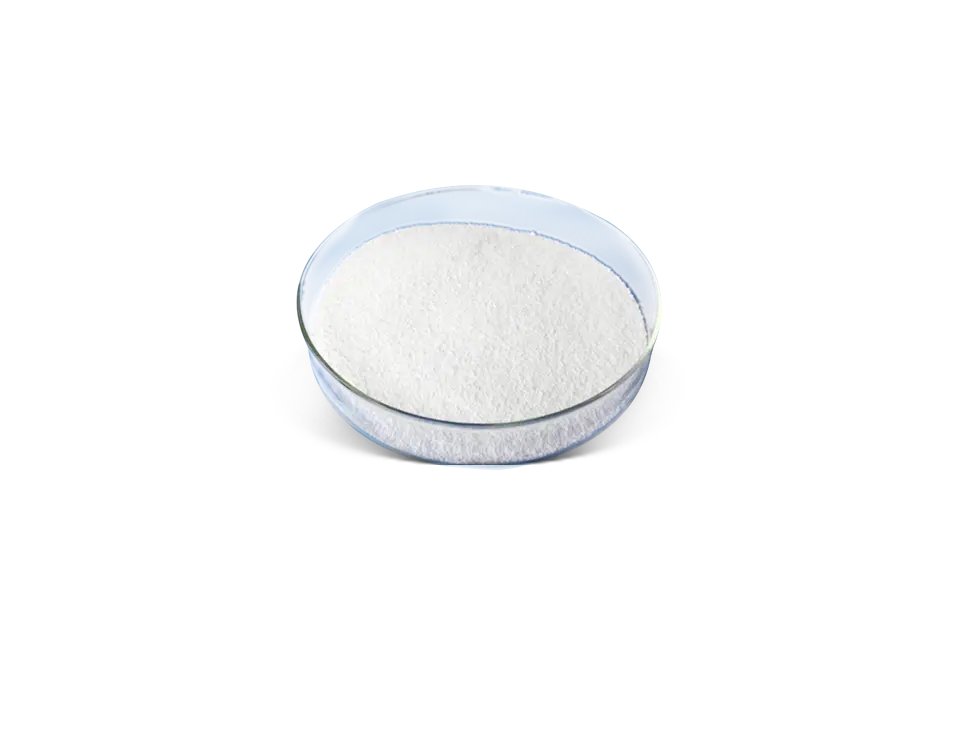
Specialized industrial-grade sodium and potassium nitrates developed for high-temperature energy storage, industrial metallurgy, and chemical glass manufacturing.
Explore Products
Premium water-soluble fertilizers containing trace and macro elements to ensure rapid nutrient absorption and optimized crop yield efficiency.
Explore Products
Refined industrial secondary chemicals designed to deliver performance enhancements across concrete admixtures and chemical syntheses.
Explore ProductsA deep breakdown of the chemical purity requirements for solar thermal plants, comparing solar salt configurations to standard industrial options.
| Property / Characteristic | Solar Grade Sodium Nitrate (NaNO3) | Solar Grade Potassium Nitrate (KNO3) | Eutectic Solar Salt Blend (60% / 40%) | Standard Industrial Grade |
|---|---|---|---|---|
| Purity (Dry Basis) | ≥ 99.7% | ≥ 99.8% | ≥ 99.7% Blend | ≥ 99.0% |
| Chloride (Cl-) Content | ≤ 50 ppm (0.005%) | ≤ 50 ppm (0.005%) | ≤ 50 ppm | ≤ 500 ppm (0.05%) |
| Sulfate (SO42-) Content | ≤ 100 ppm (0.01%) | ≤ 100 ppm (0.01%) | ≤ 100 ppm | ≤ 1000 ppm (0.10%) |
| Moisture (H2O) | ≤ 0.1% | ≤ 0.1% | ≤ 0.1% | ≤ 0.3% |
| Melting Point Range | 308°C | 334°C | 220°C - 240°C | Varies based on impurities |
| Maximum Working Temp | 580°C | 600°C | 565°C (Continuous) | 480°C |
Levelized Cost of Electricity (LCOE) in Concentrated Solar Power (CSP) plants relies on systemic operational longevity. High concentration of halides (such as chlorides) results in chemical attack, pitting, and stress corrosion cracking in high-temperature piping systems. If the operating temperature is forced lower to slow down corrosion rates, thermal cycle efficiency drops. This increases the overall cost per megawatt-hour produced. High-purity chemical production at the factory level remains the single most critical factor in controlling operational costs.
At temperatures exceeding 565°C, binary solar salt begins to slowly break down into corresponding nitrites and oxygen gas: 2MNO3 ↔ 2MNO2 + O2 (where M represents Na or K). This equilibrium shifts dynamically. Uncontrolled decomposition degrades the specific heat capability of the mixture and increases structural operating pressures, highlighting why precise thermal calibration and purification are critical during factory synthesis.
From heavy industrial heat grids to advanced display panel strengthening, our chemical solutions support diverse global industries.
High-purity Solar Salt acts as the primary heat transfer fluid (HTF) and sensible energy storage buffer in parabolic trough and central tower solar power plants.
Ultrapure molten potassium nitrate baths facilitate ion-exchange chemical strengthening in modern electronic display cover glasses.
Supplies industrial heat loops and thermal energy configurations for clean heating grids, coal gasification, and waste heat recovery systems.
Water-soluble nitrate salts support customized agricultural setups, improving yields through highly accessible nitrogen and potassium delivery.
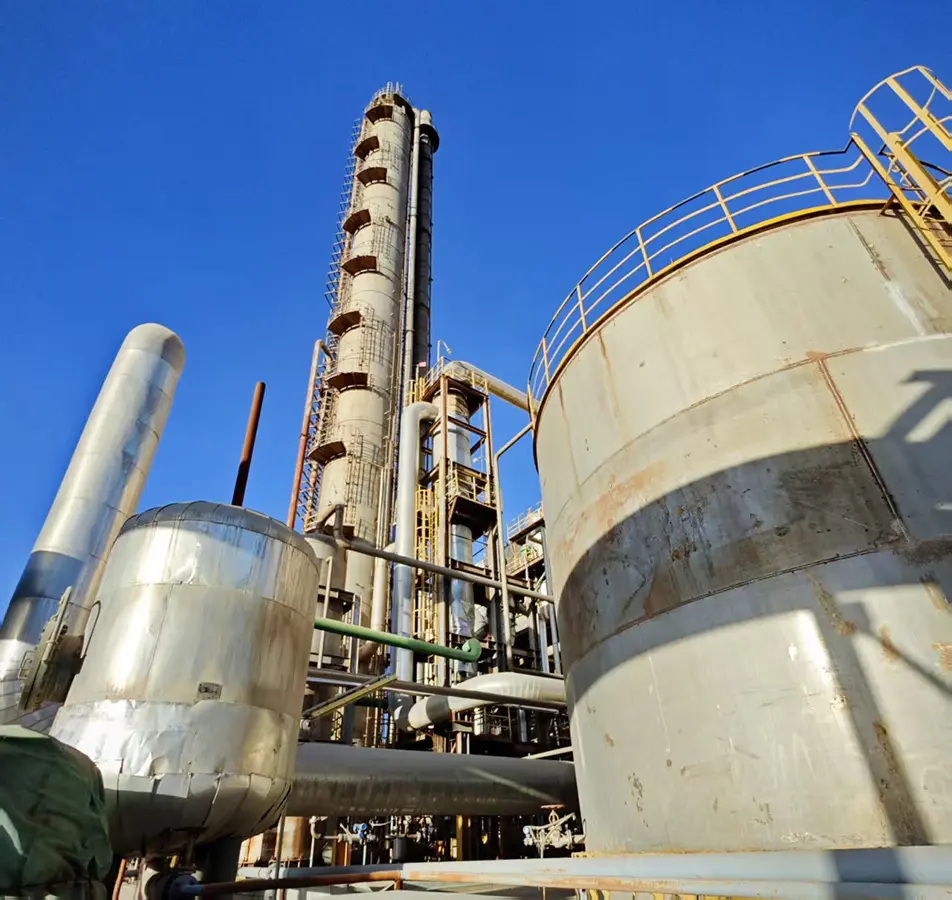
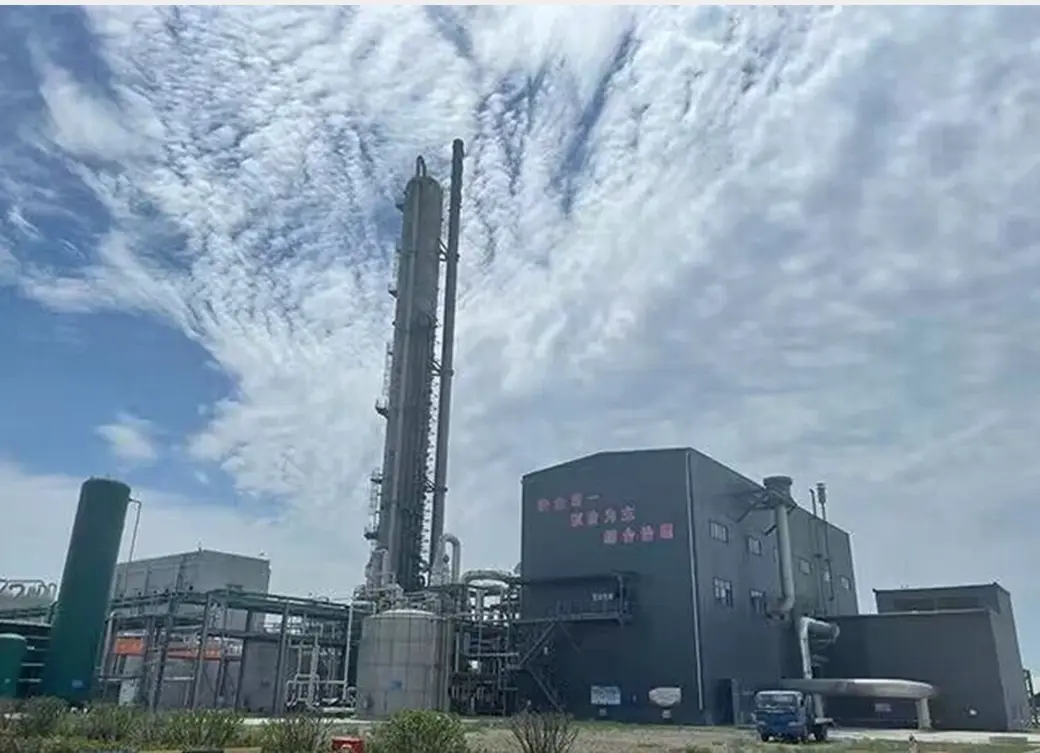
Driven since 2000, we have been committed to the entrepreneurial spirit and passion for innovation. Our team takes pride in delivering dependable products and services with a quality distinction in thermal energy storage & water-soluble fertilizer industries globally.
As a key global exporter of industrial-grade sodium and potassium nitrates, our facilities are equipped with specialized purification equipment. This allows us to scale production while maintaining tight control over trace contaminants like chloride and sulfate ions, meeting the strict requirements of international concentrated solar power (CSP) projects.
Learn More About UsWhy global EPC engineering firms and chemical brokers establish long-term procurement partnerships with Shanxi Vojin.

Integrated exporting structures ensure smooth customs clearance and secure delivery across global trade corridors.
Annual capacity of 600,000 tons of molten salt products ensures reliable supply lines for industrial thermal projects.
Technical service teams provide responsive guidance on product customization, mixture ratios, and chemical purity metrics.
A comprehensive selection of inorganic salts, including potassium nitrate (KNO3) and sodium nitrate (NaNO3), to suit diverse industrial applications.
The global trade logistics of industrial nitrates involve navigating strict safety frameworks due to their classification as Class 5.1 oxidizing substances. To establish reliable, high-volume shipping lines, manufacturers must adhere to international maritime transport safety codes (IMDG Code) and local environmental regulations. At Shanxi Vojin, our operations align with international standards, securing export compliance and clean logistics flows from our northern China factory to deep-water shipping terminals.
Spain & Western Europe: The European CSP landscape relies on solar towers and parabolic trough infrastructures. These set-ups utilize large quantities of binary salt mixtures to store heat, helping maintain consistent power grid output despite weather fluctuations.
The Middle East (MENA Region): With high direct solar irradiance, regional projects require thermal media that can withstand sustained temperatures above 500°C without breaking down, ensuring efficient performance under extreme heat.
China's Gobi Desert Projects: In Qinghai and Gansu provinces, large-scale multi-technology projects combine wind, solar photovoltaic, and concentrated solar power with molten salt storage to supply clean energy directly to high-voltage transmission lines.
Looking ahead, the energy sector is focused on expanding the operating temperature limits of thermal media. Traditional binary solar salt starts to degrade at 565°C. To increase generation efficiency, modern research is targeting ternary and quaternary configurations, including mixtures with lithium nitrate (LiNO3) and calcium nitrate (Ca(NO3)2).
Ternary nitrate blends lower the freezing point of the mixture to around 130°C. This reduces the energy needed to keep the salt liquid during plant downtime, lowering operational costs and helping improve the overall efficiency of next-generation solar thermal setups.
Our shipping protocols align with IMDG Class 5.1 transport regulations, utilizing specialized, double-sealed moisture-proof packaging to ensure safe delivery.
Developing chloride and carbonate salt mixtures designed to support operating limits above 700°C, matching the performance profiles of supercritical CO2 power cycles.
Stay informed on global market developments, chemical breakthroughs, and thermal energy storage updates from our engineering team.
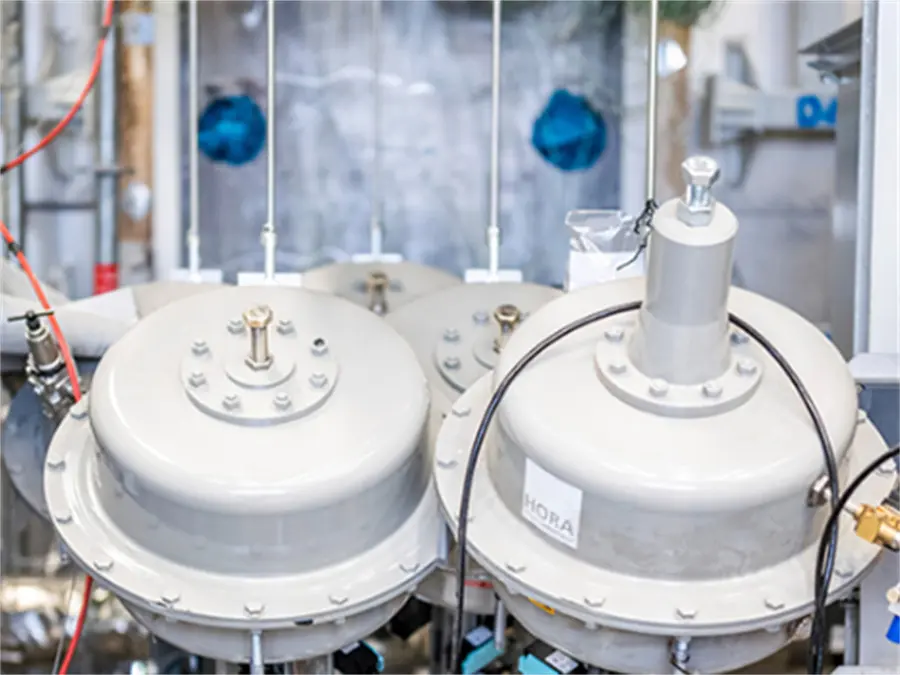
Exploring how advanced nitrate salt chemistry supports higher operating temperatures to improve thermal energy cycle efficiency.
Read Full Article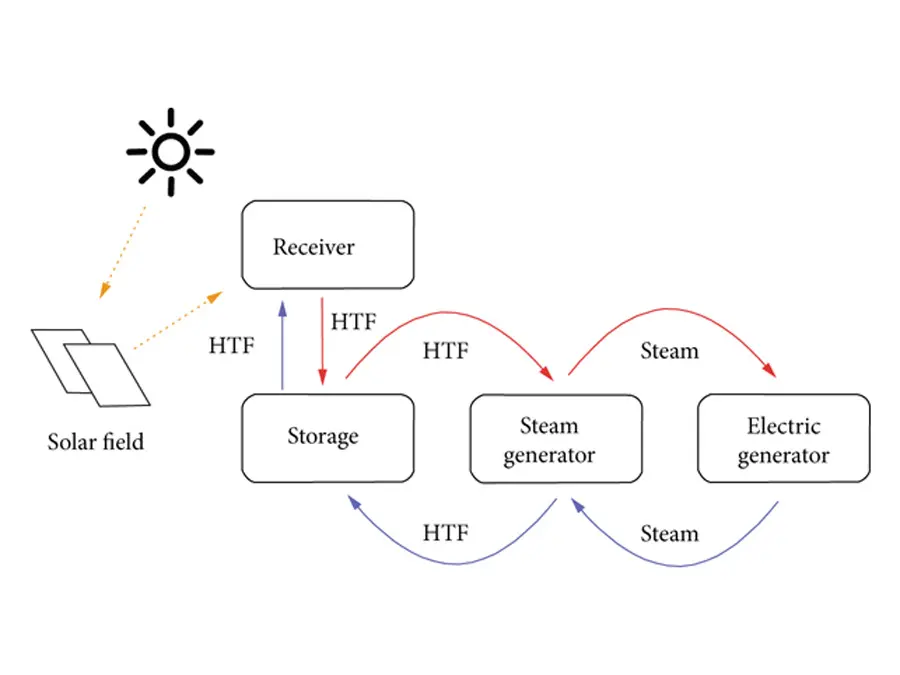
An in-depth look at how heliostat arrays and heat exchangers work together to convert and store solar energy.
Read Full Article
Analyzing the role of chemical storage media in supporting regional grid reliability alongside intermittent energy sources.
Read Full Article



Frequently asked questions concerning chemical composition, procurement logistics, corrosion management, and thermal operations.
The industry standard uses a eutectic ratio of 60% Sodium Nitrate (NaNO3) and 40% Potassium Nitrate (KNO3). This specific blend balances melting point (around 220°C) and stability up to 565°C, matching the requirements of large-scale steam generation systems.
Impurities like chlorides and sulfates can cause localized corrosion and scale build-up in high-temperature piping. Keeping chloride levels below 50 ppm helps protect stainless steel and nickel-alloy components, extending system lifespan.
To prevent freezing, system temperatures are maintained above 290°C using heat tracing systems. In the event of temporary shutdowns, the low-freezing eutectic composition of the salt helps minimize the energy needed to keep it fluid.
Nitrates are hygroscopic and require storage in clean, dry environments. Our industrial products are shipped in double-sealed, moisture-proof bags to prevent clumping during transit and long-term storage.
As an exporter supplying global projects, we ship in compliance with IMDG Class 5.1 guidelines. Our logistics network coordinates directly from our facility to major deep-water ports for efficient global distribution.
Yes. We work with clients to customize sodium, potassium, and calcium nitrate ratios. This allows partners to optimize chemical mixtures for specific temperature limits and mechanical configurations.
Browse our selection of specialized nitrates, mineral fertilizers, and refined industrial compounds manufactured to international standards.
 VOJIN
VOJIN