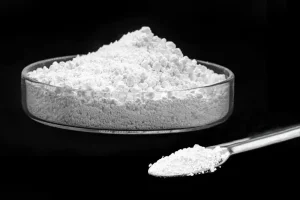
In the transition toward carbon-neutral industrial economies, industrial heating, and utility-scale energy storage, molten salts have evolved from niche chemical compounds to critical strategic assets. High-temperature Heat Transfer Fluids (HTFs) and Thermal Energy Storage (TES) media depend fundamentally on the quality, purity, and thermal resilience of bulk chemical compounds. Industrial buyers face rigorous compliance and performance benchmarks when vetting wholesale manufacturers. Operational integrity in Concentrated Solar Power (CSP) plants and industrial waste heat recovery relies heavily on salt mixtures that can perform reliably for decades under extreme conditions.
Procurement teams must prioritize parameters far beyond simple bulk pricing. The chemical makeup—specifically minimizing corrosive impurities like chlorides, fluorides, and carbonates—determines the operational lifespan of the entire piping and storage infrastructure. As a premier global manufacturer, Shanxi Vojin New Materials meets these high standards by engineering industrial and solar-grade salts that minimize downtime, prevent piping degradation, and offer predictable thermal properties.
Our molten salts maintain low levels of structural impurities (Chlorides < 100 ppm, Carbonates < 0.1%), preventing systemic corrosion in alloy heat exchangers at temperatures up to 565°C.
Managing specialized logistics for bulk agricultural and industrial-grade nitrate compounds, delivering to regional ports with strict anti-caking packaging and environmental control systems.
ISO-certified manufacturing plants with continuous analytical validation, ensuring each batch aligns with global technical datasheets and environmental safety mandates.
Enterprise procurement requirements differ significantly based on the intended application. For example, in the metal heat treatment or industrial chemical synthesis sectors, commercial grades of sodium nitrate and potassium nitrate are common. In contrast, CSP solar-grade nitrate mixtures demand custom-synthesized purity levels. Trace moisture in these mixtures must be kept under 0.1% to prevent hydrolytic corrosion, and nitrate compounds must remain stable through thousands of thermal cycles between 220°C and 565°C.
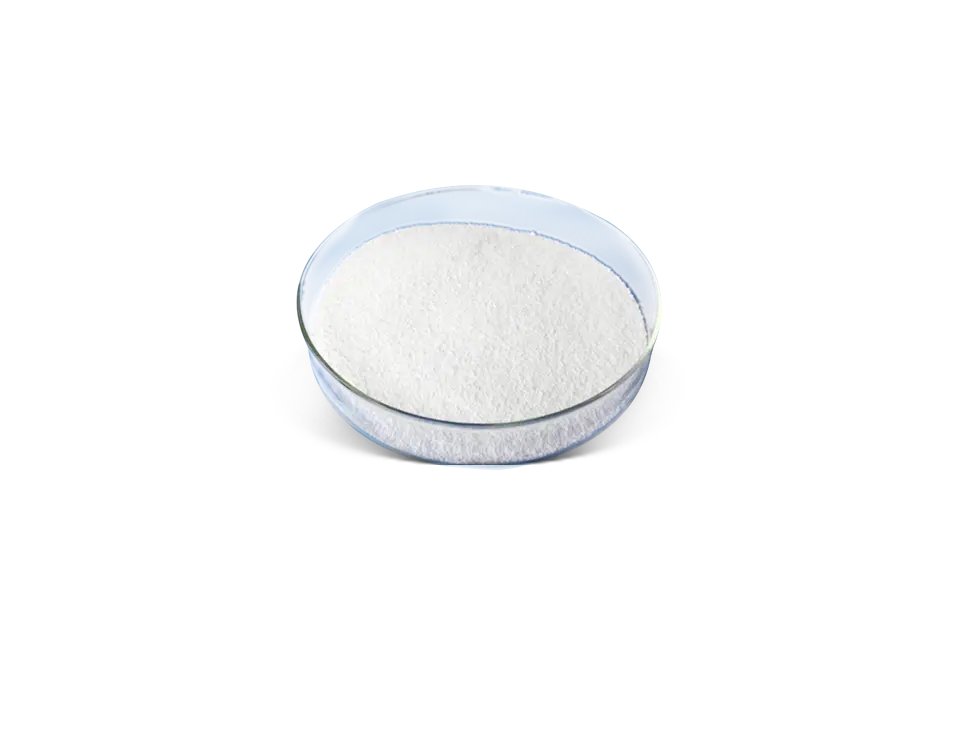

The applications for modern inorganic salts span several high-performance industries. The choice of salt blend directly influences thermodynamics, heat transfer rates, and material compatibility across various operational contexts.
Modern renewable energy grids require effective stabilization to match supply with demand. Binary solar salt mixtures (60% Sodium Nitrate, 40% Potassium Nitrate) function as both the heat transfer fluid and the thermal storage medium in solar towers and parabolic trough installations. These mixtures absorb solar radiation, direct it to storage tanks, and generate superheated steam to drive electric turbines on demand, even when the sun is not shining.
High-purity potassium nitrate is vital for the chemical tempering of display glass used in smartphones, automotive panels, and protective instrumentation. In a molten potassium nitrate bath at temperatures around 400°C, smaller sodium ions on the glass surface are replaced by larger potassium ions from the bath. This ion-exchange process creates a compressed surface layer, significantly increasing the glass's resistance to drops, scratches, and mechanical stress.
In heavy industrial processing, molten salt loops provide safe, pressure-free heat transfer at temperatures that would vaporize water or thermal oils. This makes them ideal for chemical synthesis, high-temperature gasification, and waste heat recovery in coal-to-chemical plants. The absence of high-pressure lines reduces structural risks while maintaining stable temperatures for sensitive chemical reactions.
The molten salt industry is advancing rapidly toward higher operating temperatures and more stable eutectic chemical mixtures. Standard binary nitrate salts function effectively between 220°C and 565°C. However, next-generation CSP towers and industrial reactors are pushing for operating limits beyond 600°C to maximize power cycle efficiency.
This push for higher temperatures is driving research into new chemical formulations. Multi-component eutectic mixtures—combining nitrates with nitrites, calcium salts, or chlorides—are designed to lower the freezing point (reducing the energy needed to keep the system molten) while raising the upper thermal decomposition threshold.
Our research and development program focuses on three main technical areas:
Our years of manufacturing experience and refined products provide you with better performance

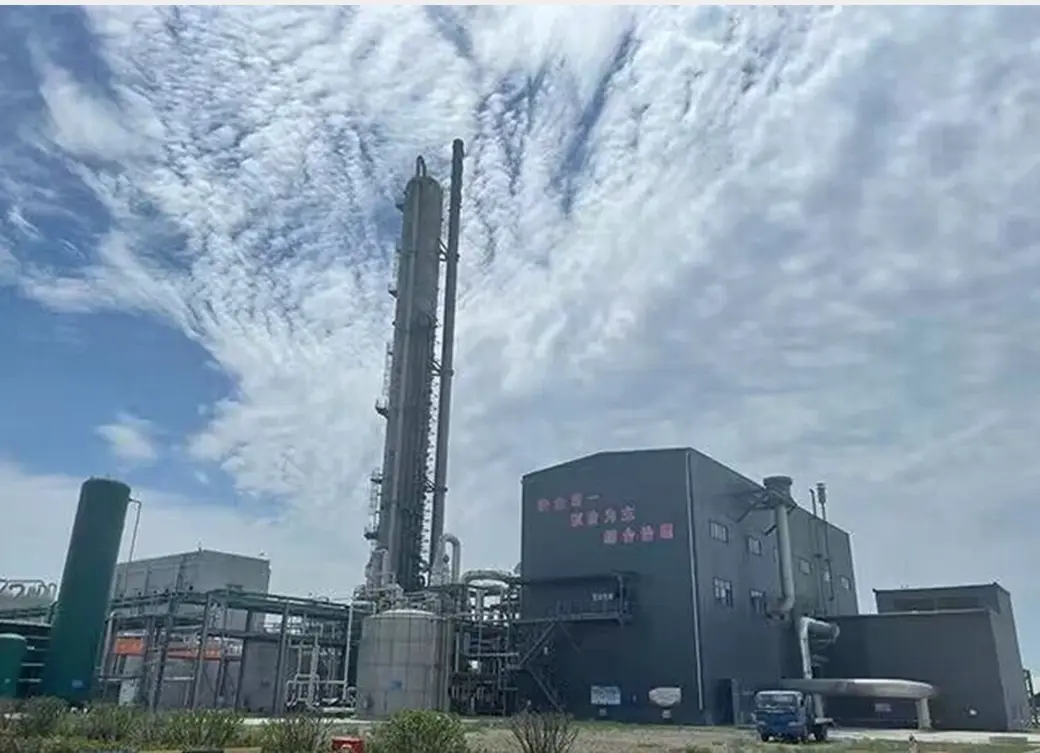
Driven since 2000, we have been committed to the entrepreneurial spirit and passion for innovation. Our team takes pride in delivering dependable products and services with a quality distinction in thermal energy storage & water-soluble fertilizer industries globally.
We operate fully automated manufacturing plants equipped with advanced crystallization and purification systems. This enables us to maintain a reliable supply of sodium nitrate, potassium nitrate, and potassium carbonate, meeting both industrial specifications and solar-grade purity standards.

Integrated experience on exporting operation. Always assure your customers good quality.

Annual output 600,000 Ton Molten salts to secure your high volume commercial demand.
Experienced technology skill & service team. Quick response to our global customers.
Multiple items for selection such as KNO3, NaNO3 to meet various industrial needs.
Industrial chemicals are subject to strict regulatory oversight worldwide. As a responsible chemical supplier, Shanxi Vojin New Materials ensures all products comply with regional safety standards, handling regulations, and import requirements.
Our global compliance system covers several key areas:
The technology can operate at higher temperatures, which has an impact on the efficiency...
View More →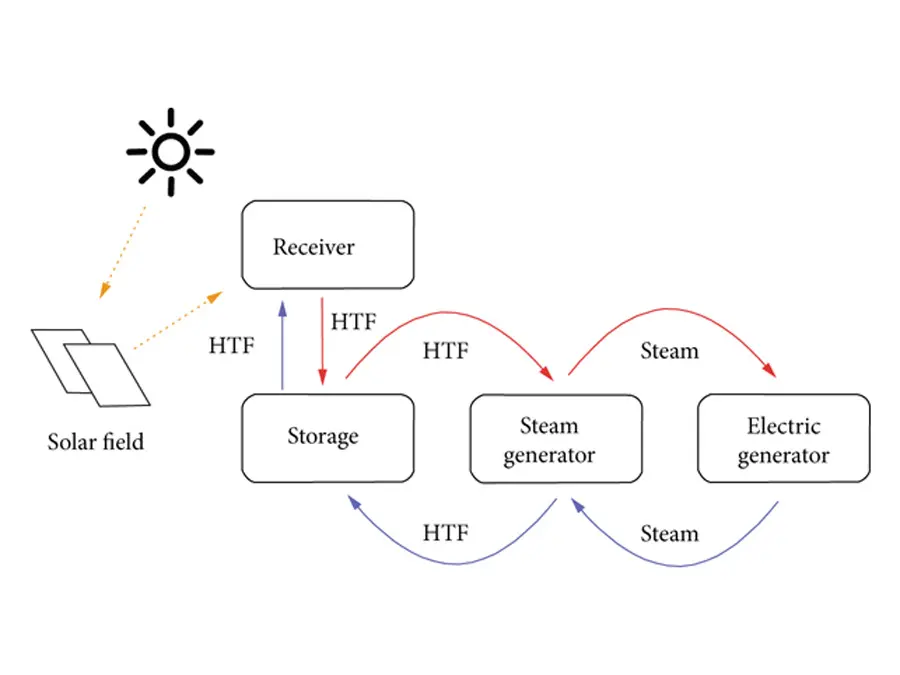
A concentrated solar power plant converts solar energy to electricity. It is based on...
View More →
Molten salt energy storage has emerged as a promising solution for enhancing the efficiency...
View More →Standard solar molten salt is a binary eutectic mixture consisting of 60% Sodium Nitrate (NaNO3) and 40% Potassium Nitrate (KNO3) by weight. This formulation has a melting temperature of roughly 220°C and remains thermally stable up to 565°C, making it suitable as both a heat transfer fluid and thermal storage medium.
Impurity control is critical. Chloride and fluoride ions break down the protective oxide layers on metal pipes, leading to pitting and stress corrosion cracking at high temperatures. Keeping chloride levels below 100 ppm helps protect stainless steel and alloy piping, ensuring a longer operational life.
Nitrate salts are naturally hygroscopic and prone to caking. We package our bulk shipments in moisture-resistant bags with internal polyethylene liners. Under humid shipping conditions, we can include anti-caking agents to ensure the product remains free-flowing upon delivery.
Yes, adding Calcium Nitrate creates a ternary salt mixture. This addition lowers the freezing point of the mixture to around 130°C to 150°C. This lower freezing point reduces the energy required to keep the system molten, though it slightly lowers the maximum stable operating temperature compared to binary mixtures.
We provide comprehensive documentation for our shipments, including ISO 9001 and ISO 14001 certifications, detailed batch Certificate of Analysis (COA) sheets, safety data sheets (SDS), and REACH registration documents for shipments into European markets.
As Class 5.1 oxidizers, nitrates must be kept away from combustible organic materials, strong acids, and open flames. We transport our products in compliance with international maritime hazardous goods codes (IMDG), using certified containers and experienced shipping partners.






 VOJIN
VOJIN