VOJIN
VOJIN

The Definitive Guide to Molten Salt Lifetime Optimization in Modern High-Temperature Systems
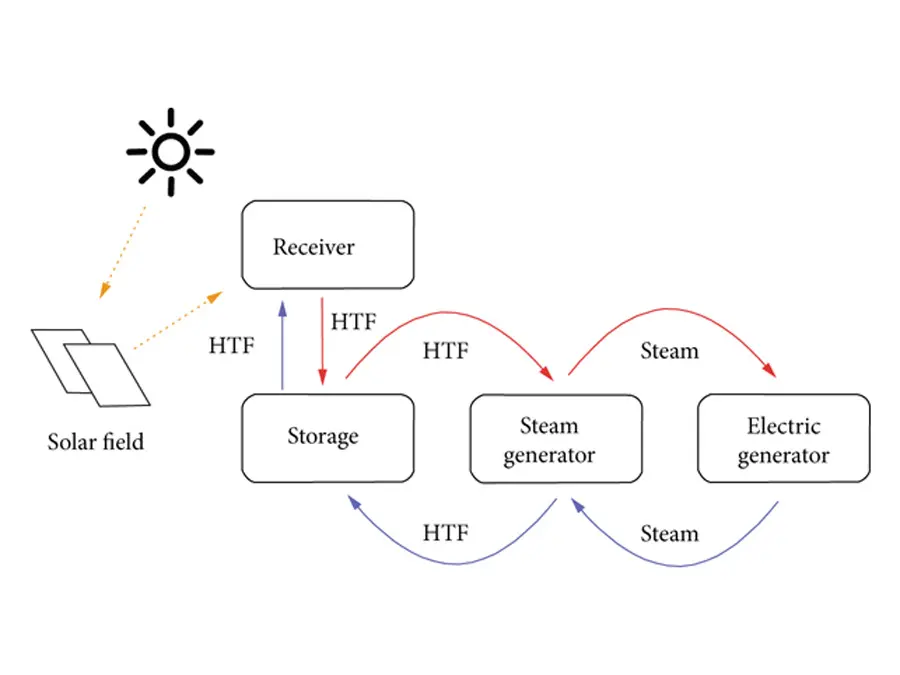
In the transition toward carbon neutrality, thermal energy storage (TES) technologies have emerged as the cornerstone for baseload solar generation, industrial grid stabilization, and waste-heat recovery. The effectiveness of these systems depends on the thermal carrier fluid used: molten salts. The critical challenge facing plant operators and EPC contractors is the molten salt lifetime, which directly impacts the return on investment (ROI), operational expenses (OPEX), and safety margins of utility-scale thermal plants.
What Determines Molten Salt Lifetime?
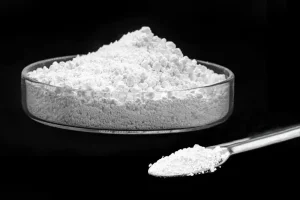
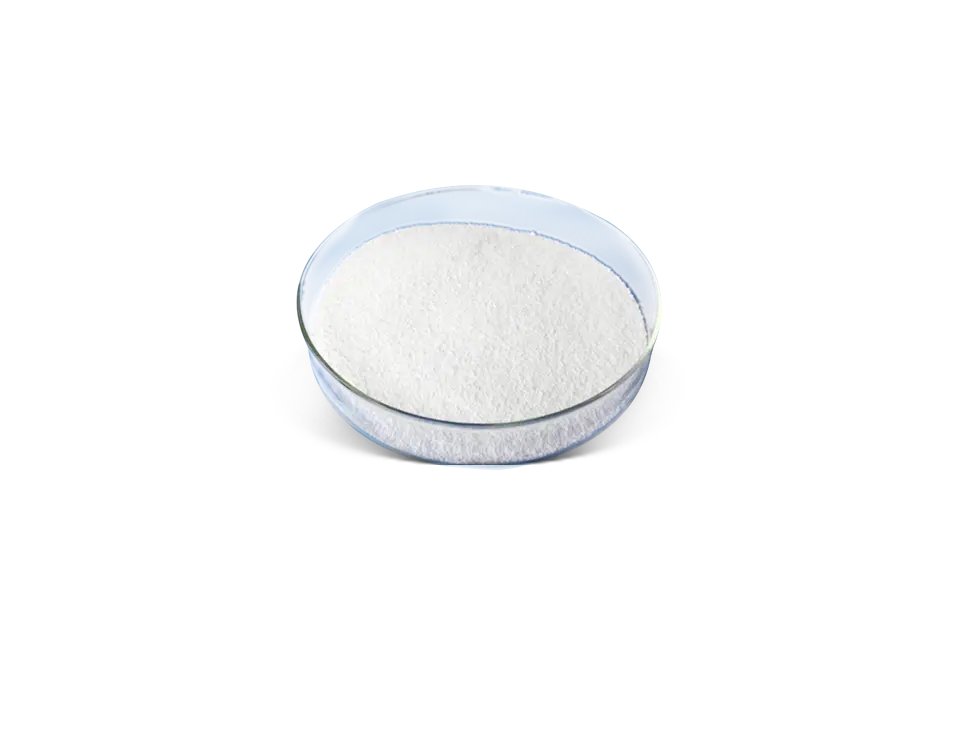
Molten salt degradation is a chemical process influenced by peak operating temperatures, exposure to atmospheric impurities (such as moisture and carbon dioxide), and contact with structural alloy materials. As solar salts—typically a eutectic binary mixture of 60% Sodium Nitrate (NaNO3) and 40% Potassium Nitrate (KNO3)—undergo thermal cycling between 290°C and 565°C, thermal decomposition occurs, leading to the formation of nitrites, oxides, and carbonates. Managing this equilibrium is essential to preventing corrosion and preserving thermal storage capacity.
Global Commercial and Industrial Dynamics of Molten Salt Energy Storage
The global demand for high-purity molten salts has grown significantly, driven by the expansion of Concentrated Solar Power (CSP) configurations, especially in regions with high direct normal irradiance (DNI). Today's market extends beyond CSP. Multi-gigawatt initiatives in China’s western deserts, North Africa, the Middle East (MENA), and the United States Southwest are using molten salts to store surplus renewable energy for industrial process heat, green steam generation, and grid stabilization.
Additionally, the nuclear industry is turning to Molten Salt Reactors (MSRs) as a safer, more efficient alternative to water-cooled options. The high boiling points of chloride and fluoride salts prevent pressurized accidents, presenting a new frontier for molten salt demand. In the chemical and metal industries, molten salts are also widely utilized for vulcanization, metal heat treatment, and glass strengthening, demonstrating their versatility across industrial sectors.
High Thermal Stability
Formulated with precise ratios of sodium and potassium nitrates to minimize thermal degradation up to 600°C.
Low Corrosivity
Strict control over chloride and carbonate impurities reduces the oxidation rate of alloy pipes and storage tanks.
Optimal Cycle Density
Offers high specific heat capacity and sensible heat density, lowering the required salt volume per megawatt-hour.
Technical Roadmap and Lifetime Extension Chemistry
Extending the lifespan of molten salts requires active chemical management. Industrial-grade salts often contain trace levels of chlorides, sulfates, and moisture. These impurities accelerate the corrosion of steel piping (such as ASTM A312 TP347H stainless steel) commonly used in hot storage tanks. When chloride concentrations exceed 0.05%, protective chromium oxide layers on metal alloys break down, leading to pitting corrosion.
Our research and development program focuses on three main chemical parameters:
- Thermal Decomposition Suppression: Adding chemical stabilizers to suppress the reversible reaction NO3- ⇔ NO2- + 1/2 O2, keeping the nitrite conversion rate below threshold levels.
- Impurity Control: Using advanced double-crystallization techniques to limit chloride impurities to less than 100 ppm, reducing corrosion rates and preserving alloy structural integrity.
- Gas Sparging & pH Maintenance: Injecting specific gas mixtures into the headspace of storage tanks to shift the chemical equilibrium away from corrosive oxide ions (O2-).
Global Supply Chain & Shanxi Vojin New Materials Factory Capabilities
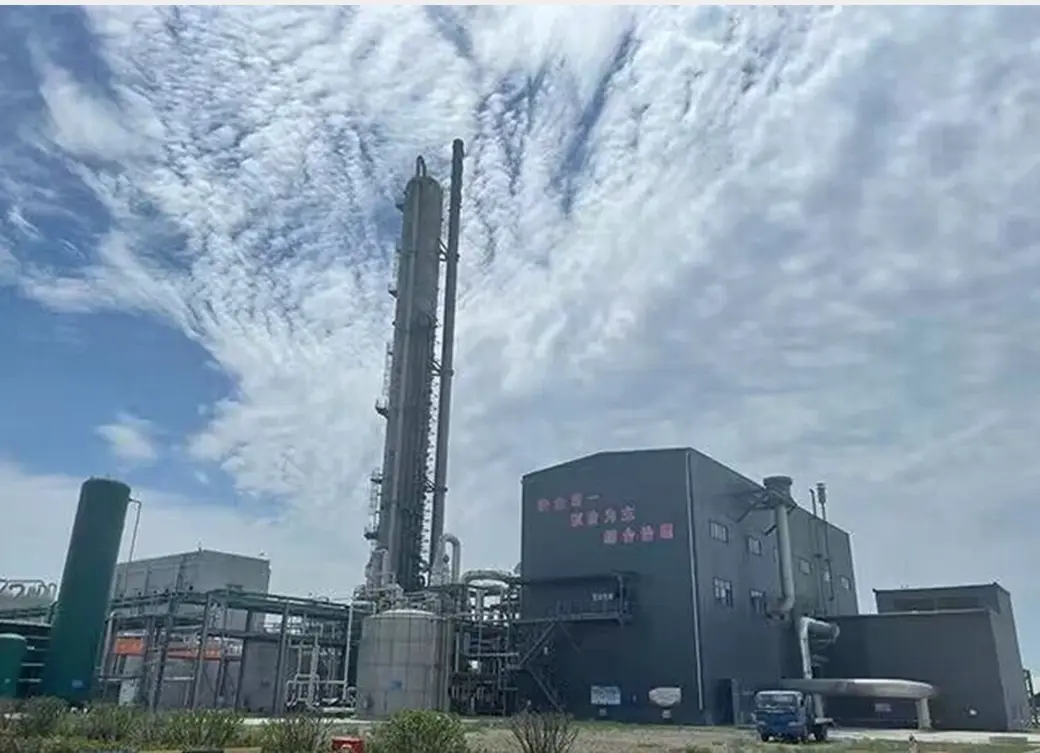
Developing reliable molten salt systems requires a dependable supply chain. Shanxi Vojin New Materials Co., Ltd. offers over 15 years of chemical manufacturing experience, operating a 1000-acre facility with an annual capacity of 600,000 tons. This production volume supports large-scale thermal energy projects worldwide, ensuring consistent chemical quality and timely delivery.
Our quality management systems monitor trace elements from raw material sourcing through to the final product. Every batch of Solar Salt undergoes rigorous testing, including inductively coupled plasma (ICP) spectroscopy and ion chromatography, to confirm purity. This process ensures the material is ready for high-temperature service immediately upon arrival.