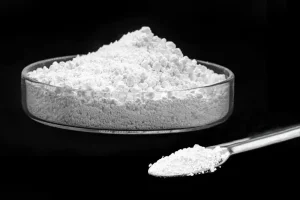
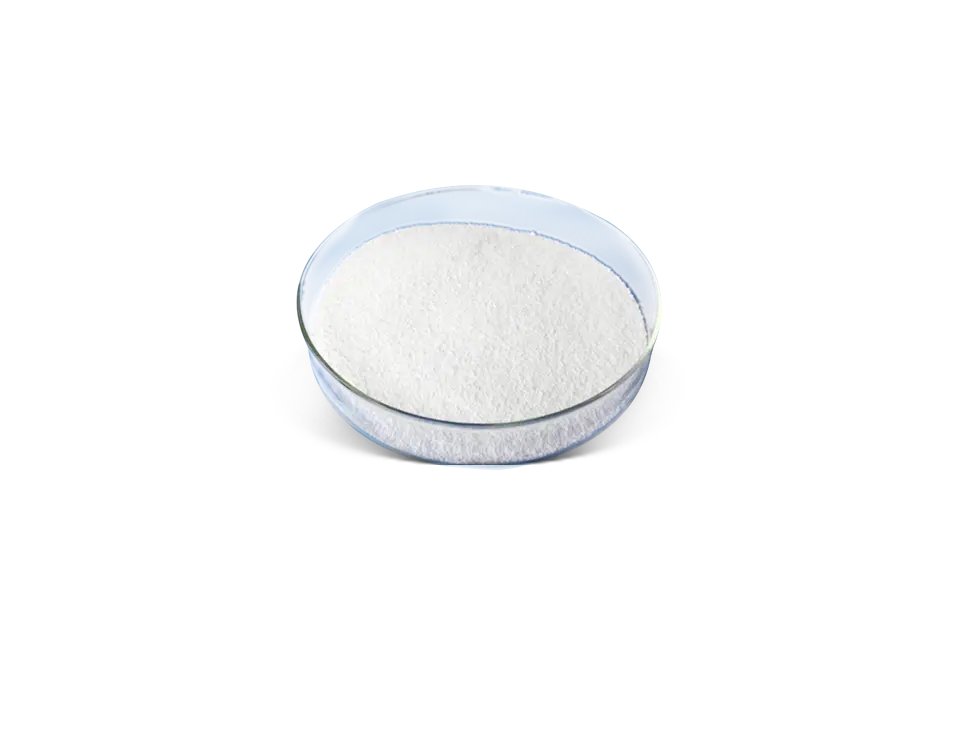
Explore our premium selection of industrial-grade and food-grade nitrates and carbonate compounds synthesized for optimal thermal stability and heat transfer efficiency.
Molten salt technology has shifted from a niche chemical application to the center stage of the global energy transition. Primarily used as a thermal energy storage (TES) medium in Concentrated Solar Power (CSP) plants, molten salt offers high thermal capacity, wide operating temperatures, and exceptional system stability. However, the performance of molten salt thermal networks hinges heavily on chemical purity and trace impurity mitigation.
When sourcing molten salts on a global wholesale scale, procurement teams must prioritize factories that implement advanced purification protocols. The presence of excess chlorides, carbonates, or moisture can lead to rapid equipment corrosion, shortened system lifespans, and dramatic declines in thermal conversion rates. This whitepaper analyzes how high-purity inorganic nitrates ensure operational efficiency, explore regional manufacturing dynamics, and provide strategic sourcing pathways for global engineering enterprises.
Purity Range: Solar-grade Binary salts (usually 60% NaNO3 and 40% KNO3) require minimum purities of 99.5% to minimize slagging and crystallization anomalies.
Corrosive Ion Limits: Chlorides (Cl-) and Sulfates (SO4 2-) must be strictly maintained under 100 ppm, and ideally under 50 ppm, to prevent high-temperature stress corrosion cracking in stainless steel piping.
Thermal Operations: Operates efficiently between 220°C (liquidus phase threshold) and 565°C without decomposing, making it ideal for continuous thermal retention.
Our tailored chemical solutions are implemented in key high-temperature industries, clean energy grids, and high-yield agricultural ecosystems.
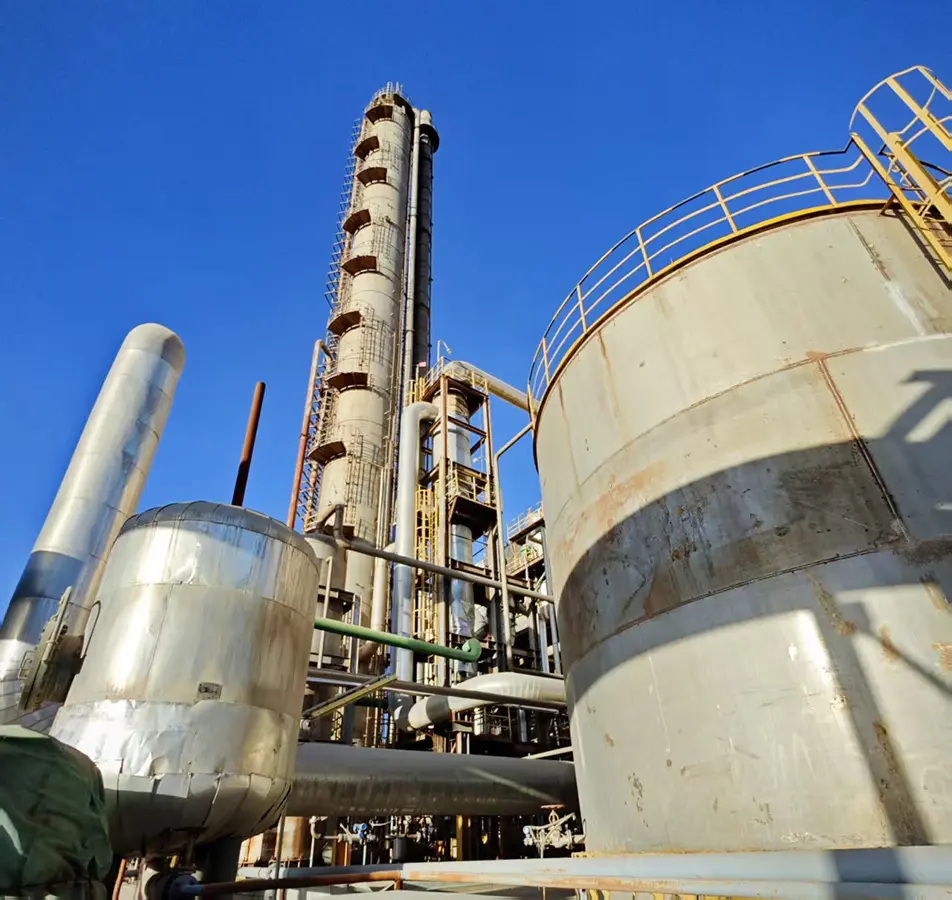
Evaluating the supply chain integration, raw material clusters, and technology-driven manufacturing capacities that place Chinese factories at the global core of nitrate production.
Most advanced molten salt and nitrate production factories in China are located in resource-rich provinces like Shanxi and Qinghai. Shanxi, in particular, acts as a primary global hub for synthetic potassium nitrate and sodium carbonate production due to its massive coal-based chemical industry and local minerals. This regional concentration minimizes cross-provincial logistics fees for raw materials, ensuring a highly competitive wholesale price structure for international buyers.
Chinese manufacturers have pioneered continuous vacuum crystallization technologies that allow high-speed refining of industrial-grade nitrates into solar-grade purity levels. By utilizing computerized fractional crystallization, factories can selectively remove iron, sodium, and chloride ions at a fraction of the cost of traditional recrystallization. This enables the scaling of production lines to match massive global renewable energy project requirements.
Unmatched volume stability is another key advantage. While European and North American facilities operate with smaller, batch-based systems, Chinese factories support annual capacities upwards of 600,000 metric tons. This ensures that mega-scale thermal solar arrays requiring 30,000 to 50,000 tons of molten salt in a single construction phase can be serviced seamlessly without long delays or batch inconsistency.
Driven since 2000, we have been committed to the entrepreneurial spirit and passion for innovation. Our team takes pride in delivering dependable products and services with a quality distinction in thermal energy storage and water-soluble fertilizer industries globally. Headquartered in the chemical manufacturing heartland of Shanxi, we leverage local resource wealth and premium refining systems to produce specialized inorganic salts.
As a certified manufacturer, we understand that client requirements vary across different thermal storage formats, industrial processing plants, and localized farming systems. We actively collaborate with international research institutes and design offices to develop low-corrosivity, custom eutectic mixtures, solidifying our reputation as a trusted global raw materials supplier.

Integrated experience on exporting operations. Always assure your customers of premium global quality and smooth customs compliance.
An annual output of 600,000 tons of molten salts and related chemical products ensures scalability for mega-scale international contracts.
Experienced technology skill & service team with a quick response to our customers. Specialized post-purchase technical consulting.
Multiple items for selection such as KNO3, NaNO3, and various water-soluble fertilizers to meet different customer needs.
The global molten salt sector is witnessing a rapid transition toward high-temperature operating cycles. Gen-II CSP plants, which use binary solar salts, are limited to peak temperatures of around 565°C to avoid nitrate decomposition. However, upcoming Gen-III systems aim to reach over 700°C by utilizing novel eutectic salt formulations (including chloride-based and carbonate-based salts) paired with specialized high-temperature metallurgy.
Another major trend is the hybridization of molten salt thermal storage with photovoltaic (PV) solar and wind energy. Rather than storing solar thermal energy directly, these facilities use surplus electricity from wind and PV during off-peak hours to heat molten salt via electrical heaters. This stored thermal energy can later drive steam turbines during peak demand periods, effectively transforming molten salt arrays into massive, non-chemical thermal batteries.
Modern industrial zones and processing plants face distinct geographical and environmental challenges. In cold northern climates (e.g., Northern Europe, Northern China, Canada), the high freezing point of standard solar salts (approx. 220°C) presents a significant operational risk of freeze-up inside the piping systems. For these regions, manufacturers are designing specialized ternary salts (adding Ca(NO3)2 or other nitrates) to drop the liquidus point below 150°C, lowering trace heating energy costs.
Conversely, in arid desert zones (e.g., MENA region, South Africa, Atacama Desert), plants encounter extreme daytime temperatures. Sourcing teams in these areas prioritize salts with high heat capacity and low evaporation rates to ensure stable operation inside receiver tubes under intense concentrated solar rays.
For heavy industries looking to decarbonize their heat and steam networks, replacing traditional coal-fired boilers with Molten Salt Heat Storage provides a zero-emission alternative. Coal power plants slated for decommissioning can be repurposed into thermal energy storage installations. By retaining the existing steam turbines and generator sets, and replacing the coal boilers with a molten salt thermal core heated by renewable energy, grids can save up to 60% of the capital expenditure associated with building new utility-scale energy storage.
Furthermore, waste heat recovery systems in steel production, cement processing, and glass manufacturing can channel hot flue gases through molten salt heat exchangers, storing excess thermal energy for later electricity generation or district heating networks.
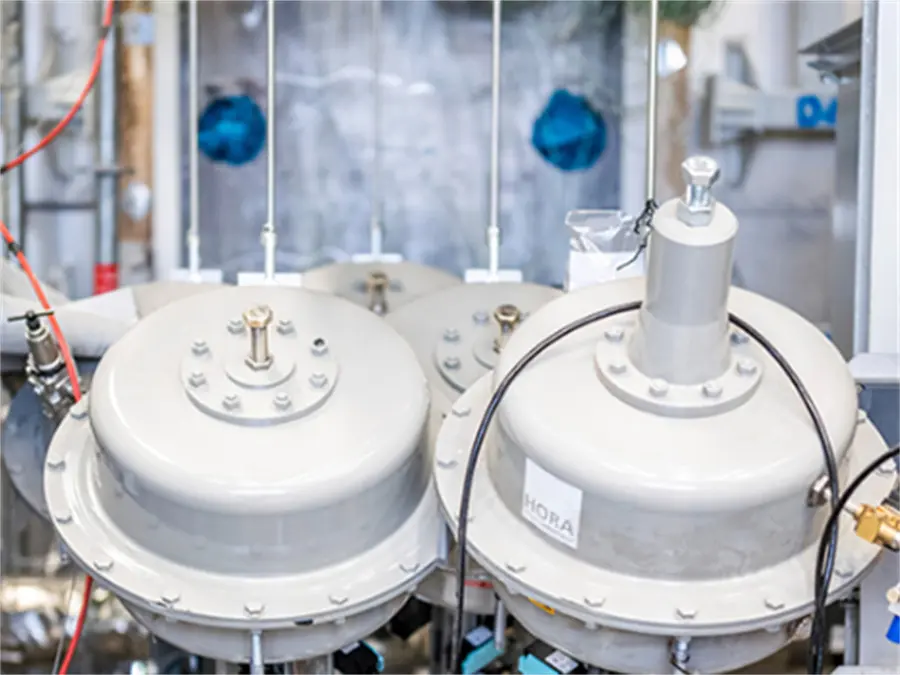
The technology can operate at higher temperatures, which has a positive impact on the efficiency of steam conversion and turbine output...
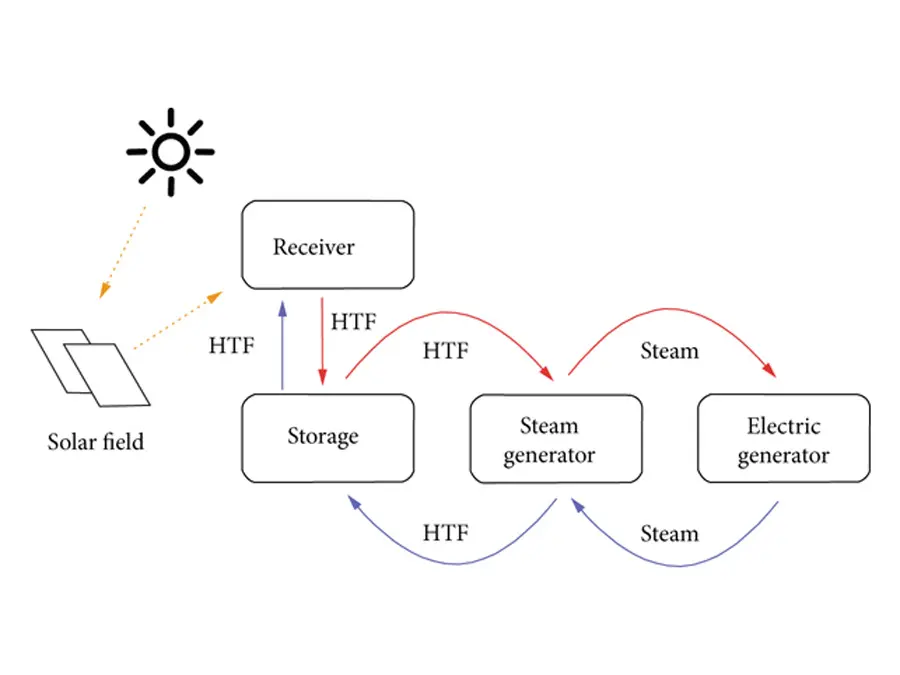
A concentrated solar power plant converts solar energy to electricity. It is based on advanced heliostat tracking and high thermal capacity...

Molten salt energy storage has emerged as a promising solution for enhancing the efficiency and dispatchability of grid-scale renewable installations...
A technical guide for EPC contractors and supply chain directors sourcing wholesale molten salts for power plants and industrial systems.
Every wholesale shipment must be accompanied by an ICP-OES (Inductively Coupled Plasma Optical Emission Spectrometry) certificate of analysis. Procurement teams must verify that the concentration of Halogens (specifically Chlorine and Fluorine) is kept under the threshold of 0.01% by weight. Elevated halide levels trigger localized pitting corrosion inside high-alloy heat exchangers and molten salt tanks, risking catastrophic system containment failure.
Because nitrates are highly hygroscopic, they quickly absorb moisture from the surrounding air. If molten salt is packed poorly during maritime transport, the material can clump and harden, complicating the tank loading process. Quality manufacturers utilize multi-layered container bags equipped with hermetic PE inner liners. Additionally, shipping containers should contain desiccant poles to control ambient relative humidity levels below 60%.
Importing thousands of tons of salt requires coordinate logistics. EPC planners must synchronize the arrival of salt with the mechanical completion of the thermal storage tanks. If the salt is unloaded and stored on-site for too long, weather-induced moisture can seep in. Optimal delivery pipelines use bulk shipping options combined with customized pneumatic conveyor unloading stations on-site to feed the melting furnaces directly.
Select factories that carry ISO 9001:2015, ISO 14001:2015, and ISO 45001:2018 certifications. A verified history of providing bulk materials to operational grid projects (proven track record) is the strongest indicator of trustworthiness. Request historical project references and performance data certificates to ensure the factory's capacity to deliver stable chemicals over the lifetime of a project.
Get professional, engineering-focused answers to the most common queries regarding bulk molten salt sourcing, chemistry, and thermal applications.
For many years, we have successfully responded to the requirements of reputed customers in the market.






Explore the remainder of our technical salt portfolio designed to service industrial chemical processes, agricultural fertilization, and water treatment plants.
 VOJIN
VOJIN