Premium grade industrial chemicals, nitrates, and water-soluble fertilizers optimized for modern thermal engineering and agricultural demands.
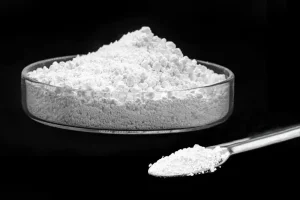
As the global community accelerates toward carbon neutrality, the integration of intermittent renewable energy sources—primarily solar photovoltaics (PV) and wind power—presents a fundamental engineering challenge: grid stabilization. The Middle East and North Africa (MENA) region, spearheaded by the United Arab Emirates (UAE), stands at the epicenter of this paradigm shift. The UAE's Energy Strategy 2050 targets a clean energy contribution of 44% to the national mix, demanding high-capacity, long-duration energy storage (LDES) infrastructure. Among all viable technologies, thermal energy storage (TES) utilizing molten nitrate salts has emerged as the most thermodynamically efficient and commercially viable utility-scale solution.
Molten salts serve a dual function in modern industrial energetics: they act as both heat transfer fluids (HTFs) and sensible heat storage media. In Concentrated Solar Power (CSP) systems, such as tower or parabolic trough plants, solar radiation is concentrated via heliostat fields to superheat a circulating medium. Eutectic molten salts, specifically mixtures of potassium nitrate (KNO₃) and sodium nitrate (NaNO₃), can operate at high temperatures exceeding 560°C without undergoing phase changes or high-pressure vaporization. This allows thermal power stations to store gigawatt-hours of thermal energy during peak sunlight hours and dispatch clean electricity continuously through the night or during periods of peak load, overcoming the classic limitation of solar energy.
Globally, the demand for industrial decarbonization has pushed molten salt applications beyond CSP. Heavy industries, including steel manufacturing, glass blowing, metal heat treatments, and chemical synthesis, are transitioning away from natural gas-fired boilers. Instead, they are integrating molten-salt loop heating systems powered by excess off-peak renewable electricity. This process electrification ensures that high-grade industrial steam and heat can be delivered on demand, reducing greenhouse gas emissions while optimizing operational expenditures.
Explore our core business segments providing foundational chemical materials for global industrial supply chains.
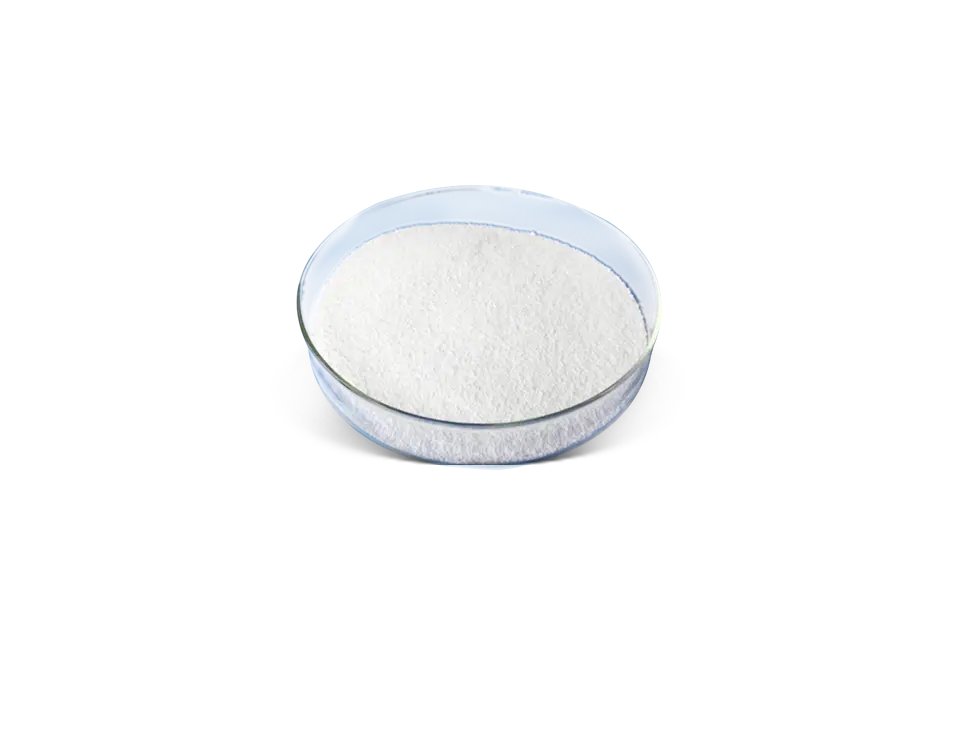
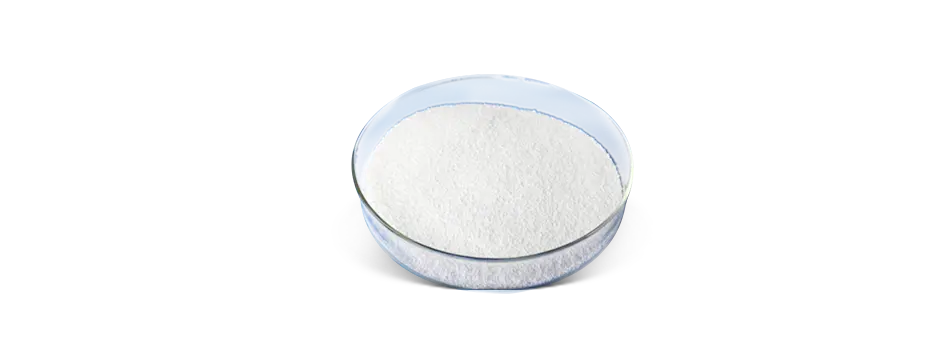
The performance of a molten salt thermal storage system depends heavily on the chemical purity and formulation of the salts. The industry standard, commonly referred to as "Solar Salt," consists of a binary eutectic mixture of 60% sodium nitrate (NaNO₃) and 40% potassium nitrate (KNO₃) by weight. This specific ratio is chosen because it minimizes the melting point of the mixture to approximately 220°C while maintaining thermal stability up to 585°C. Lowering the melting point prevents accidental freezing in pipelines, while maximizing the upper temperature limit allows a wider operational temperature range (ΔT), which directly increases the energy storage capacity of the storage tanks.
At Shanxi Vojin New Materials Co., Ltd., our manufacturing processes ensure that chemical impurities—specifically chlorides, sulfates, and moisture—are kept within strict parameters. Chlorides (Cl⁻) are the primary cause of high-temperature corrosion in stainless steel storage tanks and pipes. If chloride levels exceed 50 ppm, the rate of corrosion increases significantly, leading to stress corrosion cracking and premature failure of heat exchangers. Our proprietary refining technology reduces chloride levels to under 30 ppm, extending the lifespan of critical plant components to over 30 years.
Furthermore, maintaining low moisture content is critical. Moisture introduces hydroxide impurities, which accelerate corrosive reactions and lower the thermal efficiency of the salt. We enforce a drying and crystallization protocol that guarantees moisture levels below 0.1% upon dispatch. Through continuous chemical testing using advanced ion chromatography and inductively coupled plasma (ICP) spectroscopy, we provide global and UAE energy clients with consistent chemical specifications that perform reliably under cyclic thermal loading.
High-temperature molten salts and inorganic chemical solutions applied across heavy industry, energy, and advanced agricultural systems.
Optimized binary and ternary salt mixtures providing bulk sensible heat storage for CSP towers, parabolic trough collectors, and electrical grid balancing systems.
High-purity potassium nitrate used in chemical strengthening glass baths, ensuring optimal ion exchange and structural durability for modern touchscreens.
Eutectic molten salt heat transfer loops replacing traditional direct-fired heaters to generate zero-emission industrial steam, heat, and synthetic fuels.
Providing essential potassium and nitrogen nutrients via highly soluble formulations for drip irrigation, greenhouse hydroponics, and specialty crops.
Sourcing chemical compounds on a multi-ton scale requires rigorous procurement oversight, quality verification, and secure supply chain logistics. For solar thermal developments and chemical processing facilities in the UAE (including Dubai, Abu Dhabi, and Sharjah industrial zones), delays in material delivery or receipt of off-specification batches can stall project commission timelines and incur significant financial penalties. Shanxi Vojin New Materials Co., Ltd. has established a reliable end-to-end supply chain framework that addresses these challenges directly.
Our manufacturing facilities, located in Shanxi, China—the global heartland of premium nitrate mining and refining—benefit from direct access to raw materials and specialized chemical freight infrastructure. We maintain an annual production capacity of 600,000 metric tons of molten salts and related nitrates, allowing us to fulfill large-scale orders without production bottlenecks.
To ensure that the chemical composition remains unchanged during transit, we utilize moisture-resistant packaging designs. Molten salts are naturally hygroscopic and tend to cake when exposed to humid sea air during maritime shipping. We package our products in 25kg, 500kg, or 1000kg heavy-duty woven polypropylene bags with double-layered internal polyethylene liners. Additionally, we offer customized bulk containers equipped with desiccant systems to prevent crystallization and clumping.
Our logistics team manages shipping processes from the factory to key UAE ports, including Jebel Ali Port in Dubai and Khalifa Port in Abu Dhabi. We coordinate all import clearances, hazardous material documentation, and customs protocols to ensure that shipments arrive at construction sites on schedule.
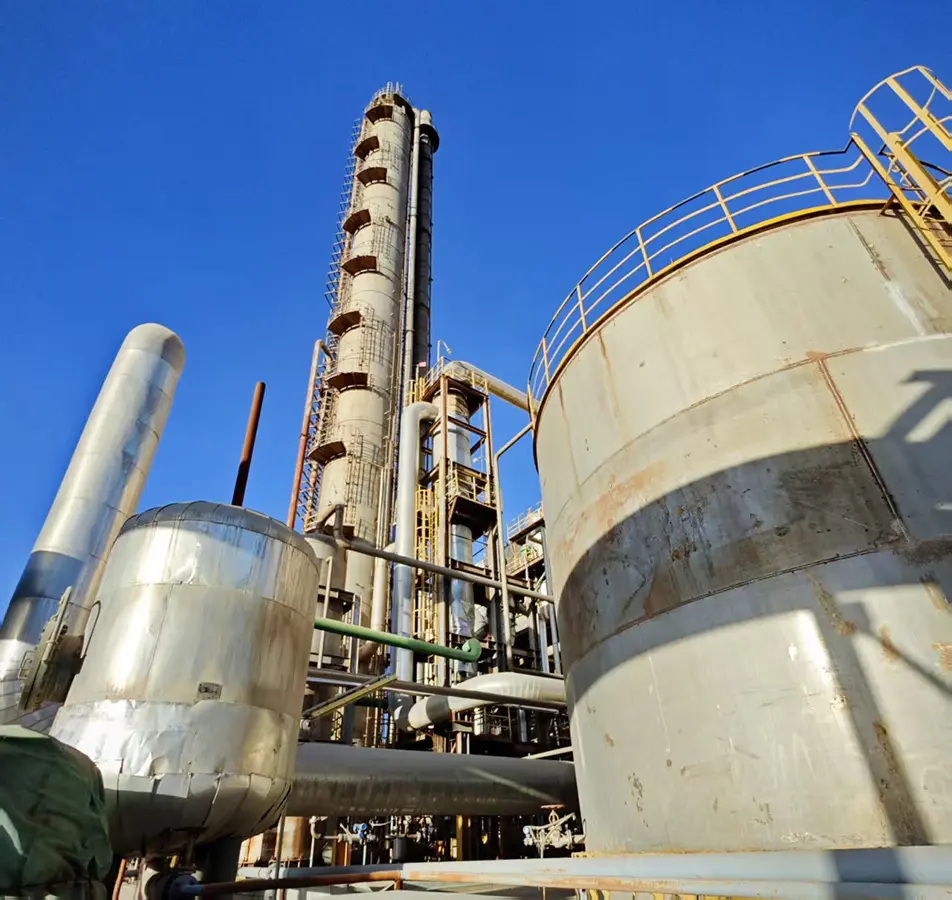
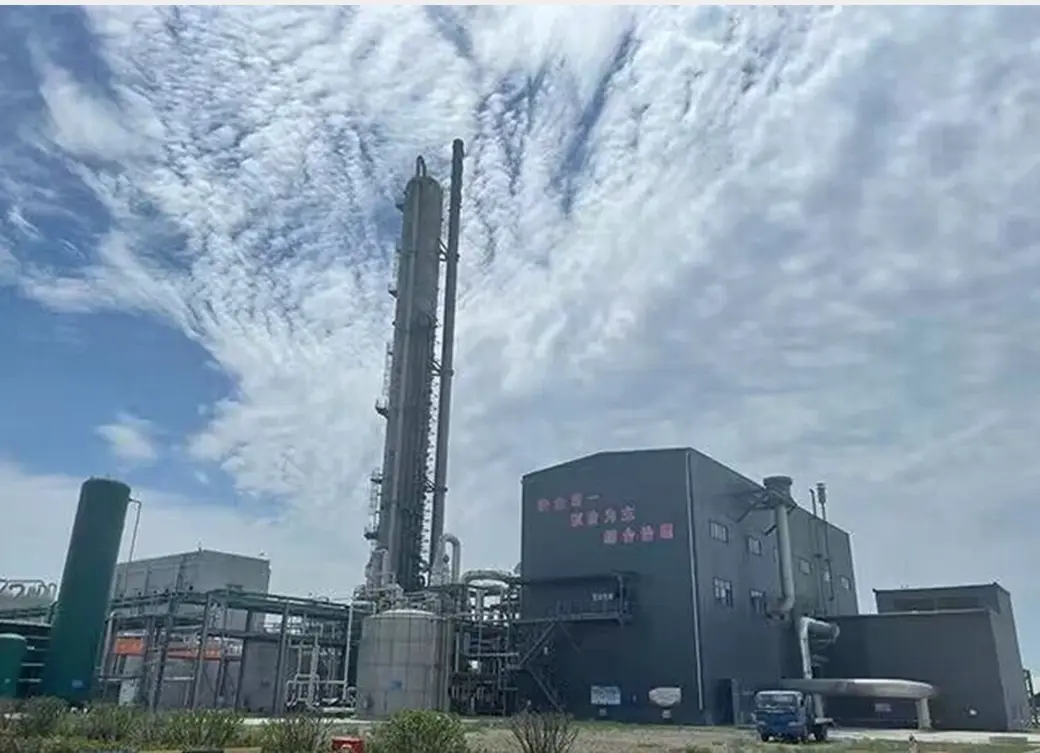
Driven since 2000, we have been committed to the entrepreneurial spirit and passion for innovation. Our team takes pride in delivering dependable products and services with a quality distinction in thermal energy storage & water-soluble fertilizer industries globally. With decades of material refining experience and state-of-the-art production lines, we support large-scale industrial projects with tailored chemical solutions that meet strict global standards.
View Corporate ProfileAs thermal power engineering demands higher operating temperatures to improve thermodynamic steam cycle efficiencies (such as transitioning from subcritical steam to supercritical steam), researchers and manufacturers are developing new chemical formulations to expand the thermal boundaries of standard binary solar salts. Standard solar salt degrades when heated above 600°C due to the thermal decomposition of nitrate ions into nitrites, which releases oxygen gas and alters the physical properties of the mixture. This chemical degradation increases corrosion rates and reduces the heat capacity of the system.
To address these operational limits, our technical team is researching ternary and quaternary eutectic mixtures. By combining calcium nitrate [Ca(NO₃)₂] or lithium nitrate [LiNO₃] with sodium and potassium nitrates, we can lower the melting point of the mixture to below 120°C. This lower melting point reduces the energy required to heat the pipes and prevents freezing risks. Concurrently, we are exploring chloride-based and carbonate-based salts for ultra-high temperature applications reaching 700°C to 900°C, which are needed for next-generation Concentrated Solar Power (CSP) systems and Gen-IV nuclear reactors.
Our development roadmap focuses on optimizing:
Our manufacturing experience and refined products provide you with better performance
Operating within the UAE industrial sector requires strict adherence to federal and local environmental, health, and safety regulations. The import, storage, and handling of bulk industrial nitrates are subject to oversight by the Ministry of Industry and Advanced Technology (MoIAT), the Federal Authority for Nuclear Regulation (FANR) where applicable, and municipality environmental protection departments, including the Dubai Municipality and Abu Dhabi Environment Agency (EAD).
Because nitrates are oxidizers, they are classified under Class 5.1 of the International Maritime Dangerous Goods (IMDG) code. Safe storage and handling are critical to prevent accidents. Shanxi Vojin New Materials Co., Ltd. provides detailed safety documentation, including comprehensive Safety Data Sheets (SDS) that comply with the Globally Harmonized System (GHS), and certificates of analysis (CoA) for every shipped batch.
Key storage and handling requirements for molten salt operations include:
We coordinate with local UAE engineering partners to assist with initial salt melting processes during plant commissioning. Our technical advisors help manage the initial heating cycle of storage tanks, ensuring that moisture is safely driven off before the system reaches operating temperatures.
Partnering with Shanxi Vojin ensures reliable supply, high chemical purity, and comprehensive technical support.
Integrated experience on exporting operation. Always assure your customers good quality, compliant customs declarations, and optimized transit routes.
Annual output of 600,000 Tons of molten salts and industrial nitrates, ensuring stable supply for gigawatt-scale thermal storage projects.
Experienced technology skill & service team. Quick response to our customers' chemical inquiries, formulations, and logistics planning.
Multiple high-purity chemical items for selection such as KNO3, NaNO3, Ca(NO3)2 to meet various thermal, industrial, and agricultural needs.
Critical chemistry, operation, and logistics questions answered by our material science engineers.
Standard solar salt is a binary eutectic mixture of 60% sodium nitrate (NaNO₃) and 40% potassium nitrate (KNO₃) by weight. This composition minimizes the melting point of the mixture to approximately 220°C and maintains thermal stability up to 585°C, providing a wide operational temperature window for heat transfer systems.
Chlorides (Cl⁻) and sulfates (SO₄²⁻) are highly corrosive to stainless steel and high-nickel alloys at temperatures above 300°C. High chloride levels cause pitting and stress corrosion cracking in pipes and storage tanks. Keeping chloride levels below 30–50 ppm extends the operational lifespan of the system components and reduces maintenance costs.
Nitrates are hygroscopic and can absorb moisture, leading to clumping. We package our products in heavy-duty woven polypropylene bags with double-layered internal polyethylene liners. We also offer bulk container options with integrated desiccant systems to ensure the material remains dry and free-flowing upon arrival at ports like Jebel Ali.
Solar-grade potassium nitrate requires higher purity, with strict limits on moisture, chlorides, sodium impurities, and insoluble matter. Industrial-grade variants may have slightly higher tolerances for trace impurities, which are acceptable for glass manufacturing or pyrotechnics but could accelerate corrosion in high-temperature solar thermal applications.
Under the IMDG code, solid sodium nitrate and potassium nitrate are classified as Class 5.1 oxidizers. They must be stored in cool, dry, ventilated areas away from combustible organic materials, acids, and reducing agents to prevent fire risks.
Initial melting requires driving off any residual moisture in the system by heating it to around 100°C–120°C. The temperature is then raised above the salt's melting point (220°C). Our technical team coordinates with local operators during commissioning to ensure safety and prevent thermal shock in the storage tanks.
Yes, but systems must incorporate trace heating (electrical or steam) along the pipelines to keep the salt temperature above 240°C. This prevents the mixture from freezing during maintenance shutdowns or extended cloudy periods.
Research is focused on ternary mixtures that add calcium nitrate [Ca(NO₃)₂] or lithium nitrate [LiNO₃] to lower the melting point below 120°C. For ultra-high temperature applications (700°C–900°C), chloride and carbonate-based systems are under development for next-generation CSP and Gen-IV nuclear reactors.
Insights into global renewable energy storage trends, technological advancements, and project updates.
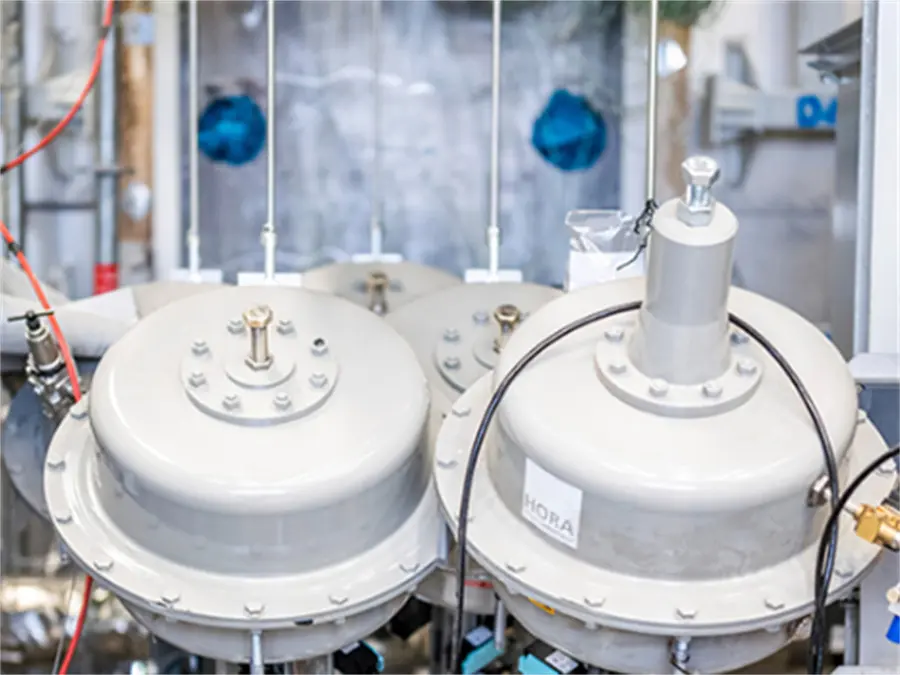
The technology can operate at higher temperatures, which has a positive impact on the efficiency of solar thermal power generation and long-duration storage networks.
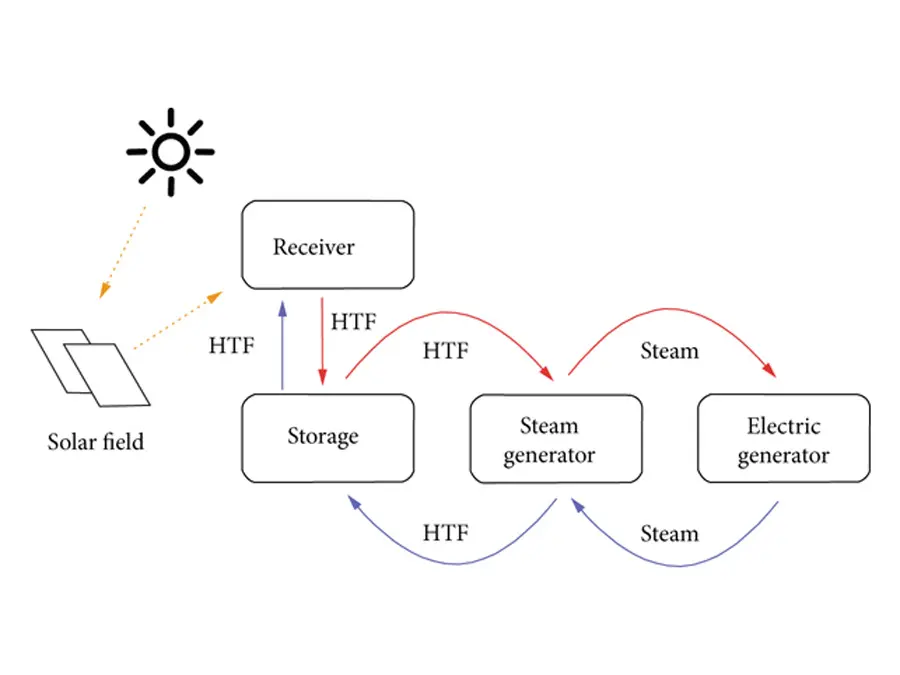
A concentrated solar power plant converts solar energy to electricity. It is based on advanced salt storage tracking systems that maximize grid dispatch reliability.

Molten salt energy storage has emerged as a promising solution for enhancing the efficiency of regional power grids and supporting industrial process heating.
For many years, we have successfully responded to the requirements of reputed customers in the global market.

Explore our full range of specialty nitrates, water-soluble fertilizers, and chemical agent options.
 VOJIN
VOJIN