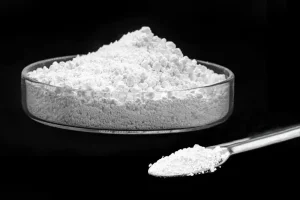
Engineered purity grades designed for thermal storage, chemical tempering, and high-performance agricultural applications.
As the international community accelerates its path toward net-zero emissions, the demand for long-duration energy storage (LDES) technologies has reached an unprecedented scale. Traditional grid architectures struggle with the intermittent nature of renewable energy resources like wind and solar. Here, thermal energy storage (TES) utilizes molten salt mixtures to bridge the gap, establishing a reliable, base-load dispatch system for power plants and heavy industries worldwide.
Decarbonizing industrial heat represents one of the most complex challenges of our time. Over 45% of global carbon emissions stem from medium-to-high temperature process heat utilized in chemical synthesis, steel production, glass manufacturing, and district energy systems. Molten salt, primarily comprising eutectic mixtures of potassium nitrate ($KNO_3$) and sodium nitrate ($NaNO_3$), offers a highly viable medium due to its vast operating range (ranging from $260^\circ\text{C}$ to over $560^\circ\text{C}$), high density, low vapor pressure, and exceptional heat capacity.
Strategic procurements by multinational energy firms in regions like the North American Southwest, Southern Europe, North Africa, and Western China have triggered a rapid expansion in industrial-grade nitrate manufacturing. This whitepaper serves as an authoritative guide on sourcing requirements, chemical configurations, and quality verification standards for developers, EPC contractors, and chemical procurement directors looking to optimize their supply chain.
In high-temperature thermal energy storage systems, chemical composition determines not only thermal performance but also the functional lifespan of the plant. Impurities in sodium and potassium nitrate act as catalysts for corrosion, degrading stainless steel containment tanks, heat exchangers, and pumping piping systems.
How Vojin New Materials integrates high-purity chemistry to drive stability and efficiency across industries.
Providing custom binary salt solutions for Concentrated Solar Power (CSP) systems, optimizing thermal dispatch capacity and heat transfer efficiency.
Ultra-pure potassium nitrate for chemical glass strengthening and cover glass tempering in high-end mobile devices and display interfaces.
Replacing coal and gas-fired boilers with clean molten salt thermal loops for direct chemical process heat, steam generation, and coal conversion.
Utilizing premium-grade potassium nitrate and water-soluble nitrates to formulate high-efficiency crop fertilizers for global farming.
The standard composition of modern commercial thermal storage is a binary combination referred to as "Solar Salt". This mix contains 60 wt.% Sodium Nitrate ($NaNO_3$) and 40 wt.% Potassium Nitrate ($KNO_3$). While highly reliable, developers are looking to expand operations beyond current thermal limits.
Research and deployment roadmaps show three major pathways for molten salt development:
Securing long-term supply contracts for raw nitrates requires working with manufacturers that feature integrated supply chains. Global supply lines are vulnerable to energy price shifts, synthetic ammonia feedstocks, and regional regulatory blocks. By partnering with vertically integrated producers like Shanxi Vojin New Materials, purchasers can mitigate price volatility and secure predictable deliveries for multi-gigawatt-hour storage projects.
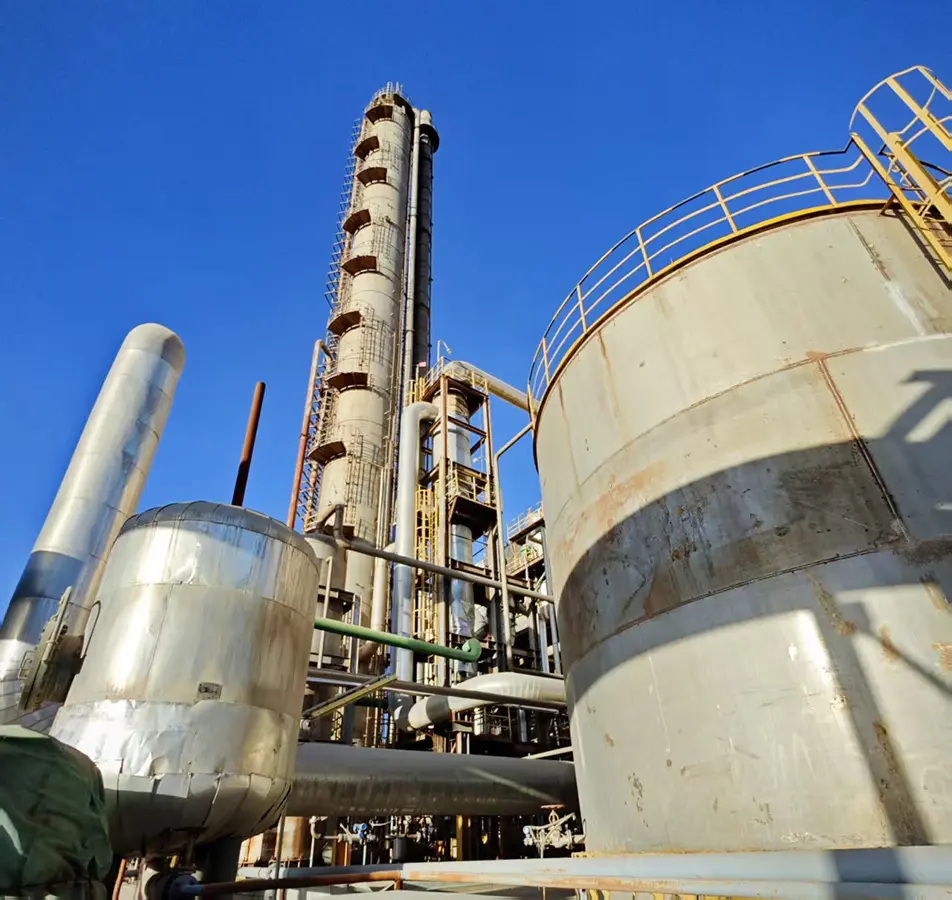
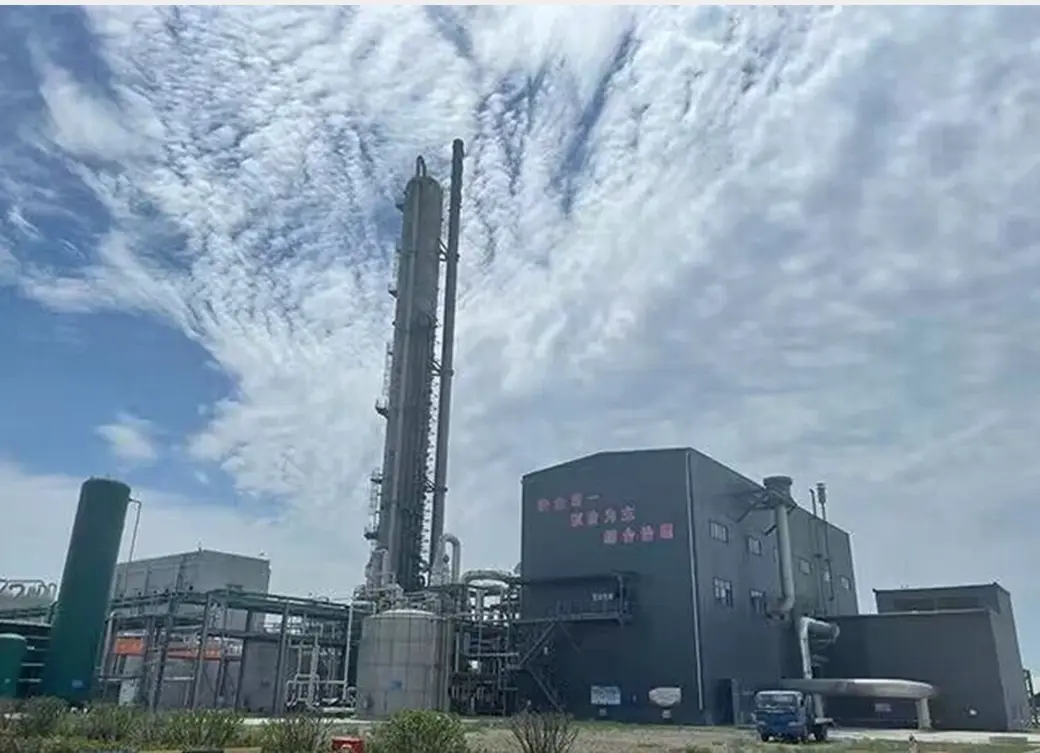
Driven since 2000, we have been committed to the entrepreneurial spirit and passion for innovation. Our team takes pride in delivering dependable products and services with a quality distinction in thermal energy storage & water-soluble fertilizer industries globally. We specialize in producing high-purity inorganic nitrates designed to meet critical thermal performance thresholds under demanding operational profiles.
Explore Our ProductsOur years of manufacturing experience and refined products provide you with better performance
Why procurement teams and EPC contractors choose Shanxi Vojin New Materials

Integrated experience on exporting operations. We always assure our customers receive top-tier, certified quality batches matching global standards.

With an annual output of 600,000 tons of molten salts and related nitrates, we easily support gigawatt-scale infrastructure projects without delay.
Our experienced technical skill and service team provides rapid responses to custom purity requirements, chemical packaging, and bulk shipping logistics.
Multiple items for selection such as $KNO_3$, $NaNO_3$ to meet various specifications in agricultural, industrial, and energy generation sectors.
Handling bulk industrial nitrates requires adherence to safety and environmental standards. Both sodium and potassium nitrate are classified as class 5.1 oxidizers under the United Nations Globally Harmonized System (GHS). Sourcing from Vojin New Materials ensures compliance with local safety regulations across regional markets.
Key areas of compliance and safety protocols include:
Our global support teams assist from pre-shipment quality verification to on-site salt melting, system charging, and hot commissioning phases, reducing project risks for EPC contractors.
Insights and updates from the forefront of the thermal energy storage sector.
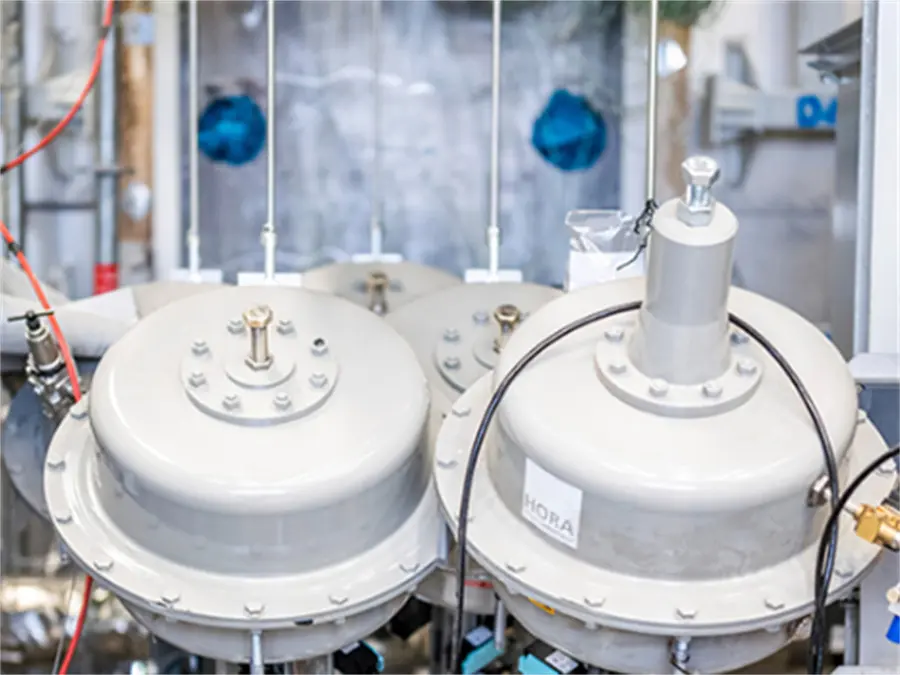
The technology can operate at higher temperatures, which has an impact on the efficiency...
View More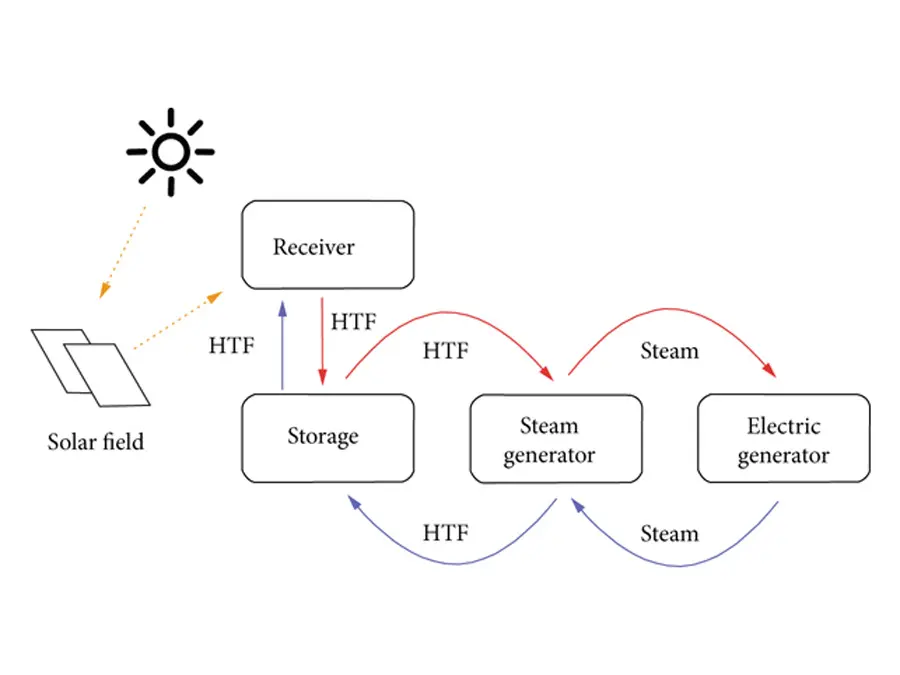
A concentrated solar power plant converts solar energy to electricity. It is based on focusing solar radiation...
View More
Molten salt energy storage has emerged as a promising solution for enhancing the efficiency of modern green power grids...
View MoreProviding high-purity chemical solutions to global brands and engineering partners.


Insights into specifications, procurement parameters, and operational support.
For Concentrated Solar Power (CSP) systems, the binary salt mixture (60% $NaNO_3$ / 40% $KNO_3$) requires a purity profile exceeding 99.0% total active components. Most critical is the reduction of halide impurities (specifically Chlorides and Fluorides) to less than 100 ppm, and ideally under 50 ppm, to prevent high-temperature corrosion in stainless steel piping and tanks.
Moisture promotes caking during handling and increases corrosion within containment systems at high temperatures. We keep moisture content below 0.1 wt.%, employing airtight packaging and optimized logistics to protect the products during transit.
Yes. Aside from standard Solar Salt ratios, we offer customized binary and ternary mixtures, including calcium nitrate integrations ($Ca(NO_3)_2$), to lower the minimum melting point and customize thermal profiles for proprietary client designs.
We utilize standardized 1.0 to 1.25 metric ton bulk bags (FIBCs) with humidity-barrier PE liners. Shipments are classified and secured according to international maritime codes for class 5.1 oxidizers, ensuring compliance and safety throughout transit.
High-grade chemical configurations for precision agriculture, advanced manufacturing, and water treatment applications.
 VOJIN
VOJIN