Explore our core selection of high-purity inorganic chemicals and specialized molten salt products engineered for modern industrial heating applications.
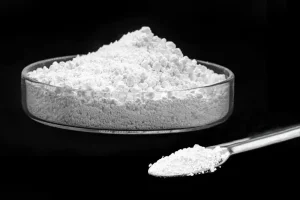
A Comprehensive Industry Whitepaper on Thermal Performance, Operational Chemistry, and Sustainable Scaling
As the global energy transition accelerates, conventional heating systems rely heavily on carbon-heavy combustion or inefficient electrical-resistance systems. Molten salt heating systems have emerged as the premier medium for industrial thermal energy storage (TES) and heat transfer. Leveraging low vapor pressure, high thermal conductivity, and chemical stability up to 565°C, molten salt mixtures containing sodium nitrate (NaNO₃) and potassium nitrate (KNO₃) serve as the backbone for concentrated solar power (CSP) generation, chemical processing, waste heat recovery, and grid balancing.
The efficiency of a molten salt heating system is primarily dictated by its thermodynamic properties: melting point, operational thermal window, density, dynamic viscosity, and specific heat capacity. The standard commercial standard, known as "Solar Salt," is a binary eutectic mixture containing 60 wt.% Sodium Nitrate (NaNO₃) and 40 wt.% Potassium Nitrate (KNO₃). This formulation yields a melting temperature of approximately 220°C (428°F) and remains thermally stable up to 565°C (1049°F).
For operators, maintaining the salt in its liquid phase is a critical priority. Freezing inside piping, valves, or heat exchangers can cause catastrophic mechanical failure due to volumetric expansion and localized thermal stress. Consequently, heating system loops are designed with electrical trace heating systems and automated drain-back storage vessels. The choice of high-purity nitrate compounds is critical: impurities such as chlorides (Cl⁻) and sulfates (SO₄²⁻) lower the eutectic stability and accelerate the corrosion rate of high-temperature alloy containers, such as SS347H or Inconel 625.
Modern industrial plants utilize molten salt loops to replace direct combustion or high-pressure steam systems. Molten salts are highly effective in systems requiring:
Manufacturing high-purity inorganic nitrates at scale requires advanced infrastructure. Shanxi Vojin New Materials Co., Ltd. operates state-of-the-art facilities with an annual production capacity exceeding 600,000 tons. Utilizing Factory 4.0 automation, our production lines feature Distributed Control Systems (DCS) to monitor chemical purity, recrystallization parameters, and moisture levels in real-time.
By establishing our facility directly in Shanxi, China's core industrial region for raw chemical deposits, we maintain a highly resilient supply chain. Our operations ensure access to consistent chemical precursor inputs, minimizing volatility in material costs. The integrated production process reduces energy consumption per ton, providing a significant competitive pricing advantage to global purchasers while maintaining strict environmental standards.
Addressing the critical supply criteria for EPC contractors, plant operators, and industrial chemical distributors.
Our industrial and solar-grade salts guarantee purity levels exceeding 99.8%. We control critical impurities like Chlorides (Cl-) to under 50-100 ppm, dramatically extending the operational lifespan of expensive plant piping and storage vessels.
Exporting to over 40 countries demands rigorous packaging solutions. We utilize moisture-proof, heavy-duty 25kg PE bags and 1.0–1.2 metric ton bulk bags, designed with anti-caking additives to ensure product integrity during sea transport.
In addition to binary solar salt, we manufacture ternary and quaternary salt combinations containing Calcium Nitrate or Lithium Nitrate. These formulations are designed to lower the freezing point down to 80-120°C for specialized machinery.
How next-generation molten salt technologies are driving high-temperature processing and energy storage efficiency.
The molten salt industry is actively expanding the operating envelope of thermal fluids. Current research and development focus on raising the peak operating temperature from 565°C to 700°C and beyond. Achieving this allows CSP plants and industrial thermal storage units to connect directly to supercritical CO₂ (sCO₂) power cycles, raising thermal-to-electric conversion efficiency from ~41% to over 50%.
To reach these high temperatures, next-generation systems are shifting towards chloride salts (such as NaCl-KCl-MgCl₂) and fluoride salts. However, these salts present severe corrosion risks to standard stainless steels. The future roadmap relies heavily on advanced material science—utilizing nickel-chromium alloys and specialized corrosion inhibitors within the salt mixture. At Shanxi Vojin, our laboratory is collaborating with leading research institutes to prototype high-performance nitrate-carbonate blends, offering a cost-effective path to elevated temperatures without the extreme corrosion profiles of pure chlorides.
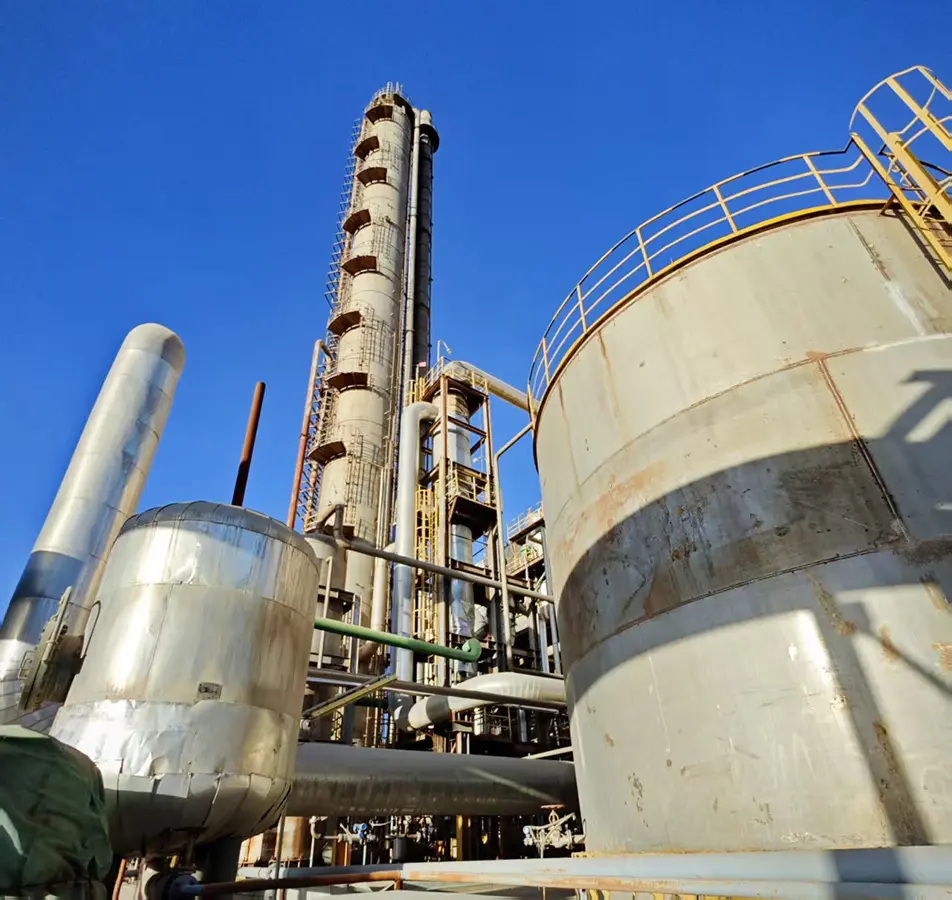
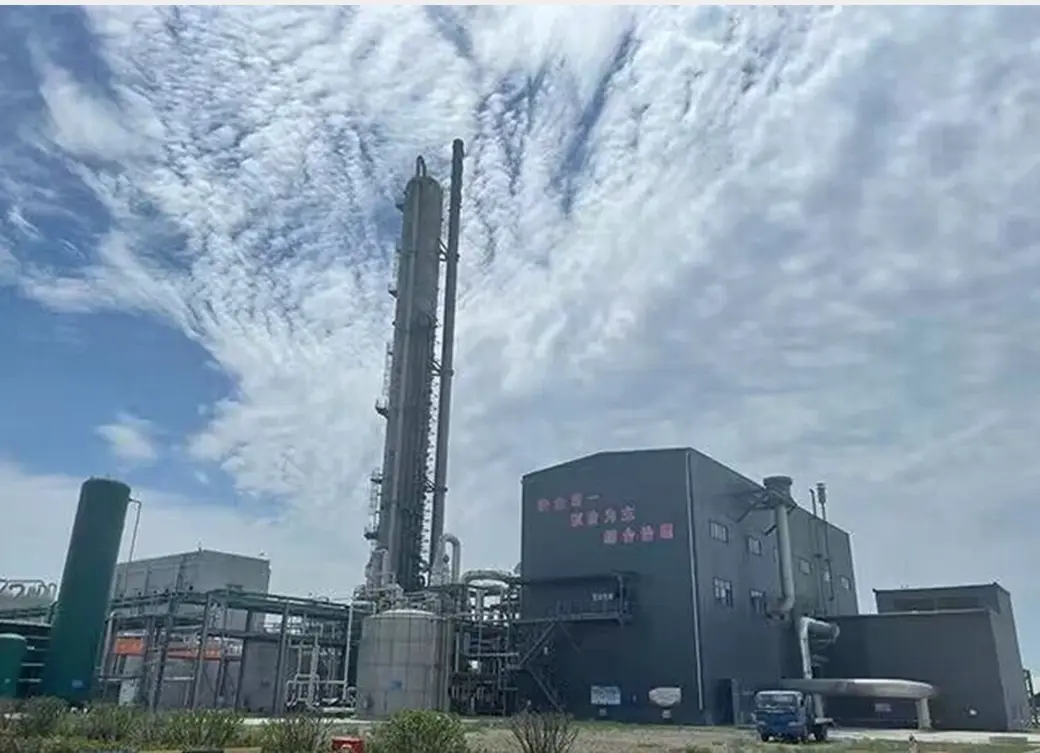
Driven since 2000, we have been committed to the entrepreneurial spirit and passion for innovation. Our team takes pride in delivering dependable products and services with a quality distinction in thermal energy storage & water-soluble fertilizer industries globally. Our years of manufacturing experience and refined products provide you with better performance.
Manufacturing area of approximately 1000 acres allows us to manage large production schedules easily, providing 80+ custom solutions for thermal energy transfer and agricultural development.
Inorganic Chemicals designed for diverse industrial functions
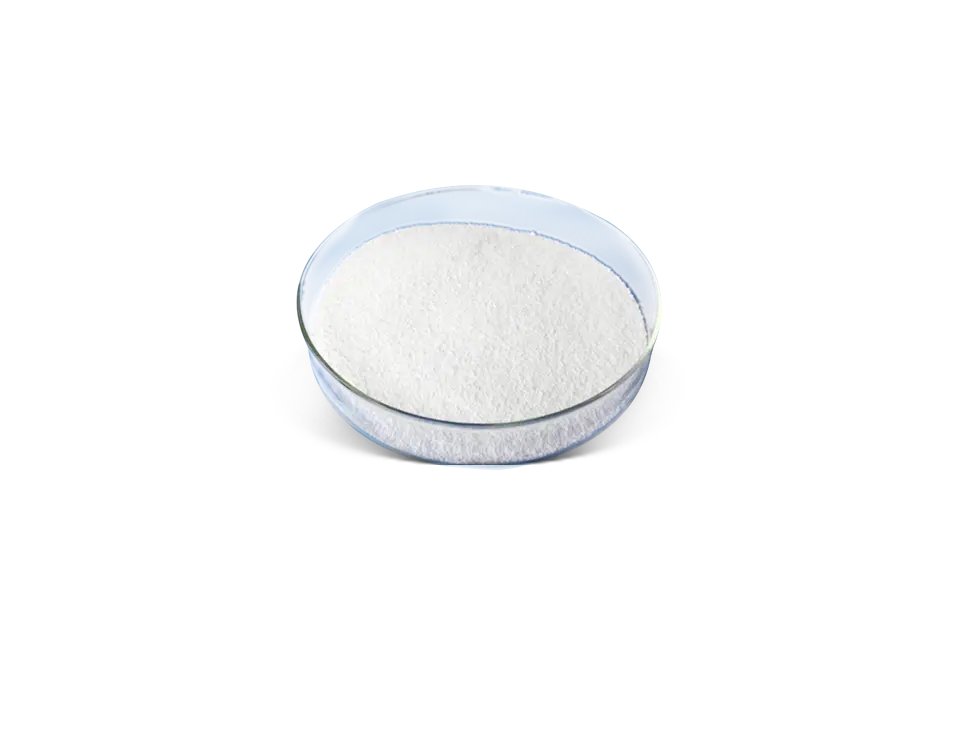
High-purity sodium nitrate, potassium nitrate, and calcium nitrate for solar and industrial applications.
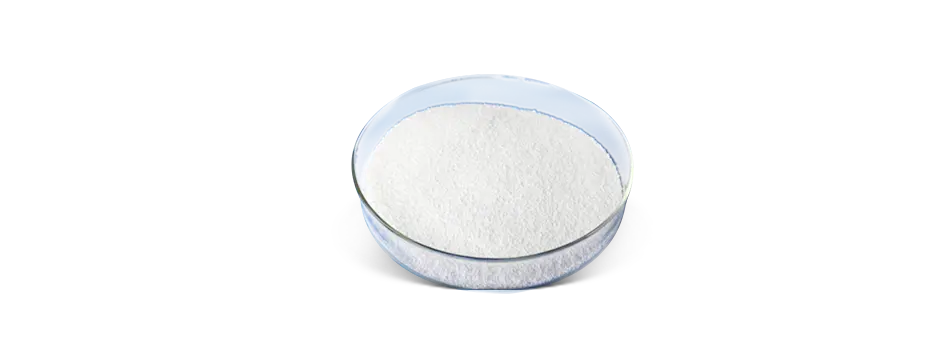
Advanced water-soluble and agricultural-grade potassium and calcium chemical mixtures.
Value-added chemical by-products for processing, purification, and metal treatment.
Empowering global infrastructure through specialized thermal and chemical applications.
Enabling utility-scale energy storage for CSP plants to secure 24/7 green electricity generation.
High-purity potassium nitrate used for chemical strengthening of mobile phone and television glass panels.
Replacing high-carbon coal plants with clean thermal storage heating networks and industrial process steam loops.
Developing trace element and water-soluble fertilizers for high-yield crop nutrition globally.
Ensuring smooth international customs, environmental regulations, and technical support standards.
Operating in a regulated global chemical environment requires suppliers to comply with domestic and international safety standards. All shipments from our factory are accompanied by dynamic documentation portfolios, including:
Furthermore, we offer dedicated regional technical support for EPC firms. Our engineers assist in calculating heat transfer fluid (HTF) parameters, verifying pipeline metallurgy compatibility, and providing guidance on initial salt melting procedures during plant commissioning phases.
Why procurement teams trust Shanxi Vojin New Materials for long-term supply agreements.

Integrated experience in complex export shipping logistics. We ensure consistent quality from our warehouse to your site.
Annual production capability of 600,000 tons of high-grade molten salt compounds and fertilizers.
Experienced chemical technicians and service support agents standing by for fast responses to customer inquiries.
Multiple items for selection, including high-purity KNO₃ and NaNO₃, to meet specific customer requirements.
Stay updated with our breakthroughs in thermal energy storage and chemical technology.
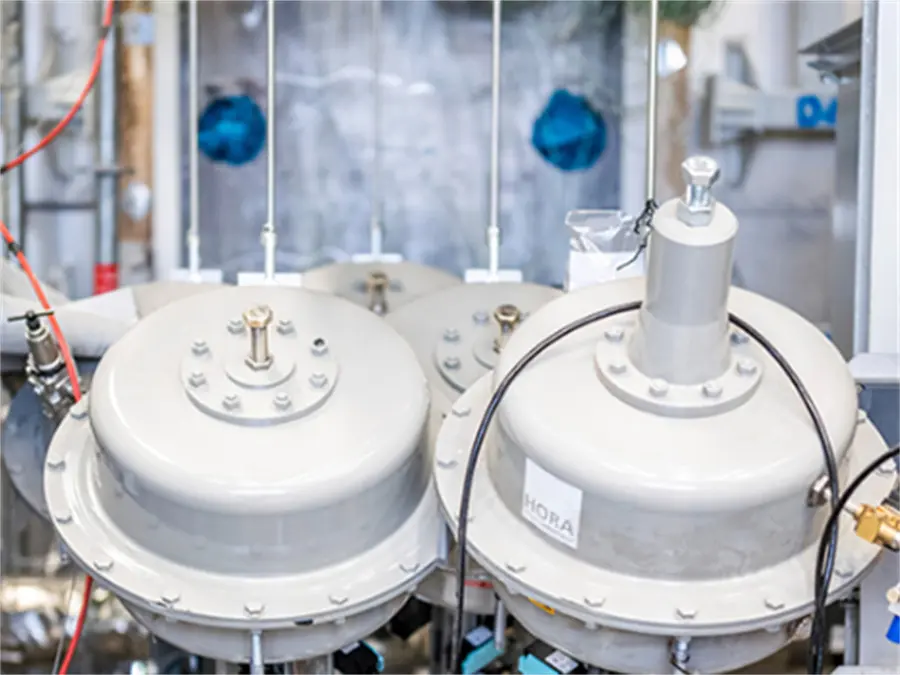
The technology can operate at higher temperatures, which has an impact on the efficiency of solar storage...
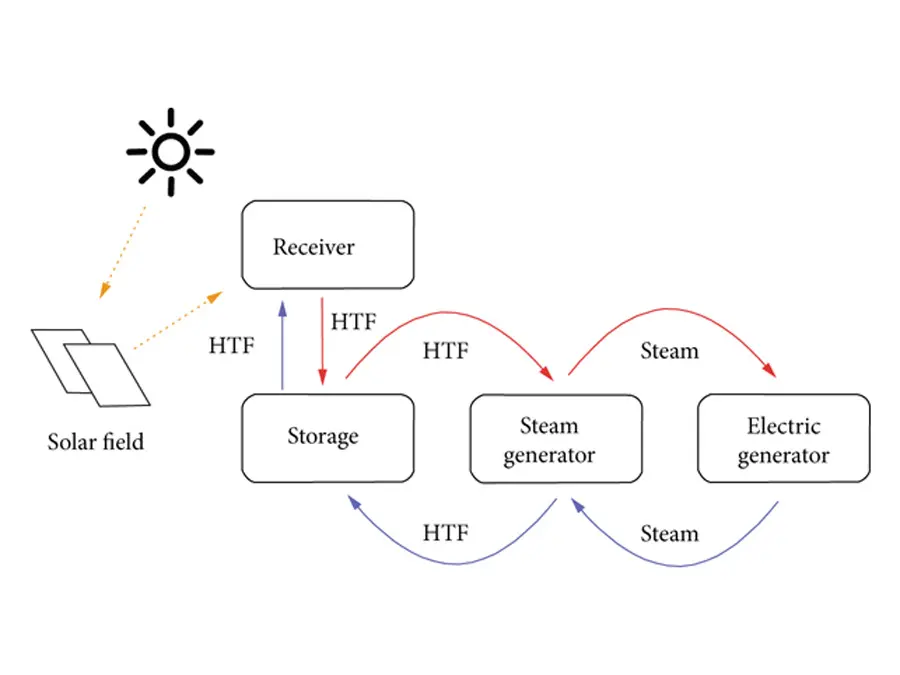
A concentrated solar power plant converts solar energy to electricity based on molten salt loops...

Molten salt energy storage has emerged as a promising solution for enhancing grid reliability...
Get professional answers to critical technical questions regarding the chemistry, maintenance, and storage of molten salts.
Supplying consistent materials to global manufacturing projects and EPC contractors over the years.

Explore our wider catalog, including fertilizer components, lithium minerals, and industrial carbonates.
 VOJIN
VOJIN