Explore our high-purity industrial compounds, refined for exceptional stability, optimized heat-transfer capabilities, and maximum thermodynamic performance.
In the global race toward net-zero industrial manufacturing, thermal energy storage (TES) and high-temperature heat transfer fluids (HTFs) have emerged as foundational pillars. Standard thermo-fluids, such as organic oils, suffer from degradation and high vapor pressures when operating above 390°C. In contrast, inorganic molten salts demonstrate exceptional thermal stability, negligible vapor pressure, and excellent volumetric heat capacities at temperatures extending up to 600°C and beyond. As a leading global wholesale partner in molten salt formulation development, Shanxi Vojin New Materials Co., Ltd. addresses the dual challenges of thermal storage efficiency and corrosion mitigation through advanced molecular engineering of nitrate, nitrite, carbonate, and halide mixtures.
The molten salt sector is transitioning from standard binary formulations (traditionally referred to as "Solar Salt", containing 60 wt% $NaNO_3$ and 40 wt% $KNO_3$) to customized ternary and quaternary eutectic blends. Standard binary solar salt presents a high melting point around 220°C. This imposes a significant risk of line freezing in solar towers and industrial loops. Current formulation development is heavily focused on:
Maximizing heat capacity through proprietary formulation engineering, enabling higher heat density per cubic meter.
Super-refined raw materials limit chloride impurities to below 100 ppm, protecting pipelines from structural pitting.
Advanced lab analysis delivers tailored compositions optimized for specific heating and cooling curves.
How international EPC contractors, energy developers, and chemical plant operators manage supply chain risk, quality assurance, and bulk chemical logistics.
Global procurement offices face substantial hurdles when buying bulk high-temperature salts. When purchasing millions of kilograms of product, even minor deviations in chemical purity can lead to catastrophic failure. An excess of chloride ($Cl^-$) or sulfate ($SO_4^{2-}$) ions catalyzes high-temperature corrosion, which attacks the passive chromia ($Cr_2O_3$) scale on stainless steel alloys (such as SS347H or Incoloy 800H). This results in pitting, intergranular corrosion, and premature failure of molten salt storage tanks and heat exchangers.
Consequently, global sourcing standards demand rigorous certificate-of-analysis (COA) checks, verifying ultra-low impurity levels. Shanxi Vojin New Materials Co., Ltd. uses high-purity synthetic nitric acid and potassium/sodium precursors to synthesize salts with controlled trace-element parameters. Our internal quality assurance utilizes Inductively Coupled Plasma Optical Emission Spectroscopy (ICP-OES) and Ion Chromatography (IC) to ensure that trace halides are strictly limited, meeting the requirements of major international engineering standards.
Strategically situated in Shanxi, China, our advanced manufacturing infrastructure combines resource abundance with automated quality control.
The geographical position of Shanxi Vojin New Materials Co., Ltd. provides a unique supply chain advantage. Shanxi is one of China's primary hubs for coal-chemical manufacturing and mineral resource refinement. This proximity grants us a stable, direct supply of basic reactants such as synthetic ammonia, sodium carbonate, and potassium salts. By integrating these raw materials into our vertical manufacturing pipeline, we bypass the middleman markups that inflate western suppliers' costs, allowing us to pass significant savings to our global clients.
Our production facilities utilize a modern Factory 4.0 framework. Automated batching, computerized crystallization control, and enclosed, climate-controlled packing zones eliminate human error and environmental contamination. In bulk storage, ambient moisture is the primary enemy of nitrates and nitrites. Our logistics packaging incorporates heavy-duty, multi-layered moisture-barrier bags, and shrink-wrapped pallets, ensuring that the material remains free-flowing and clump-free from our factory floor to your project site.
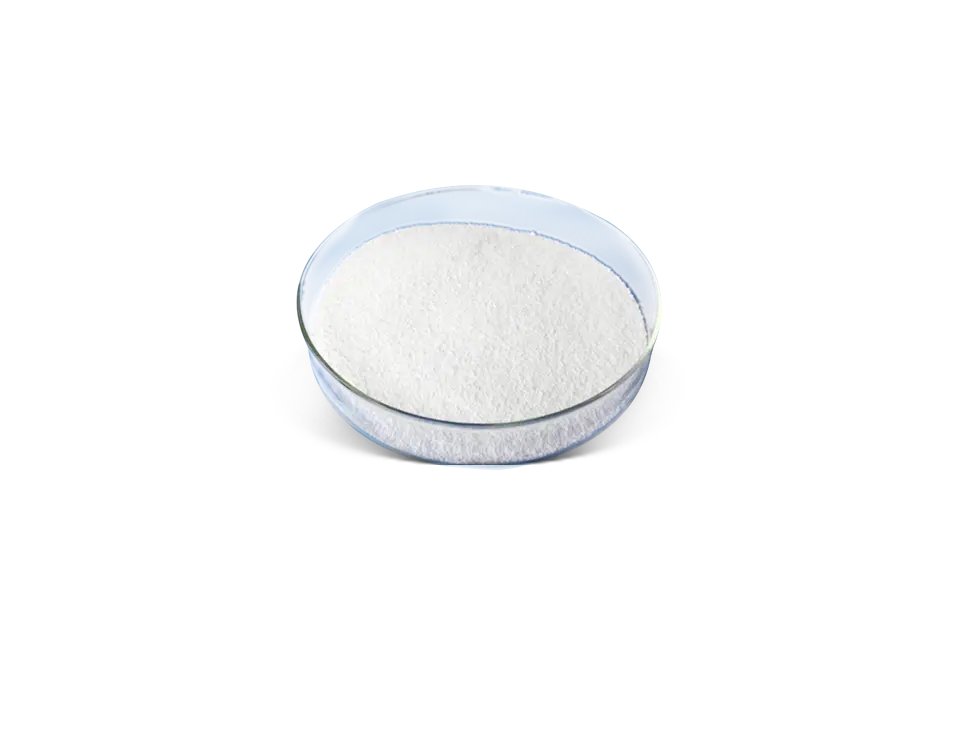

Engineered salts deployed in critical thermal storage, chemical tempering, and industrial steam applications.
1. Thermal Energy Storage Systems (TES): In utility-scale solar projects, binary and ternary nitrate salts act as both heat transfer fluids and thermal batteries. They store thermal energy during peak sunlight hours and discharge it to drive steam turbines during peak electrical demand or through the night, enabling steady, baseline dispatchable clean energy.
2. Display Device Glass Chemical Tempering: In high-end smart device manufacturing, high-purity potassium nitrate ($KNO_3$) is kept molten in tempering baths. Through a process called ion exchange, smaller sodium ions in the aluminosilicate glass matrix are replaced by larger potassium ions from the bath. This creates compressive stress in the glass layer, significantly improving impact and scratch resistance.
3. Industry Steam, Heating, and Coal Conversion: Traditional industrial processes rely on direct combustion of fossil fuels for process heat. Molten salt heaters use surplus wind or solar energy to heat salt mixtures, storing thermal energy that can be dispatched to generate high-pressure superheated steam for chemical reactions, petroleum cracking, and coal conversion.
4. Advanced Agricultural Fertilizer Synergy: The synthesis of highly purified salts produces by-product streams that are rich in nitrogen, potassium, and calcium. We process these streams to create water-soluble fertilizers that improve crop yields and soil health, contributing to a circular industrial ecology.

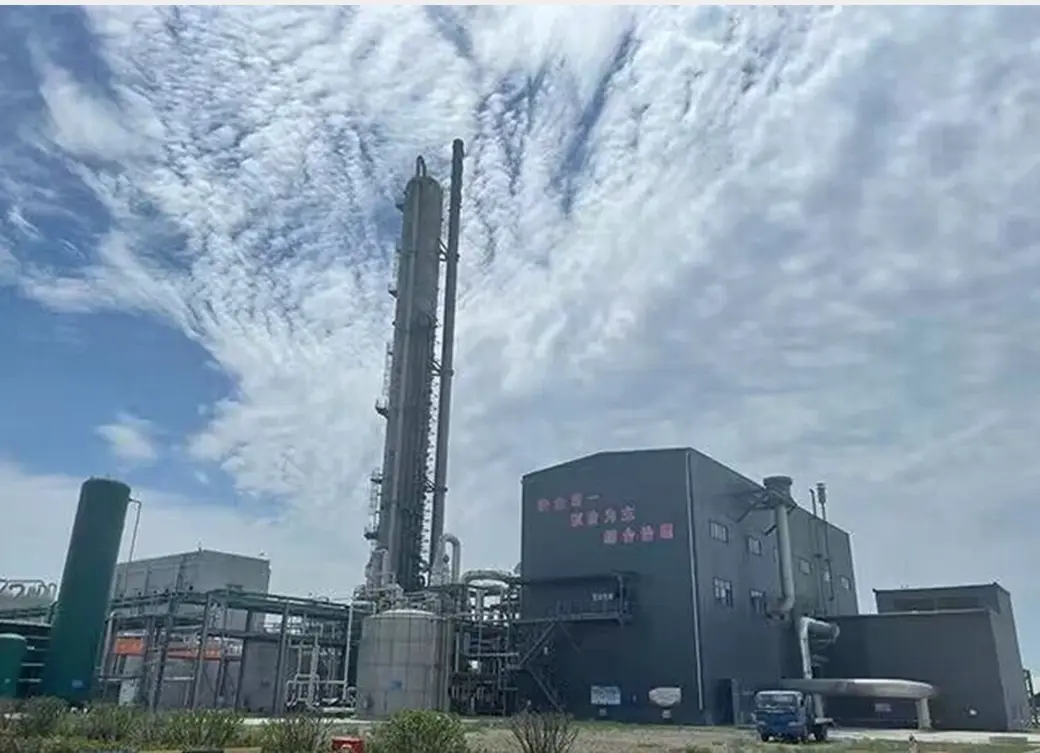
Driven since 2000, we have been committed to the entrepreneurial spirit and passion for innovation. Our team takes pride in delivering dependable products and services with a quality distinction in thermal energy storage & water-soluble fertilizer industries globally. Operating from our state-of-the-art facilities in Shanxi, we utilize raw material proximity and automated process control to deliver reliable quality, large scale, and highly competitive pricing to global industrial projects.
Discover MoreOur core strengths guarantee reliable operations, consistent material quality, and responsive service.

Seamless global logistics, customs compliance, and container shipping management, ensuring on-time delivery.
Annual capacity of 600,000 metric tons guarantees material availability for large-scale energy projects.
Experienced chemical engineers provide formulation customization and testing on-demand.
A comprehensive range of industrial compounds, including high-purity $KNO_3$, $NaNO_3$, carbonates, and specialty mixtures.
Answering key industry inquiries regarding molten salt performance, formulation design, and procurement.
Under optimal design parameters and strict temperature controls (under 565°C), high-purity binary solar salt (60% Sodium Nitrate, 40% Potassium Nitrate) can operate for 25 to 30 years without significant chemical degradation. The salt is chemically stable in this range, only undergoing minor, reversible dissociation into nitrites ($2NO_3^- \rightleftharpoons 2NO_2^- + O_2$). If the maximum temperature limits are exceeded, or if acidic impurities are present, the rate of thermal decomposition increases, producing oxides ($Na_2O$, $K_2O$) that raise the mixture's freezing point and accelerate corrosion. Maintaining high chemical purity and appropriate trace additives prevents this degradation.
Chloride ions ($Cl^-$) disrupt the passive oxide protective film (typically chromia or alumina scale) that forms on the inner walls of stainless steel and nickel-alloy piping. Once this oxide film is broken, the structural alloy undergoes localized pitting and stress corrosion cracking (SCC) under high temperatures. Shanxi Vojin New Materials limits chloride concentration to under 100 ppm, and under 50 ppm for specialty applications, by using high-purity synthetic precursors. This ensures that the passive oxide layer remains intact over decades of operation, protecting your capital equipment.
Standard binary Solar Salt melts at 220°C. If a concentrated solar power plant or industrial loop cools down during maintenance or cloudy weather, the salt can solidify in the piping, leading to costly blockages. To prevent this, systems must run continuous, energy-intensive electric heat-tracing. By introducing calcium nitrate ($Ca(NO_3)_2$) or lithium nitrate ($LiNO_3$), we lower the melting point to 130°C–150°C. This lower melting point reduces the electricity consumption of auxiliary systems, protects pipes from freeze damage, and widens the fluid's usable temperature range.
Our quality control laboratory utilizes Differential Scanning Calorimetry (DSC) to measure the precise melting point (solidus/liquidus lines) and specific heat capacity ($C_p$) across different temperature intervals. Thermogravimetric Analysis (TGA) is used to track thermal decomposition temperatures and weight loss kinetics under controlled atmospheres. In addition, we run long-term immersion tests inside alloy capsules to evaluate corrosion rates. This ensures that each custom batch meets the thermodynamic and mechanical design requirements of your project.
Nitrate and nitrite salts are hygroscopic, meaning they absorb moisture from ambient air, which can lead to clumping. Bulk material should be stored in a dry, well-ventilated warehouse, away from heat sources and combustible organic materials. To prevent moisture absorption during transit, Shanxi Vojin uses multi-layer, moisture-resistant packaging. We also offer options for shipping in sealed container liners or specialized dry bulk bags, keeping the material dry and ready for immediate loading into salt melters.
Stay informed on technical updates, industry research, and international developments in molten salt technologies.
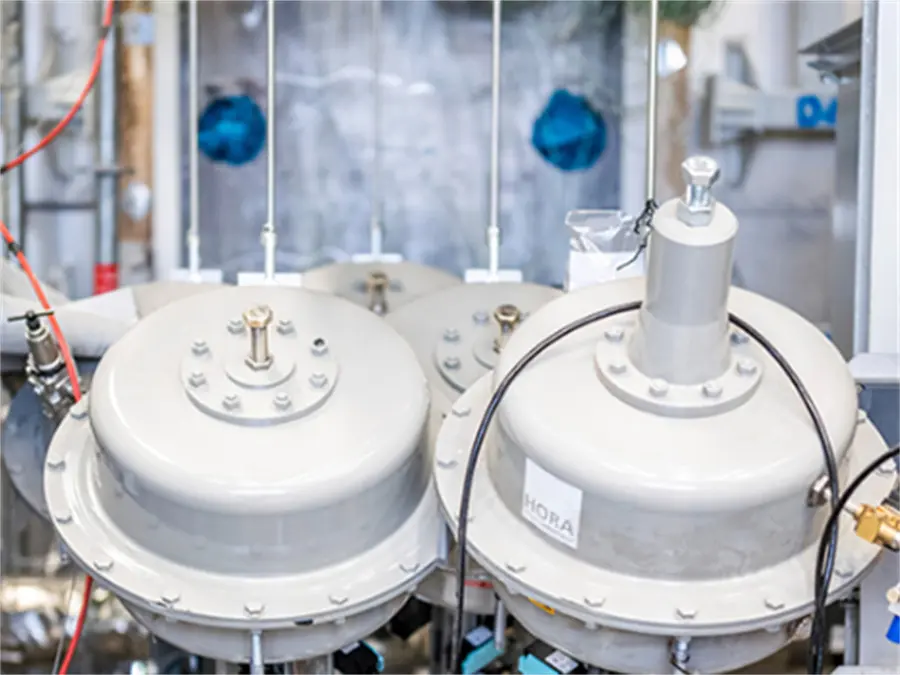
Discover how higher operational temperatures in molten salt storage loops directly improve the thermodynamic efficiency of steam turbines...
Read More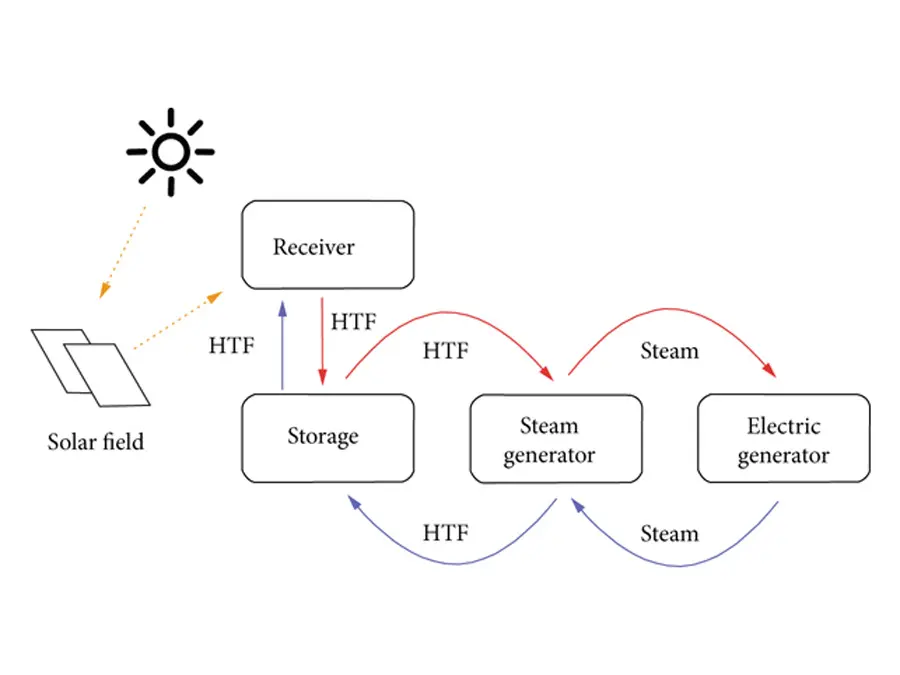
Concentrated solar power plants rely on molten salts to store thermal energy, providing stable baseline power to the electrical grid...
Read More
Analyzing the role of molten salts in grid decarbonization, industrial heat storage, and backing up variable renewable energy...
Read MoreCollaborating with leading industrial developers, EPC companies, and engineering agencies worldwide.


Explore our range of industrial carbonates, high-purity nitrates, and water-soluble agricultural formulations.
 VOJIN
VOJIN