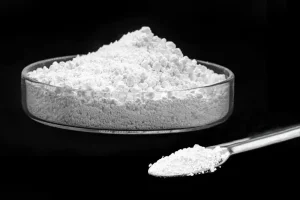
Explore our high-performance inorganic salts and industrial chemical products refined for extreme thermal stability and processing efficiency.
In the global race toward complete decarbonization, energy networks are facing a fundamental challenge: bridging the gap between intermittent renewable generation (such as solar and wind) and continuous, baseload grid demand. Among the suite of energy storage technologies available, Molten Salt Thermal Energy Storage (TES) has emerged as the most cost-effective and operationally stable medium for high-temperature, long-duration energy storage. Leveraging eutectic chemistry and sensible heat capacity, molten salt engineering enables Concentrated Solar Power (CSP) systems, retrofitted thermal power plants, and industrial process heat systems to operate seamlessly around the clock.
Typically consisting of a binary blend of 60% Sodium Nitrate (NaNO3) and 40% Potassium Nitrate (KNO3), commonly known as "Solar Salt," this thermal medium features a melting point of approximately 220°C (428°F) and remains thermally stable up to 565°C (1049°F). The wide liquid temperature range provides an optimal operating window for steam generation cycles, driving conventional turbines with high efficiency.
Globally, molten salt systems have evolved from experimental configurations to standard grid-scale infrastructure. Key deployment zones include the Middle East and North Africa (MENA) region—spearheaded by landmark initiatives such as the Dubai Noor Energy 1 project—alongside extensive projects across Spain, South Africa, Chile, and the southwestern United States. These geographic regions exploit solar resource density, coupling vast heliostat fields with towering receiver silos to concentrate heat directly into liquid salt flows.
Beyond CSP, industrial heavy operations are using molten salt to electrify process heat. Chemical manufacturing, metallurgy, and paper processing are converting surplus wind and solar electricity into thermal energy using high-power electrical heaters to melt and store salts. The stored thermal energy is discharged as superheated steam, offering a scalable alternative to fossil-fuel-burning boilers.
China's dominance in the global industrial chemical market is underpinned by geographic clusters, highly integrated raw material extraction, and optimized manufacturing efficiency.山西 (Shanxi Province) serves as a primary logistical corridor and raw material hub, rich in synthetic nitrate raw materials. This local mineral abundance allows Shanxi Vojin New Materials Co., Ltd. to construct a robust vertically integrated value chain.
With an annual production capacity exceeding 600,000 tons of molten salts and industrial inorganic compounds, our facilities leverage automated refining systems that dramatically reduce per-ton synthesis energy costs. In contrast to overseas refiners reliant on third-party raw materials, Vojin directly oversees chemical purification from crude input to solar-grade salt. This integrated model provides buyers with consistent price protection against raw material volatility, combined with reliable logistics capabilities.
Molten salt engineering solutions are tailored to specific industrial workflows, including:
The molten salt landscape is moving rapidly toward higher temperatures to achieve greater power cycle efficiencies, targeting supercritical carbon dioxide (sCO2) turbine systems. While standard binary nitrate mixtures are capped at 565°C, research and development is shifting toward chloride salts (e.g., NaCl-KCl-MgCl2) and carbonate salts, which remain stable above 700°C. Additionally, next-generation nuclear energy deployment relies on molten fluoride salts (like FLiBe) for cooling advanced small modular reactors (SMRs). Managing the increased corrosiveness of these high-temperature salts requires precise control over chemical impurities and specialized metallurgical engineering.
Engineered for thermal performance, manufacturing consistency, and agricultural yield optimization.
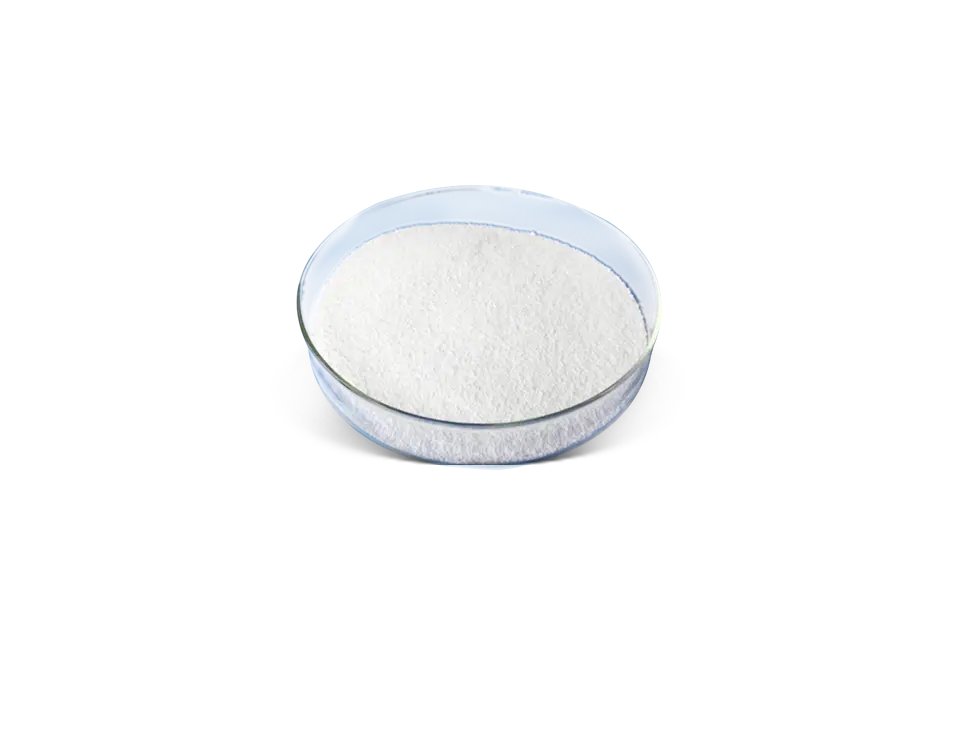
High-purity Solar Grade and Industrial Grade nitrates (KNO3, NaNO3, Ca(NO3)2) developed for thermal energy storage and glass tempering processes.

Water-soluble agricultural formulations, trace-element enriched fertilizers, and calcium ammonium nitrate designed for targeted plant nutrition.
Valuable chemical intermediates, industrial-grade nitrites, and treatment agents supporting global metallurgy and water treatment systems.
Where high-performance chemistry meets commercial engineering.
Eutectic salt configurations delivering reliable energy storage for Concentrated Solar Power (CSP) systems and grid stabilization.
High-purity potassium nitrate baths enabling chemical strengthening and ion exchange in display glass production.
Safe thermal media supplying high-temperature process heat for chemical production and industrial coal conversion plants.
Engineered water-soluble fertilizers with rapid absorption characteristics designed to maximize crop yields globally.
SHANXI VOJIN NEW MATERIALS CO., LTD.
Driven since 2000, we have been committed to the entrepreneurial spirit and passion for innovation. Our team takes pride in delivering dependable products and services with a quality distinction in thermal energy storage & water-soluble fertilizer industries globally.
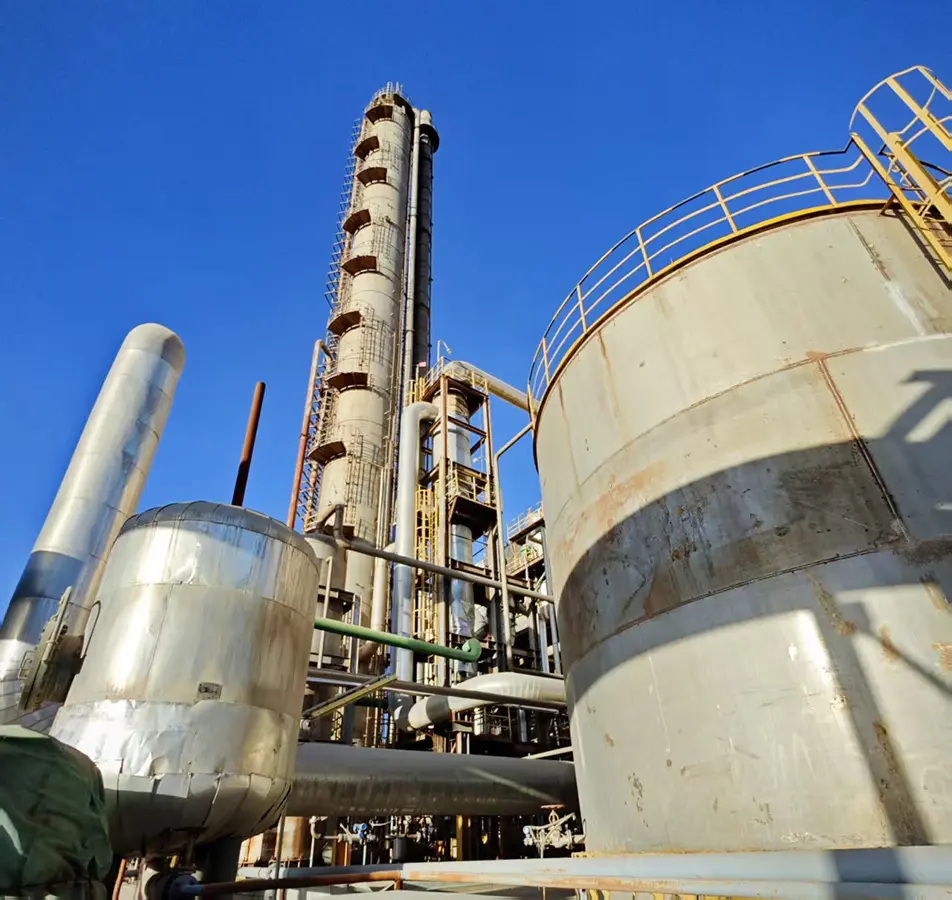
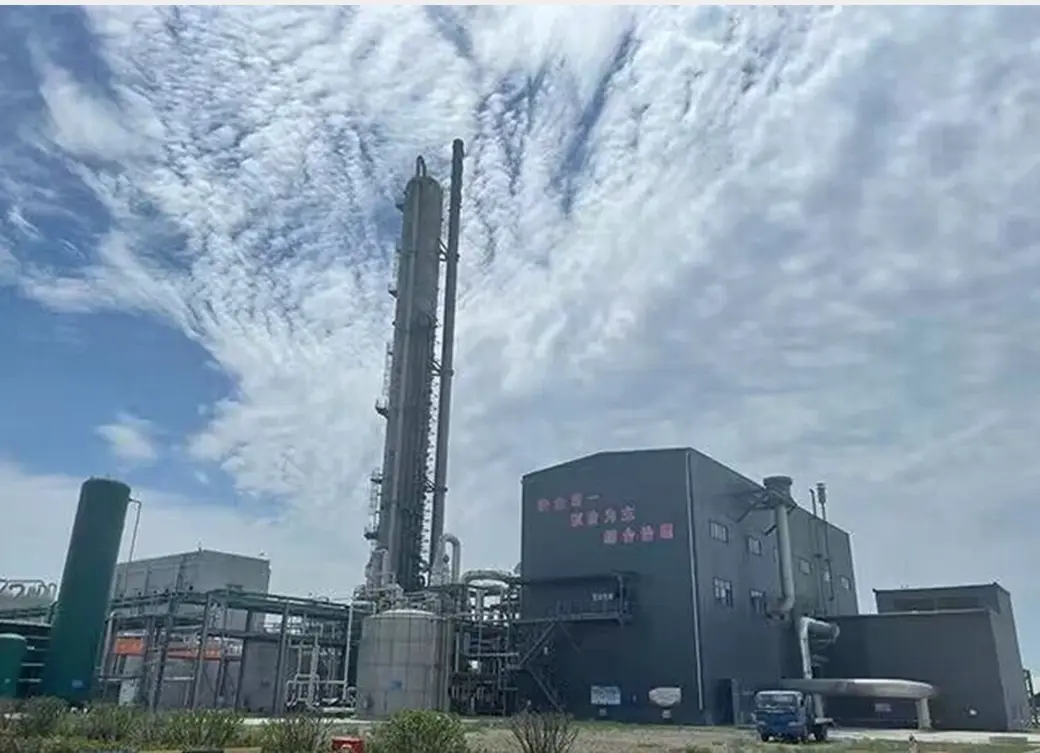
We operate modern chemical refining plants across Shanxi province, capitalizing on local raw material networks and advanced process control. This ensures we deliver reliable materials that meet the stringent purity requirements of solar thermal engineering, high-tech glass processing, and agricultural systems.
Why engineering firms and procurement offices globally partner with Shanxi Vojin.

Decades of experience in export operations, custom packaging, and chemical documentation, ensuring safe, hassle-free international logistics.
Our annual output of 600,000 tons of high-purity molten salts guarantees supply continuity for large-scale utility projects.
Our technical team assists with system design, corrosion testing, and replenishment strategies to optimize operational lifespans.
A broad range of high-performance chemicals (KNO3, NaNO3, and custom formulations) to meet the needs of diverse industrial systems.
Keep up with the latest developments in thermal energy storage and chemical technology.
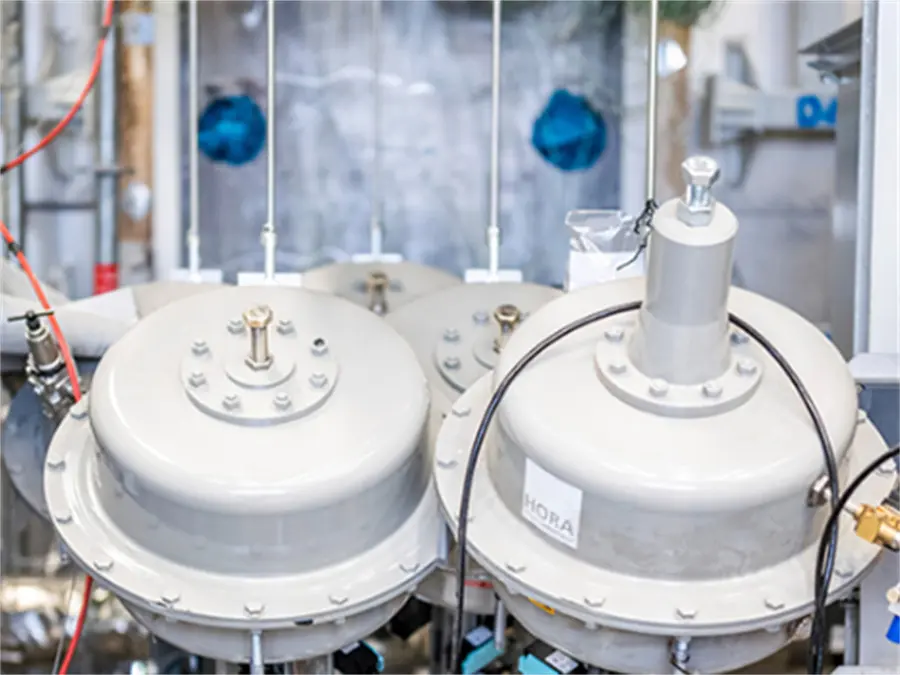
Next-generation solar thermal technology operates at elevated temperatures, directly improving steam turbine efficiency and grid stability.
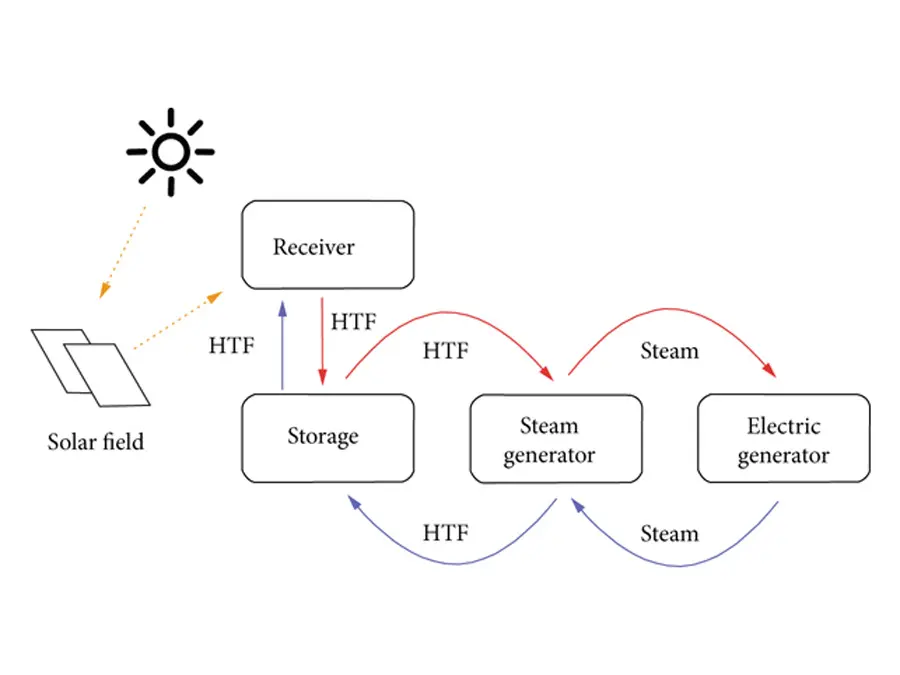
Concentrated solar power (CSP) facilities utilize mirrors to redirect solar energy, relying on molten salt flows to generate reliable electrical power.

High-capacity molten salt energy storage systems are key to integrating variable renewables and stabilizing regional power grids.
We work with leading industrial chemical distributors, engineering contractors, and energy operators worldwide.





Expert answers addressing the core chemical and operational questions of energy storage professionals.
Complete your chemical procurement requirements with our specialized materials portfolio.
 VOJIN
VOJIN