Strategic chemical supplies for thermal storage, industrial processes, and display tech
Comprehensive mineral solutions optimized for high-temperature and agricultural deployments
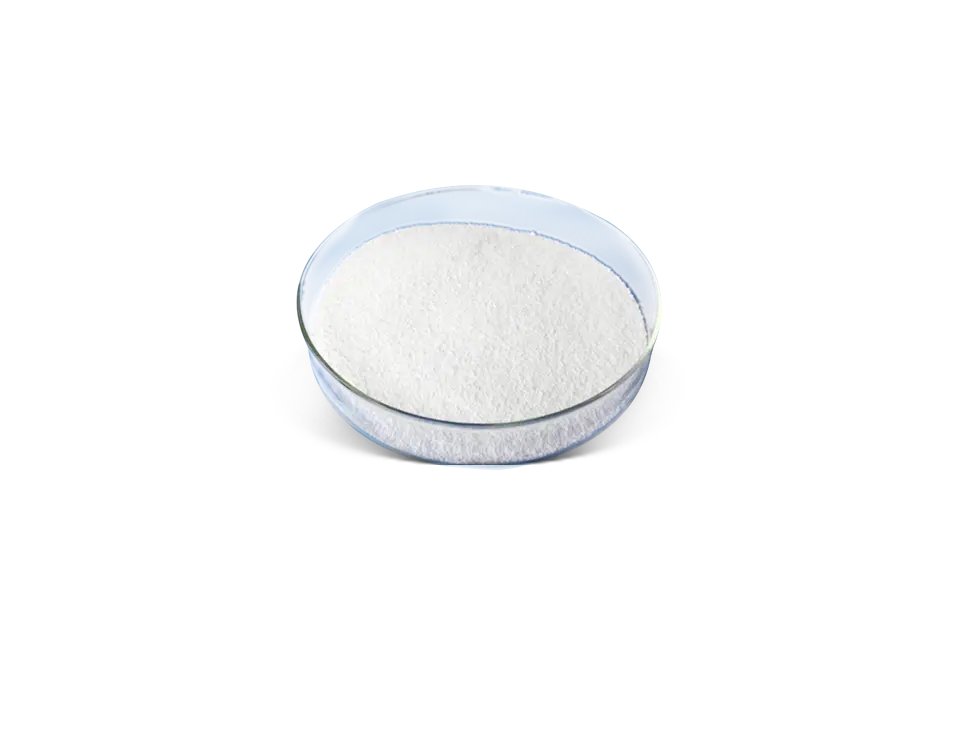

In the global transition to clean energy and ultra-high-temperature industrial processes, molten salts have emerged as the leading Heat Transfer Fluid (HTF) and Thermal Energy Storage (TES) medium. Primarily consisting of binary or ternary nitrate mixtures, such as 60% sodium nitrate (NaNO3) and 40% potassium nitrate (KNO3) (often referred to as Solar Salt), these compounds offer high density, low vapor pressure, and broad thermal stability. However, when procurement managers look to secure wholesale molten salt, they must contend with inherent thermodynamic, chemical, and operational disadvantages. Understanding these limits is critical for Concentrated Solar Power (CSP) plants, industrial waste heat recovery systems, and modern metallurgical processors.
Information Gain Highlight: Conventional evaluations focus only on chemical costs. Real-world operations reveal that the true cost of molten salt systems is dictated by corrosion budgets, heat tracing design, impurity-induced thermal decay, and decommissioning methodologies.
Perhaps the most significant challenge of wholesale molten salts is their high melting point. For standard solar salt (60% NaNO3 / 40% KNO3), the solidification temperature is approximately 220°C to 240°C. If the salt temperature drops below this threshold in any part of the system, it will freeze. Solidification causes volumetric contraction and blockages, potentially fracturing stainless steel piping, destroying pumps, and causing weeks of operational downtime. To mitigate this risk, operators must install expensive and energy-intensive electrical impedance heating systems, high-temperature tracing cables, and automated drain-down tanks. Designing these redundant systems increases capital expenditure (CAPEX) and operating expenses (OPEX), consuming a fraction of the power stored during peak production hours.
At operating temperatures exceeding 500°C, molten nitrates become highly corrosive. The salt ions react with standard structural steel to form thin, unstable oxide layers. In the presence of trace impurities such as chlorides (Cl-) and sulfates (SO4^2-), the corrosion rate increases exponentially, leading to pitting and stress corrosion cracking in high-temperature heat exchangers and storage tanks. This necessitates the use of expensive superalloys, such as Inconel 625 or 316H stainless steel, rather than economical carbon steels. For wholesale procurement, sourcing raw materials with ultra-low chloride levels (ideally < 50 ppm or < 10 ppm for nuclear installations) is essential to preserve the structural integrity of the plant over its 25-to-30-year lifecycle.
While molten salts are thermally stable within their designated ranges, overheating beyond 565°C triggers chemical decomposition:
2 NO3⁻ ⇄ 2 NO2⁻ + O2(g)
This reaction degrades the thermal efficiency of the medium and produces oxygen gas, which can pressurize closed systems or cause venting issues. The buildup of nitrites alters the eutectic point, shifting the crystallization curve and increasing the risk of cold-spot freezing. Managing chemical composition requires continuous slipstream purification, active chemistry monitoring, and the periodic addition of makeup salt or chemical re-oxidation agents.
Molten salt expands significantly (up to 18-22% volumetrically) during the transition from solid to liquid phase. When starting up a plant or melting fresh batch deliveries of wholesale salt, uneven thermal distribution can cause localized expansion against a solid crust, generating massive mechanical pressures. These stresses can damage containment walls and heat exchangers. Engineers must implement precise, stepped thermal ramp-up protocols, specialized expansion joints, and customized ullage gas configurations to handle these physical transitions safely.
How global industries integrate molten salt solutions despite technical disadvantages
Used in utility-scale Concentrated Solar Power (CSP) plants, converting intermittent solar energy into 24/7 baseload electricity via massive two-tank systems.
High-purity potassium nitrate baths are critical for chemical strengthening and ion-exchange tempering in mobile device and monitor glass manufacturing.
Provides deep integration for coal-to-chemical conversions, biomass gasification, and high-temperature waste heat capture in heavy metallurgy.
By-product nitrates are converted into high-grade water-soluble fertilizers, showing how our manufacturing ecosystem avoids material waste.
Driven by a commitment to innovation, Shanxi Vojin New Materials has spent over two decades developing high-purity inorganic chemicals and molten salt solutions. By addressing the primary causes of corrosion and degradation, we deliver dependable thermal storage media to global energy developers and fertilizer distributors.
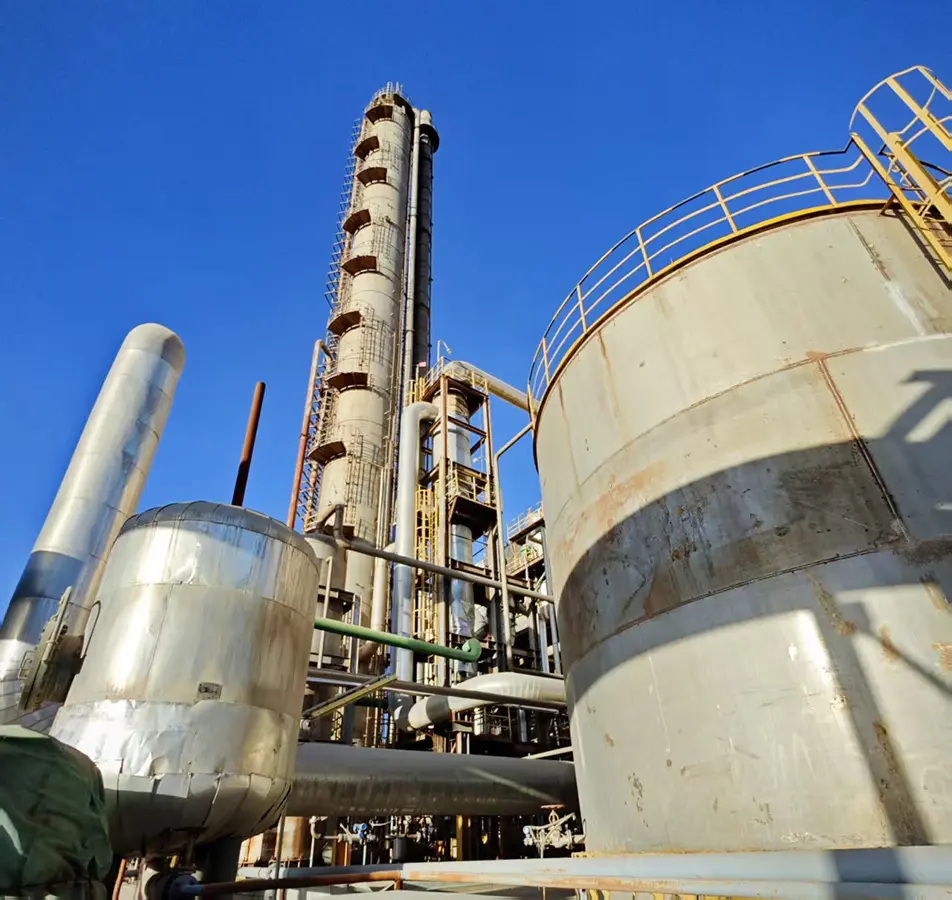
Why domestic refining capabilities keep global project timelines on schedule
Our proximity to domestic reserves of potassium carbonates and nitrogen-based compounds guarantees uninterrupted raw material feeds, insulating buyers from geopolitical supply shocks.
Through proprietary crystallization and refining technologies, we maintain strict impurity controls (chlorides < 50 ppm and moisture < 0.1%), directly reducing the corrosion potential of our salts in your thermal storage loops.
Equipped with specialized moisture-proof bagging lines and dedicated heavy-freight rail spurs, we ship bulk cargo directly to coastal shipping hubs, reducing domestic transit times.
To overcome the core limitations of molten nitrates—specifically freezing temperatures and upper-temperature stability limits—major manufacturers are investing in next-generation salt formulations and conditioning methods. Here is how the technology is evolving:
By blending calcium nitrate [Ca(NO3)2] or lithium nitrate [LiNO3] with sodium and potassium nitrates, researchers have formulated ternary and quaternary eutectic mixtures. These modifications lower the freezing point from 220°C to below 120°C, significantly reducing the energy required for heat tracing systems while widening the working liquid range.
For Generation 3 CSP and advanced nuclear reactors operating above 700°C, nitrate salts are replaced with molten chloride salts (such as NaCl-KCl-MgCl2) or carbonate salts (Li2CO3-Na2CO3-K2CO3). These chemistry pathways offer higher thermal stability but demand advanced corrosion-resistant containment alloys and active electrochemical purity control to prevent severe pitting.
Dispersing metallic or metal-oxide nanoparticles (e.g., silica, alumina) in the salt matrix improves the specific heat capacity by up to 15-20%. This enhancement reduces the required salt volume and the physical size of storage tanks, lowering overall project capital costs.
Supply Chain Perspective: Shanxi Vojin continues to invest in high-yield refining processes for potassium nitrate and sodium nitrate, ensuring our industrial-grade materials serve as reliable feedstocks for these future eutectic blends.
Reliable operations and tailored logistics to meet rigorous project demands
Integrated export management guarantees compliance with global shipping safety codes, avoiding Customs delays at arrival ports.
With an annual capacity of 600,000 tons of molten salts and related nitrates, we easily support mega-scale CSP and chemical facility builds.
Our technical team provides composition analysis, eutectic formulation testing, and corrosion-risk consulting for custom projects.
We supply KNO3, NaNO3, Ca(NO3)2, and customized nitrate compounds to meet specific melting point and budget requirements.
Track technological milestones in thermal storage and molten salt engineering
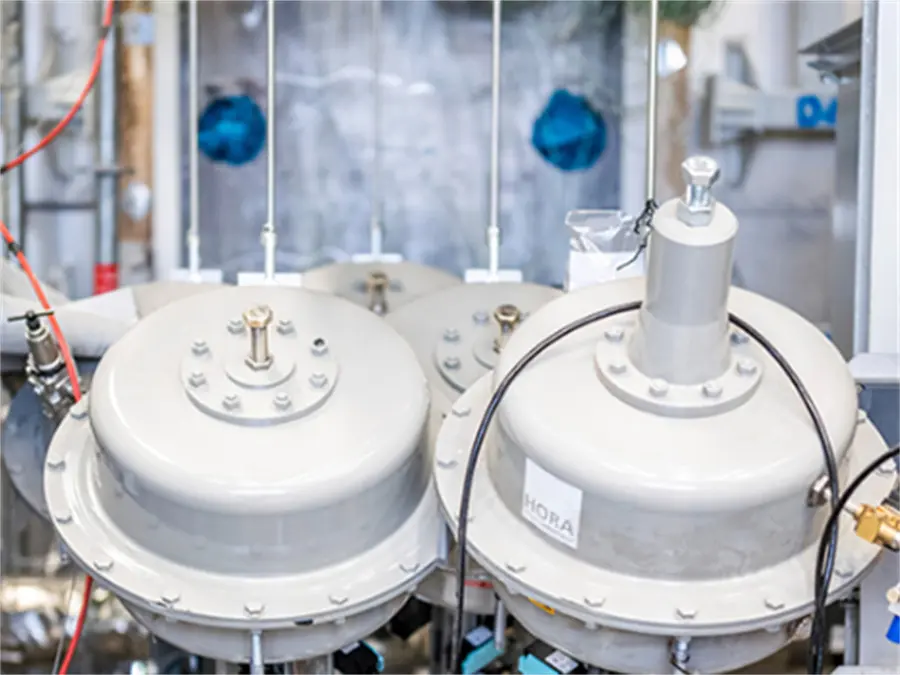
Next-gen molten salt formulations operate at higher temperatures, directly improving overall thermal-to-electric conversion efficiency.
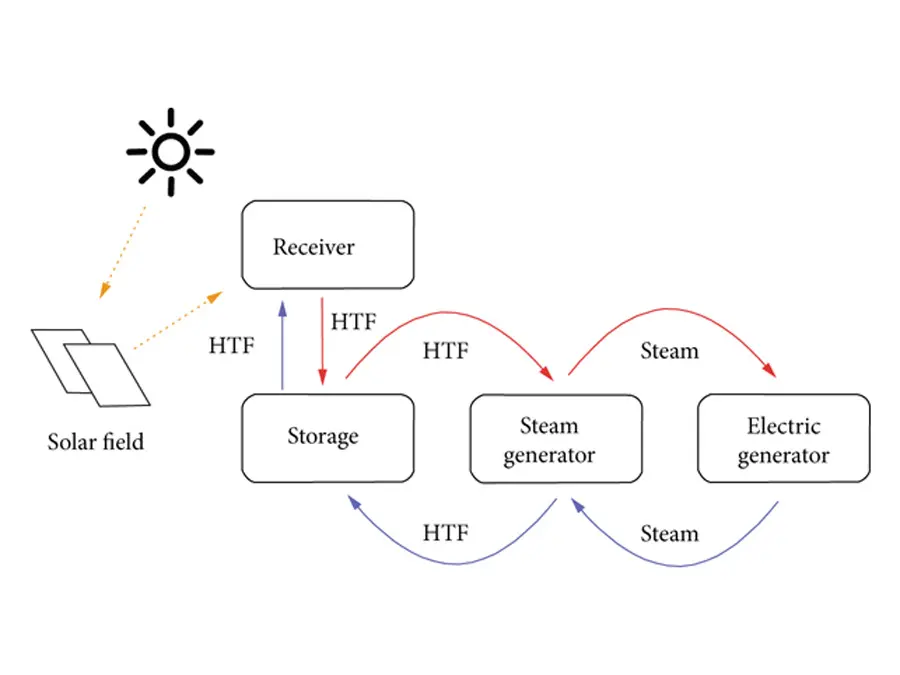
Exploring Concentrated Solar Power (CSP) systems utilizing dual-tank designs to provide stable electricity grids.

A deep look at grid-scale thermal storage solutions, evaluating capital recovery rates and system lifespans.
Expert answers to common engineering and procurement questions
Complete product catalog for fertilizer, glass tempering, and energy storage industries
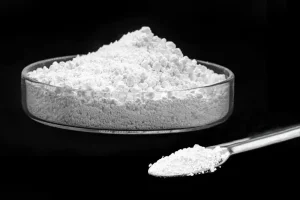
Partnering with energy and industrial developers worldwide


 VOJIN
VOJIN