Explore our industrial and solar grade inorganic salts designed to maximize density stability and high-temperature thermal performance.
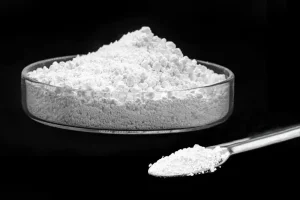
An in-depth whitepaper on thermodynamic performance, volumetric heat capacity, and fluidic stability.
The total heat stored in a Concentrated Solar Power (CSP) or industrial heating system is directly dependent on the volumetric heat capacity ($C_v$), defined as the product of mass density ($\rho$) and specific heat capacity ($C_p$). Under standard binary solar salt formulations (60% Sodium Nitrate, 40% Potassium Nitrate), density decreases linearly as temperature rises, transitioning from approximately $1,899 \text{ kg/m}^3$ at 290°C to $1,724 \text{ kg/m}^3$ at 565°C. High-purity engineering prevents unpredicted density degradation, ensuring predictable energy storage thresholds.
Fluid dynamics within solar tower piping require rigorous flow calculations. The mass flow rate ($\dot{m} = \rho \cdot A \cdot v$) dictates sizing requirements for piping and primary circulation pumps. A mismatch in molten salt density estimation introduces cavitation hazards and structural load variances. By securing highly stable salts from certified Chinese factories, engineering teams can maintain precise control over viscosity-density ratios, mitigating pumping power losses and stabilizing system efficiency.
Because molten salt expands upon melting and heating, thermal expansion coefficients must be explicitly planned for during tank design. If density calculations diverge by even 2%, containment tanks face early fatigue stress. Purity controls prevent the build-up of secondary contaminants like carbonates and sulfates, which shift the liquidus boundary and modify the density profile. Proper monitoring preserves critical density and minimizes corrosion rates on stainless steel alloys.
Custom-engineered raw materials tailored for high-temperature and agricultural applications.
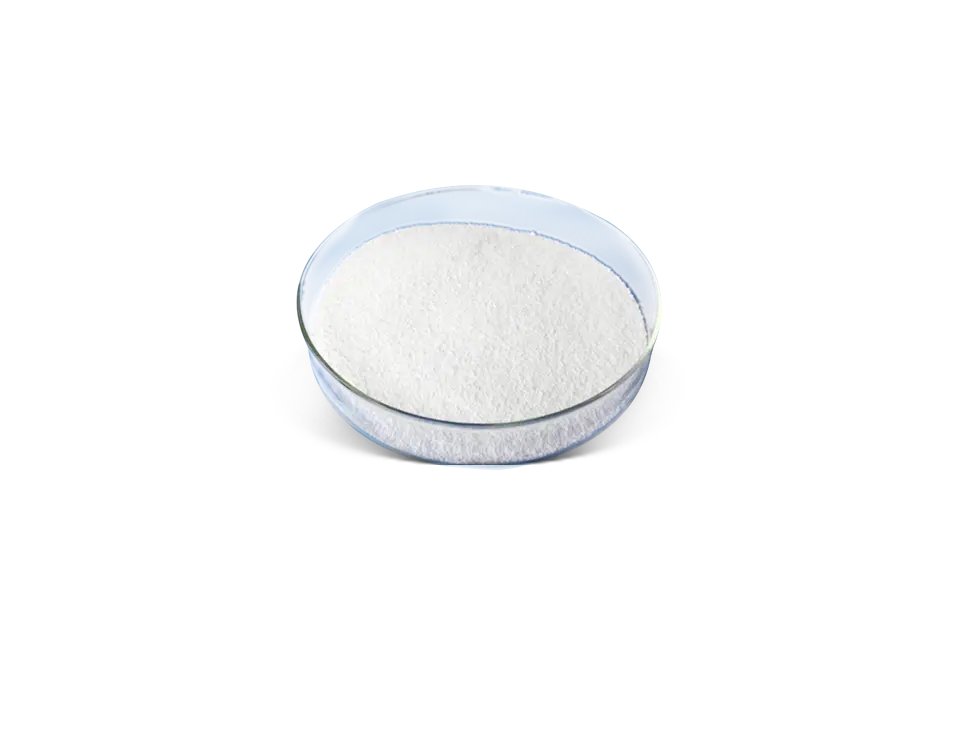
Industrial & Solar Grade Nitrates supporting solar thermal plants, heat transfer loops, and glass tempering processes.
View More
Highly soluble water fertilizers featuring potassium, calcium, and trace micronutrients for modern agriculture.
View More
Co-products refined to maximize processing efficiency and support auxiliary industrial operations.
View MoreBridging the gap between energy transformation, advanced industrial heating, and agricultural solutions.
Providing optimal phase transition profiles and elevated specific heat retention for concentrated solar plants and thermal storage systems.
View MoreSpecialty high-purity potassium and sodium formulations deployed in glass strengthening bath lines for commercial smartphones and display screens.
View MoreFacilitating thermal transfer in coal gasification, industrial steam plants, and high-temp catalytic processing applications.
View MoreAdvanced high-solubility nutrient delivery formulations that drive field productivity, root strength, and yield stability.
View MoreThe evolutionary trajectory of heat transfer fluids (HTFs) from standard binaries to ternary eutectics.
Current CSP commercial infrastructure relies heavily on binary nitrate mixtures. However, the future roadmap focuses on ternary mixtures, incorporating Calcium Nitrate or Lithium Nitrate to reduce the crystallization temperature limit to less than 150°C. Lowering this threshold reduces risk of crystallization, lowering auxiliary heating requirements. However, this impacts fluid density and shifts optimal pump pressures, demanding close coordination with specialized manufacturers during project design.
For systems operating above 700°C, such as generation-IV nuclear reactors or next-gen concentrated solar tower receivers, nitrate mixtures risk thermal decomposition. Our research and development focuses on chloride salts (NaCl-KCl-MgCl2) and carbonate salts (Li2CO3-Na2CO3-K2CO3). These formulations feature different density-viscosity dynamics, posing new materials science challenges for corrosion prevention in high-heat environments.
How high-density molten salts address global energy conversion challenges.
As wind and solar power generation expands, grid stability requires bulk energy storage. Molten salt installations allow thermal storage of surplus wind or solar energy, releasing it as steam for turbine generation during periods of low output. This provides a cost-effective, long-duration energy storage (LDES) alternative to lithium batteries.
Heavy chemical processing, steel processing, and cement manufacturing require high temperatures. By using molten salt loops to transport heat directly from thermal plants or electric heaters, industrial operations can cut fossil fuel dependencies, lower overall emissions, and improve heat recovery metrics.
Precise temperature control is critical for exothermic organic reactions. Molten salts serve as constant-temperature heat-sink fluids, preventing runaway reactions, improving yield rates, and extending catalyst service life.
Strategic manufacturing integration from Shanxi Vojin New Materials Co., Ltd.
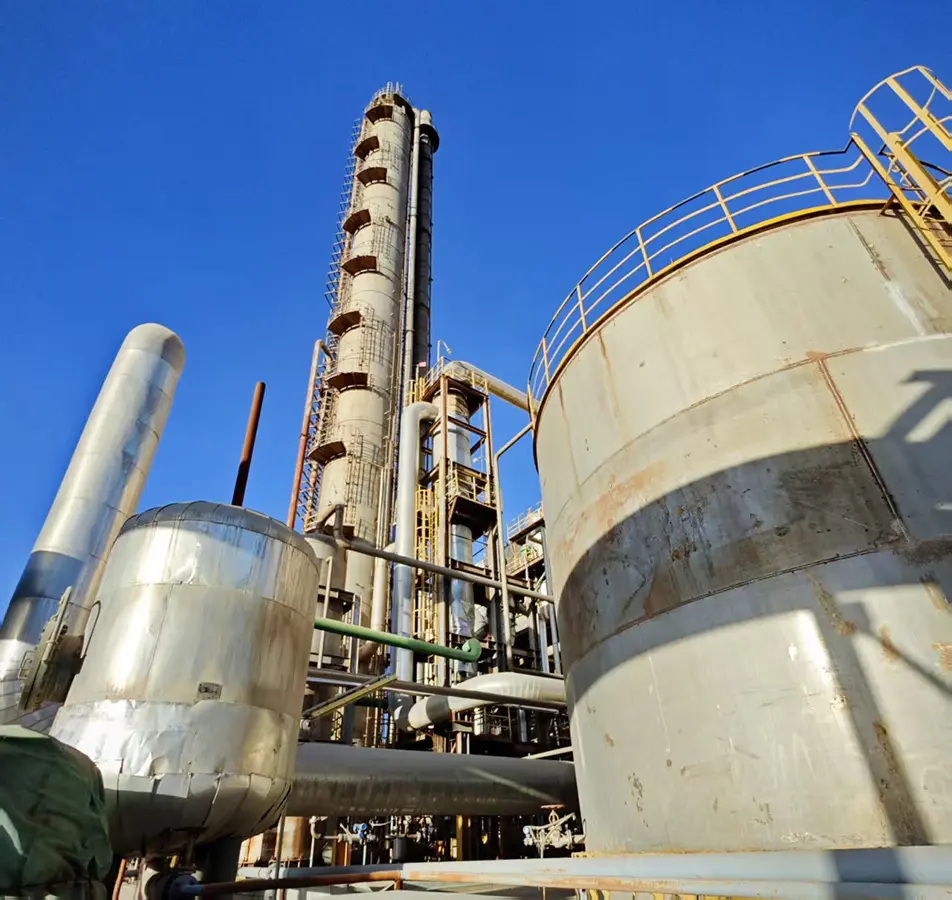
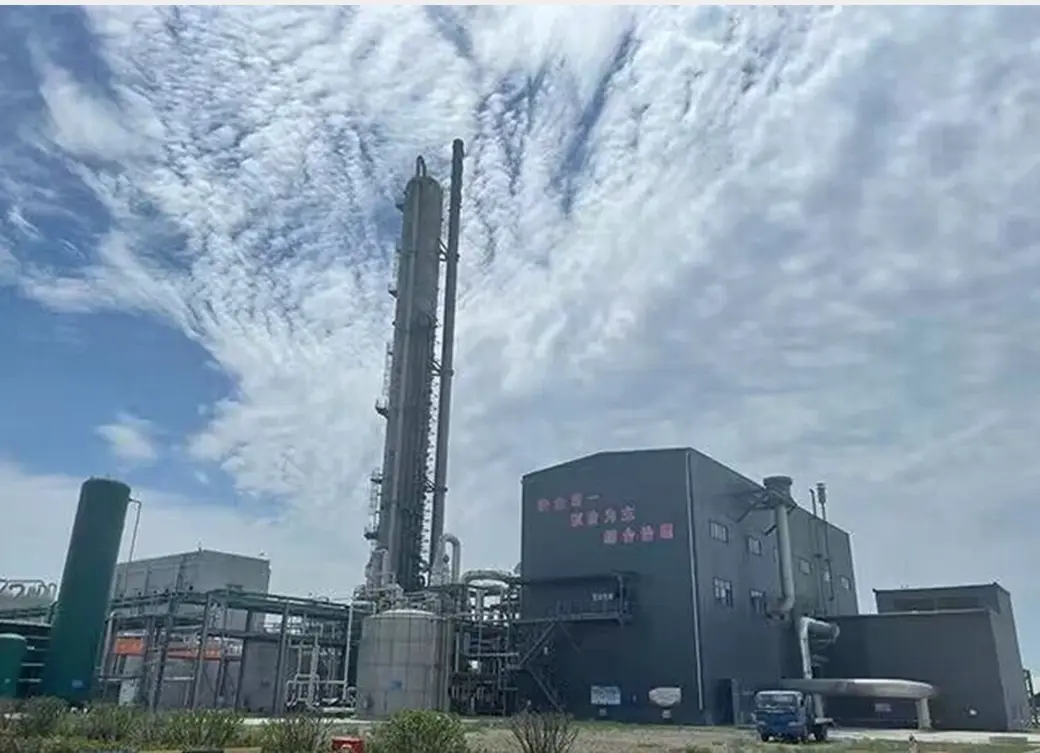
Based in Shanxi province—a region rich in high-quality potassium and sodium mineral deposits—Shanxi Vojin New Materials Co., Ltd. operates highly integrated production lines. Since our founding, we have scaled our annual production output to 600,000 tons of premium molten salts and nitrate chemicals.
Our Factory 4.0 facilities utilize automated crystallization lines, real-time purity monitoring, and strict density variance checks to meet high global quality standards. By controlling raw material inputs and refining processes, we manage purity anomalies down to the parts-per-million (ppm) range, limiting chloride and sulfate content that can accelerate corrosion.
This localized vertical integration delivers strong supply chain resilience, allowing us to offer cost-competitive solutions to international buyers even during periods of global supply volatility.
Flexible logistics and precise chemical specifications to meet international engineering needs.
We supply molten salts tailored to specific thermal configurations. Whether your project requires low-chloride inputs (<0.01%) to safeguard stainless-steel components, or specialized crystallization-point modifiers, our lab team can customize formulations to meet your target parameters.
Because nitrates are hygroscopic, moisture absorption during transport can lead to clumping and handling issues. We package materials in heavy-duty woven polypropylene bags with integrated polyethylene moisture-barrier linings. Shrink-wrapped, palletized, and containerized transport ensures the product arrives dry and ready for melting.
We work with international logistics providers to manage transit routes across Europe, the Middle East, the Americas, and Southeast Asia. Our proximity to key deepwater shipping ports enables fast, reliable shipping timelines.
Upholding strict global standards across environmental, social, and quality metrics.
Our export operations align with international regulations, including the European Union's REACH standards. We provide complete Safety Data Sheets (SDS), technical datasheets, and certificates of analysis (COA) for every batch. This documentation ensures seamless import clearance and compliance with occupational health and safety requirements at the destination plant.
We are committed to reducing the carbon footprint of our chemical refining operations. By optimizing heat recycling in our crystallization plants, utilizing solar energy for auxiliary facilities, and maintaining closed-loop water systems, we help our partners meet their ESG goals while supporting renewable energy development.
Addressing key engineering questions about density fluctuations, performance, and storage metrics.
Complete product range supporting high-temperature energy systems and chemical synthesis projects globally.
Partnering with Shanxi Vojin New Materials Co., Ltd. delivers quality and operational advantages.

Integrated experience in global exporting ensures smooth logistics, compliant customs documentation, and reliable delivery schedules.

Our 600,000-ton annual output capacity ensures reliable supply availability for large-scale utility projects and fertilizer distributors.
Our experienced technology and service teams provide timely project support, custom blending advice, and quality assurance updates.
We supply a wide range of formulations, including high-purity KNO3, NaNO3, and custom-grade nitrates, to meet varying operational needs.
Stay updated on progress in thermal energy storage and clean technologies.
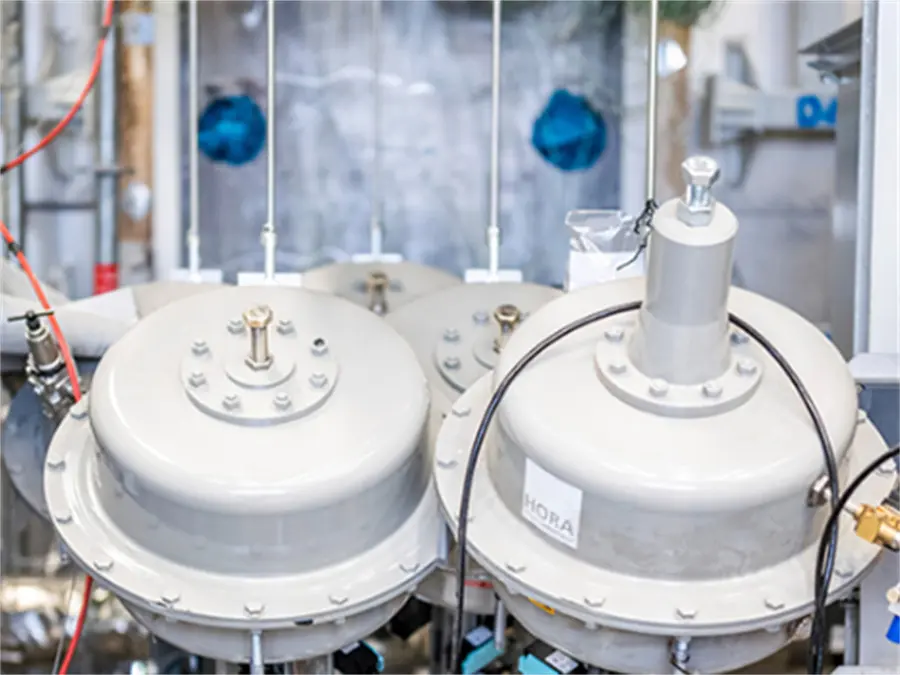 08.03.2024
Modern formulations operate at higher temperatures, helping to improve the thermal efficiency of concentrated solar power systems.
Read More →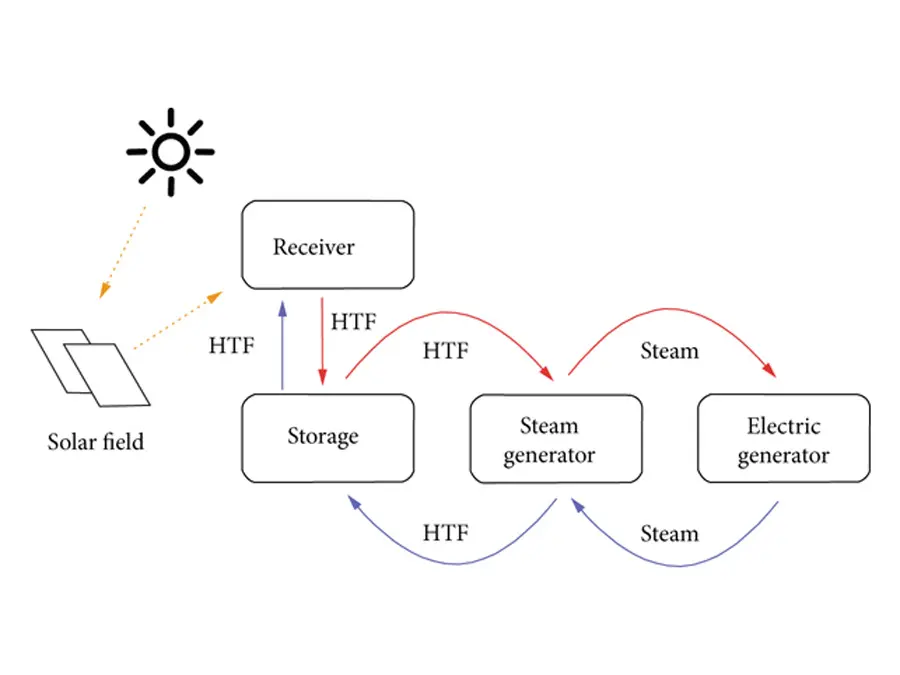 08.03.2024
Concentrated solar plants convert solar energy into grid electricity using high-density salts to store heat for dispatch during peak times.
Read More → 08.03.2024
Thermal energy storage has become a key solution for improving grid efficiency and stabilizing intermittent renewable generation.
Read More →We support established engineering partners and customers across global markets.


 VOJIN
VOJIN