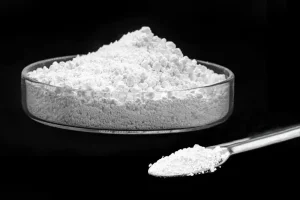
In the global quest to achieve carbon neutrality, thermal storage technology stands out as a critical cornerstone. Among various thermal storage mediums, binary molten salt—typically composed of 60% Sodium Nitrate (NaNO3) and 40% Potassium Nitrate (KNO3)—has emerged as the premier heat transfer and storage fluid. Operating efficiently at temperatures up to 565°C, molten salt systems provide the high energy density and structural stability required to bridge the gap between intermittent renewable energy generation and continuous, on-demand power distribution.
At Shanxi Vojin New Materials Co., Ltd., we understand that the contribution of molten salt to modern engineering extends far beyond simple thermal retention. Its chemical consistency directly influences the efficiency of Concentrated Solar Power (CSP) plants, industrial steam conversion, and grid-scale thermal energy storage systems (TES). By synthesizing high-purity nitrate salts with minimal impurities, our solutions help decrease equipment degradation, alleviate corrosion pathways in pipelines, and significantly maximize the operational lifespan of power generation infrastructure.
Enabling CSP systems to store solar thermal energy during peak daylight hours and generate continuous electricity throughout the night, resolving grid stability concerns.
Converting heavy industries (such as metallurgy, glass manufacturing, and chemical processing) from fossil fuels to clean, electrified thermal energy networks.
Advanced low-chloride formulations drastically lower the rate of localized pitting and stress corrosion cracking in high-alloy thermal receiver tubes and storage tanks.
The supply chain dynamics of molten salt are shifting rapidly. With key storage projects emerging across Europe, the Middle East, North Africa (MENA), and North America, energy project developers require chemical suppliers who can deliver immense volumes while adhering to strict purity specifications. The procurement of raw nitrates (Potassium Nitrate, Sodium Nitrate) is no longer a simple transactional purchase. Today, it demands rigorous quality assurance, robust logistical support, and stable pricing models to mitigate project risk.
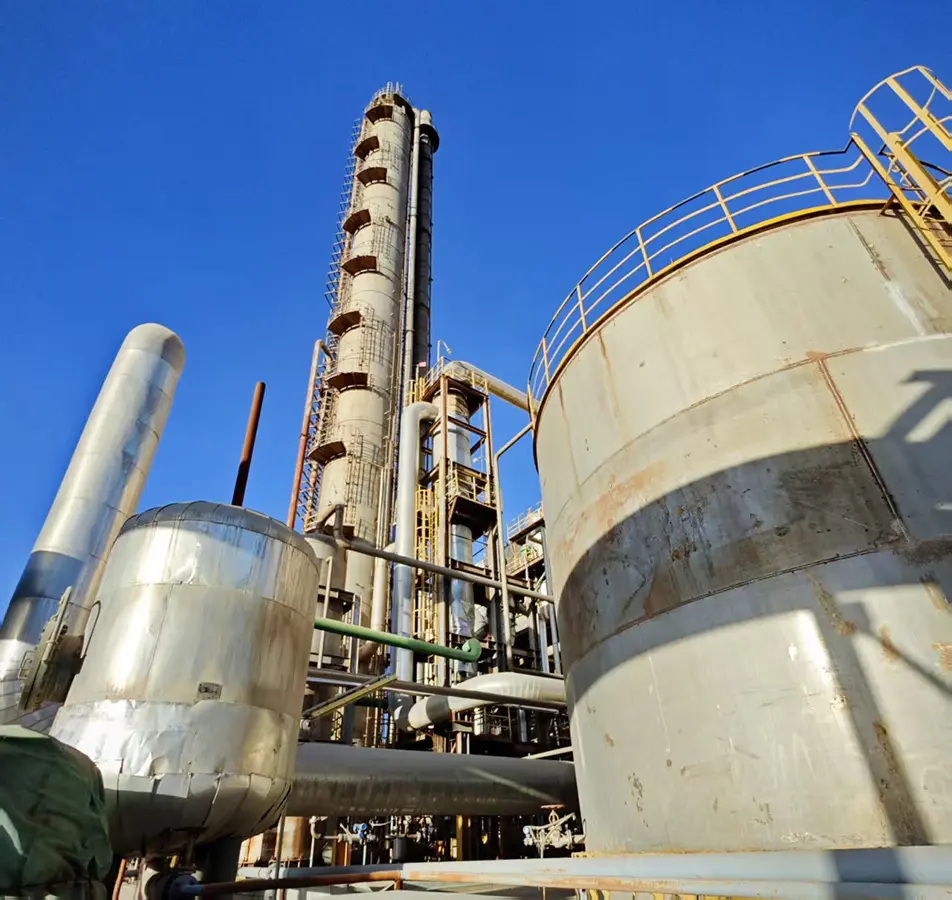
As a leading Wholesale Molten Salt Manufacturer, Shanxi Vojin operates a massive 600,000-ton annual capacity facility, making us a key stabilizing force in the global supply chain. Our integrated extraction, processing, and shipping networks guarantee that our industrial partners receive high-purity chemicals in large bulk quantities, direct from the factory, preventing shipping delays and local distributor markups.
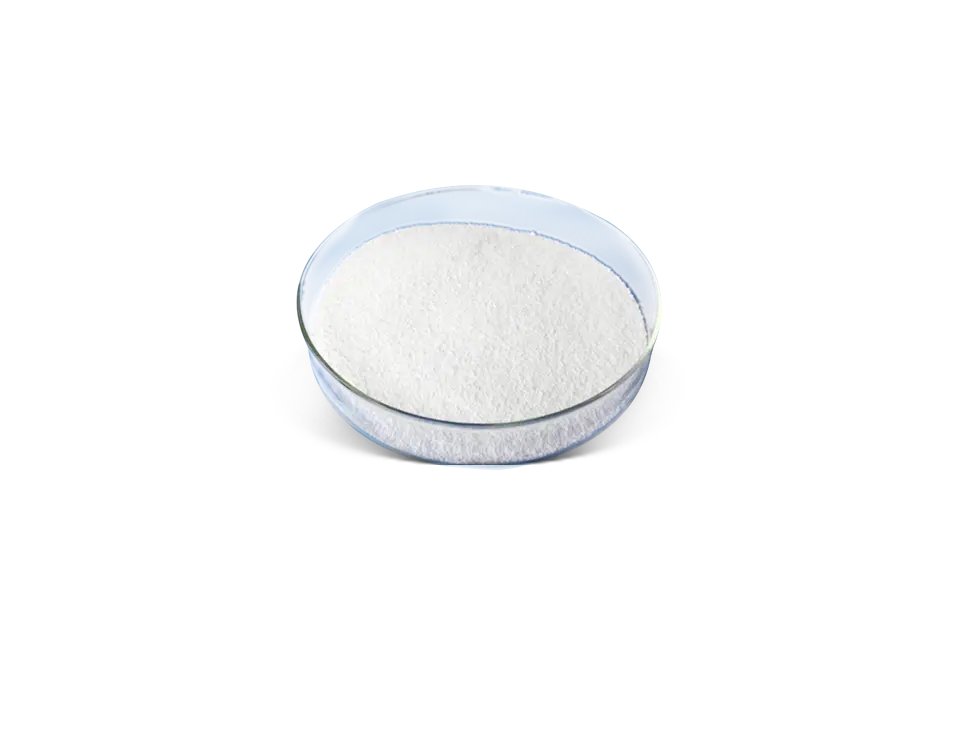
High purity industrial and agricultural grade nitrates designed for high performance.

Water-soluble fertilizers supplying key trace elements for global agricultural optimization.
Derived industrial inputs designed to reduce waste and maximize resource efficiency.
The thermal energy storage sector is entering a phase of rapid innovation. While binary nitrate salts remain the industry standard, researchers and developers are looking to expand operational temperature limits. Next-generation systems are shifting towards ternary nitrate mixtures, carbonate eutectic compositions, and chloride-based salts. These advanced formulations aim to increase working temperatures beyond 700°C, significantly enhancing the thermodynamic efficiency of power cycles (such as supercritical CO2 Brayton cycles).
However, running systems at higher temperatures accelerates chemical decomposition and corrosion. Addressing these hurdles requires advanced manufacturing techniques and precise impurity control. Shanxi Vojin is actively investing in research and development to manufacture ultra-low chloride and sulfate salts. Our technical roadmap focuses on protecting storage systems from corrosive wear, helping our clients deploy long-term, high-temperature thermal networks without premature equipment failures.
Standard solar salt (NaNO3 + KNO3). Reliable performance from 290°C to 565°C. The current global benchmark for CSP and basic industrial thermal energy storage.
Adding Calcium Nitrate [Ca(NO2)2 / Ca(NO3)2] to lower melting points down to 120°C, reducing freezing risks and energy consumption for tracing systems.
Chloride (NaCl-KCl-MgCl2) and carbonate formulations targeted for advanced nuclear reactors, green hydrogen plants, and industrial heat systems exceeding 700°C.
Crucial for Concentrated Solar Power (CSP) systems, allowing plants to store solar heat and generate electricity 24/7, even without sunlight.
Utilized in chemical strengthening processes for high-durability cover glasses used in smartphones, tablets, and flat-panel displays.
Supplying continuous high-temperature heat for coal conversion, petroleum refining, and general chemical synthesis operations.
Serving as high-solubility, pure nutrient inputs for modern drip irrigation, greenhouses, and precision agricultural applications.
Integrated global logistics and export operations since 2000. We ensure seamless customs clearances and reliable delivery of large product shipments.
Annual production capacity exceeding 600,000 tons of molten salts and nitrates, providing pricing stability and inventory reliability during peak project phases.
Our experienced chemical engineering team is available to help customize formulations, analyze salt quality, and support system start-up phases.
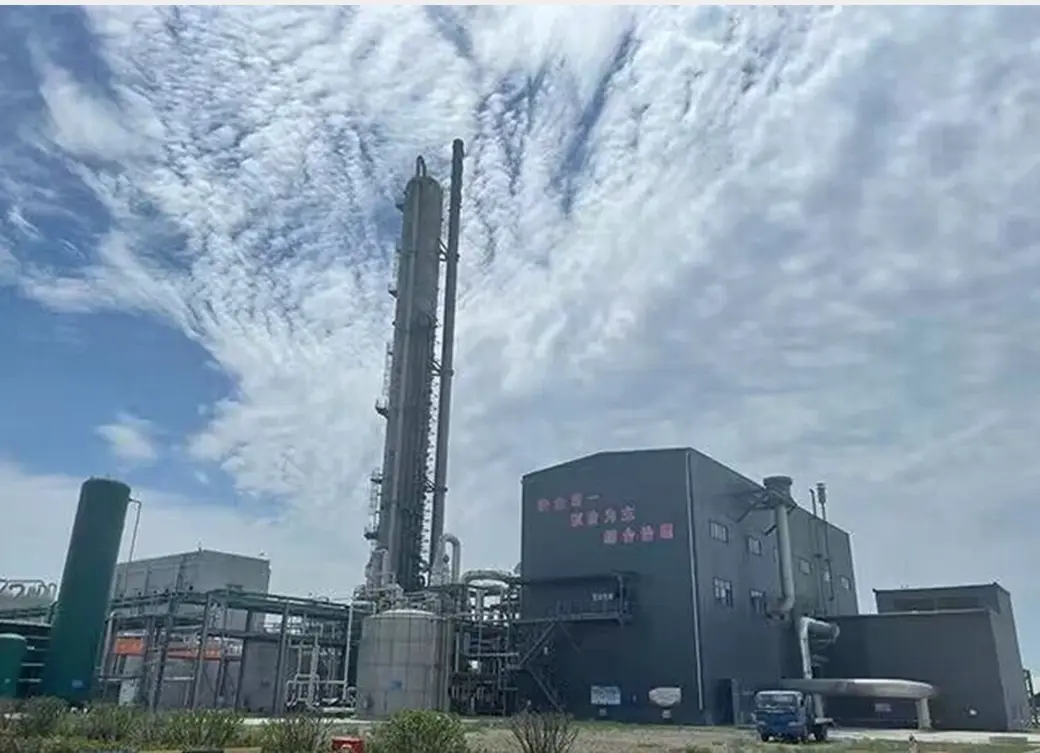
Driven since 2000, we have been committed to an entrepreneurial spirit and a passion for continuous innovation. Our team takes pride in delivering dependable products and services with a quality distinction in thermal energy storage and water-soluble fertilizer industries globally.
Located in the heart of Shanxi's industrial chemical region, we leverage rich local raw material reserves and efficient infrastructure. Over the last two decades, we have transitioned from a regional chemical supplier to an international export leader. Our advanced quality-control processes guarantee that every batch of sodium nitrate, potassium nitrate, and calcium nitrite meets international standards.
We work closely with global design institutes, EPC contractors, and end-users to optimize the chemistry of molten salt, enabling a cleaner, more sustainable energy future.
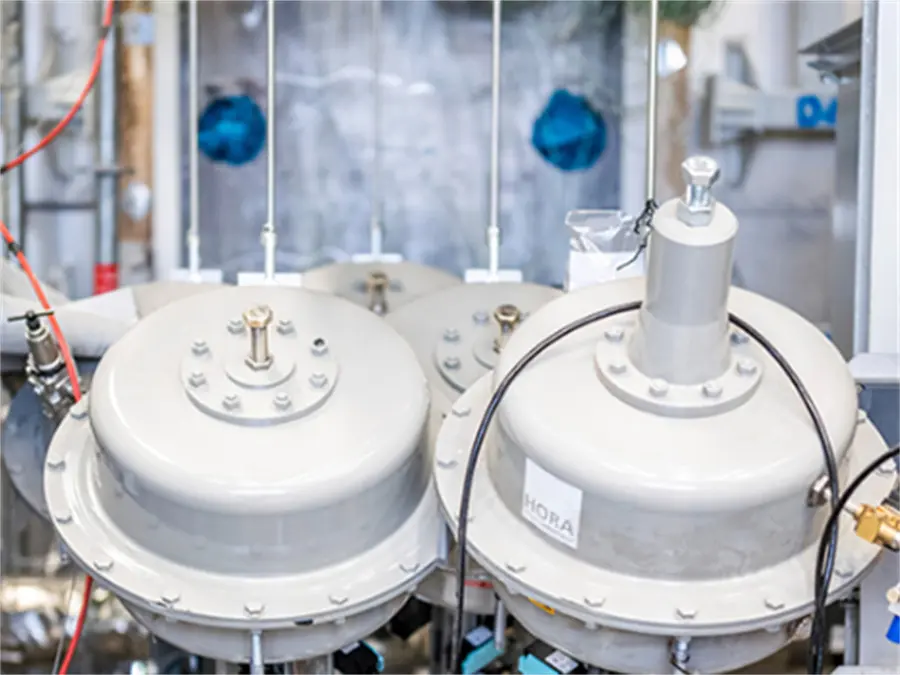
08/03/2024 - Research highlights the impact of high-temperature molten salt on the thermodynamic efficiency of solar receiver tubes.
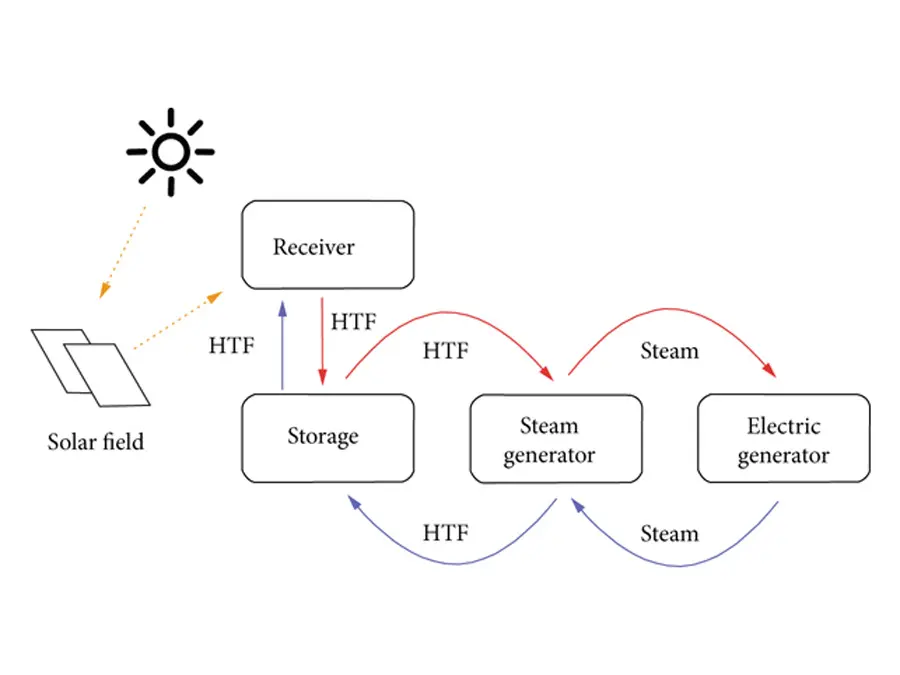
08/03/2024 - How concentrated solar energy plants utilize binary salts to generate continuous electricity throughout the night.

08/03/2024 - Emerging applications of molten salts in buffering industrial process heat and stabilizing local grids.
Standard solar salt consists of 60% Sodium Nitrate (NaNO3) and 40% Potassium Nitrate (KNO3) by weight. This eutectic ratio is designed to minimize the melting point to approximately 220°C while maintaining thermal stability up to 565°C, providing an ideal operational window for concentrated solar power plants and high-temperature industrial heating processes.
Impurities like chloride (Cl-) and sulfate (SO4 2-) significantly accelerate the corrosion of steel piping, storage tanks, and pump impellers at high temperatures. High chloride levels cause pitting and stress-corrosion cracking in stainless steel alloys. Shanxi Vojin manufactures low-chloride solar salts (typically below 50-100 ppm) to protect equipment and prolong the life of thermal storage facilities.
Because binary molten salts freeze at around 220°C, piping systems are equipped with electric heat tracing and robust insulation. In addition, operators maintain flow speeds above minimum thresholds, or utilize ternary compositions (adding calcium nitrate) which lower the melting point to approximately 120°C, lowering freeze risk and operational costs.
Sodium and Potassium Nitrate are oxidizers. They must be stored in dry, well-ventilated areas, away from organic materials, flammable substances, and strong reducing agents. Shanxi Vojin supplies these materials in specialized moisture-proof bags or big bags, with full safety documentation in compliance with international chemical handling codes.
With proper chemistry management and minor top-ups, molten salt can last for the entire design life of a Concentrated Solar Power (CSP) plant, typically 25 to 30 years. Maintaining operating temperatures within design limits prevents thermal decomposition of the nitrates into nitrites and oxides, preserving thermal capacity.






 VOJIN
VOJIN