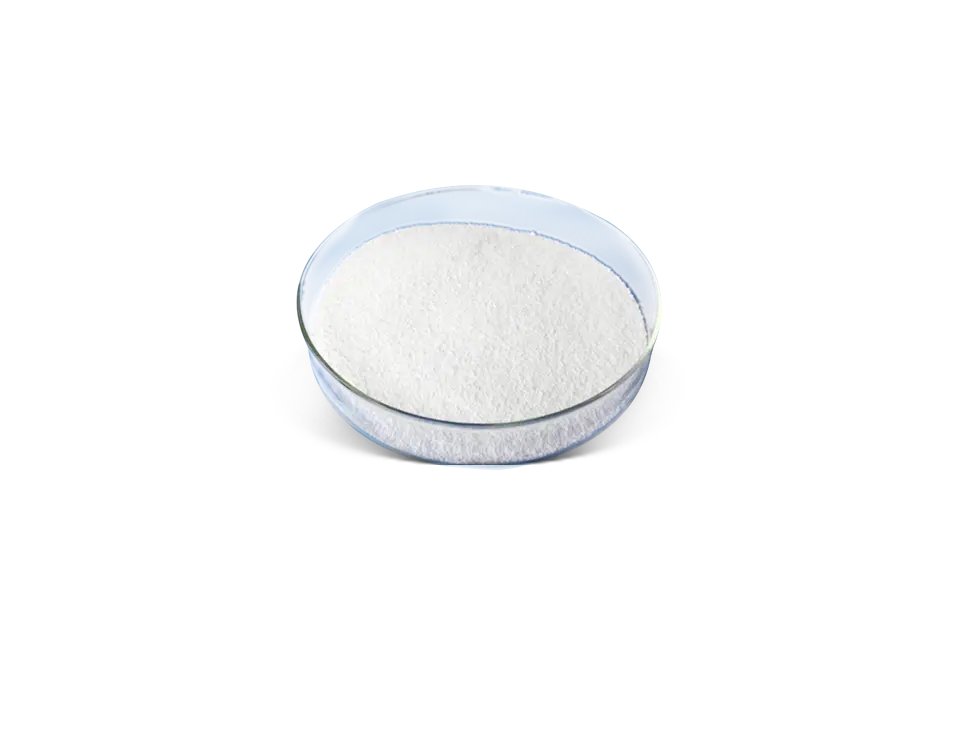
Direct from Shanxi Vojin New Materials: High-purity inputs for thermal energy storage and crop nutrition.
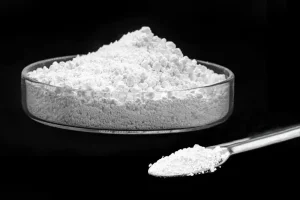
Delivering high-purity inorganic chemicals globally with verified execution and scale.
Premium classifications engineered to meet specific industrial, thermal, and agricultural requirements.
Unlocking Next-Generation High-Temperature Thermal Energy Storage & Industrial Decarbonization Pathways
This whitepaper details the structural dynamics of nitrate-based molten salt eutectic mixtures. As global energy frameworks move from carbon-heavy generation to dispatchable renewable energy, the "Molten Salt Concept" has transitioned from a theoretical design to a multi-gigawatt utility-scale reality. By analyzing technical impurities, crystallization profiles, and regional supply logistics, this document serves as a procurement blueprint for global energy developers, engineering firms (EPCs), and glass manufacturing plants.
The core concept of molten salt revolves around using liquid salts as a high-temperature heat transfer fluid (HTF) and sensible thermal energy storage (TES) medium. Eutectic combinations of Sodium Nitrate (NaNO3) and Potassium Nitrate (KNO3) are widely used due to their broad liquid phase range (typically from 220°C to over 550°C), low vapor pressure at high temperatures, high density, and high heat capacity. The standard formulation, known as "Solar Salt" (consisting of 60% NaNO3 and 40% KNO3), provides a cost-effective medium for large-scale energy storage.
In recent years, the molten salt concept has expanded into new industrial areas. Researchers and designers are exploring ternary and quaternary salt mixtures—adding nitrates, nitrites, or chlorides like Calcium Nitrate (Ca(NO3)2) or Lithium Carbonate (Li2CO3)—to lower the melting point toward 100°C. Lowering the minimum temperature reduces the energy required to prevent salt freezing in pipelines, which improves the overall efficiency of CSP plants and advanced thermodynamic cycles.
Across the globe, industrial thermal processes account for a large portion of greenhouse gas emissions. Substituting fossil fuels with renewable electricity stored as thermal energy in molten salts represents a viable path toward decarbonization. Today's commercial facilities leverage molten salt towers not only for electricity generation but also for generating high-pressure steam for heavy chemical processes, district heating, and hydrogen production.
In Europe, the Middle East, and North Africa (MENA), as well as North America, the development of Concentrated Solar Power (CSP) facilities relies heavily on the availability of industrial-scale nitrate supplies. By decoupling solar harvesting from power generation, these systems allow utilities to dispatch electricity on-demand, during peak evening hours or when the wind is not blowing, stabilizing the power grid.
When purchasing molten salt components at a wholesale level, quality assurance teams focus on chemical purity. Small percentages of impurities can lead to major operational issues over a plant's 25-to-30-year lifespan. Procurement specialists evaluate the following parameters:
As a result, leading global procurement managers are moving away from standard agricultural-grade nitrates in favor of specialized, high-purity industrial and solar-grade salts. Securing long-term contracts with vertically integrated manufacturers ensures chemical consistency and helps manage supply chain risks.
Operating a 1,000-acre facility in Shanxi, China, Shanxi Vojin New Materials Co., Ltd. utilizes modern manufacturing processes to maintain consistent product quality. Our transition toward China Factory 4.0 integration includes:
This combined approach allows us to maintain an annual capacity of 600,000 tons. This scale helps protect our global partners from market fluctuations and supply shortages that can disrupt major industrial projects.
The applications for Vojin New Materials' products vary by region and industry:
How our high-purity nitrates power modern clean energy, glass manufacturing, and agricultural projects.
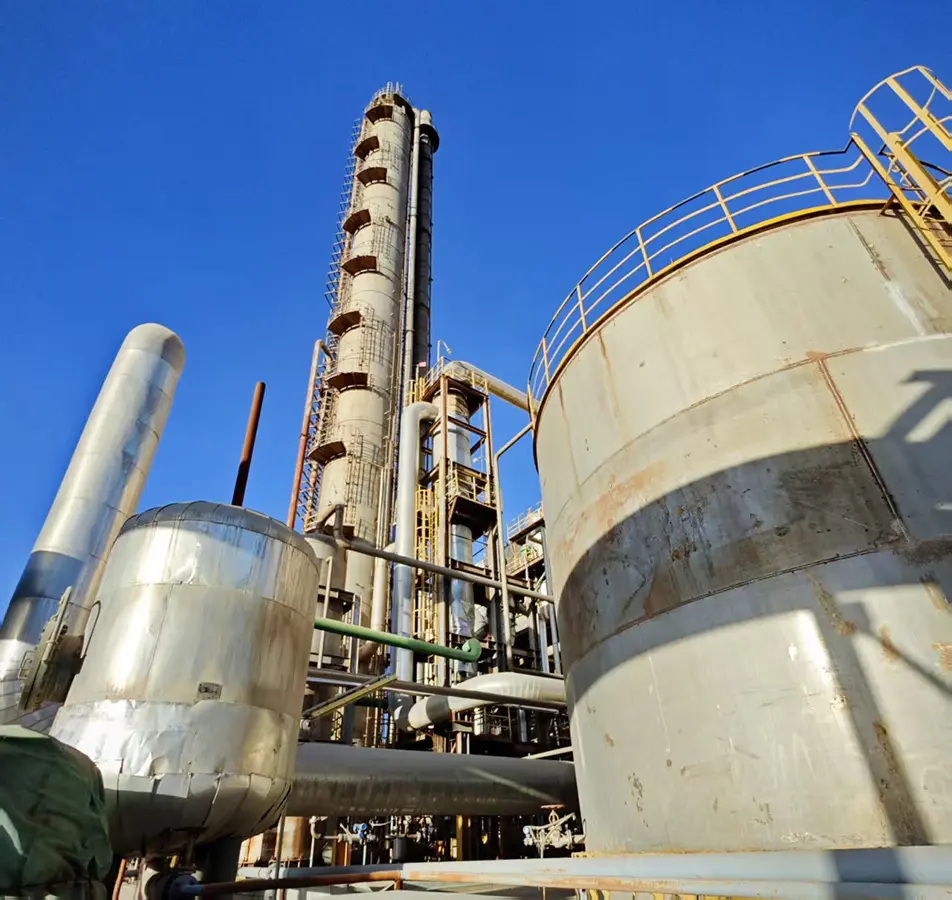
Founded in 2010 with origins dating back to 2000, Shanxi Vojin New Materials Co., Ltd. is committed to delivering dependable products and services within the thermal energy storage and water-soluble fertilizer industries globally.
Our export network reaches over 40 countries, supported by chemical engineering staff, modern laboratory facilities, and systematic quality assurance processes. We focus on consistency and reliability in every batch.
Why industrial procurement teams choose Vojin New Materials for long-term partnerships.

Integrated export management ensuring compliance with international trade regulations and smooth port clearance.
An annual capacity of 600,000 tons of molten salt components ensures we can meet large-scale industrial demands.
Our engineering and customer support teams assist with chemical specifications and logistics management.
A broad portfolio, including KNO3 and NaNO3 in various purities, to meet diverse industrial requirements.
Answering common questions regarding molten salt composition, purities, logistics, and applications.
The standard formulation for Concentrated Solar Power (CSP) systems is "Solar Salt," consisting of 60% Sodium Nitrate (NaNO3) and 40% Potassium Nitrate (KNO3) by weight. This binary mixture is selected because it balances a relatively low melting point (approx. 220°C) with thermal stability up to 600°C.
Impurities like chlorides (Cl-) and sulfates (SO42-) increase the corrosiveness of the liquid salt mixture, which can accelerate the wear of stainless steel alloys in high-temperature tanks. Carbonate impurities can form insoluble residues that build up in heat exchangers and pipes, reducing overall system efficiency.
We use multi-layer, moisture-resistant packaging and control moisture levels during the manufacturing process to minimize water absorption. For long-distance shipping, we also offer vacuum-sealed options to protect product quality from humidity changes during transport.
Lead times depend on the order volume, product specification, and shipping destination. Thanks to our 600,000-ton annual capacity, we maintain regular stock of standard industrial-grade nitrates, allowing us to process and ship orders efficiently.
Updates on thermal energy storage technologies and industrial nitrate applications.
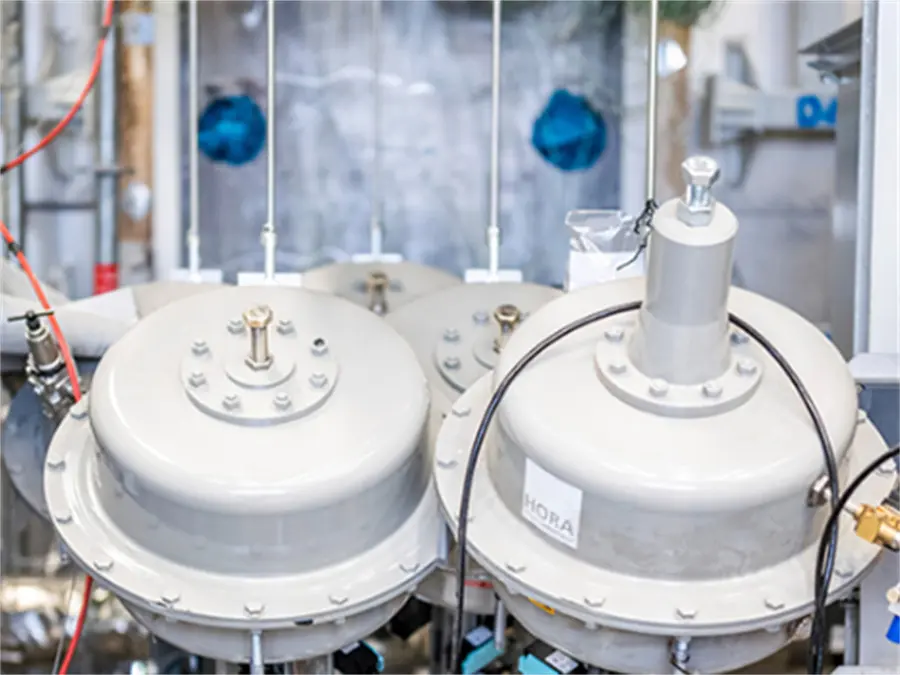
Discover how modern thermodynamic cycles use liquid salts to improve power plant efficiency.
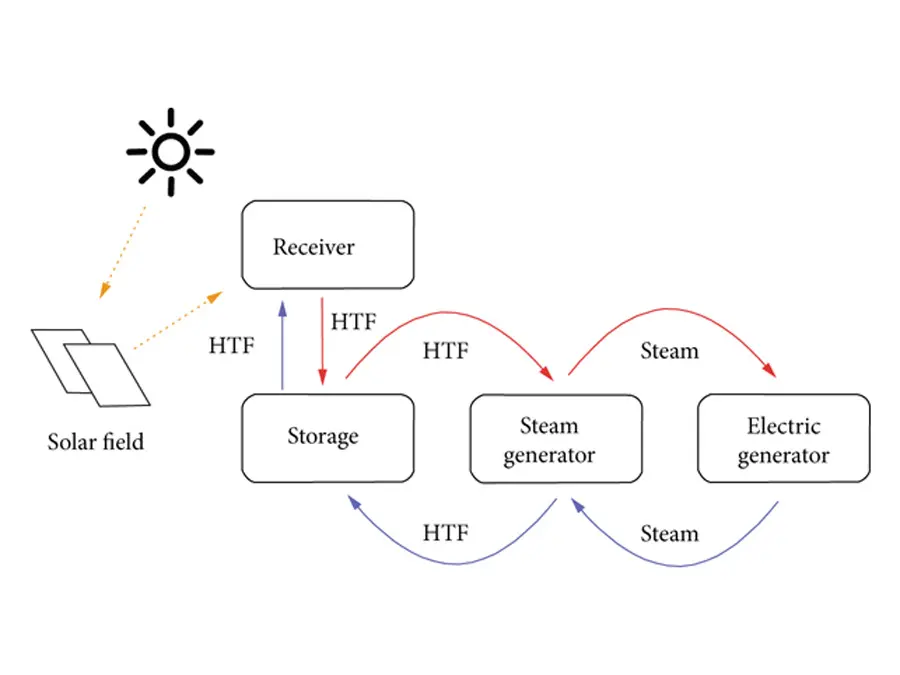
An analysis of central receiver solar power stations and their storage media requirements.

How high-purity inorganic nitrates provide stable heat storage for modern grid networks.
Serving clean energy EPC developers, glass tempering plants, and global chemical distributors.


High-purity salts engineered for glass tempering, water treatment, and specialized industrial manufacturing.
 VOJIN
VOJIN