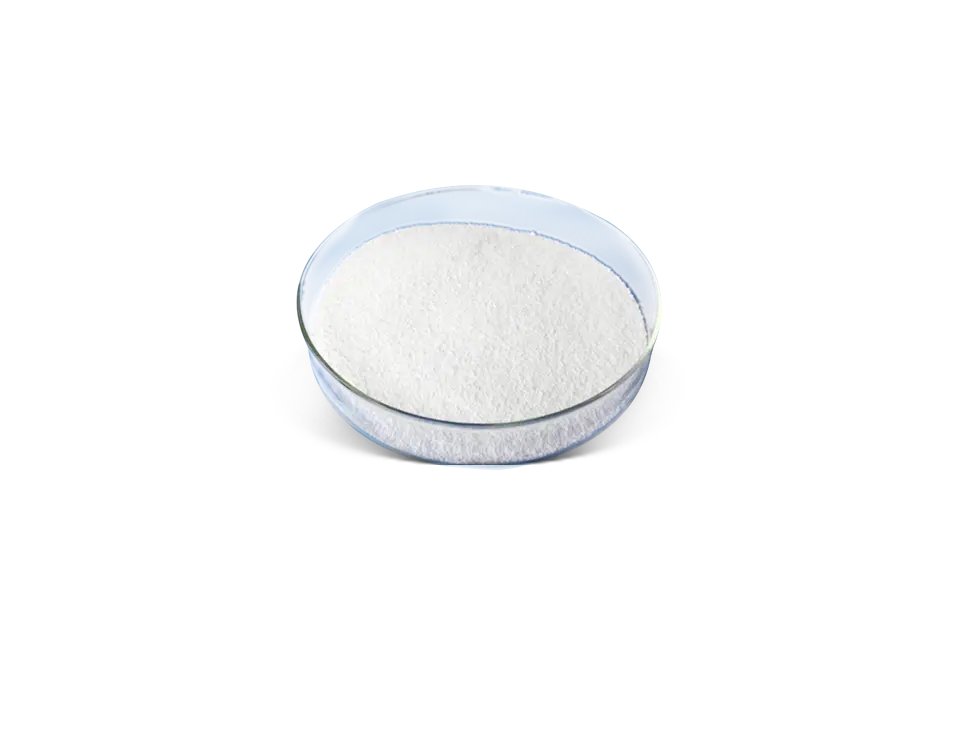
Explore our industrial range of high-purity nitrate series, industrial carbonates, and agricultural-grade formulations shipped globally.
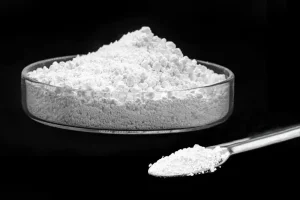
In the global drive towards decarbonization and industrial electrification, thermal energy storage (TES) has emerged as a cornerstone technology. Among the various media utilized for medium-to-long-duration thermal storage, molten salts occupy a highly critical position. Their unique combination of high thermal density, wide operating temperature windows, low vapor pressure at elevated temperatures, and superior heat transfer characteristics makes them indispensable. However, the performance, cost-effectiveness, and system longevity of molten salt installations are heavily dependent on the specific classification and formulation of the salts.
From a thermodynamic perspective, molten salts operate by absorbing sensible heat through phase changes or temperature variations without changing state to a gas. When formulating solar salts or industrial thermal fluids, engineers must balance the liquidus temperature (melting point) against the thermal decomposition limit. A high melting point increases the risk of crystallization (freezing) within piping networks, requiring expensive heat-tracing systems. Conversely, a low thermal decomposition limit restricts the maximum operating temperature of steam turbines, directly reducing the thermodynamic efficiency of power conversion. Shanxi Vojin New Materials Co., Ltd. addresses this paradigm by manufacturing highly tailored compositions optimized for maximum efficiency.
Different industrial applications demand varying physical and chemical profiles. Molten salts are broadly classified based on their primary anionic and cationic constituents. The four main classes dominating today’s industrial landscapes are:
Typically composed of 60% Sodium Nitrate (NaNO3) and 40% Potassium Nitrate (KNO3). This eutectic mixture features a melting point of approximately 220°C and remains stable up to 565°C. It is the global standard for Concentrated Solar Power (CSP) plants due to its cost-efficiency and reliable thermophysical attributes.
Formulations such as Hitec Salt (53% KNO3, 40% NaNO2, and 7% NaNO3) lower the melting threshold dramatically to 142°C. While this virtually eliminates freezing risks in industrial piping, the presence of nitrites limits the upper thermal boundary to around 450°C-500°C due to oxidation kinetics.
For high-temperature applications exceeding 700°C, mixtures containing Lithium Carbonate (Li2CO3), Sodium Carbonate, and Potassium Carbonate are utilized. These salts offer high specific heat capacity and thermal stability, though they require sophisticated corrosion mitigation strategies.
Understanding these classifications is vital for project design. For example, in a parabolic trough CSP facility, using a ternary nitrite mix reduces auxiliary heating requirements during overnight standby periods. In next-generation solar towers, the higher operating limit of binary nitrates allows for steam generation at supercritical parameters, boosting the power block's electrical output.
The technological trajectory of molten salt systems is moving rapidly toward higher temperatures and longer operational lifespans. As supercritical carbon dioxide (sCO2) power cycles move from pilot phases to commercial deployment, thermal fluids must withstand temperatures exceeding 700°C. To meet this demand, research is shifting toward chloride salts (such as NaCl-KCl-MgCl2) and fluoride salts (LiF-NaF-KF). These salts possess incredibly high thermal thresholds but present extreme corrosion challenges for structural alloys.
Vojin New Materials is actively engineering the next phase of this roadmap. By refining crystallization processes to lower trace contaminants—such as sulfates, chlorides, and heavy metals—we extend the life of storage tanks and molten salt heat exchangers by up to 35%. Our R&D department is currently piloting proprietary salt stabilizers that suppress decomposition reactions, effectively raising the thermal limit of classic binary nitrates by 20°C.
While solar power tower plants represent the most visible application of molten salts, industrial energy transitions demand much broader usage cases. Eutectic molten salts are increasingly being deployed in the following sectors:
Operating from a state-of-the-art 1000-acre manufacturing zone, Shanxi Vojin New Materials Co., Ltd. represents the absolute frontier of Chinese Industry 4.0 manufacturing. With an annual production capacity exceeding 600,000 tons of molten salts and industrial inorganic chemicals, our supply chain represents resilience, low overhead, and guaranteed continuity.
By integrating real-time Distributed Control Systems (DCS) with automated packaging lines and high-accuracy magnetic sorting machinery, we maintain an exceptionally consistent product. Our location in Shanxi provides a direct logistical advantage, utilizing localized raw material basins that shelter our global partners from price fluctuations. The result is a highly integrated, zero-delay manufacturing framework that translates into cost-savings and rapid lead times for international developers.
Deploying thousands of tons of chemicals requires rigorous international standards. Vojin is certified under ISO 9001:2015 for quality management, ISO 14001:2015 for environmental protection, and OHSAS 18001 for occupational health. Every batch undergoes testing before dispatch, accompanied by SGS or Intertek inspection certificates outlining exact impurity limits.
For European projects, our materials comply fully with REACH regulations. For shipments into North America and Asia-Pacific markets, we provide comprehensive Safety Data Sheets (SDS) and customized packaging solutions—including moisture-barrier sea containers and anti-static bulk bags—ensuring that the salt arrives completely dry, free of lumps, and ready for immediate tank charging.
Decades of manufacturing excellence driving the global green energy transition.
Our custom thermal salts and minerals perform at the highest limits of chemistry.
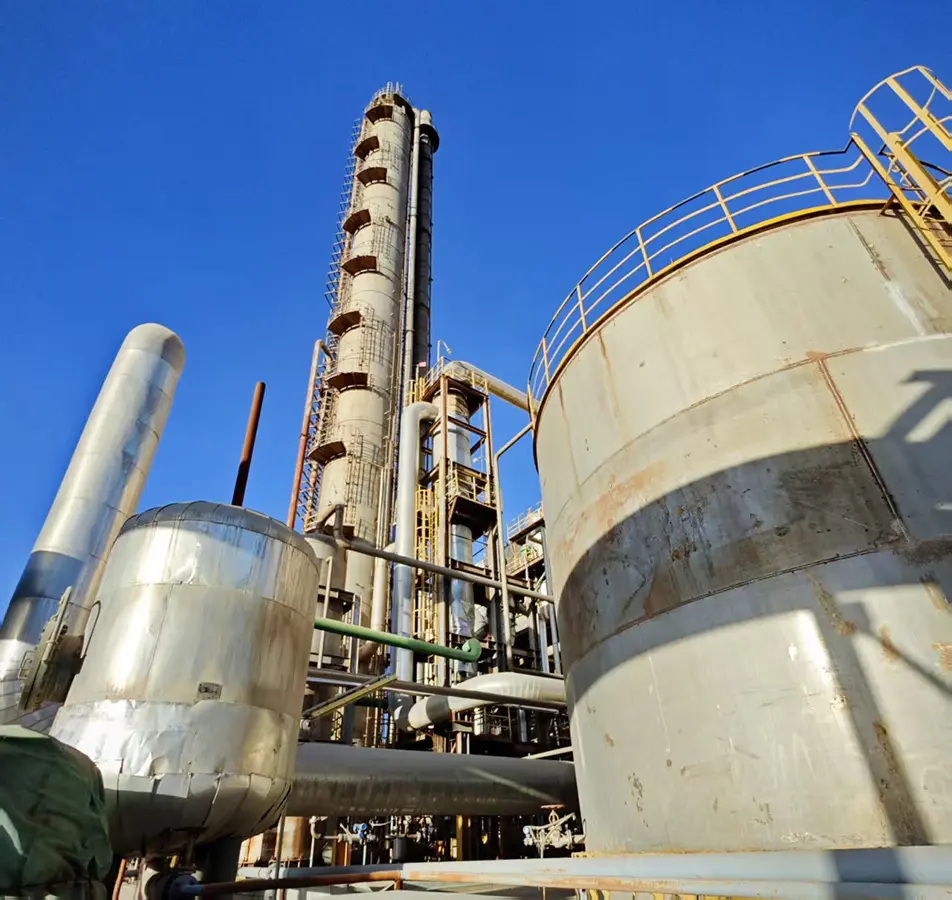
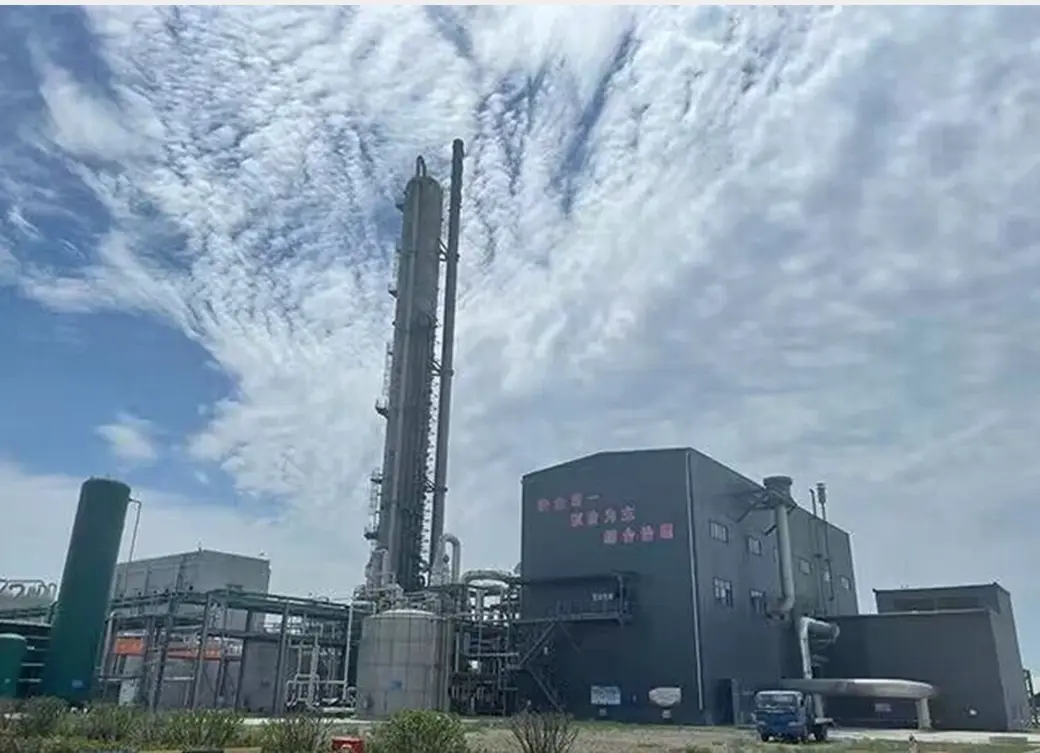
Driven since 2000, we have been committed to the entrepreneurial spirit and passion for innovation. Our team takes pride in delivering dependable products and services with a quality distinction in thermal energy storage & water-soluble fertilizer industries globally. The company was established in 2010 with a manufacturing area of approximately 1000 acres, ensuring substantial volume supply capacities for national and international scale installations.
View More About UsWhy project managers choose Vojin New Materials as their primary supply partner.
Integrated experience on exporting operation. Always assure your customers good quality.
Annual output 600,000 Ton Molten salts and high-performance chemical minerals.
Experienced technology skill & service team. Quick response to our global customer network.
Multiple items for selection such as KNO3, NaNO3 to meet various technical needs of customers.
Stay updated with our breakthroughs in thermal dynamics, solar plants, and chemistry.
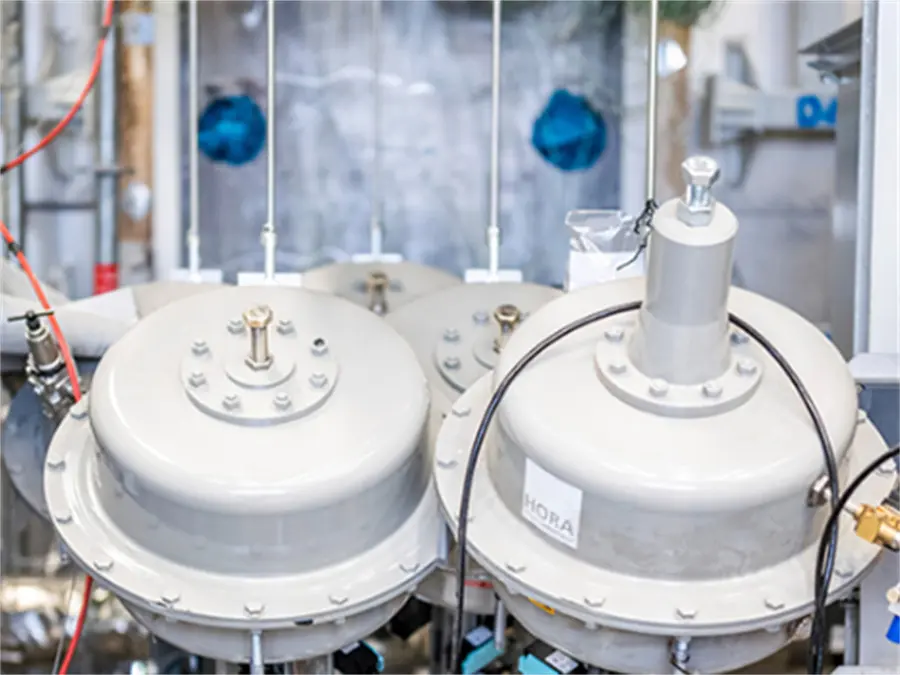
The technology can operate at higher temperatures, which has a positive impact on conversion efficiency...
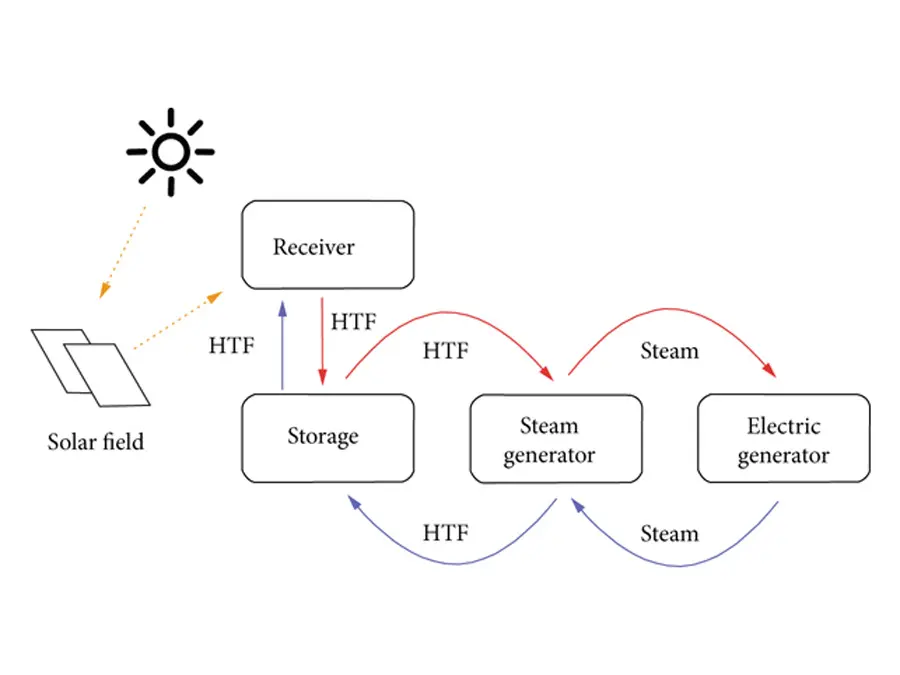
A concentrated solar power plant converts solar energy to electricity. It is based on advanced fluids...

Molten salt energy storage has emerged as a promising solution for enhancing grid-level reliability...
Get answers to common engineering questions concerning molten salt chemistry, shipping, and classification.
Collaborating with leading power utility companies, chemical distributors, and agricultural networks worldwide.


Complete your sourcing workflow with our secondary industrial carbonates, nitrites, and water purification agents.
 VOJIN
VOJIN