Premium raw chemical solutions manufactured under strict ISO quality control protocols for global shipping
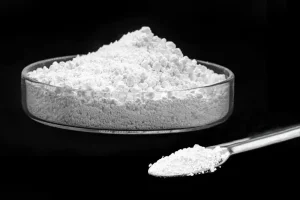
In the transition toward zero-carbon energy grids, molten salt technology has transitioned from a niche chemical application to a cornerstone of modern thermal engineering. As global energy grids face the intermittency challenges of wind and photovoltaic generation, Concentrated Solar Power (CSP) plants integrated with thermal energy storage (TES) present a dispatchable, baseload renewable solution. Molten salt, primarily binary mixtures of Sodium Nitrate (NaNO3) and Potassium Nitrate (KNO3), works as both a heat transfer fluid (HTF) and a thermal storage medium, retaining heat at temperatures exceeding 560°C.
Beyond CSP plants, the commercial footprint of molten salts is expanding rapidly into nuclear energy infrastructure—particularly Molten Salt Reactors (MSRs)—and industrial steam applications. As heavy manufacturing industries strive to transition away from coal-fired steam generation, thermal storage systems using molten salts offer a clean mechanism for storing off-peak electrical energy from wind or solar arrays and outputting steady, high-pressure superheated steam for chemical synthesis, petroleum refining, and food processing.
Operating a utility-scale molten salt thermal energy storage system demands strict chemical parameters. The standard composition commonly referred to as "Solar Salt" consists of 60 wt% Sodium Nitrate and 40 wt% Potassium Nitrate. Maintaining this eutectic or near-eutectic mixture ensures a optimized operating envelope: a melting point around 220°C and a thermal decomposition limit near 600°C.
The primary concern for thermal storage operators is corrosion within piping, storage vessels, and heat exchangers. Trace impurities in the nitrate raw materials act as aggressive catalytic agents at high operating temperatures. Chloride (Cl-) and Sulfate (SO42-) ions are particularly detrimental, accelerating the corrosion of stainless steels and nickel-based alloys. Vojin New Materials employs advanced synthesis and purification pipelines to consistently guarantee:
In addition to standard binary combinations, the formulation of ternary salts incorporating Calcium Nitrate is increasingly utilized. These tertiary blends lower the melting point to approximately 130°C to 150°C. This significantly decreases the risk of freezing within the system pipelines and reduces the parasitic energy load required for electric trace heating during low-radiation windows or plant outages.
The global competitiveness of China's chemical factories is founded on complete supply-chain integration. Shanxi Vojin New Materials Co., Ltd., based in Shanxi province, capitalizes on close proximity to raw material deposits and established synthetic pathways to maintain competitive costs. Shanxi is home to vast inorganic mineral resources, minimizing long-distance transportation costs for precursor chemicals and ensuring a steady feed supply to production lines.
With an annual capacity of 600,000 tons of molten salt formulations and related nitrate series, Vojin New Materials manages one of the largest specialized chemical manufacturing footprints in the sector. This capacity enables the company to fulfill large-scale utility procurement contracts—often requiring 30,000 to 50,000 tons of high-purity salt for a single 100MW CSP project—without delaying parallel orders from agricultural or chemical synthesis clients.
Furthermore, Chinese chemical synthesis technology has undergone significant optimization. Modern manufacturing facilities utilize automated continuous crystallization systems and eco-efficient calcination ovens. This reduces energy consumption per ton of product and maintains strict compliance with national environmental directives, providing international buyers with reliable product availability and supply chain compliance.
Molten salt applications vary based on geographic market needs, grid maturity, and localized industrial goals:
In desert areas with high solar irradiance (such as the Gobi Desert in China, the Atacama Desert in Chile, or the MENA region), molten salts act as the primary storage core for concentrated solar thermal plants. During daytime operation, cold salt at 290°C is pumped to the solar tower receiver, heated to 560°C, and directed to the hot storage tank. At night, the hot salt is routed through steam generators to run turbines, delivering reliable power to the municipal grid.
In industrialized zones transitioning from fossil-fuel-powered boilers, large-scale electrode boilers heat molten salts using off-peak green electricity. The thermal energy is stored and discharged to generate industrial process steam for high-temperature chemical reactions, metal heat treatment, and refining operations.
High-purity nitrates derived from by-product lines (such as Potassium Nitrate and Calcium Nitrate) are ideal feedstocks for premium water-soluble NPK fertilizers. These nitrogen and potassium-rich salts dissolve cleanly without leaving solid residues, making them suitable for drip irrigation and greenhouse cultivation.
Procuring raw chemical compounds at scale for energy systems demands a rigorous quality assurance framework. When evaluating a potential manufacturing partner, procurement directors should assess several key areas:
Explore our targeted product series optimized for thermal energy storage and global agricultural applications
Our premium chemical formulations serve critical roles across energy, industrial, and agricultural sectors
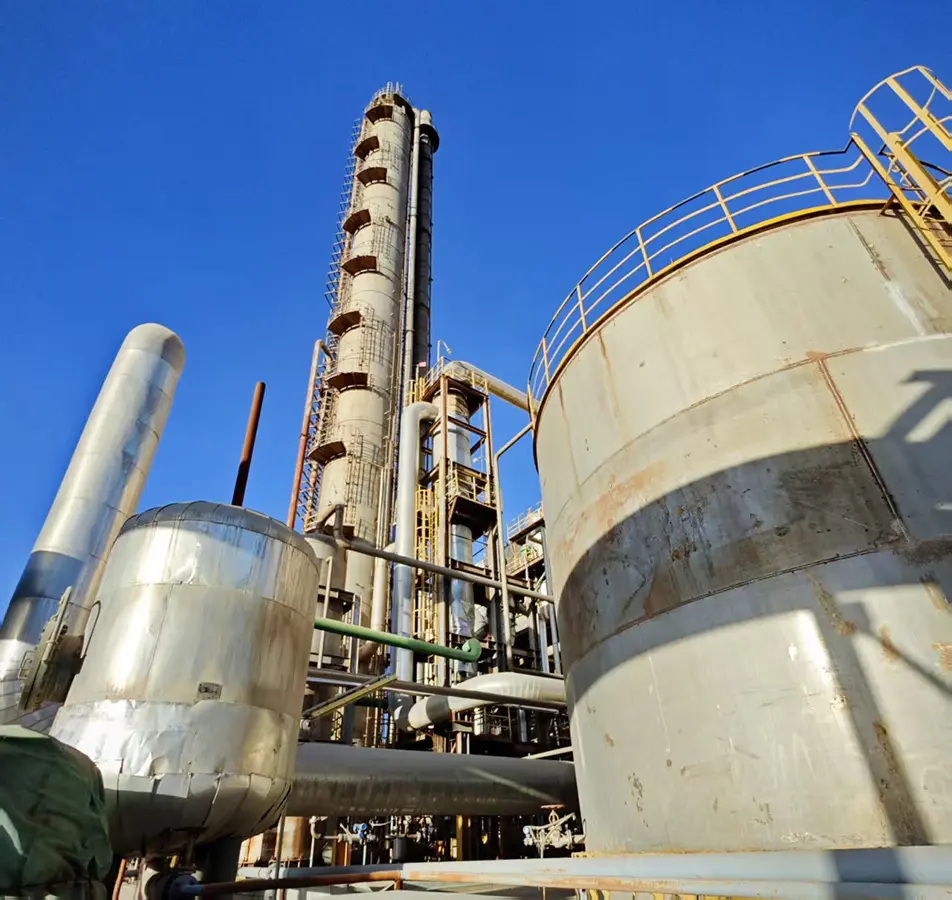
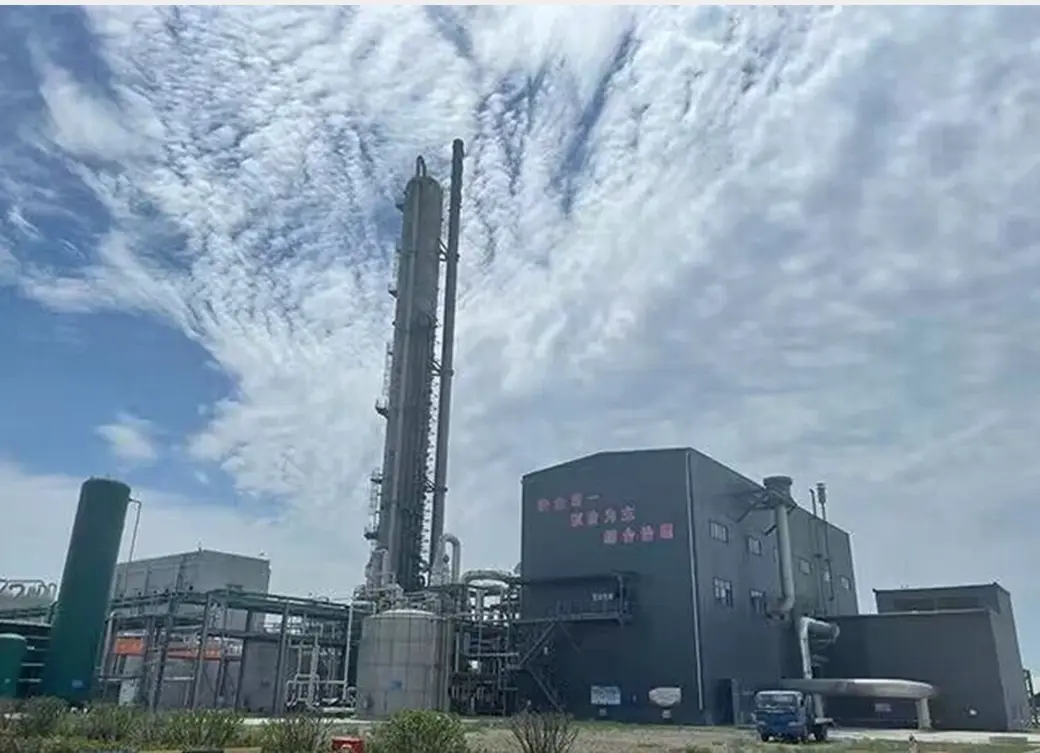
Driven since 2000, we have been committed to the entrepreneurial spirit and passion for innovation. Our team takes pride in delivering dependable products and services with a quality distinction in the thermal energy storage and water-soluble fertilizer industries globally.
View moreDecades of manufacturing expertise and refined logistics networks supporting international industries
Why global procurement leaders choose Shanxi Vojin New Materials


Integrated experience on exporting operation Always assure your customers good quality.
Annual output 600000 Ton Molten salts.
Experienced technology skill & service team Quick response to our customers.
Multiple items for selection such as KNO3, NaNO3 to meet various need of customers.
Insights into thermal energy storage systems and molten salt technological breakthroughs
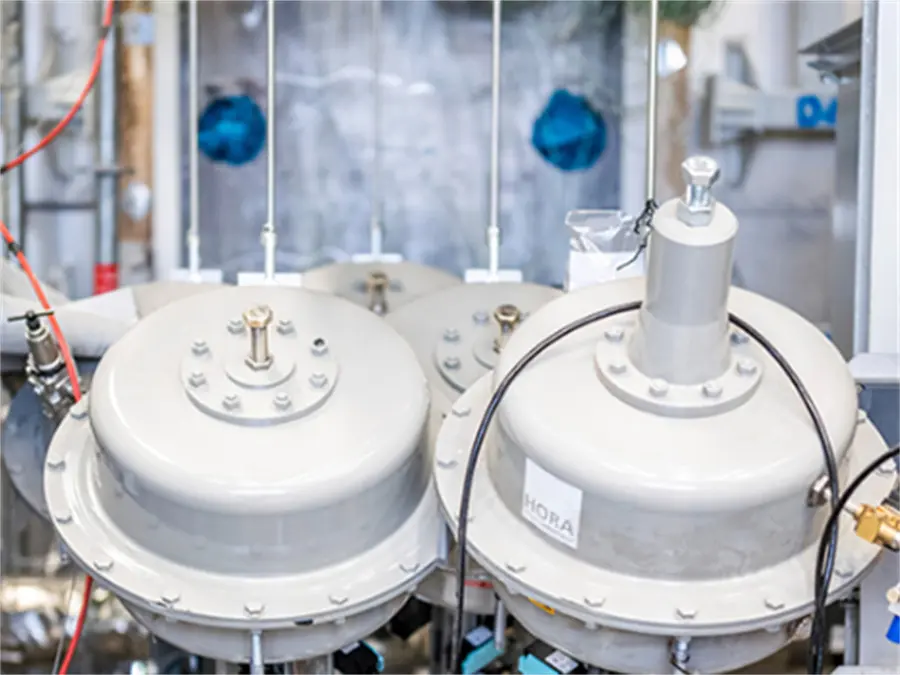
The technology can operate at higher temperatures, which has an impact on the efficiency of power generation systems.
Read More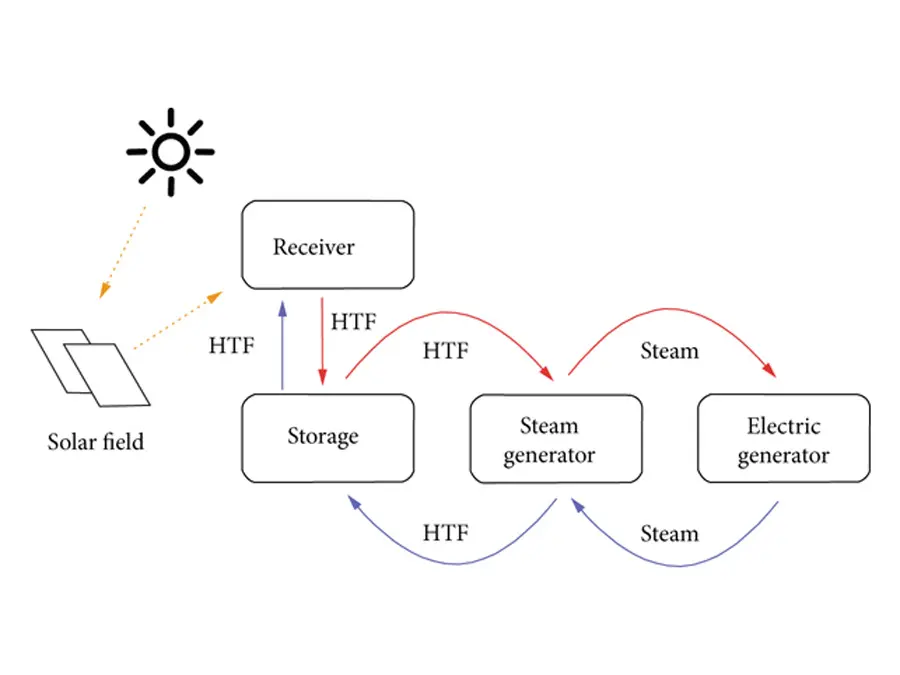
A concentrated solar power plant converts solar energy to electricity. It is based on focused thermal collection.
Read More
Molten salt energy storage has emerged as a promising solution for enhancing grid stabilization and efficiency.
Read MoreTechnical answers to support project engineering and commercial chemical procurement
Solar-grade binary salts demand a purity of ≥99.8% for both Sodium Nitrate and Potassium Nitrate. Minimizing moisture below 0.1% and keeping halogen impurities (chlorides and fluorides) under 100 ppm is critical to protect system components from chemical corrosion.
Integrating Calcium Nitrate into the standard binary Sodium-Potassium Nitrate mixture creates a ternary salt system. This addition lowers the eutectic melting point from 220°C down to 130°C–150°C, reducing the energy needed for trace heating and lowering freezing risks during shutdowns.
Industrial-grade nitrates are categorized as Class 5.1 Oxidizing Substances under international shipping regulations. They require UN-certified moisture-proof packaging, typically delivered in 1-ton to 1.2-ton flexible intermediate bulk containers (FIBCs) with thick interior PE liners to prevent clumping during transport.
Vojin operates a manufacturing facility in Shanxi province with an annual production capacity of 600,000 tons. This high output, combined with local raw material access, ensures stable supply and competitive pricing for global infrastructure projects.
With proper purification and routine nitrogen blanketing to prevent carbonate conversion and moisture entry, solar-grade nitrate mixtures can operate reliably for over 25 to 30 years without significant chemical degradation.
No. Agricultural-grade nitrates often contain organic anti-caking agents, heavy metals, and higher chloride levels. Using them in high-temperature thermal loops can cause rapid equipment corrosion and hazardous gaseous reactions.
Working alongside global energy, agricultural, and industrial leaders






Specialized fertilizer precursors and process-grade industrial chemicals developed for diverse commercial applications
 VOJIN
VOJIN