Reliable technical-grade and solar-grade chemical solutions engineered for global industrial and clean energy applications.
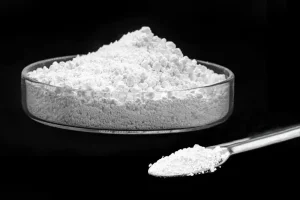
The global molten salt market is experiencing a profound transition in 2024, propelled by the urgent demand for long-duration energy storage (LDES) and deep decarbonization across heavy industries. Molten salts—primarily eutectic mixtures of alkali metal nitrates—have transitioned from niche heat transfer fluids (HTFs) to the cornerstone of Concentrated Solar Power (CSP) thermal energy storage and grid-scale thermal batteries.
As grid operators integrate volatile wind and solar capacities, molten salts provide the buffer capacity necessary to supply stable, dispatchable clean power. In 2024, the market demands not only high-volume chemical supply but also advanced customization in thermal properties, corrosive mitigation, and chemical purity.
The primary formulation utilized in CSP plants globally is "Solar Salt", composed of 60% Sodium Nitrate (NaNO3) and 40% Potassium Nitrate (KNO3). This binary mixture operates efficiently in temperatures between 290°C and 565°C. Lowering the melting point while extending the upper temperature limits remains the core engineering target in modern applications.
| Property / Parameter | Standard Binary Solar Salt | Advanced Ternary Eutectic Blends |
|---|---|---|
| Chemical Composition | 60% NaNO3 / 40% KNO3 | Nitrates with Calcium Nitrate [Ca(NO3)2] addition |
| Melting Point Range | ~220°C (428°F) | ~130°C to 150°C (266°F to 302°F) |
| Maximum Operating Temperature | Up to 565°C (1049°F) | Up to 500°C to 550°C (932°F to 1022°F) |
| Corrosion Risk | Moderate; requires <0.01% Cl⁻ | Variable; requires precise impurity control |
From an E-E-A-T standpoint, the reliability of a molten salt thermal plant is inversely proportional to its impurity levels. Trace halides, such as chloride (Cl⁻) and sulfate (SO4²⁻), act as aggressive catalysts for hot corrosion on stainless steel and nickel-alloy piping. Even a minor deviation in supplier quality control can lead to catastrophic stress corrosion cracking (SCC), resulting in multi-million dollar plant shutdowns. High-tier manufacturers like Shanxi Vojin New Materials Co., Ltd. guarantee ultra-low chloride thresholds, setting a new benchmark for structural longevity in thermal energy systems.
Explore our main inorganic chemical and specialized fertilizer series designed for global markets.
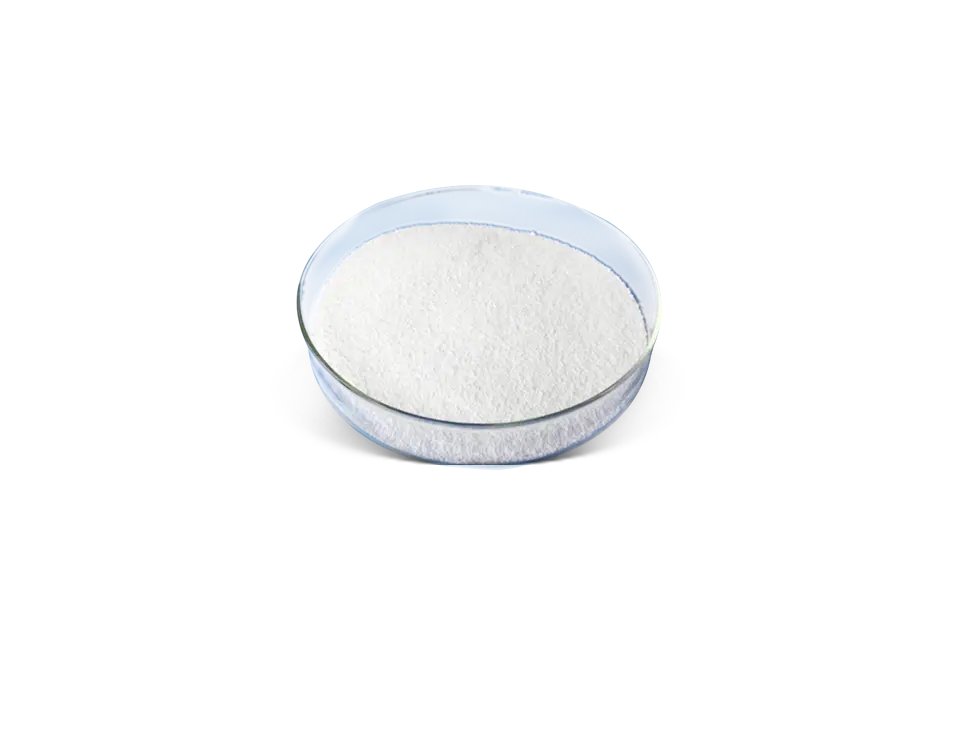
High-purity sodium, potassium, calcium, and nitrite compounds engineered for energy storage and advanced chemical processes.

Water-soluble crop nutrition, containing optimal ratios of potassium nitrate, monoammonium phosphate, and calcium ammonium nitrate.
Secondary industrial chemical compounds refined to strict standards for mineral processing and construction solutions.
How molten salts and related chemical technologies are applied to practical engineering environments around the world.
Storing solar heat in CSP plants and thermal batteries to generate clean, on-demand electricity 24/7.
Chemical strengthening of cover glasses for modern smartphones and displays using high-purity nitrate baths.
High-temperature energy supply lines for industrial process steam, regional heating, and green chemical synthesis.
Advanced crop nourishment programs leveraging high-solubility compound fertilizers for micro-irrigation systems.
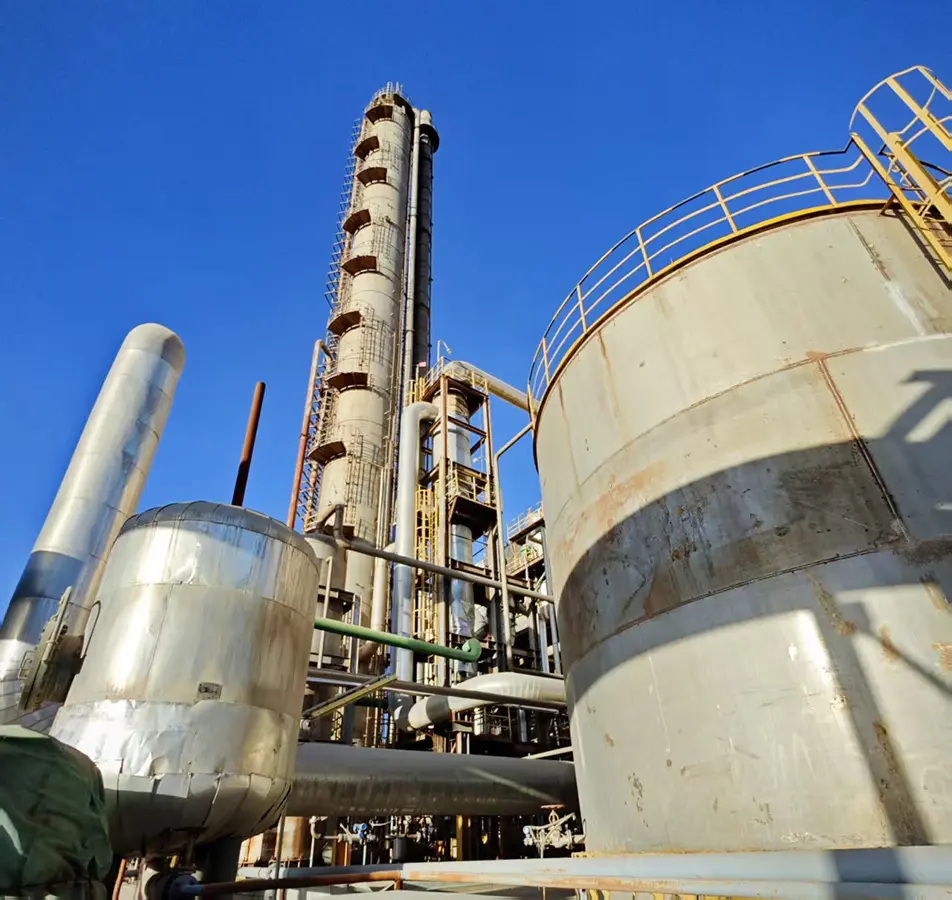
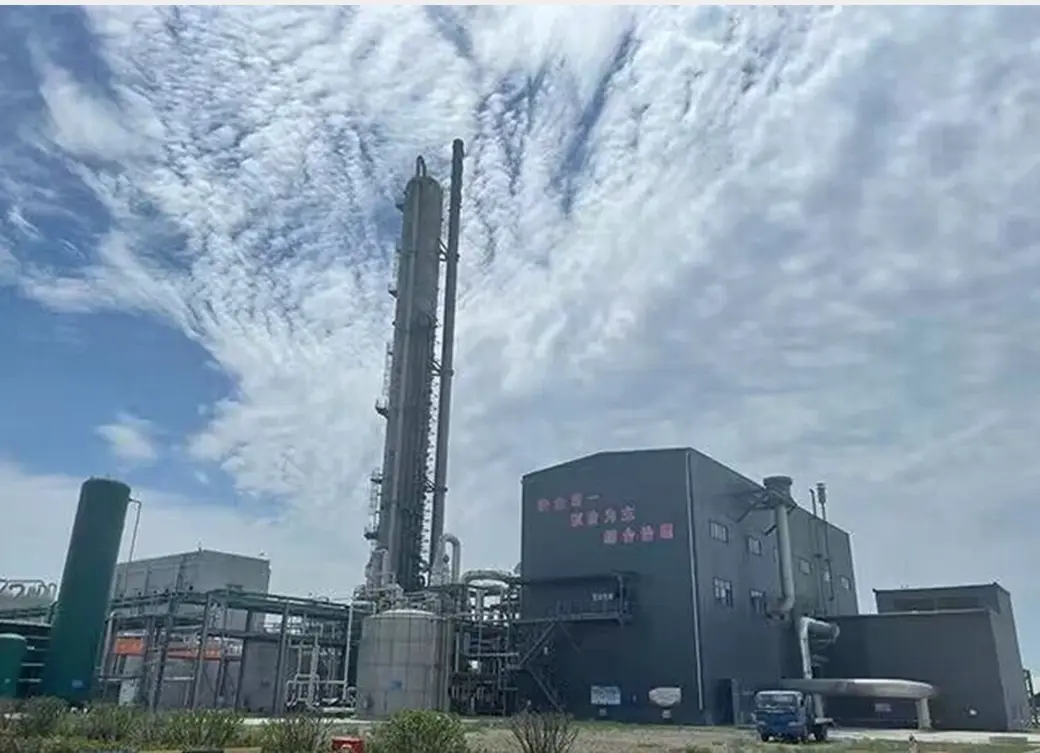
Driven since 2000, we have committed ourselves to innovation and quality in the thermal energy storage and water-soluble fertilizer industries. Formally establishing our state-of-the-art manufacturing park in 2010, Shanxi Vojin New Materials has scaled its operations to become an international supplier of premium inorganic salts.
Our facility spans approximately 1,000 acres, optimized to support bulk production and custom formulation requests. Leveraging advanced automated processes and continuous purification systems, we provide dependable products designed to meet strict international performance parameters.
View more about usDecades of manufacturing expertise and optimized logistics to support your environmental and energy transition targets.
Why procurement professionals rely on Shanxi Vojin for bulk chemical operations.

Integrated experience in international export logistics and compliance, ensuring smooth customs processing and timely deliveries.
600,000 Ton annual production capacity for Molten Salts, providing volume security for utility-scale engineering projects.
Dedicated technical and after-sales support teams ready to assist with custom formulations, mixing ratios, and QA verification.
Comprehensive portfolio including KNO3, NaNO3, and custom ternary formulations adjusted to meet specific operating temperatures.
Operating high-temperature thermal energy facilities requires alignment between chemical suppliers and local environmental protocols. Bulk imports of chemical compounds such as sodium and potassium nitrates are subject to strict regulatory oversight, including Europe's REACH registration, America's OSHA standards, and local hazardous chemical management policies.
Vojin New Materials works to simplify this process for procurement teams by providing comprehensive documentation, including detailed Safety Data Sheets (SDS), certificates of analysis (COA), and verification of compliance with regional hazardous materials handling and storage standards.
Nitrate compounds are hygroscopic, meaning they absorb moisture from the air, which can cause caking and impact handling during transit. To prevent this, our materials are packed using durable, moisture-barrier packaging, including 25kg PE/PP bags and 1.0 to 1.2 metric ton bulk bags with protective liners.
Our location in Shanxi, China, provides convenient access to major freight rail links and deep-water container ports like Tianjin and Qingdao, allowing for efficient containerized shipping to destinations in Europe, the Americas, and the Middle East.
Modern energy systems and manufacturing lines often require adjustments to standard chemical ratios. We work with engineering and procurement teams to evaluate their thermal systems, recommending custom eutectic blends that help optimize melting points, heat capacity, and system efficiency.
Stay informed on the latest developments in solar thermal energy storage and molten salt technology.
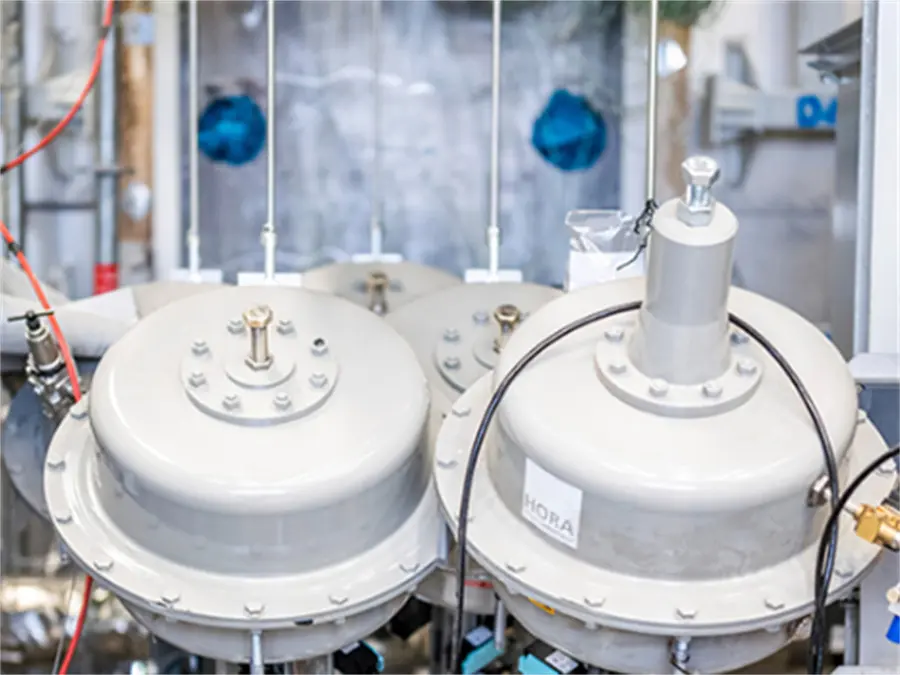
Recent studies focus on increasing molten salt operating temperatures to improve power conversion efficiency in solar thermal plants.
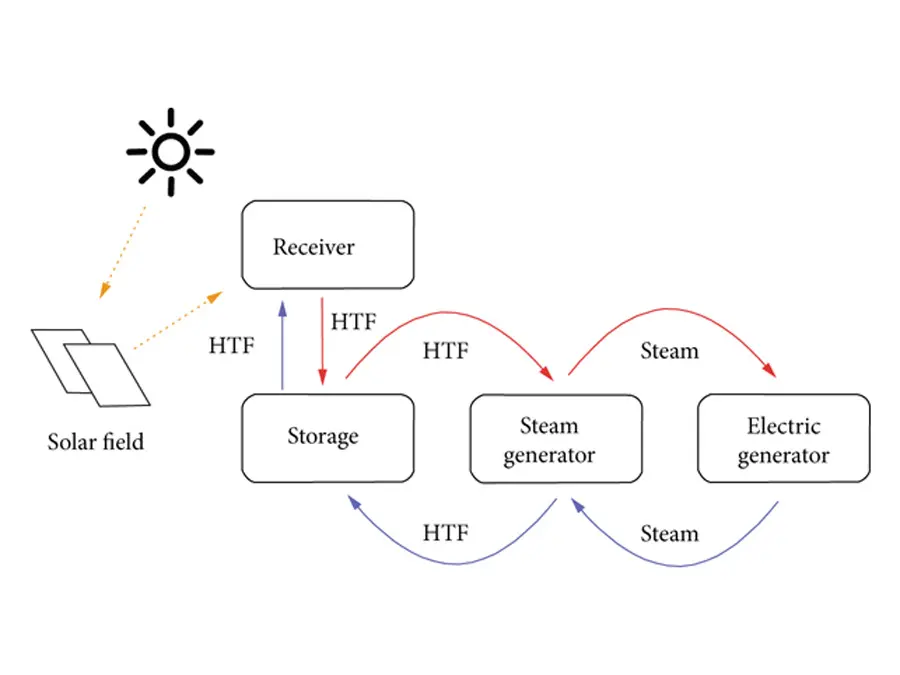
A look at how concentrated solar power (CSP) installations convert and store solar energy to supply dispatchable, clean electricity.

How molten salt thermal batteries are emerging as a cost-effective option for stabilizing industrial power grids.
Detailed explanations on chemical specifications, corrosion mitigation, and supply logistics for industrial molten salts.
Solar-grade nitrates require much tighter control over impurities. Trace levels of chlorides, sulfates, and moisture must be kept extremely low (typically chlorides under 100 ppm) to minimize corrosion in metal piping at high temperatures. Industrial-grade variants allow slightly higher impurity limits suitable for glass making, heat treatment, or fertilizer production.
Chloride ions accelerate hot corrosion on the internal surfaces of storage tanks and heat exchangers. Over time, high chloride levels can lead to pitting and stress corrosion cracking in stainless steel alloys. Maintaining strict control over chemical purity is essential to protecting system components.
Standard binary Solar Salt (60% NaNO3 and 40% KNO3) has a melting point of approximately 220°C. To maintain a safe operating margin and prevent crystallization, systems are typically kept above 290°C. The maximum stable operating temperature is 565°C, above which chemical decomposition can occur.
Yes. Incorporating calcium nitrate creates a ternary blend that can reduce the melting point to around 130°C–150°C. While this lower melting point reduces the energy needed to keep the salt liquid, ternary blends generally have a lower maximum operating temperature before decomposition begins.
Because nitrates absorb moisture easily, we package our materials in multi-layer, moisture-resistant bags (25kg or 1-ton bulk bags) featuring poly liners. We also work with logistics partners to ensure containers remain sealed and dry from our factory to the delivery site.
Each shipment includes a Certificate of Analysis (COA) detailing the exact chemical composition, along with Safety Data Sheets (SDS). We also provide documentation verifying compliance with relevant international standards and regional import regulations.
In well-managed systems that maintain proper temperature limits and prevent contamination, solar-grade nitrate mixtures can last up to 25 to 30 years—matching the typical operational lifespan of a concentrated solar power plant.
We work with plant designers and engineering firms to manufacture custom blends. Our facility can prepare specific ratios of sodium, potassium, and calcium nitrates to match the thermal and physical requirements of your system.
Building long-term partnerships through quality products and reliable industrial supply.


Browse our selection of specialized industrial chemicals, lithium salts, and targeted fertilizer formulations.
 VOJIN
VOJIN