Discover premium quality inorganic chemicals and industrial raw materials developed to international safety standards.
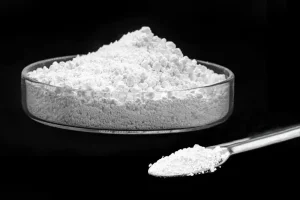
Potassium nitrate (KNO3) dissolution in water represents a highly endothermic reaction process, which holds substantial importance for industrial process controls and agricultural applications. The thermodynamic equilibrium is governed by the structural characteristics of the KNO3 crystalline lattice. Because the lattice energy ($\Delta H_{lattice}$) of potassium nitrate is comparatively high, it requires a significant heat input from the surrounding solvent to separate the ionic structure into hydrated K⁺ and NO₃⁻ ions.
This thermodynamic reality causes a temporary drop in liquid temperature as the potassium nitrate crystals dissolve. The standard enthalpy of solution ($\Delta H^{\circ}_{soln}$) for KNO3 is approximately +34.9 kJ/mol. In commercial systems where KNO3 is dissolved in water at scale, temperature monitoring is critical. Without proper thermal management, the dissolution rate drops significantly as the solution temperature falls, leading to local saturation zones and premature precipitation.
Industrially, maintaining the precise solution temperature guarantees the targeted concentration. As a specialized wholesale manufacturer, Shanxi Vojin New Materials Co., Ltd. provides customized, pre-conditioned crystalline forms that display optimized particle sizing, accelerating the kinetic hydration process to ensure rapid dissolution even under field-level operational environments.
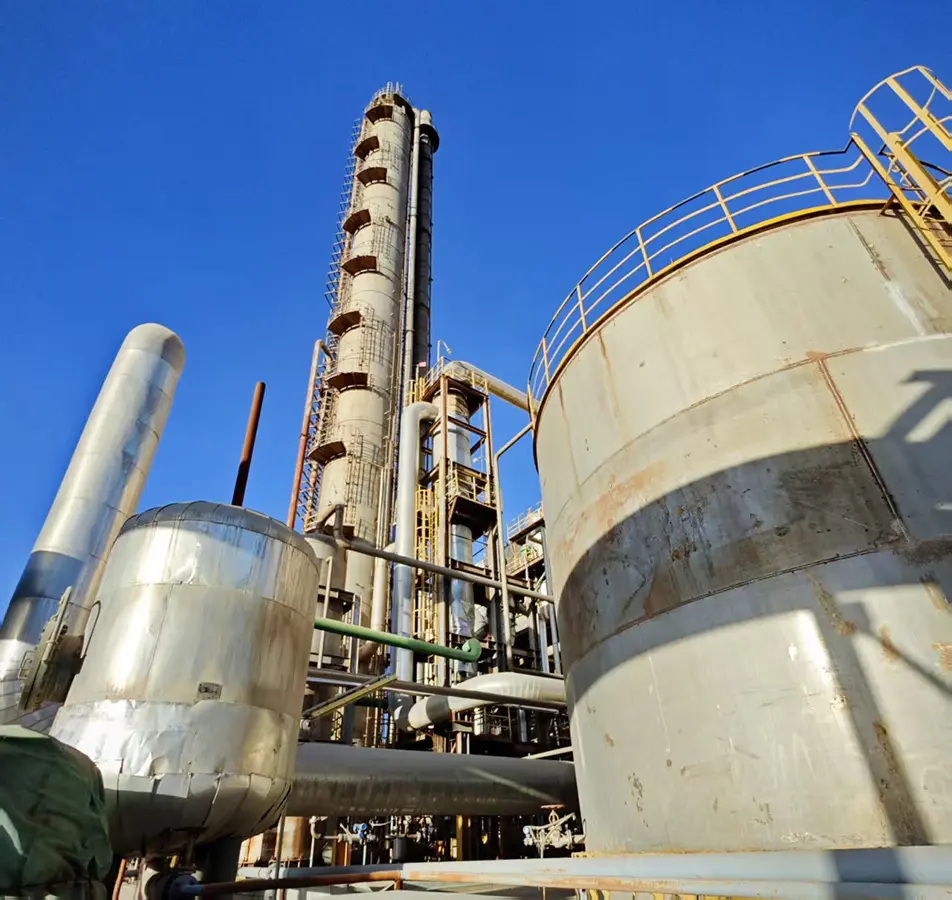
KNO3 solubility escalates sharply with temperature: ~13 g/100 mL water at 0°C, increasing to ~32 g/100 mL at 20°C, and exceeding 240 g/100 mL at 100°C.
Aqueous KNO3 formulations exhibit near-neutral pH values (6.2 - 7.8 at 25°C), making it highly compatible with corrosion-sensitive machinery.
Our industrial-grade KNO3 is refined down to <0.05% water-insoluble matter, preventing sediment buildup in sprayers and drip systems.
Aligning chemical processing techniques with the global shift towards carbon neutrality and high-efficiency industrial processes.
The global demand for high-purity potassium nitrate solutions continues to grow, driven by dual-use requirements across industrial energy storage and intelligent agricultural systems. Our technology roadmap focuses on three main developments:
Additionally, we are researching high-density liquid solutions that resist low-temperature crystallization. By using food-grade anti-nucleating compounds, we aim to offer liquid bulk delivery of concentrated KNO3 solutions that remain stable even during winter transport.
Delivering high-purity potassium nitrate formulations tailored to key global industrial and scientific sectors.
Concentrated Solar Power (CSP): Modern CSP plants utilize a eutectic mixture of 60% sodium nitrate and 40% potassium nitrate (known as "Solar Salt") to store thermal energy. This mixture must be free from trace chloride and sulfate impurities, which cause high-temperature corrosion in heat exchangers and piping systems. Our specialized manufacturing lines maintain these impurities at PPM levels, ensuring long-term reliability for solar power facilities.
Agrochemical Fertigation: Potassium nitrate is a complete source of plant nutrition, supplying both nitrogen in nitrate form and potassium without harmful chloride ions. When dissolved in water, it provides crops with immediately available nutrients. Because it is free of chlorides and features a low salt index, it is ideal for premium drip irrigation systems, hydroponics, and foliar spray applications across arid and semi-arid regions.
Shanxi Vojin New Materials Co., Ltd. remains a reliable manufacturer and exporter, delivering consistent supply chain stability.
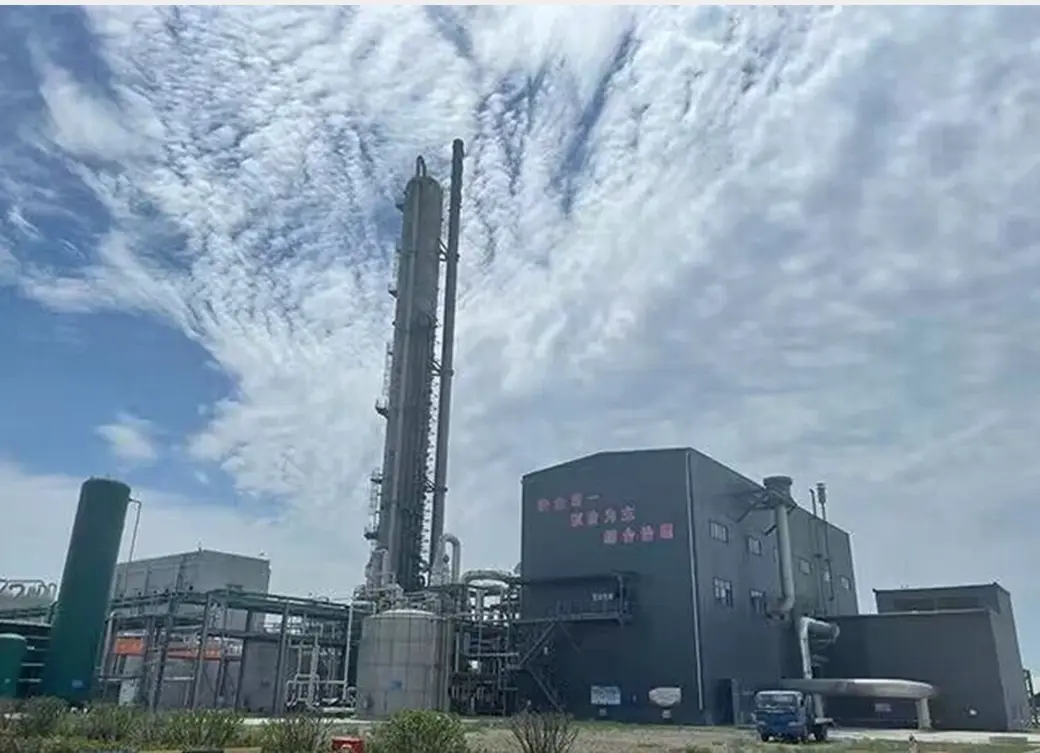
Our modern manufacturing facility in Shanxi, China, operates under Industry 4.0 standards. By integrating DCS (Distributed Control Systems) with automated crystallization loops, we maintain precise control over chemical purity and yield while minimizing energy waste. This level of automation keeps our production quality highly consistent batch after batch.
Located near rich raw material reserves, our factory secures steady access to liquid nitric acid and high-grade potassium carbonate. This direct integration shields our clients from volatile market shifts. Coupled with our proximity to major international shipping ports, we ensure fast, reliable delivery schedules for global projects.
To support high-volume operations, we offer integrated supply solutions. Whether you require moisture-proof bulk packaging or custom solution blending, our logistics and operations teams manage all export compliance, customs clearances, and international transport requirements smoothly.
Partnering with a world-class chemical manufacturer offers distinct operational benefits.
Deeply integrated experience in export compliance and shipping processes, ensuring consistent delivery quality.
With an annual capacity of 600,000 tons of molten salts and nitrites, we easily scale to meet high-volume demands.
Technical support and responsive service teams are available to address custom product requests quickly.
We supply a broad range of salts, including KNO3 and NaNO3, tailored to different industrial applications.
Bridging international sourcing needs with robust safety practices and regulatory compliance.
Sourcing chemicals internationally requires careful attention to regulatory frameworks, product safety, and logistic configurations. We work closely with our procurement partners to address these key criteria:
Follow updates on concentrated solar power projects, energy storage developments, and new fertilizer technologies.
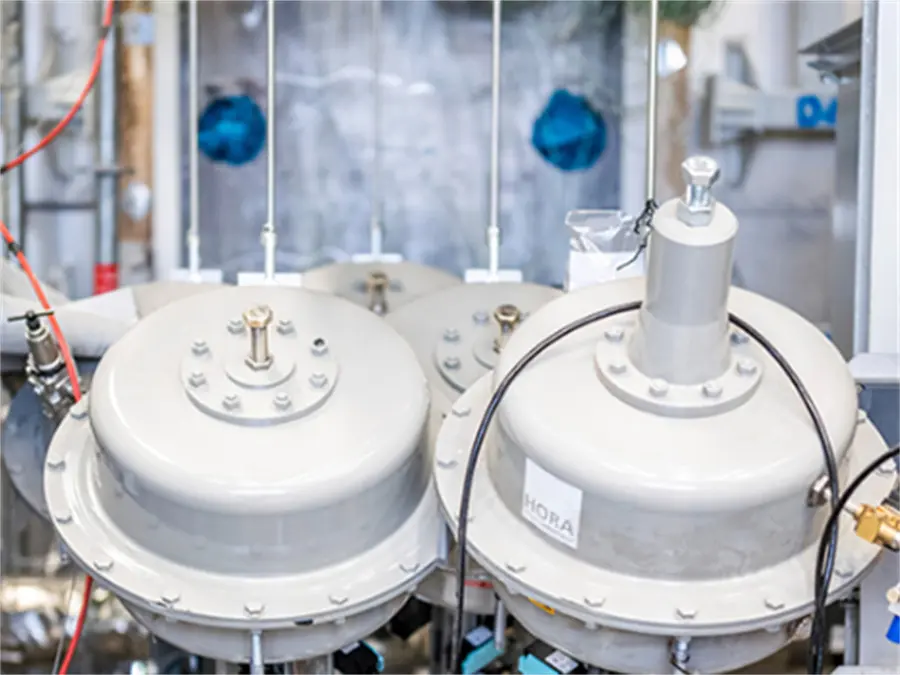
Discover how modern solar thermal plants use nitrate salts to store solar energy, allowing plants to run at higher temperatures and increase system efficiency.
Read More →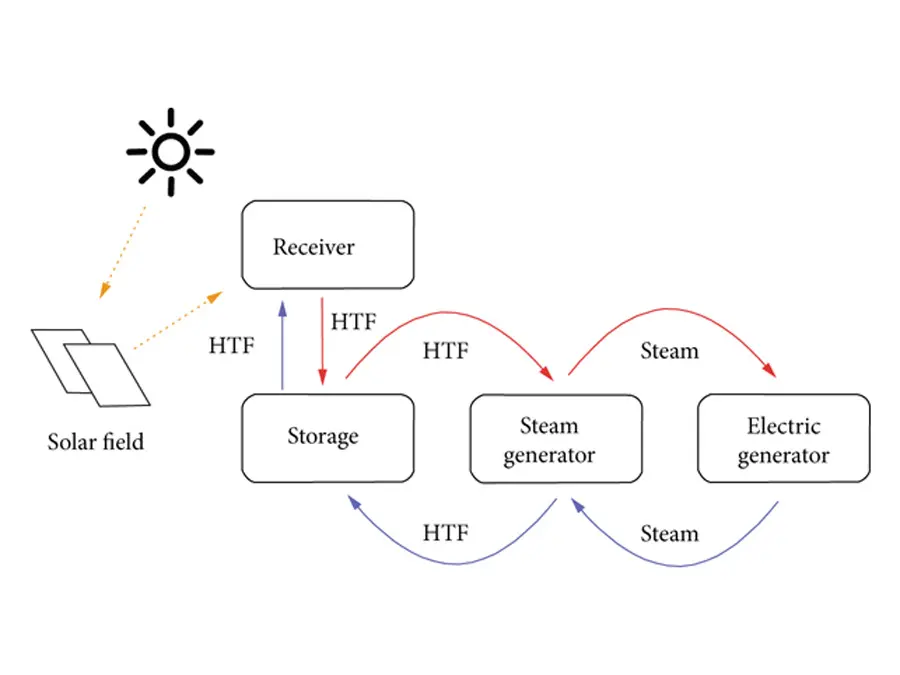
An overview of how concentrated solar power plants convert sunlight into electricity, highlighting the importance of using low-impurity thermal storage materials.
Read More →
Explore how potassium nitrate and sodium nitrate mixtures support grid stability and enhance efficiency in thermal energy storage systems.
Read More →Technical guidance and dissolution insights for potassium nitrate (KNO3) in water systems.
Explore our expanded chemical inventory, supporting advanced manufacturing and high-yield farming practices worldwide.
Over the years, we have built strong, long-term partnerships with leading companies across the global chemical industry.
 VOJIN
VOJIN