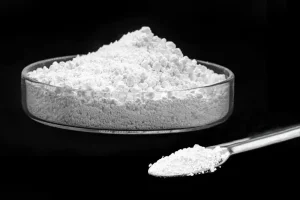
Explore our high-performance inorganic compound line designed to meet strict regulatory and output criteria.
Potassium Nitrate Solid (chemical formula KNO₃) stands as a foundational crystalline inorganic compound playing pivotal roles in high-growth industrial, agricultural, and thermal storage sectors worldwide. As an optimal, dual-element source containing both nitrogen (N) and potassium (K), it displays unique thermodynamic, kinetic, and biological characteristics that cannot easily be substituted by alternative chemical formulations. Its critical applications span from high-efficiency fertilizers to concentrated solar power thermal storage media and precision screen-strengthening glass processes.
For chemical procurement directors, process engineers, and supply chain analysts, sourcing Potassium Nitrate Solid of high purity, robust physical integrity, and certified chemical consistency is essential to maintaining systemic productivity. Understanding the manufacturing configurations, raw material processing methodologies, and specialized optimization strategies is vital to managing and mitigating downstream operation risks.
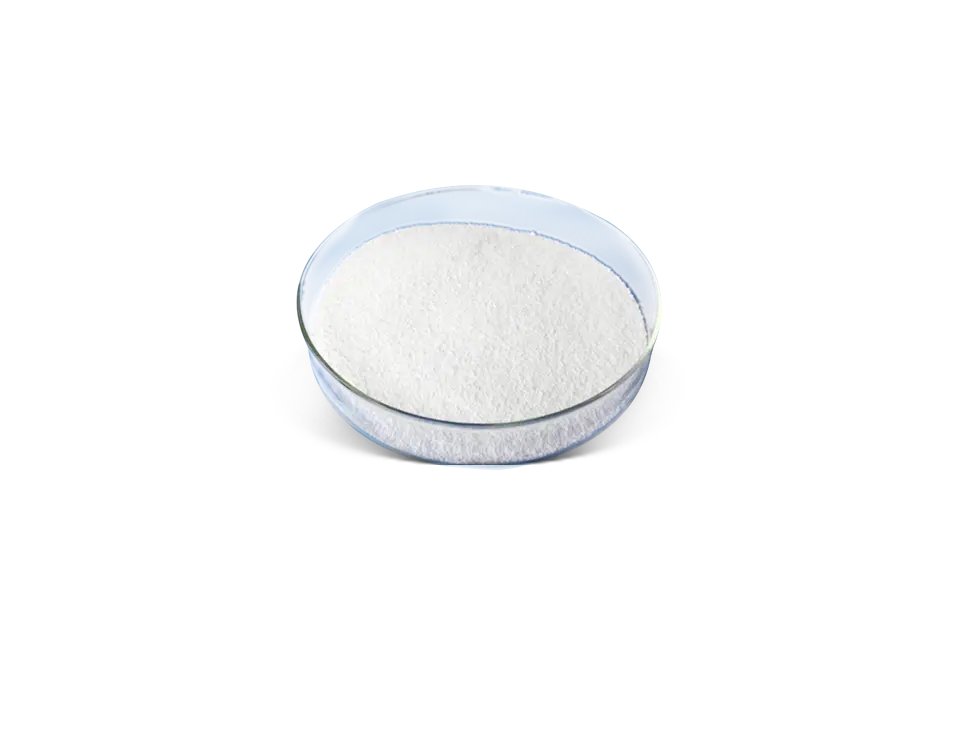
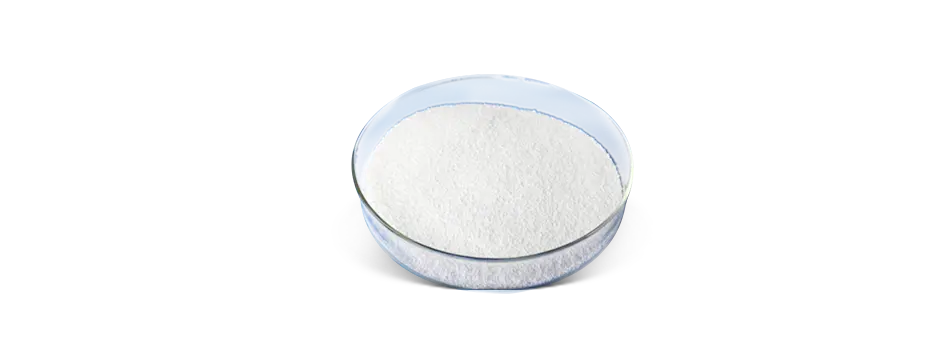
Potassium Nitrate Solid is typically processed into two primary crystalline formats: fine crystalline powder and granular/prill formulations. Selecting the correct format depends largely on the intended application and processing requirements. Crystalline powder offers rapid dissolution rates ideal for liquid fertilization systems and chemical processing, whereas prills are preferred in automated agricultural broadcasting and explosives manufacturing where slow release or safety parameters dictate storage behaviors.
Industrial scale synthesis of Potassium Nitrate Solid primarily utilizes double decomposition (metathesis) reactions and direct synthesis methods. Understanding these pathways highlights the technical expertise required to supply global markets reliably:
The operational value of Potassium Nitrate Solid lies in its specific chemical behavior across various sectors:
In Concentrated Solar Power (CSP) installations, thermal energy is collected and stored within liquid molten salt mixtures—typically composed of 60% sodium nitrate and 40% potassium nitrate. Solid KNO₃ acts as the heat absorption medium, helping storage systems remain stable up to 565°C. High purity is essential in this application; even trace levels of chloride can damage thermal containers, piping, and heat exchangers, leading to costly system downtime.
Modern mobile device displays and optical glass undergo chemical strengthening through an ion-exchange process. Submersing raw glass substrates into molten potassium nitrate baths at temperatures around 400°C facilitates a key atomic exchange: smaller sodium ions (Na⁺) leave the glass surface and are replaced by larger potassium ions (K⁺) from the bath. As the glass cools, this atomic crowding creates a high-compressive stress layer on the glass surface, increasing its resistance to scratches, impacts, and drops.
In premium agriculture, Potassium Nitrate Solid provides a fast-absorbing source of crop nutrition. The nitrate (NO₃⁻) anion acts synergistically to support the uptake of the potassium (K⁺) cation, as well as calcium (Ca²⁺) and magnesium (Mg²⁺). Free from chloride and sodium, it helps prevent soil salinization in arid regions. Its neutral behavior makes it suitable for direct foliar applications, drip irrigation systems, and hydroponic setups.
As industrial demands shift toward sustainability, the production of solid potassium nitrate is adapting. Modern roadmaps focus on:
UN Number: UN 1486
Hazard Class: 5.1 (Oxidizer)
Packing Group: III
Years of Manufacturing Experience
Pioneering solutions since 2000Tons Annual Capacity
Ensuring supply security for global marketsProduct Types
Custom chemical grades and formulationsCountries Supplied
Worldwide distribution and local complianceOur chemicals are used in critical applications around the world, from thermal storage systems to high-tech manufacturing.
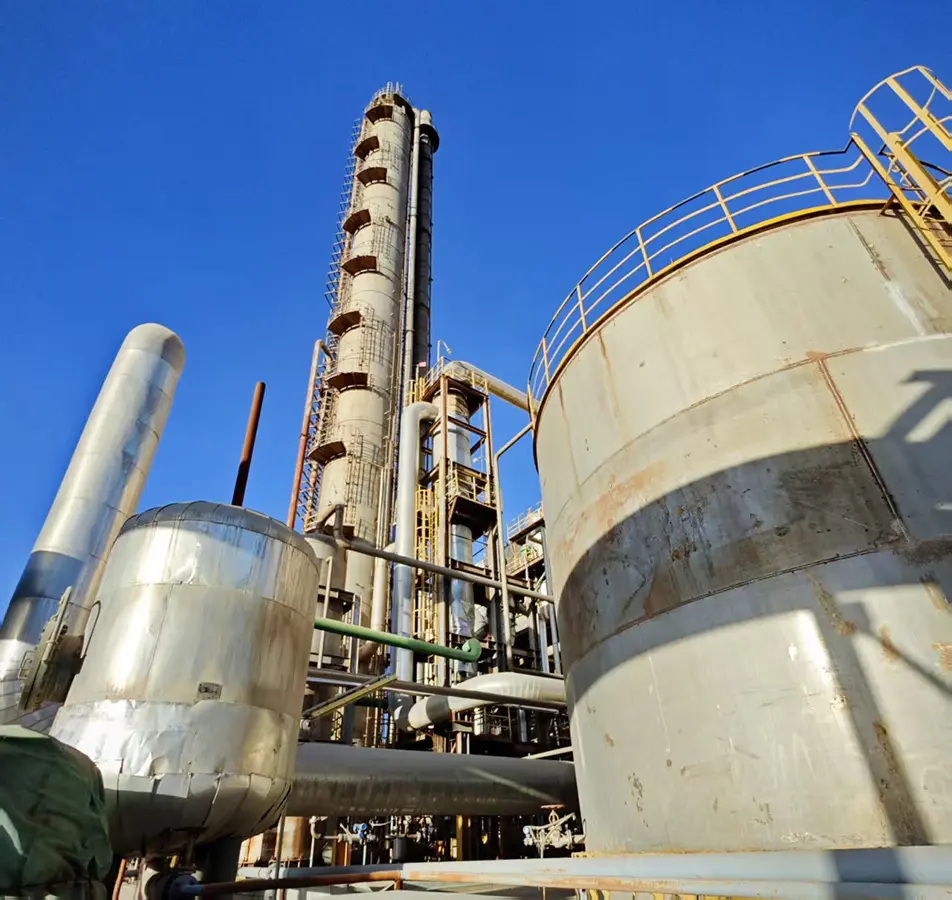
Our main production facilities in Shanxi represent a significant advancement in chemical manufacturing. Operating with an annual capacity of 600,000 tons of molten salts and industrial nitrates, our facilities use advanced DCS (Distributed Control Systems) to monitor temperature, feed ratios, and crystallization speeds in real-time. This helps ensure consistent product quality across different production runs.
For international buyers, supply chain resilience is about more than just production capacity; it requires consistent and reliable delivery. Shanxi Vojin New Materials Co., Ltd. coordinates production with direct containerized rail and port links, ensuring efficient transit from our factory to major shipping points like Tianjin and Qingdao. This logistically optimized pipeline helps insulate global distributors from supply disruptions.
Formed with deep roots in chemical development since 2000 and officially established in 2010, our team is committed to supplying high-quality products for thermal energy storage and water-soluble fertilizer applications. Operating across 1,000 acres of production space, we supply industrial chemical solutions to customers in over 40 countries.
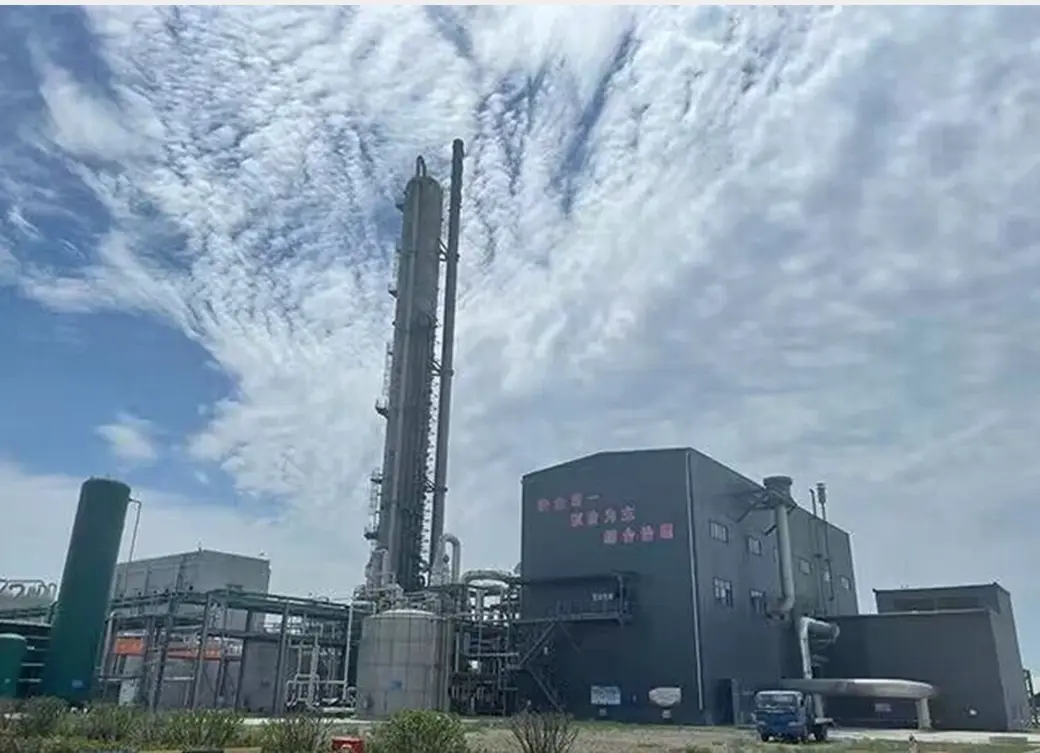
Why leading global enterprises choose Shanxi Vojin for their critical chemical supply requirements.
Integrated experience managing export compliance, shipping logistics, and hazardous material documentation.
An annual output of 600,000 tons of high-grade molten salts helps ensure stable supply volumes for large-scale operations.
Experienced chemical engineers and customer service teams provide technical support and rapid response times.
A broad portfolio, including KNO₃ and NaNO₃, designed to meet a wide range of industrial specifications.
Stay updated on major changes and developments in the global nitrate and energy storage sectors.
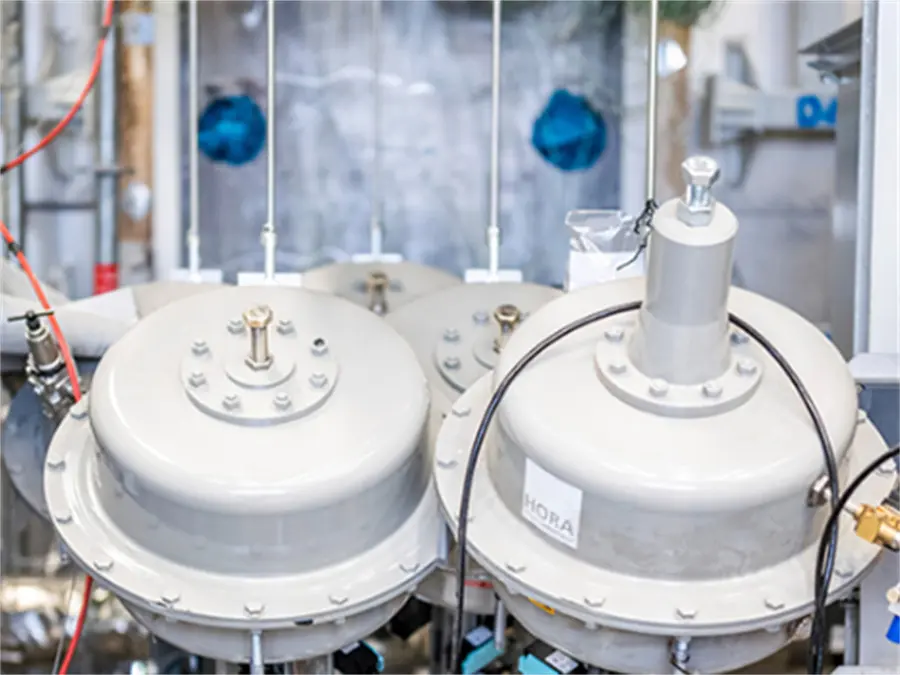
Recent adjustments in solar technology allow plants to operate at higher temperatures, increasing overall energy conversion efficiency...
Read Full Report →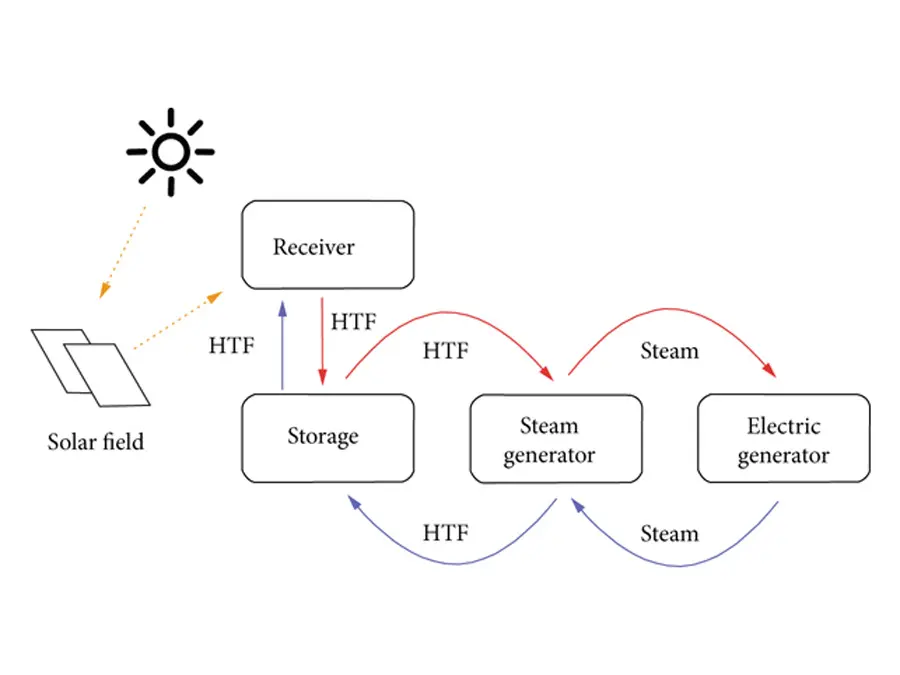
Concentrated solar power plants use molten salts to store thermal energy, helping to provide stable electricity grid inputs day and night.
Read Full Report →
Molten salt storage options are proving to be effective solutions for improving operational efficiency in remote microgrids.
Read Full Report →Meeting safety, legal, and chemical regulatory frameworks across international jurisdictions.
Because Potassium Nitrate is classified as an oxidizer (UN 1486, Class 5.1), shipping and handling require careful adherence to international safety protocols. We manage compliance documentation across different regions to facilitate smooth custom clearances:
We hold full registrations under the European REACH framework. This confirms our products comply with environmental and health safety rules, allowing simple distribution across EU member states.
Our products are packaged using durable, humidity-resistant bags that carry required GHS labels. Shipping processes follow International Maritime Dangerous Goods (IMDG) standards to help ensure safe transport.
Our packaging options include 25kg, 50kg, and 1,000kg (jumbo) woven polypropylene bags with integrated polyethylene inner liners to protect the solid material from humidity during transport.
Find answers to common questions about technical specifications, transport, and product customization.
Explore our full range of nitrates, water-soluble fertilizers, and specialty industrial compounds.
Supporting leading operations and distributors in major industrial and agricultural markets.

 VOJIN
VOJIN