Industrial, agricultural, and high-purity inorganic salts manufactured under strict ISO quality control protocols.
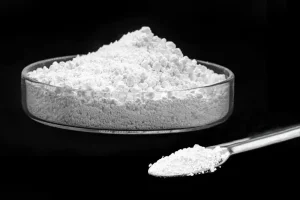
Delivering high-purity inorganic chemical solutions backed by rigorous production standards and extensive industry experience.
We specialized in three primary manufacturing directions to support energy, manufacturing, and food-growing sectors.
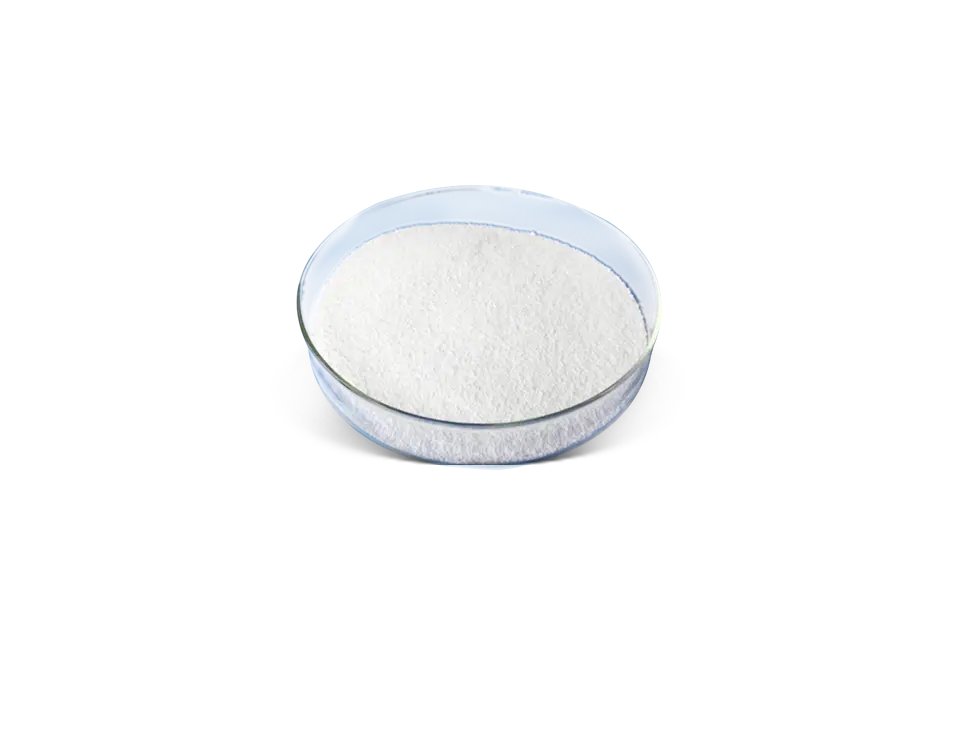

A comprehensive analysis of production technology, market dynamics, purity requirements, and global distribution structures.
Potassium Nitrate ($KNO_3$), historically processed primarily for agricultural additives and specialized chemical syntheses, has entered a new epoch of technological significance. Driven by the worldwide focus on carbon neutrality and renewable grid storage, industrial grade potassium nitrate has emerged as an indispensable component of molten salt thermal storage systems. Concentrated Solar Power (CSP) installations utilize molten salt formulations consisting of 60% sodium nitrate and 40% potassium nitrate. The thermal storage capacity of this system depends critically on the chemical purity, anti-caking features, and moisture control of the salt supplies.
Simultaneously, the agricultural sector is undergoing a rapid transition toward water-soluble nutrient programs. Traditional bulk fertilizers are being replaced by precise trace element water-soluble fertilizers where potassium nitrate is the core provider of chlorine-free nitrogen and highly assimilable potassium. Market insights indicate a compound annual growth rate (CAGR) of over 5.8% for water-soluble potassium nitrate, propelled by water-saving drip irrigation practices in drought-susceptible zones such as the Middle East, Southern Europe, and Central Asia.
When sourcing potassium nitrate from industrial chemical producers in China, international procurement divisions must account for rigorous operational constraints. Quality control demands are no longer restricted to nominal purity levels (e.g., 99.4% standard). Instead, procurement protocols inspect trace impurities such as chlorides ($Cl^-$), sulfates ($SO_4^{2-}$), heavy metals ($Pb$, $As$), and moisture content.
For instance, in optical glass and display device manufacturing, trace iron contaminants ($Fe$) must be maintained under 10 ppm to prevent discoloration and structural degradation in reinforced covers. Within agricultural networks, the presence of heavy metals or excessive chlorine compromises soil chemistry and triggers root burn. Consequently, international buyers seek out manufacturers operating integrated testing laboratories that can issue standardized certificates of analysis (COA) for every production batch. Shanxi Vojin New Materials Co., Ltd. addresses this demand by maintaining systematic trace testing methodologies alongside high-throughput manufacturing configurations.
Modern manufacturing facilities must supply diverse grades optimized for specific industrial applications:
Converting ammonium nitrate and potassium chloride under controlled thermal balances to produce high-purity crystallites with minimal chloride contamination.
Integrating environmentally compatible anti-caking coatings that sustain crystalline fluidity under variable transport climates and sea shipping conditions.
Executing continuous multi-stage recrystallization to drive heavy metals, iron compounds, and residual moisture down to industry-leading limits.
International trade in chemicals requires strict alignment with safety, environmental, and regional shipping policies. As an established chemical manufacturer, Shanxi Vojin New Materials Co., Ltd. delivers extensive compliance documentation, including standard Safety Data Sheets (SDS), IMDG certification for ocean transport of dangerous goods, and customized labeling.
To meet different handling requirements at destination warehouses, packaging configurations range from 25kg PE bags to 1.2-ton bulk bags equipped with moisture barriers. Because potassium nitrate is classified as a Class 5.1 Oxidizer under international maritime regulations, transport logistics are managed exclusively by certified chemical carriers, ensuring trouble-free customs clearance and safe transit.
Looking ahead, the inorganic salts industry is adapting to low-carbon production models. Vojin's technical team is focused on reducing energy use during synthesis and recrystallization. By recycling industrial steam and integrating solar energy into localized factory grids, we aim to lower the carbon footprint per ton of potassium nitrate. In addition, we are designing hybrid formulations that pair high-purity inorganic salts with bio-active materials to improve nutrient efficiency and support sustainable farming worldwide.
Supplying critical inputs that drive energy generation, high-tech manufacturing, and agricultural yields.
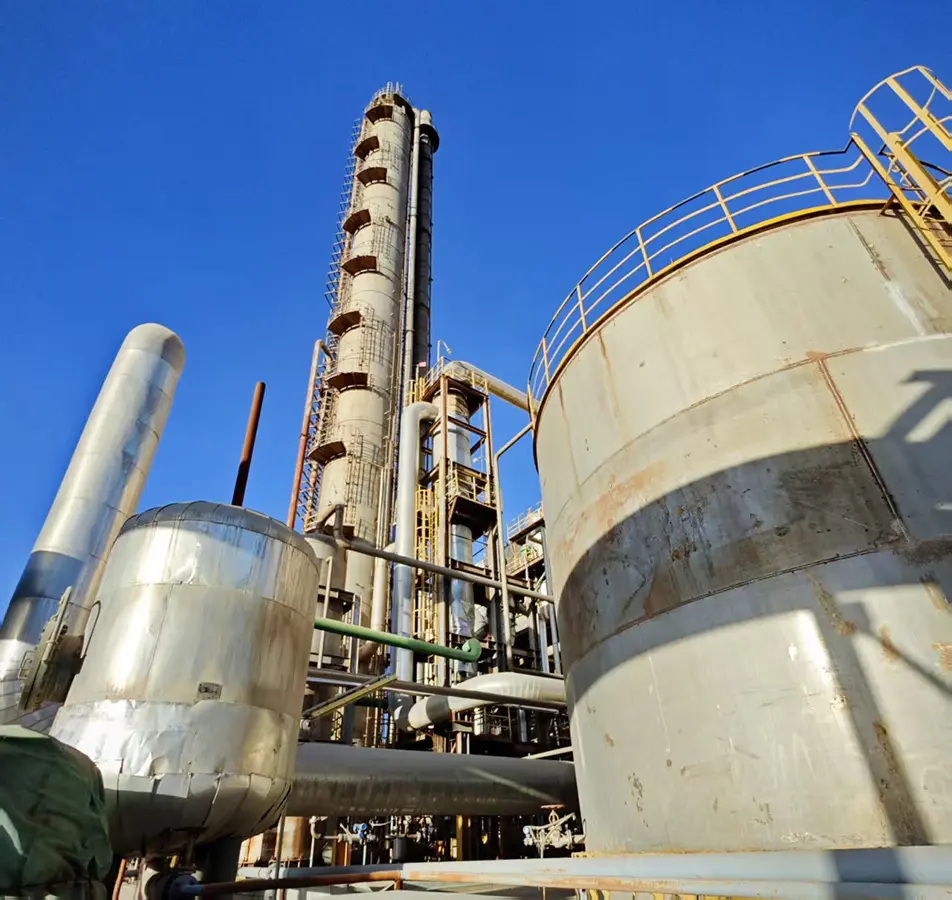
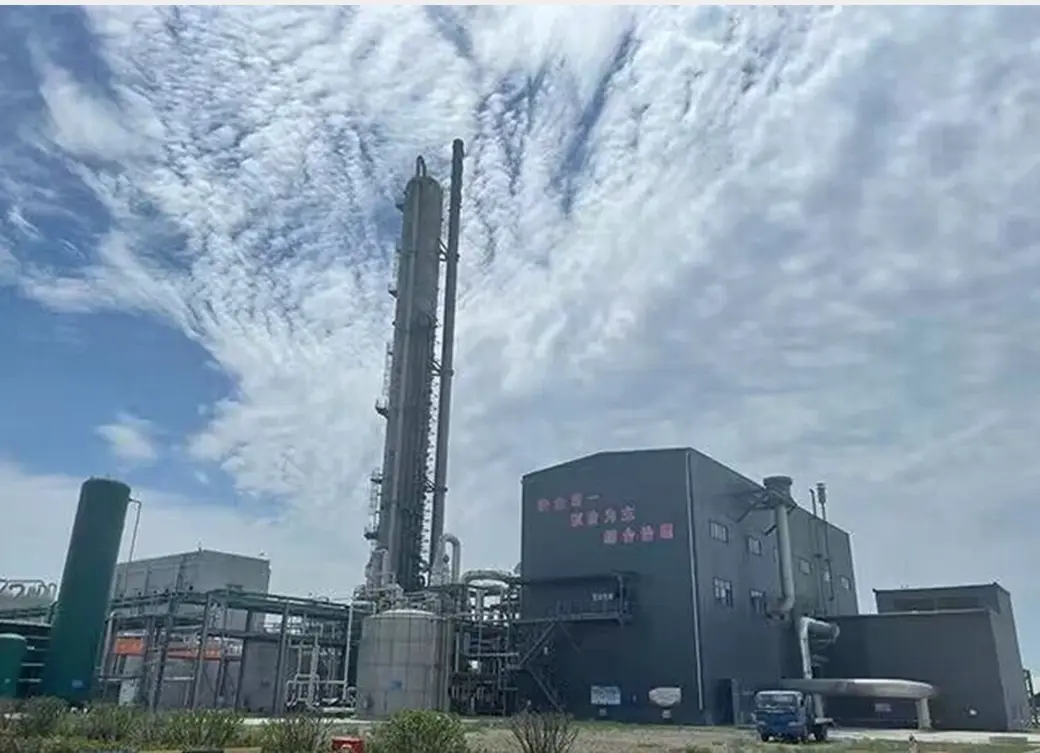
Driven since 2000, we have been committed to the entrepreneurial spirit and passion for innovation. Our team takes pride in delivering dependable products and services with a quality distinction in thermal energy storage & water-soluble fertilizer industries globally.
Equipped with a manufacturing facility of approximately 1000 acres, our operations are optimized to yield 600,000 tons of molten salts and specialized nitrate compounds annually. Through decades of experience, we ensure consistent quality, rapid delivery, and complete compliance for buyers in over 40 countries.
Learn More About VojinDiscover why global procurement agencies partner with Vojin for bulk inorganic salt supply.

Integrated experience on exporting operations. We ensure reliable shipping logistics, proper hazmat documentation, and straightforward customs clearance.
Annual output of 600,000 tons of molten salts and chemical derivatives ensures pricing stability and reliable supply, even during peak demand periods.
An experienced technical team is ready to assist you. We offer customized packaging options and rapid responses to inquiries within 24 hours.
A comprehensive chemical portfolio, including KNO3 and NaNO3, tailored to meet the varying requirements of agricultural and industrial buyers.
Read about the latest developments in molten salt thermal energy storage and chemical technology.
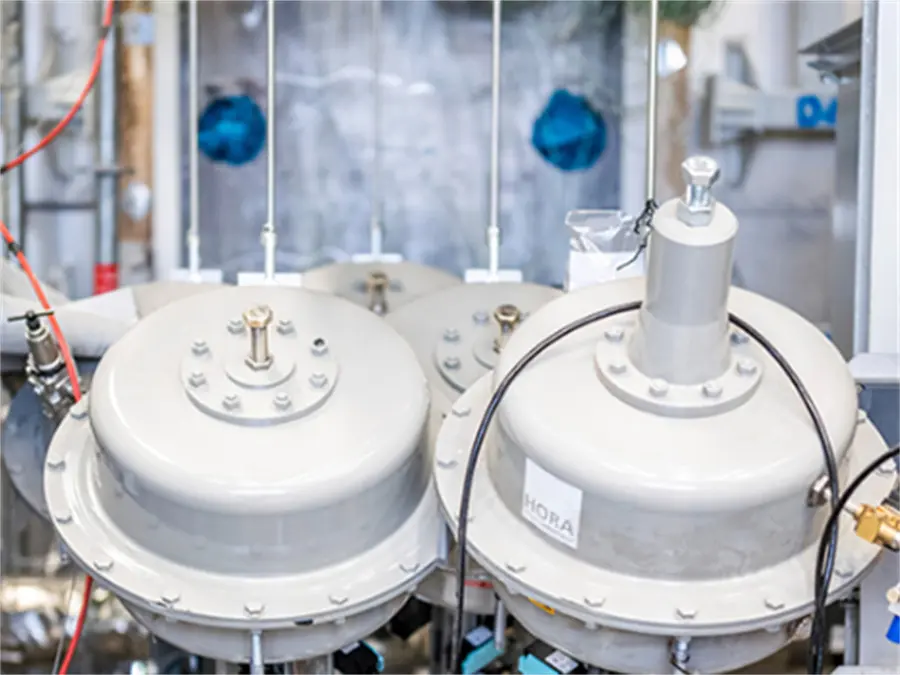
The technology can operate at higher temperatures, which has an impact on the efficiency of solar thermal systems...
Read More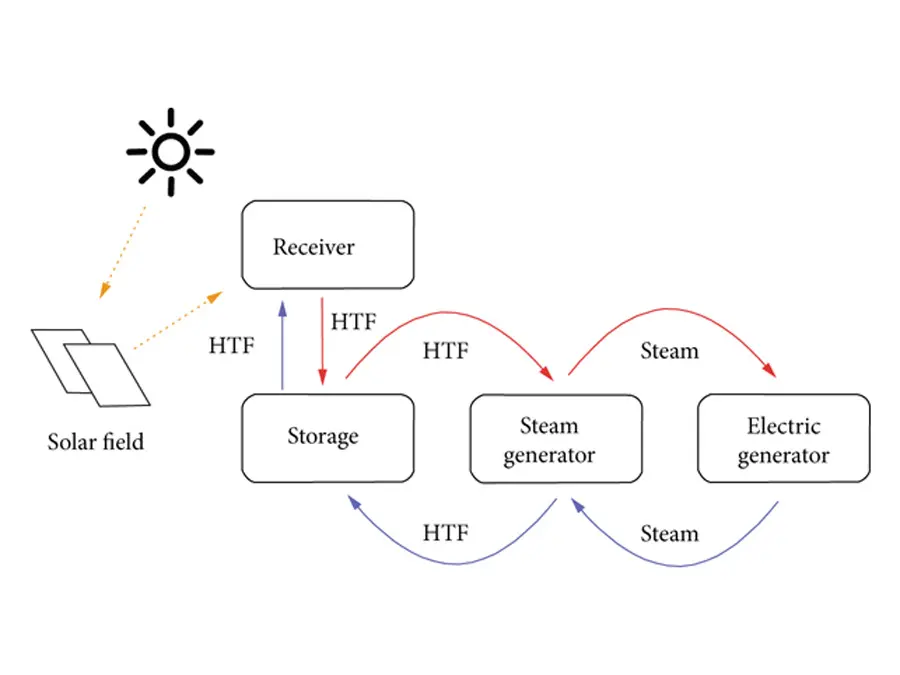
A concentrated solar power plant converts solar energy to electricity. It is based on focusing solar rays to heat salts...
Read More
Molten salt energy storage has emerged as a promising solution for enhancing the efficiency of modern electrical grids...
Read MoreAnswers to common questions regarding purity, lead times, safety regulations, and shipping logistics.
Building long-term supply relationships with global chemical distributors and agricultural networks.

Browse our complete list of industrial, food-grade, and agricultural chemicals.
 VOJIN
VOJIN