High-purity industrial chemical components engineered for demanding applications including CSP projects, metallurgical refining, and specialized agricultural production.
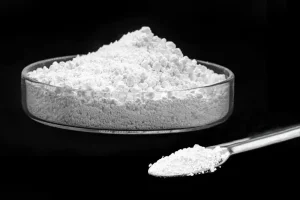
As the global community accelerates its transition away from fossil fuels, finding reliable, high-capacity, and cost-effective energy storage systems has become a paramount priority. This is where Molten Salt Thermal Energy Storage (TES) shines. Far from being a niche chemical mixture, molten salt has emerged as the definitive medium for storing thermal energy at scale, driving next-generation Concentrated Solar Power (CSP) plants, and decarbonizing heavy industrial sectors. China, positioned at the forefront of chemical manufacturing and advanced engineering, plays a pivotal role in the supply chain of these essential materials.
Molten salt operates by storing sensible heat. Typically composed of binary or ternary nitrate formulations, this liquid medium absorbs heat generated by solar concentrators or excess grid electricity and holds it with minimal thermodynamic loss. When electricity demand peaks—such as after sunset or during seasonal wind lulls—the stored heat is directed to standard steam turbines, generating dispatchable, clean electricity. In essence, molten salt resolves the core challenge of renewable energy: intermittency.
The choice of molten salt composition heavily depends on the operational temperature window. Today, the commercial gold standard is a binary eutectic formulation consisting of 60% Sodium Nitrate (NaNO3) and 40% Potassium Nitrate (KNO3), commonly referred to as "Solar Salt". This binary combination offers optimal thermal properties:
Additionally, modern chemical plants are developing ternary mixtures that incorporate Calcium Nitrate [Ca(NO3)2] or lithium derivatives to depress the freezing point below 150°C, lowering parasitic heating requirements and significantly decreasing system operating risks. Choosing a supplier capable of maintaining ultra-low impurity tolerances in these formulations is critical to preventing pipeline corrosion.
Globally, the market for molten salt technology has shifted from initial demonstration pilots to multi-gigawatt utility deployment. In North America and Europe, large-scale CSP developments like the Crescent Dunes project in Nevada and Solana in Arizona pioneered solar thermal tracking. More recently, Europe’s focus has moved toward retrofitting retired coal-fired power plants. By swapping out coal boilers for molten salt heat storage systems (powered by renewable solar and wind power), operators can reuse existing turbine and grid infrastructures, turning decommissioned assets into clean energy hubs.
In the Middle East and North Africa (MENA) region, the sheer intensity of solar radiation has given rise to monumental projects. The Mohammed bin Rashid Al Maktoum Solar Park in Dubai is a prime example, combining PV panels with an extensive CSP tower system that uses molten salt to supply continuous clean energy throughout the night. Meanwhile, in China, the "Three Gorges" region and desert provinces like Gansu and Qinghai have seen rapid integration of multi-energy complementary bases where solar photovoltaic, wind energy, and molten salt solar thermal power plants are co-located to secure grid stability across thousands of miles.
Beyond electricity generation, the global chemical and metallurgical sectors are experiencing a renaissance in process heating. Chemical synthesis, oil refining, and glass manufacturing require high-temperature steam that has historically been fueled by natural gas or coal. By integrating a molten salt loop with industrial heating systems, companies can draw energy from the grid during low-price valleys, store it as high-temperature thermal energy in salt tanks, and release it continuously as process steam. This reduces scope-1 carbon emissions by up to 90%, offering a clear roadmap for industrial decarbonization.
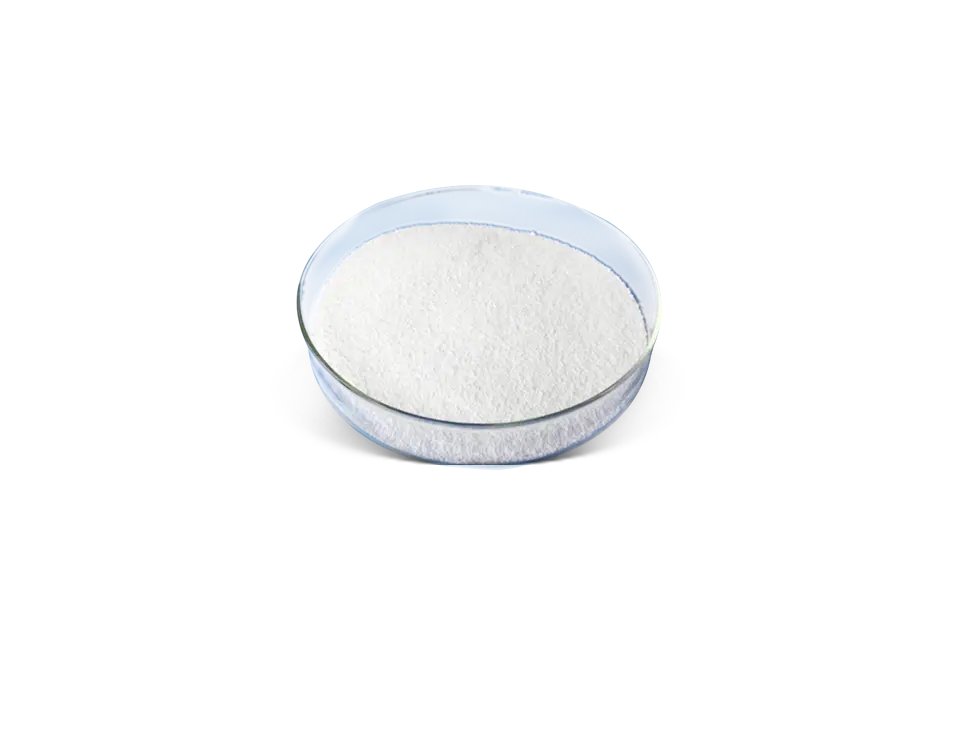
High-grade industrial and solar grade Potassium Nitrate, Sodium Nitrate, Calcium Nitrate, and Calcium Ammonium Nitrate compounds.
View More
Water-soluble crop nourishment products designed to increase trace element delivery and crop yields globally.
View More
Specialized industrial derivatives tailored to water purification, gypsum compounding, and concrete modification.
View MoreBridging chemistry, thermodynamics, and industrial engineering to provide reliable energy and materials solutions.
Advanced heat storage loops for Concentrated Solar Power (CSP) towers and parabolic troughs, delivering stable 24/7 power.
Supplying ultra-pure chemical compounds required for high-precision glass strengthening and screen manufacturing.
Efficient coal-to-clean-energy retrofitting of district heating plants and chemical refineries utilizing molten salt heat exchangers.
Custom-formulated water-soluble nitrate fertilizers designed for rapid plant uptake, maximum solubility, and residue-free application.
As operating temperatures in thermal power plants rise to maximize thermodynamic efficiency, standard binary nitrate salts are reaching their thermal limits. The degradation of nitrates into nitrites begins to accelerate beyond 565°C, resulting in oxygen outgassing and severe pipeline corrosion. The industry’s technological roadmap is moving in two distinct directions to address these temperature challenges:
To reach temperatures exceeding 700°C, research centers and leading manufacturers are testing ternary chloride salts consisting of Sodium Chloride (NaCl), Potassium Chloride (KCl), and Magnesium Chloride (MgCl2). These chloride salts boast excellent thermal stability up to 800°C, allowing developers to implement highly efficient supercritical carbon dioxide (s-CO2) Brayton cycles. However, the high corrosiveness of molten chlorides demands advanced alloys (such as Hastelloy and Inconel 625) and specialized oxygen-scavenging purification processes during salt manufacture.
Another alternative relies on carbonate eutectic formulations—combinations of Lithium Carbonate (Li2CO3), Sodium Carbonate (Na2CO3), and Potassium Carbonate (K2CO3). With operating windows stretching up to 850°C, these molten salts are ideal for Concentrated Solar Power towers and Gen-IV Molten Salt Nuclear Reactors (MSRs). Currently, the commercial barrier remains the raw material cost of lithium. Manufacturers like Shanxi Vojin New Materials are actively researching purification and synthesis processes that will make high-temperature salts more economically viable for global deployment.
When selecting a molten salt manufacturer or supplier, purchasing managers must look beyond unit price to evaluate lifetime total cost of ownership. The following key factors outline the standard of excellence:
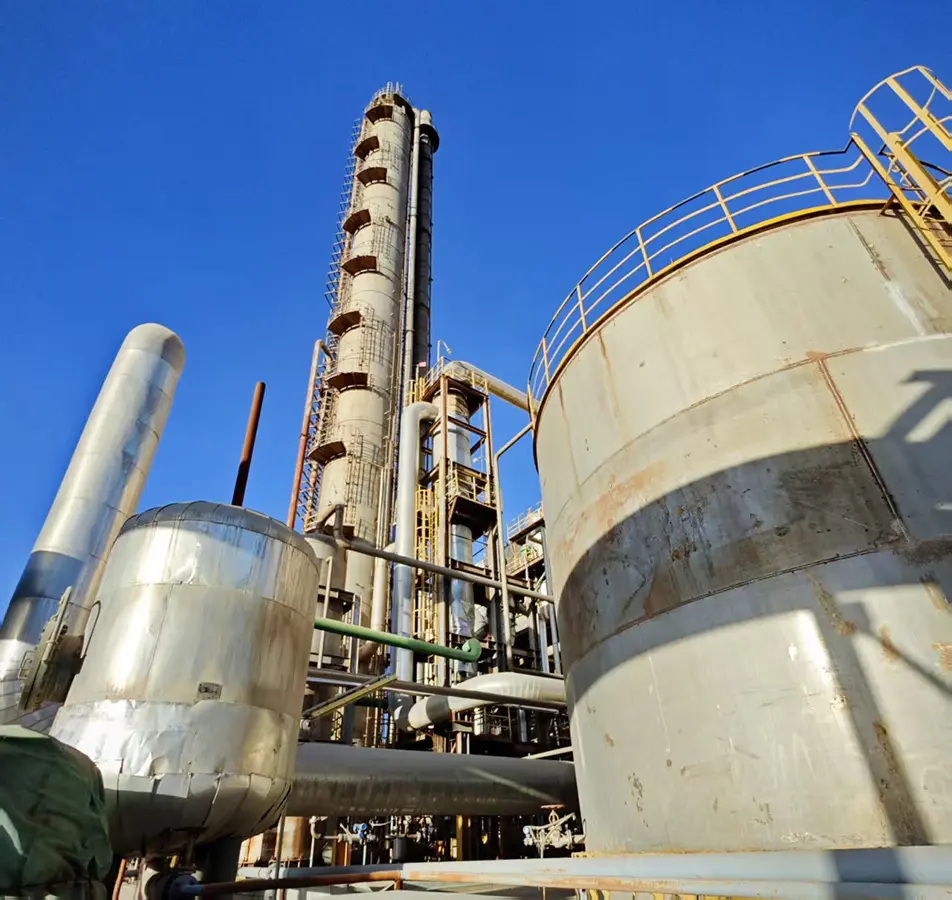
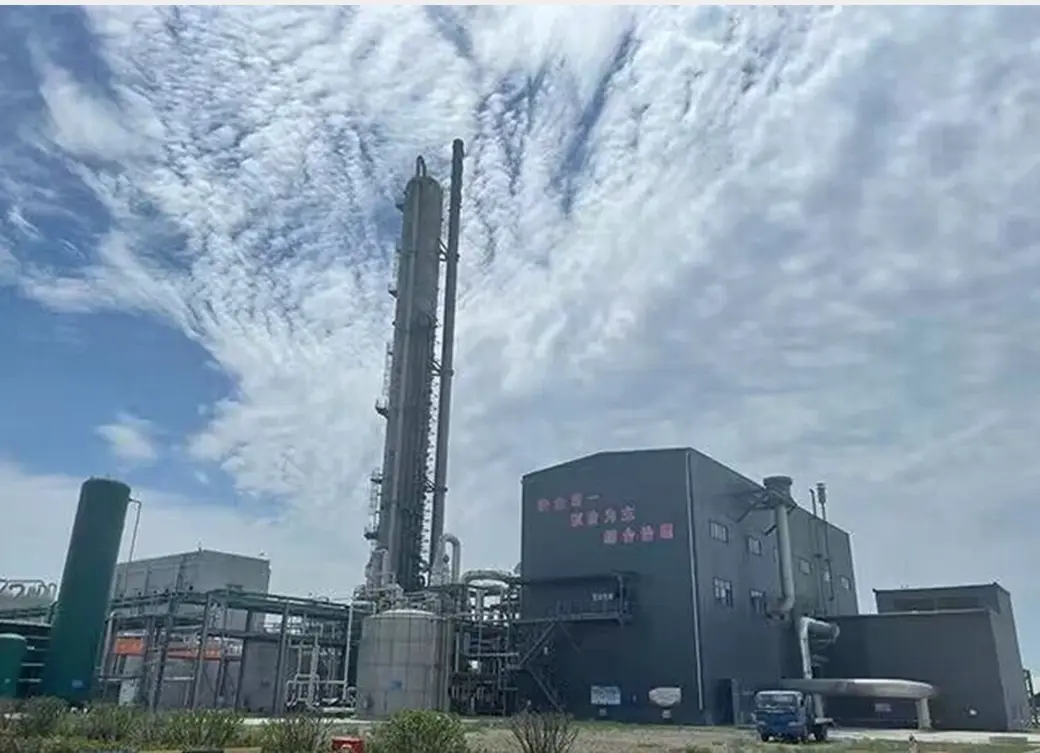
Driven since 2000, we have been committed to the entrepreneurial spirit and passion for innovation. Our team takes pride in delivering dependable products and services with a quality distinction in thermal energy storage and water-soluble fertilizer industries globally. Operating from our state-of-the-art facility, we utilize precision crystallization, automated quality control, and strict purity-assurance loops to meet the needs of international engineering, procurement, and construction (EPC) firms.
View More About UsWhy utility-scale energy projects and chemical distributors trust Shanxi Vojin New Materials.
Integrated experience in international logistics, shipping, customs clearances, and delivery options for smooth supply chains.
An annual output of 600,000 tons of molten salts and related chemical products to meet peak demands.
Technical support, chemistry experts, and customer service teams offering rapid response and tailored solutions.
Multiple options including KNO3, NaNO3, Ca(NO3)2, and custom eutectic ratios designed to fit your unique process conditions.
Stay up-to-date with thermal energy storage technologies, market shifts, and chemical research.
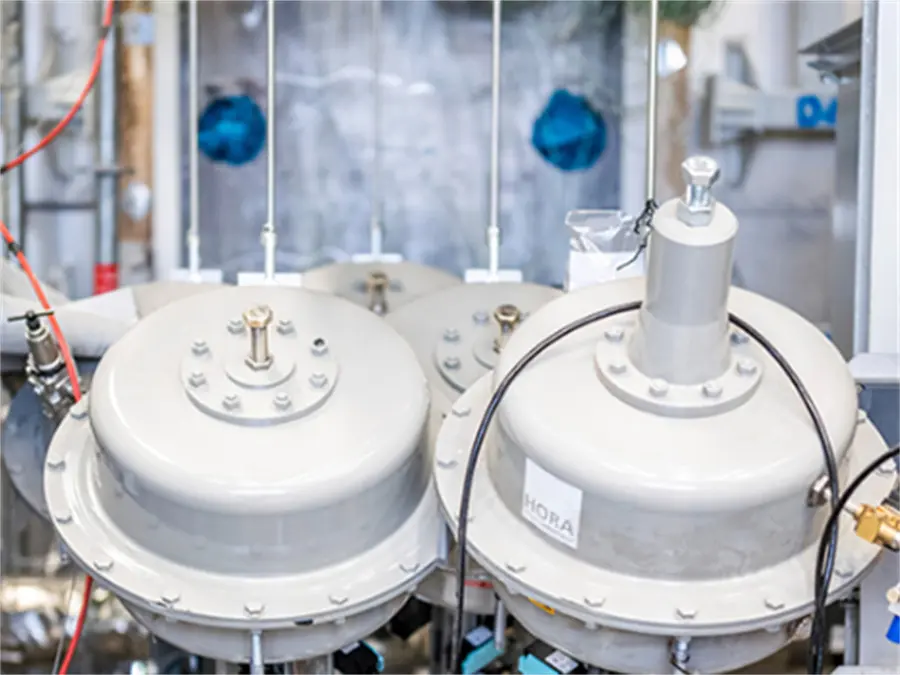
As operating temperatures rise, new chemical developments allow solar power systems to run at higher efficiencies...
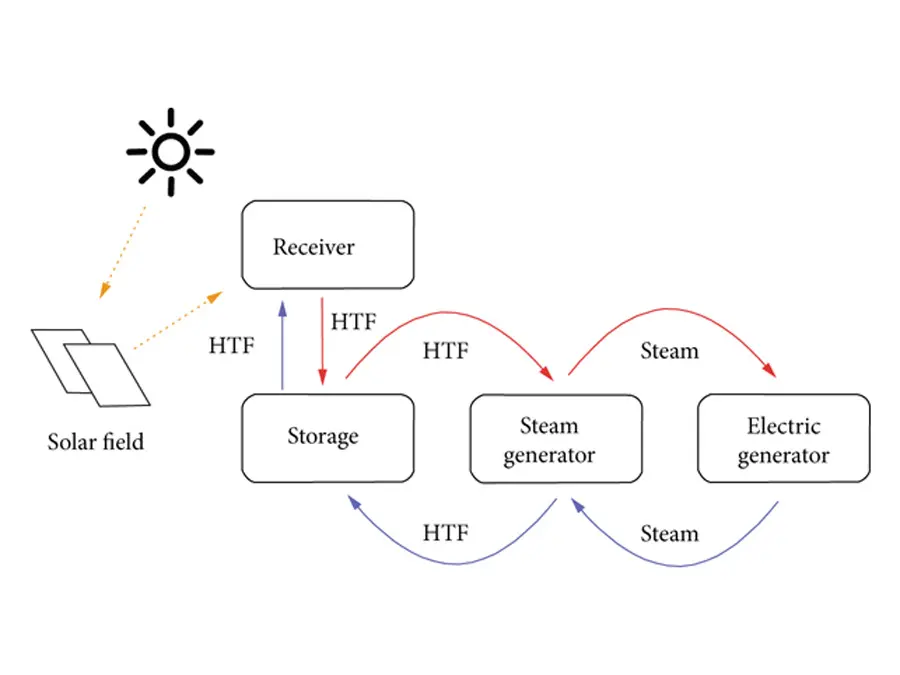
Concentrated solar power plants capture solar heat, store it, and convert it to reliable electricity on demand...

Exploring how large thermal batteries stabilize electrical grids during peak hours and seasonal weather changes...







Deep dive technical Q&A on molten salt synthesis, parameters, and operation.
The commercial standard for binary solar salt is 60% Sodium Nitrate (NaNO3) and 40% Potassium Nitrate (KNO3) by weight. This specific ratio provides an optimal balance, creating a eutectic point with a lower melting temperature (around 220°C) and maintaining thermal stability up to 565°C.
Since binary solar salt solidifies below 220°C, CSP plants use electrical trace-heating systems and thermal insulation on all pipelines, valves, and pump assemblies. Eutectic compositions can also be adjusted by adding Calcium Nitrate, which depresses the melting point closer to 150°C and reduces freezing risks.
Chlorides (Cl-) and sulfates (SO4^2-) are the main causes of corrosion in high-temperature systems. They break down the protective oxide layers on steel pipes. Shanxi Vojin New Materials uses multi-stage recrystallization to keep chloride levels under 100 ppm (and under 50 ppm upon request), protecting metal alloys and extending system lifespans.
With high-purity nitrate mixtures and proper operating conditions (staying below 565°C), molten salt can last 25 to 30 years without chemical degradation. If any thermal decomposition (into nitrites) does occur, it can be corrected by injecting oxygen or nitric acid, or by adding small makeup volumes of fresh salt over time.
We use an automated closed-loop production system at our Shanxi facility. Every batch is analyzed via ICP-OES (Inductively Coupled Plasma Optical Emission Spectroscopy) and ion chromatography to verify active compound percentages and trace element levels. We provide complete analysis certificates with every shipment.
Complementary chemical portfolio including lithium carbonate, industrial-grade potassium carbonate, and high-efficiency water-soluble fertilizers.
 VOJIN
VOJIN