Explore our highly refined chemical agents specifically manufactured for thermal storage systems, industrial agriculture, and precision manufacturing applications.
As the world pivots toward decarbonized energy models, the demand for efficient, high-capacity utility storage systems has risen exponentially. Traditional lithium-ion batteries, while suitable for short-duration storage, fail to deliver the thermal output and operating longevity required by heavy industrial operations and base-load utility grids. This gap is filled by high-temperature molten salt mixtures, which have become the industry standard for thermal energy storage (TES) systems, concentrated solar power (CSP) operations, and industrial process heat distribution networks globally.
The mainstream formulation, often termed "Solar Salt," is a binary mixture consisting of 60% sodium nitrate (NaNO3) and 40% potassium nitrate (KNO3) by weight. This specific combination operates effectively in a temperature window between 220°C (liquid phase) and up to 585°C. By capturing solar thermal energy via heliostat fields, the salt is pumped to a hot storage tank and then used on-demand to generate superheated steam, which drives standard utility steam turbines. This thermal battery mechanism allows power plants to generate dispatchable green electricity even during long stretches without solar irradiance or grid wind production.
Outside of concentrated solar power, molten salt mixtures are increasingly integrated into grid-scale thermal storage systems connected to wind or photovoltaic farms. Using excess electrical power to heat the salt via resistive heating or electromagnetic induction, operators can store electrical energy as thermal energy at lower cost and higher scale than electrochemical batteries. Today, international consortiums across the Middle East (MENA region), Southern Europe, South Africa, and South America are building multi-gigawatt-hour plants that depend heavily on a secure supply of thousands of tons of high-purity molten salts.
The research and development divisions of leading Chinese molten salt factories are actively mapping out the next generation of eutectic and multi-component mixtures. The primary developmental challenge centers on expanding the liquid operating window: lowering the melting temperature to reduce freezing risks while raising the maximum degradation ceiling to maximize overall thermodynamic efficiency.
By blending calcium nitrate [Ca(NO3)2] or lithium nitrate [LiNO3] with sodium and potassium nitrates, ternary and quaternary systems can drop the liquidus point below 120°C. This significantly decreases the heat tracing power requirement in power plant loops.
For applications exceeding 700°C, such as advanced nuclear reactors (MSRs) or heavy chemical cracking, nitrate bases decompose. Factories are engineering purified chloride (NaCl-KCl-MgCl2) and carbonate formulations to withstand these extreme conditions.
Controlling trace impurities like chlorides (<100 ppm) and sulfates is critical. The integration of chemical scavengers and nanoparticle dispersions prevents accelerated intergranular oxidation on containment alloy surfaces.
Over the next decade, the industry expects a shift toward closed-loop systems utilizing high-density thermal storage units integrated directly with supercritical CO2 (sCO2) power cycles. This integration promises thermal-to-electric conversion efficiencies exceeding 50%, requiring highly stable molten salt compounds designed to resist long-term thermal cycling without mass loss or phase separation.
From high-temperature green energy storage to micro-manufacturing applications, molten salt chemistry provides critical thermal control across key industrial sectors.
Primary heat transfer fluid (HTF) and medium for grid-scale thermal battery storage inside modern solar and industrial recovery systems.
Ultra-pure potassium nitrate baths used in the chemical strengthening of cover glass for mobile displays and optical instruments.
Replacing traditional fossil boilers with molten-salt powered clean steam generation setups for chemical processing.
High-solubility agricultural-grade nitrate salts configured for smart drip-irrigation and hydroponic crop nutrition.
Depending on the geographic and industrial environment, the integration methods of molten salts vary. In cold regions like Northern China, Northern Europe, and parts of North America, molten salt mixtures are deployed in massive heat-storage facilities designed for regional district heating. These installations draw cheap, off-peak wind or nuclear energy during the night to charge the salt, releasing heat as steam or hot water to municipal networks during the day, stabilizing grid loads while replacing coal boilers.
In arid, high-solar-irradiance zones like the deserts of Western China, the Middle East, and Chile, molten salts are primarily installed in Concentrated Solar Power (CSP) plants. These environments require formulations with minimal evaporation loss and exceptional thermal stability under cyclic temperature changes. The salt must withstand daytime temperatures of 565°C in receiver tubes and resist freezing when piped to cooling systems during cold desert nights.
In highly developed industrial zones, molten salt mixtures are integrated into chemical complexes to regulate exothermic reactions, such as the production of phthalic anhydride or melamine. The high thermal capacity and heat transfer coefficient of the molten state allow fast heat removal from reactor walls, preventing runaway reactions and thermal hotspots.
Driven since 2000, we have been committed to the entrepreneurial spirit and passion for innovation. Our team takes pride in delivering dependable products and services with a quality distinction in thermal energy storage & water-soluble fertilizer industries globally.
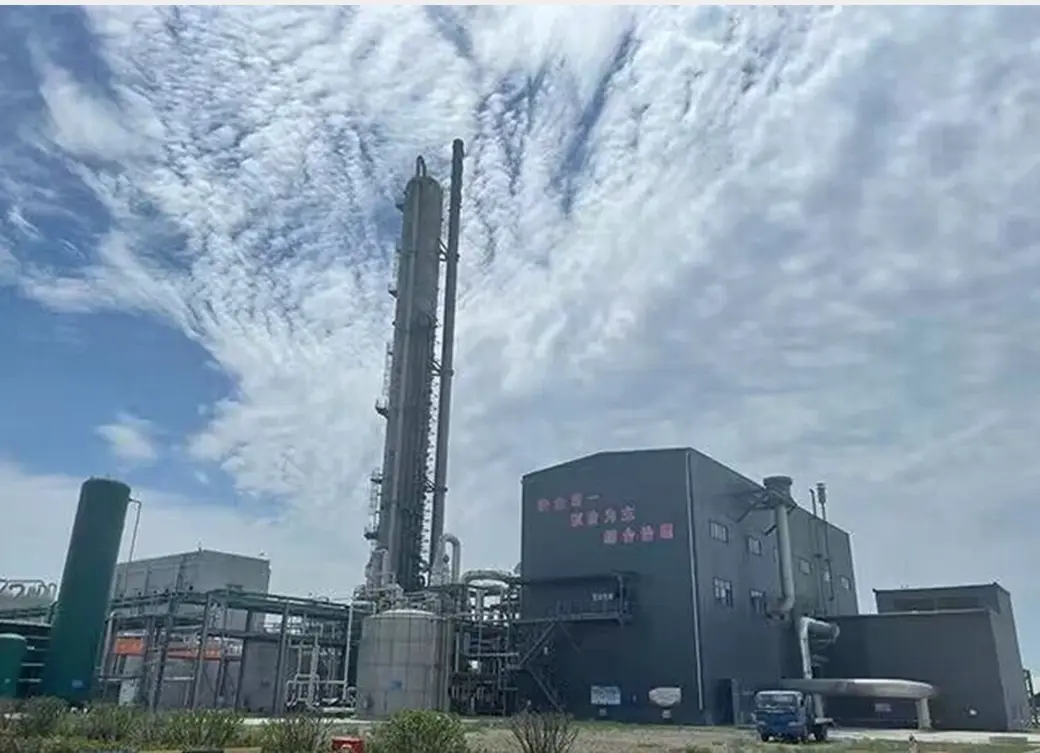
We operate out of Shanxi, China, leveraging local raw material reserves and integrated chemical processes to produce high-purity nitrates and carbonates. Our focus on quality control and environmental compliance makes us a trusted supplier for thermal energy projects worldwide.
Our years of manufacturing experience and refined products provide you with better performance
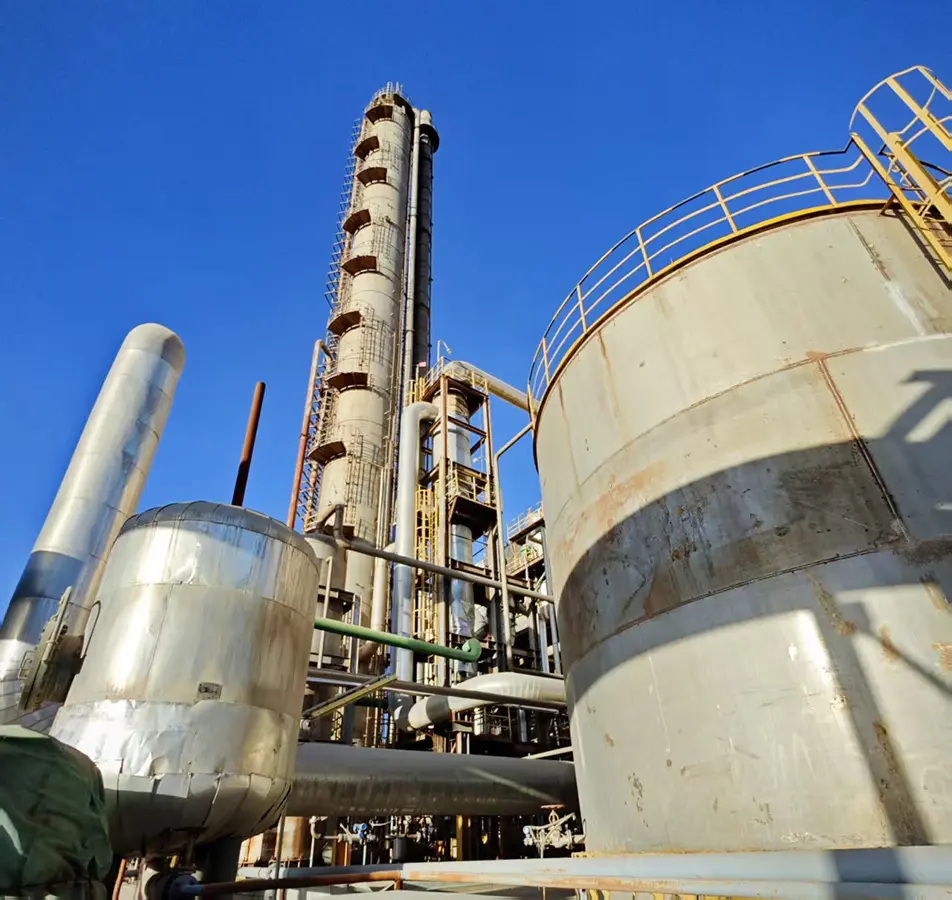
The global sourcing of molten salts involves handling thousands of tons of high-grade raw chemical bases. Ensuring consistent purity and steady delivery requires an integrated supply chain. Chinese factories, particularly those located in Shanxi, Qinghai, and Xinjiang, benefit from vertical integration that minimizes transport costs, processing times, and quality variations.
China's industrial landscape provides a stable supply of raw minerals like potassium ores and synthetic ammonia bases, reducing vulnerability to raw material market shocks. Advanced processing facilities utilize multi-stage crystallization systems to remove critical impurities like chlorides (down to <0.01%) and iron ions. These impurities can compromise heat transfer components and cause premature degradation.
Furthermore, proximity to major rail freight networks and high-throughput shipping ports allows Chinese manufacturers to offer cost-effective, reliable international shipping. Products are packaged in moisture-resistant bulk bags (FIBCs) with active barriers to prevent clumping during transport. This ensures the material arrives dry and ready to load, avoiding delays during plant commissioning.
Why international thermal storage developers choose Shanxi Vojin New Materials as their preferred supplier.
Integrated experience in exporting operations. We manage complex customs, international logistics, and maritime regulations, ensuring safe and timely delivery.
An annual output capacity of 600,000 tons of molten salts and related chemical products. This scale allows us to fulfill large-scale utility projects without supply bottlenecks.
Our experienced technology and support teams offer quick responses to chemical inquiries, and provide advice on optimization, mixture ratios, and safety protocols.
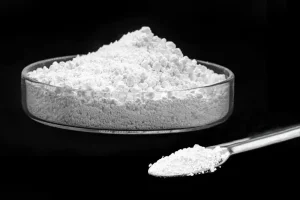
We supply a broad range of products including high-purity potassium nitrate (KNO3), sodium nitrate (NaNO3), potassium carbonate, and custom eutectic formulations.
Operating in high-pressure thermal environments requires verified compliance and adherence to international safety standards. Our manufacturing sites maintain certifications for ISO 9001:2015 (Quality Management Systems) and ISO 14001:2015 (Environmental Management Systems), ensuring consistent quality that meets international standards.
For European energy projects, we provide complete REACH registration compliance for sodium and potassium nitrate products, simplifying importation within the EU. Additionally, we work with independent testing agencies like SGS, Intertek, and TÜV Rheinland to verify purity, moisture levels, and chemical composition before shipment, ensuring complete traceability for every batch.
Beyond supply, our engineering team offers localized technical support to help client engineers with initial salt melting processes, piping system design, and corrosion monitoring. By working with local partners, we can provide on-site services, including salt purity testing and hot-loop chemical analysis.
Stay informed on the latest developments in thermal storage systems and renewable energy technologies.
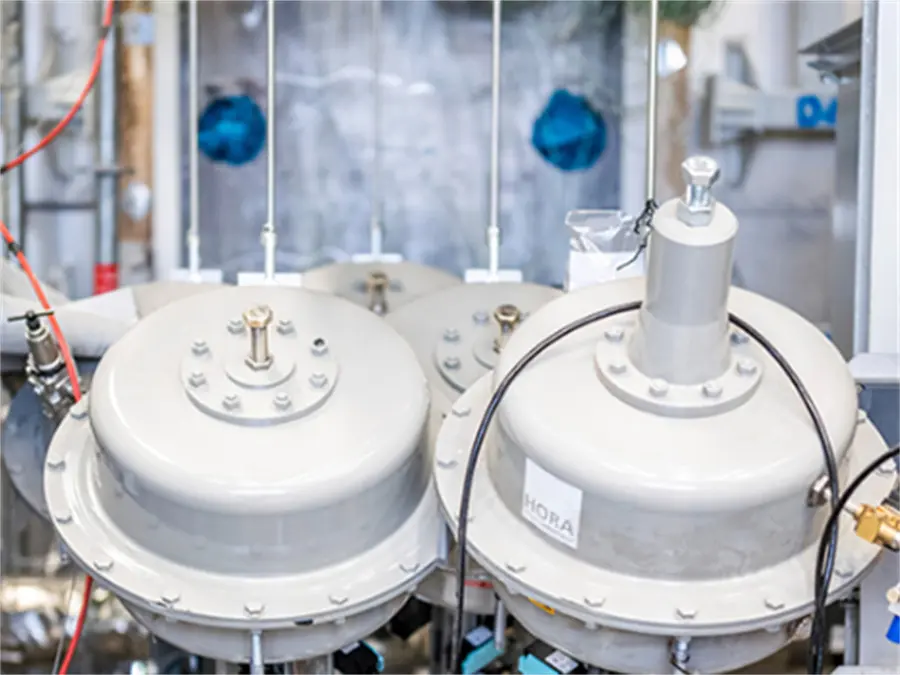
New binary nitrate salt mixtures enable higher operational temperatures, improving overall power generation efficiency.
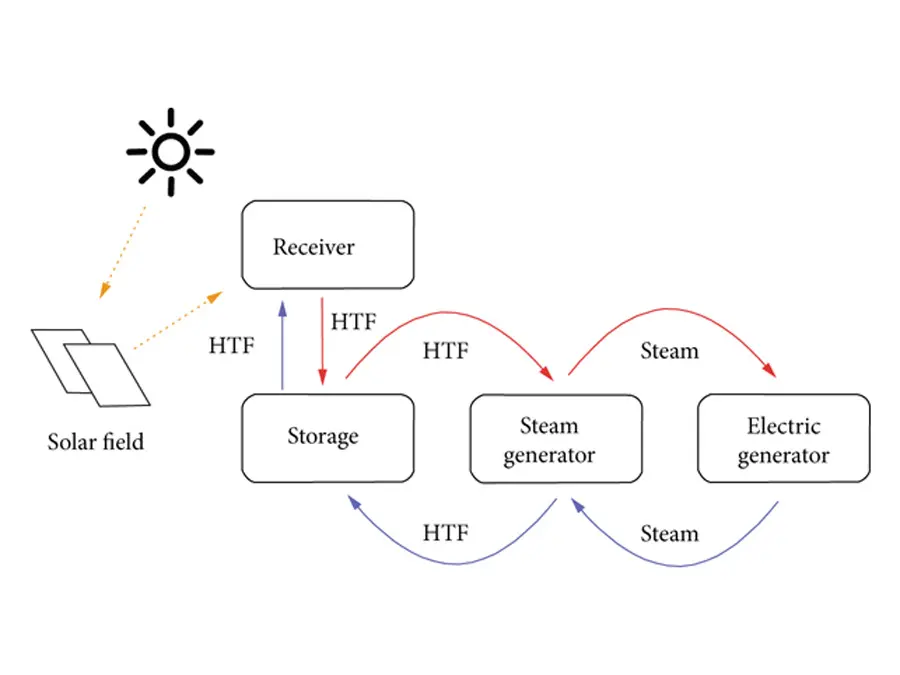
CSP plants utilize thermal energy storage to convert solar energy into dispatchable electricity, day or night.

High-temperature thermal storage has emerged as a promising solution for stabilizing national power grids.
Detailed technical answers addressing composition, impurity control, corrosion mitigation, and storage requirements for molten salt mixtures.
The standard binary "Solar Salt" mixture consists of 60% sodium nitrate (NaNO3) and 40% potassium nitrate (KNO3) by weight. It melts at approximately 220°C (428°F) and is typically operated between 290°C and 565°C. Operating below 290°C increases the risk of local crystallization (freezing) inside piping, while operating above 565°C requires monitoring to prevent nitrate decomposition.
Trace impurities, particularly chloride (Cl-) and sulfate (SO42-), are primary causes of high-temperature corrosion in stainless steel pipes and storage tanks. High chloride levels accelerate pitting and intergranular stress corrosion cracking. To extend system lifespans beyond 25 years, our factories limit chloride content to less than 100 ppm (0.01%) through multiple crystallization steps.
With an annual capacity of 600,000 tons, we utilize automated processing systems located near raw mineral deposits. We use moisture-proof, UV-resistant bulk packaging designed to withstand long transit times. This prevents the salts from absorbing moisture, ensuring they remain dry and easy to handle when they arrive at the site.
Agricultural-grade nitrates are formulated for solubility and plant nutrition, and may contain anticaking agents or trace minerals that are not suitable for thermal systems. Thermal-grade molten salts must be free of organic anticaking additives and require strict limits on moisture, chlorides, and insoluble matter to prevent piping corrosion and system blockages.
In glass strengthening, display glass is submerged in a bath of molten potassium nitrate (typically at 380°C to 450°C). During immersion, smaller sodium ions near the glass surface are replaced by larger potassium ions from the bath. This ion exchange creates compressive stress at the surface, significantly increasing the glass's scratch resistance and mechanical strength.
For many years, we have successfully responded to the requirements of reputed customers in the global market.


Browse our range of technical salts, including carbonates, nitrites, and specialty fertilizers developed for global markets.
 VOJIN
VOJIN