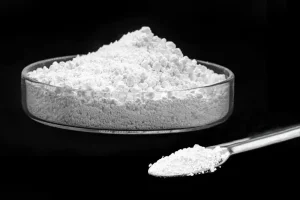
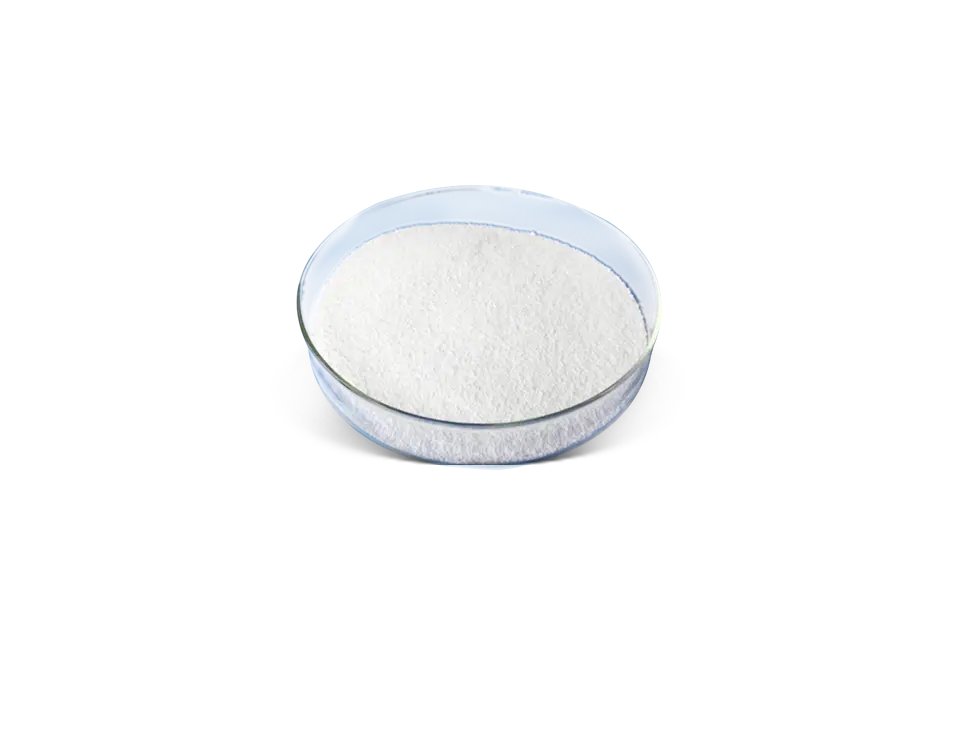
Understanding the thermodynamic principles, kinetic properties, and structural engineering behind next-generation high-temperature energy storage.
Molten salts have emerged as the industry standard heat transfer fluid (HTF) and thermal energy storage medium for high-temperature CSP (Concentrated Solar Power) and large-scale industrial heating. The binary salt composition consisting of 60% Sodium Nitrate (NaNO3) and 40% Potassium Nitrate (KNO3) is optimized for its high thermal density and low melting point (approx. 220°C). By storing energy in the form of sensible heat, these systems operate reliably at temperatures ranging from 290°C up to 565°C without the vapor pressure concerns typical of water or organic oils.
The flow properties of molten salt under high temperatures are critical for calculating pump power requirements and piping geometry. The viscosity of binary nitrate mixtures decreases non-linearly as temperature approaches the upper thresholds (565°C), reducing frictional pressure drops through heat exchangers and solar receiver tubes. Specialized vertical turbine pumps and structural alloy cladding are implemented to mitigate thermal shocks during the fast transit of the fluid between hot and cold storage tanks.
At operating temperatures exceeding 580°C, nitrate salts undergo slow decomposition into nitrites and oxygen gas. To prevent chemical degradation, our molten salt mechanism employs advanced chemical stabilization additives and strict impurity control (targeting less than 10 ppm of chloride ions). This protects storage vessels from intergranular corrosion and stress corrosion cracking (SCC), extending system lifespan to over 30 years.
How strategic geography, vertical integration, and infrastructure scale yield unparalleled advantages for global procurement partners.
Shanxi province sits at the center of China’s largest chemical raw material base. Direct access to high-grade nitrogen, carbonate, and potassium reserves enables uninterrupted mass production. We bypass international shipping vulnerabilities for raw material transit, guaranteeing a highly predictable supply chain even during volatile market cycles.
With an annual capacity of 600,000 tons of molten salts, our facility ranks among the world's largest. We utilize automated crystallization and purification loops that enable rapid scale-ups, meeting the demand of gigawatt-scale storage plants requiring 50,000+ metric tons of high-purity salt within strict installation schedules.
Integrated logistics hubs in Shanxi connect directly to global maritime shipping routes via Tianjin and Qingdao ports. Leveraging high-volume dry bulker networks, custom moisture-barrier containment systems, and automated packaging lines, we minimize product degradation during international maritime transport.
Providing utility-scale dispatchable heat storage for next-generation solar thermal power plants.
VIEW MOREHigh-grade potassium salts utilized in chemical strengthening of cover glass for electronics.
VIEW MOREDecarbonizing heavy industries through high-temperature clean steam and green heating solutions.
VIEW MORETop-tier, high-purity water-soluble potassium nitrate and fertilizer formulations for global crop yields.
VIEW MORE
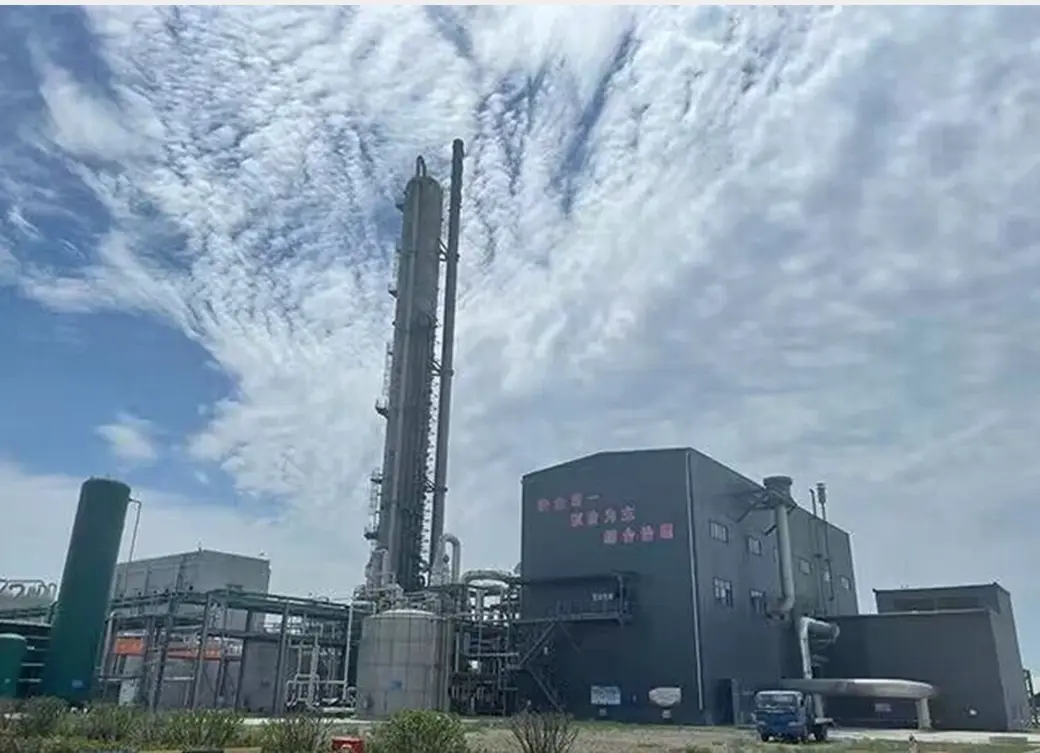
Driven since 2000, we have been committed to the entrepreneurial spirit and passion for innovation. Our team takes pride in delivering dependable products and services with a quality distinction in thermal energy storage & water-soluble fertilizer industries globally.
View moreSecuring global logistics pipelines through compliance certification, localization, and on-site operational integration.
Exporting high-tonnage chemical compounds requires meeting diverse regional regulatory demands. Shanxi Vojin ensures total alignment with EU REACH, US OSHA guidelines, and GHS documentation safety standards. Each batch ships with comprehensive MSDS records and analytical testing data validated by third-party laboratories (SGS, ISO 9001:2015).
Transitioning from supply to operation is supported by our regional engineering teams. We assist clients during the commissioning phase, optimizing salt melting and filling procedures. Additionally, we provide thermal stability analysis, routine chemical safety training, and corrosion monitoring services to keep CSP and industrial setups running without disruption.
Depending on local humidity levels at the point of storage and discharge, nitrate salts can undergo severe caking. Our team provides custom-tailored particle sizing and micro-additive anti-caking blends. This keeps the dry material flowable for fast bulk pneumatic handling and simplifies melting protocols at the project site.


Integrated experience on exporting operation. Always assure your customers good quality.
Annual output 600,000 Ton Molten salts to fulfill high-volume international contracts.
Experienced technology skill & service team. Quick response to our global customers.
Multiple items for selection such as KNO3, NaNO3 to meet various need of customers.
Strategic purchasing metrics and technological trajectories defining the high-temperature molten salt market.
Heavy industry is facing intense pressure to reduce greenhouse gas emissions. Molten salt mechanism thermal storage serves as an excellent replacement for coal-powered steam boilers. Power-to-heat-to-power storage complexes utilize surplus wind and solar electricity to heat salt reservoirs, delivering steam on demand for metallurgical, chemical, and paper processing plants.
Small Modular Reactors (SMRs) are increasingly incorporating molten salt thermal loops to safely step down extreme nuclear heat. This acts as a buffer system, ensuring the steam turbine generator operates independently from the core. High-purity solar-grade salts are necessary for these systems to prevent radioisotope activation and ensure consistent heat exchange rates.
When selecting a Chinese factory partner, procurement departments should verify several key product parameters:
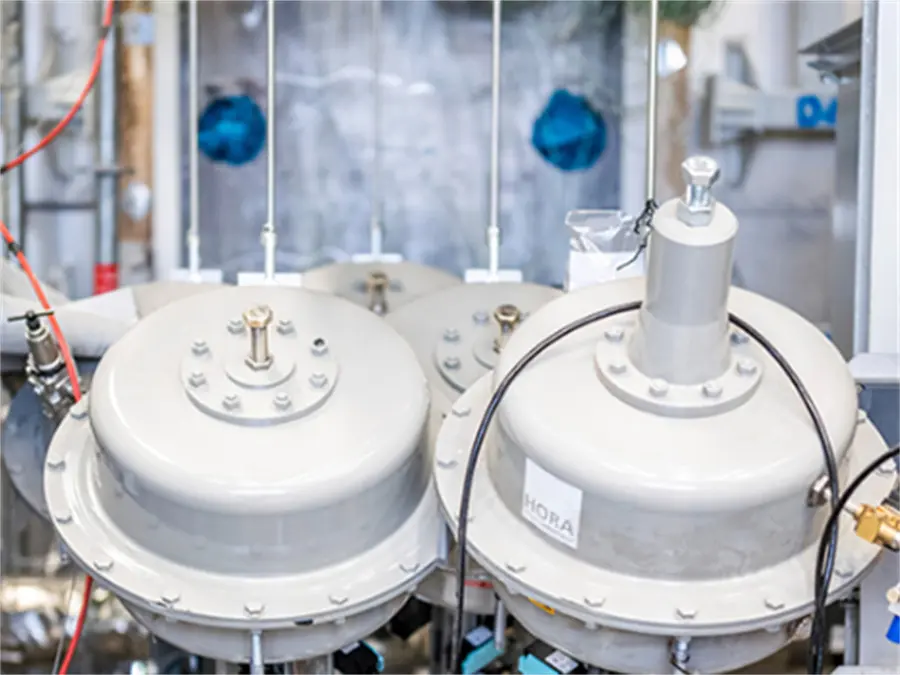
The technology can operate at higher temperatures, which has an impact on the efficiency of power generation systems.
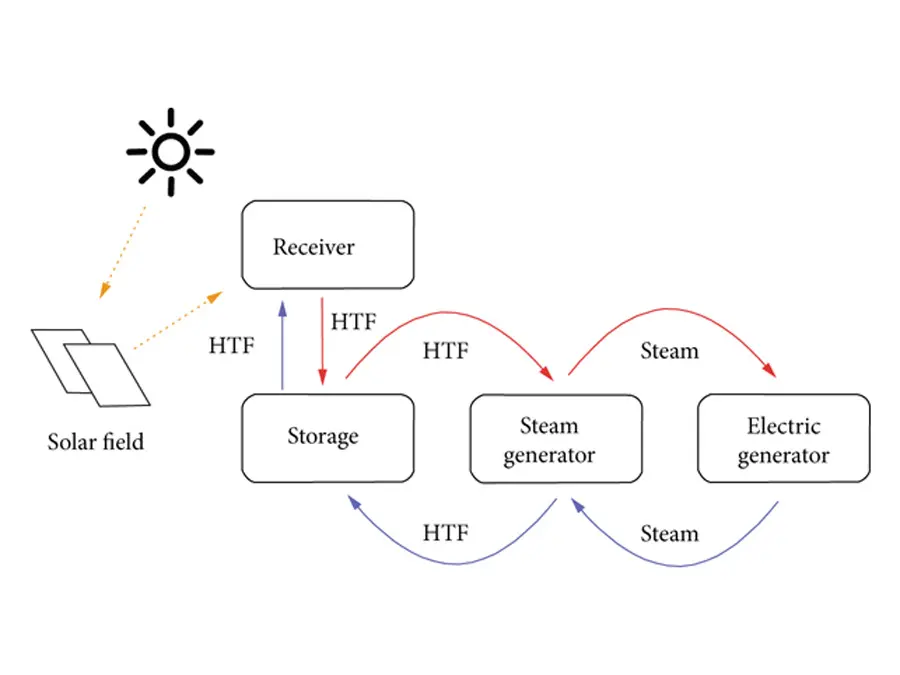
A concentrated solar power plant converts solar energy to electricity. It is based on advanced solar-thermal dynamics.

Molten salt energy storage has emerged as a promising solution for enhancing the efficiency of the modern electric grid.
Collaborating with top energy conglomerates, industrial manufacturers, and global trade developers.









Expert technical clarifications on molten salt mechanisms, procurement, and usage parameters.
 VOJIN
VOJIN