Explore our core industrial grade compounds engineered for thermodynamic efficiency, metal heat treatments, and agricultural productivity.
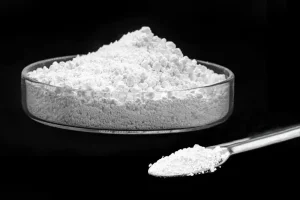
In the transition to a low-carbon energy economy, thermal storage mediums have moved from a niche engineering subject to a cornerstone of grid-scale energy storage. Eutectic mixtures of molten nitrate salts—chiefly comprised of 60% sodium nitrate ($NaNO_3$) and 40% potassium nitrate ($KNO_3$)—represent the state of the art in thermal energy storage (TES) and high-temperature heat transfer fluids. These compounds are uniquely suited for applications spanning 250°C to 560°C due to their excellent heat capacity, chemical stability, low vapor pressure, and non-toxic properties.
Globally, Concentrated Solar Power (CSP) systems represent the largest commercial consumer of molten salts. By utilizing solar collector fields to heat the molten salt, plants can store thermal energy during peak daylight hours and generate high-pressure steam for turbine generators through the night. As grid administrators face challenges with the intermittent output of wind and photovoltaic (PV) generation, the dispatchability of CSP with molten salt storage makes it an indispensable component of baseline green energy grids.
The manufacturing and purification of nitrates require access to key synthetic nitrogen processes and mineral assets. The industry has seen significant consolidation, with China emerging as the primary exporter of high-grade nitrates. Chinese producers leverage vertical integration, starting from the synthetic synthesis of sodium compounds and potassium purification, to supply molten salt mixtures that satisfy both cost parameters and stringent impurity controls required to prevent corrosion in steel piping systems.
Targeted product divisions engineered to provide optimized performance for distinct chemical and industrial markets.
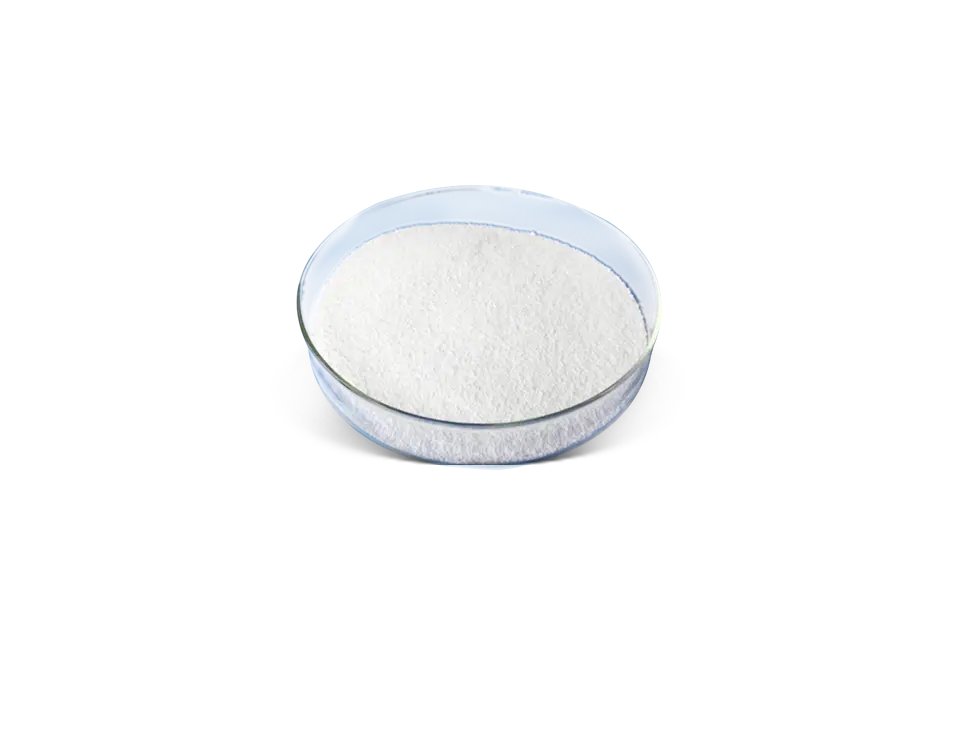

In China, molten salt manufacturers have achieved critical economies of scale and technical optimization that set them apart from Western competitors. Located primarily in industrial heartlands like Shanxi, which features rich mineral and chemical infrastructure, companies like Shanxi Vojin New Materials Co., Ltd. leverage local sourcing of potassium carbonate, nitric acid, and sodium compounds to streamline the synthesis process. This localization reduces transport dependencies, minimizes energy footprints during raw processing, and lowers per-ton processing costs.
China's processing advantages are evident across three critical vectors:
Our chemicals are utilized globally across key industries driving energy storage, glass manufacturing, and agricultural efficiency.
High-capacity heat collection and storage for CSP grids and green industrial heating systems.
VIEW MOREUltraclear glass production and chemical tempering of display covers for mobile and industrial screens.
VIEW MOREHigh-efficiency heat transfer fluids replacement for traditional fossil-fuel boiler operations.
VIEW MOREAdvanced water-soluble fertilizers providing high crop yields with minimal environmental runoff.
VIEW MORE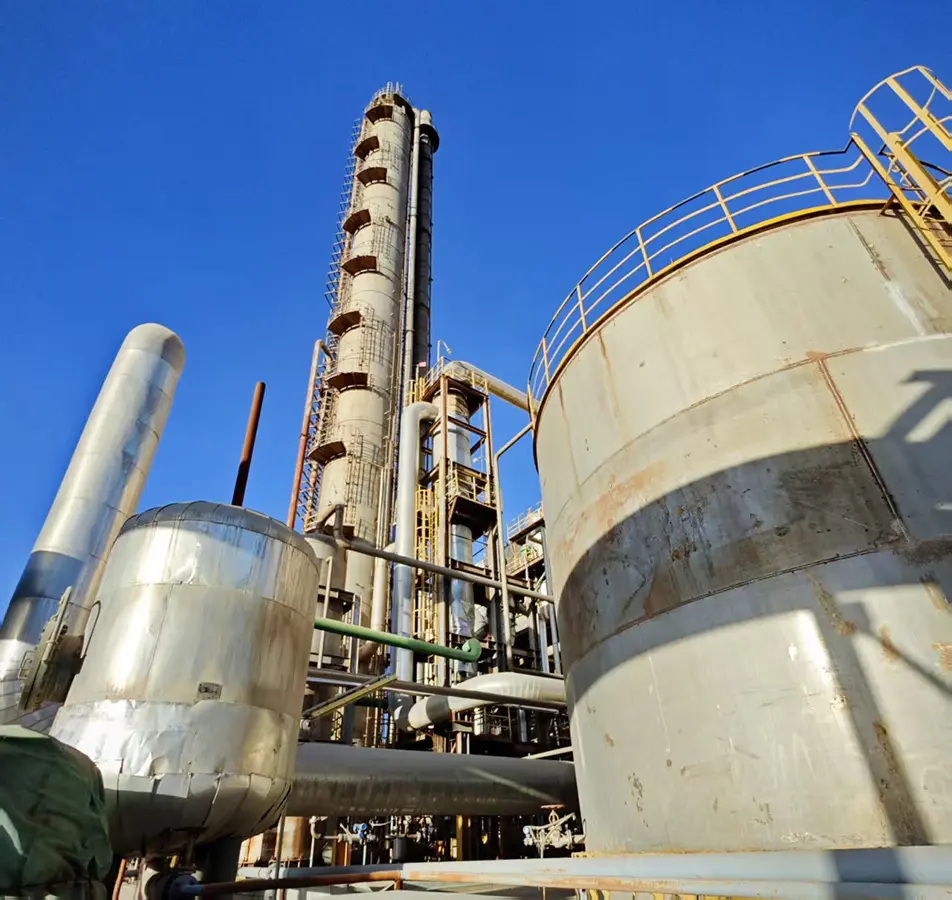
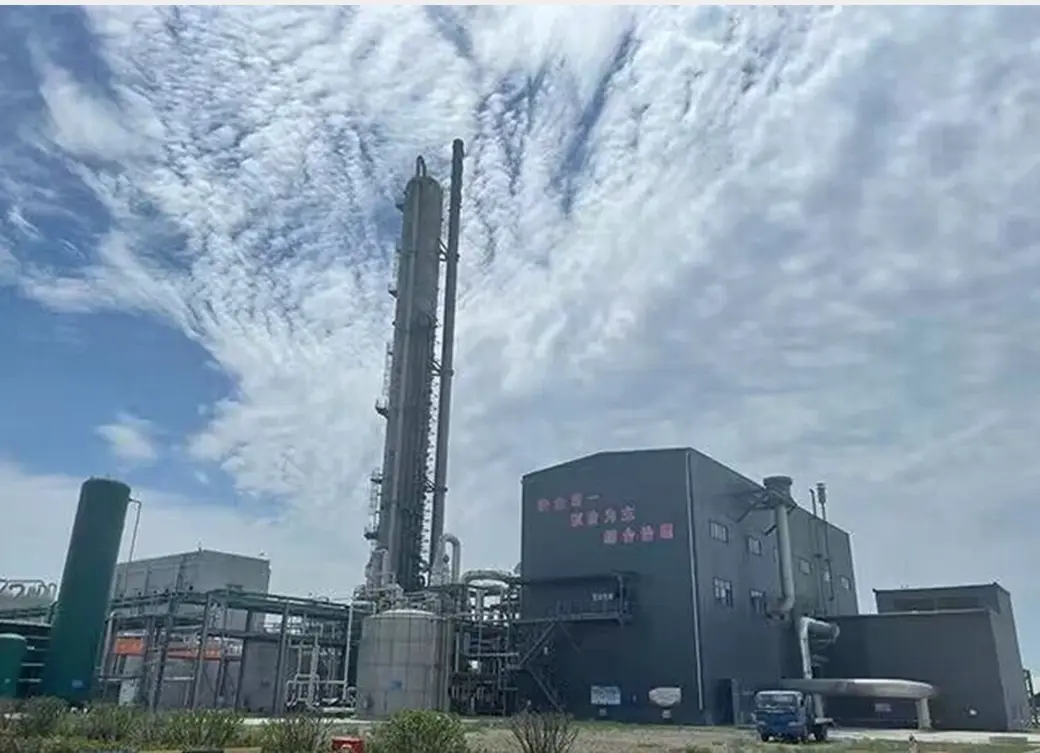
Leveraging two decades of processing experience to deliver specialized material solutions worldwide.
Why procurement leads and plant operators trust Shanxi Vojin New Materials as their preferred chemicals provider.

Our integrated logistics and export operations team secures customs compliance, hazardous materials transit safety, and reliable delivery coordinates worldwide.

With an annual output of 600,000 tons of molten salts and related chemical products, we easily accommodate bulk supply demands for utility-scale CSP installations.
Our support team coordinates directly with plant engineers to provide chemical testing, custom ratio formulations, and thermal life cycle diagnostics.
We supply a broad range of high-grade salts, including Potassium Nitrate ($KNO_3$), Sodium Nitrate ($NaNO_3$), and Calcium Ammonium Nitrate, to satisfy diverse customer requirements.
In thermal energy storage chemistry, standard commercial grades of chemical compounds are insufficient. Procurement managers auditing supply partners must focus on strict chemical indices. Even fractional levels of impurities can have major consequences for high-temperature operations:
Our flagship Solar Grade Sodium Nitrate conforms to the industry standard specifications required by global EPC contractors:
Stay informed with technical insights on molten salt energy storage, solar power plant engineering, and chemical innovations.
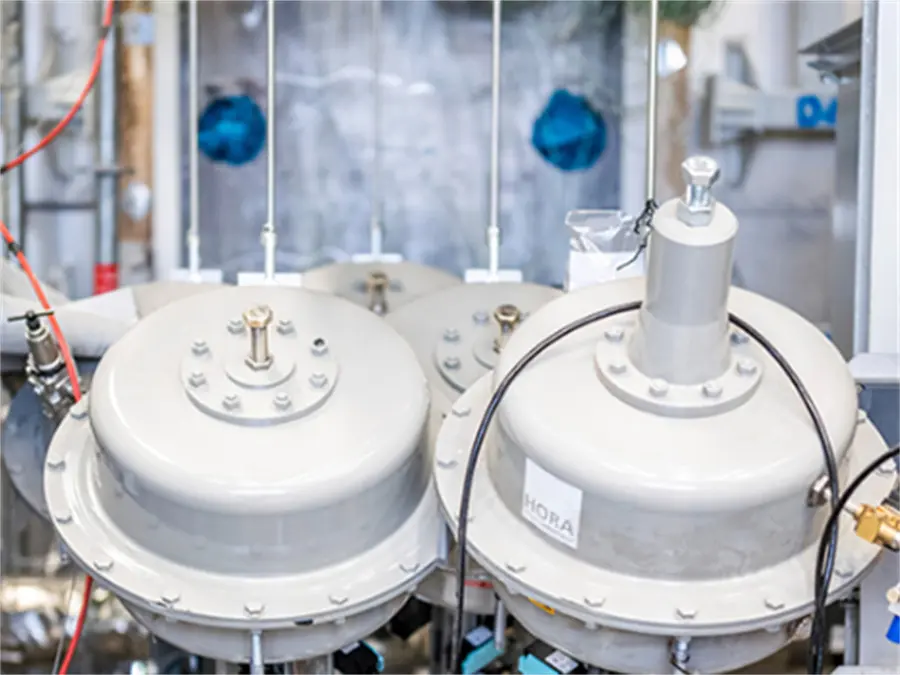
The technology can operate at higher temperatures, which has an impact on the efficiency of the turbine generators, reducing costs and maximizing baseline grid delivery.
view more →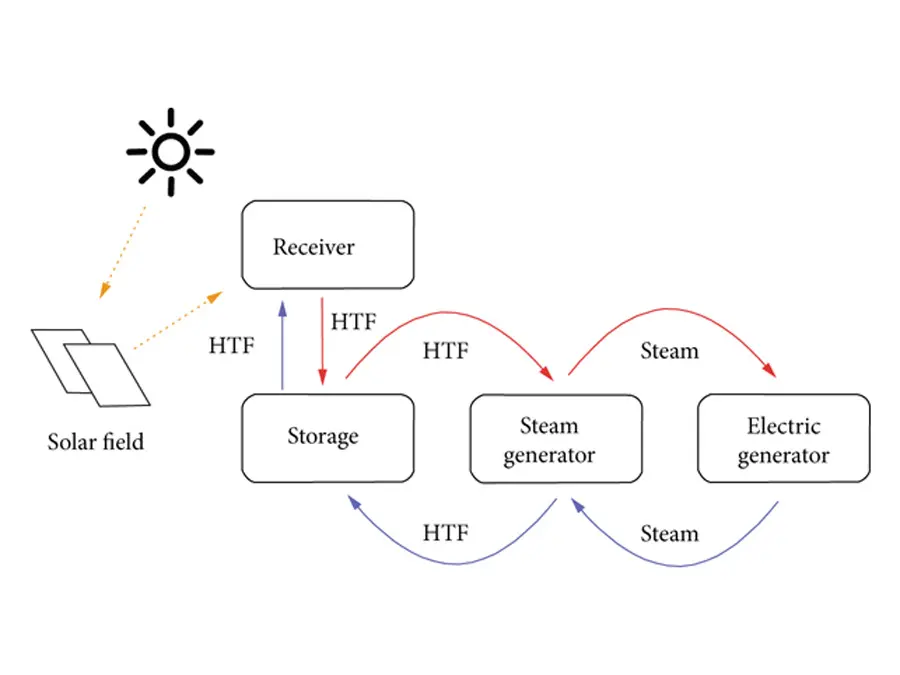
A concentrated solar power plant converts solar energy to electricity. It is based on focused solar radiation driving molten salts through heat exchangers to generate pressurized steam.
view more →
Molten salt energy storage has emerged as a promising solution for enhancing the efficiency of modern wind and solar installations by storing surplus energy as heat.
view more →The molten salt sector is experiencing a period of significant technological development. As industrial operators demand higher performance, three trends are shaping the future of this chemistry:
Traditional binary salts (solar salt) have a thermal limit of around 560°C. Above this point, nitrate decomposition increases significantly, generating gaseous nitrogen oxides ($NO_x$) and corrosive oxides. Research is focused on ternary and quaternary eutectic compositions incorporating lithium nitrate ($LiNO_3$) or calcium nitrate ($Ca(NO_3)_2$) to lower melting points, as well as chloride and carbonate chemistries designed to operate above 700°C for next-generation solar tower systems.
A key application is the retrofitting of coal-fired power stations. Rather than decommissioning these facilities, operators are exploring replacing coal boilers with molten salt thermal storage tanks heated by wind and solar power. This approach utilizes the plant's existing steam turbines and grid connections, reducing the capital expenditure required to transition to renewable baseline generation.
With a focus on global carbon footprint reduction, manufacturers are developing green nitrogen systems. Synthesizing nitric acid using green hydrogen and renewable electricity allows for the production of low-carbon sodium and potassium nitrates, helping energy projects achieve zero-emission supply chains.
Expert clarifications regarding physical properties, safety protocols, and purchasing specifications for industrial molten salts.
Supporting leading energy, glass, and agricultural enterprises with high-purity chemical supply chains.



Browse our complete list of nitrogen and calcium compounds optimized for global distribution.
 VOJIN
VOJIN