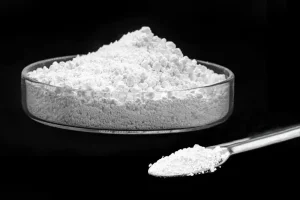
Engineered to meet exact industrial specifications and heat transfer media standards globally.
In the transition to a low-carbon energy economy, grid stability and continuous thermal energy supply have emerged as significant technological challenges. As a critical heat transfer fluid (HTF) and long-duration energy storage (LDES) medium, molten salt has transformed concentrated solar power (CSP) generation and industrial heat management systems globally.
This whitepaper provides a comprehensive analysis of molten salt formulations, raw material sourcing, chemical processing advantages in China, and technical requirements for international engineering procurement. By evaluating key physical parameters and supply chain infrastructures, global buyers can enhance operational reliability and minimize structural corrosivity within high-temperature loops.
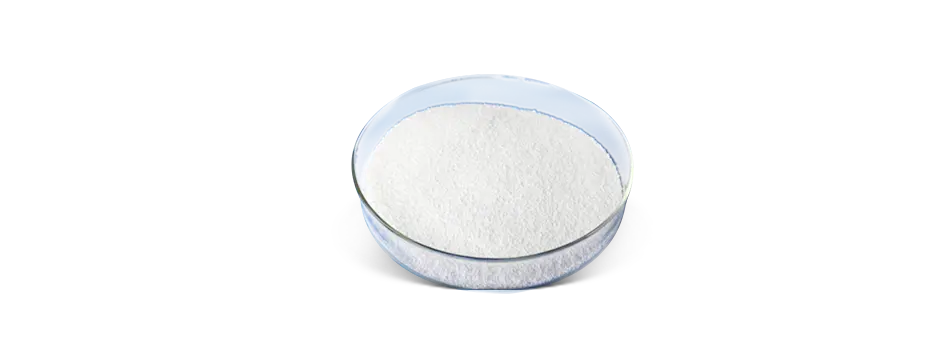
The term "molten salt" refers to any solid salt compound elevated above its liquefaction threshold. In thermal engineering applications, binary and ternary mixtures of inorganic nitrate and nitrite compounds dominate the commercial market. The classic combination comprises 60% Sodium Nitrate (NaNO3) and 40% Potassium Nitrate (KNO3). This solar-grade eutectic mix exhibits optimized thermodynamic behavior.
For specialized applications demanding lower operational temperatures, ternary formulations incorporating Calcium Nitrate [Ca(NO3)2] or nitrites [KNO2/NaNO2] are introduced. This integration reduces the freezing threshold, decreasing the risk of pipe blockages and reducing trace-heating electrical loads.
| Property Specification | Binary Nitrate Solar Salt (60% NaNO3 / 40% KNO3) | Hitec Ternary Salt (53% KNO3 / 40% NaNO2 / 7% NaNO3) |
|---|---|---|
| Melting Point / Eutectic Temperature | Approx. 220°C to 238°C (428°F to 460°F) | Approx. 142°C (288°F) |
| Maximum Operational Stability | Up to 565°C to 600°C | Up to 454°C to 538°C |
| Density at 300°C | 1,900 kg/m³ | 1,840 kg/m³ |
| Specific Heat Capacity (Cp) | ~1.5 kJ/kg·K | ~1.56 kJ/kg·K |
| Corrosion Tendency | Low (when Cl- < 50 ppm, SO42- < 50 ppm) | Moderate to High (requires inert blanketing) |
As a global hub for chemical synthesis and mineral processing, Shanxi Province, China, hosts advanced production facilities for high-purity nitrates. This regional concentration offers distinct supply chain advantages:
Engineering, Procurement, and Construction (EPC) contractors must prioritize purity levels during molten salt procurement. While standard fertilizers require only macro-nutrient purity, solar-grade molten salt demands strict chemical limits.
Chloride (Cl⁻) and sulfate (SO₄²⁻) ions are critical impurities. At temperatures above 500°C, high chloride concentrations damage chromium oxide protective layers in high-temperature alloys (e.g., Inconel or 347H stainless steel), leading to pitting and stress corrosion cracking. To address this risk, our quality assurance protocols utilize Inductively Coupled Plasma Optical Emission Spectroscopy (ICP-OES) to verify that chloride levels remain below 50 ppm (and under 10 ppm for custom applications).
Moisture management is also essential. Anhydrous packaging with double-layered polyethylene woven bags (often with external waterproof wraps) prevents moisture absorption during marine transit, reducing the risk of chemical degradation and caking.
Exporting high-tonnage chemical shipments requires adherence to international safety and environmental regulations:
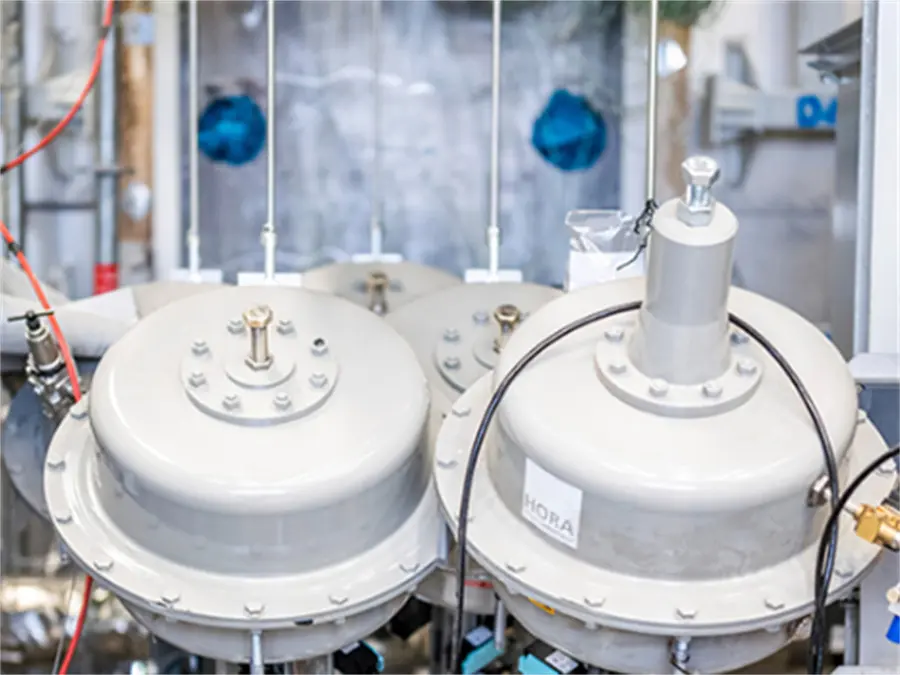
Modern thermal energy storage designs rely on molten salt loops to balance variable energy supplies with consistent demands.
In CSP plants, cold molten salt is pumped from a storage tank at roughly 290°C to the solar receiver tower, where solar radiation heats it to 565°C. This hot salt is then stored in an insulated hot tank. When grid demand increases, the hot salt flows through a steam generator, producing high-pressure superheated steam that drives a traditional turbine generator.
Beyond solar energy, molten salt is used in industrial waste heat recovery (e.g., steel and cement manufacturing), nuclear coolant loops (for advanced high-temperature reactors), and chemical synthesis processes that require precise heat control.
To improve thermodynamic efficiency, current research focuses on ternary and quaternary salt mixtures. By incorporating lithium nitrate (LiNO₃) or calcium nitrate, researchers aim to lower melting points to under 100°C. This adjustment would expand the liquid operating range and simplify freeze-protection systems.
Additionally, the rise of "green ammonia" and clean hydrogen production pathways is expected to increase demand for high-temperature thermal storage, positioning molten salt as a key technology in global decarbonization efforts.
Looking for customized eutectic ratios or high-purity specifications? Get in touch with our technical team today.
Request Technical Datasheet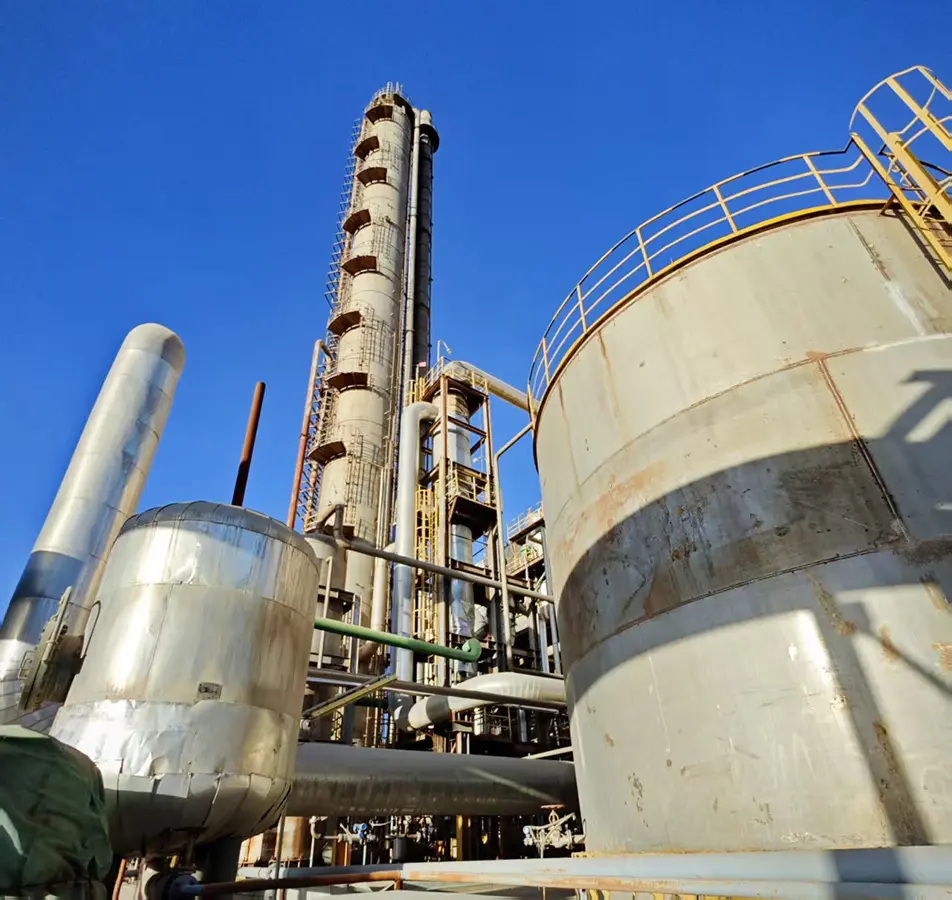
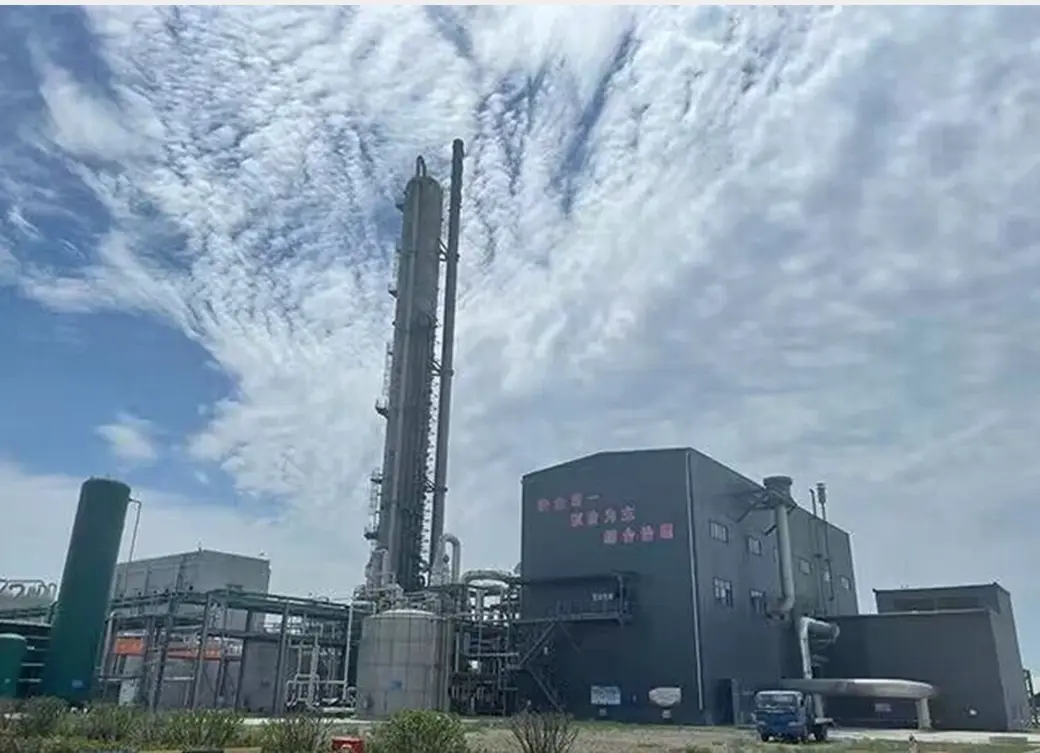
Driven since 2000, we have been committed to the entrepreneurial spirit and passion for innovation. Our team takes pride in delivering dependable products and services with a quality distinction in thermal energy storage & water-soluble fertilizer industries globally.
Learn More About VojinWhy Tier-1 solar thermal power projects and fertilizer distributors choose Vojin New Materials.
Integrated experience on exporting operation ensures seamless clearance and strict product quality controls at every checkpoint.
An annual output capacity of 600,000 tons of high-grade molten salts guarantees supply stability for large infrastructure projects.
Experienced technical support and logistical services teams guarantee prompt responses to inquiries and project requests.
Comprehensive options including KNO₃, NaNO₃, and customized eutectic blends designed to meet various high-temperature storage requirements.
Adapting molten salt compositions to dynamic thermal conditions across various industrial sectors.
Technical updates, industry trends, and analysis regarding high-temperature energy storage.
Investigating the potential of binary nitrate systems to operate at higher temperatures, improving thermodynamic conversion rates in tower-based CSP systems.
View Article →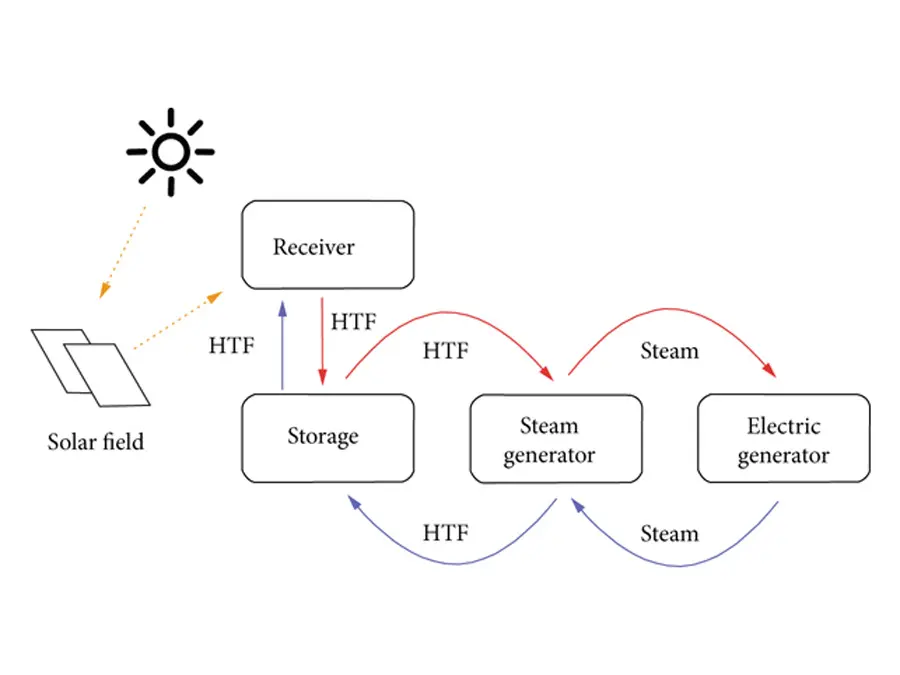
An engineering overview of how concentrated solar power installations use heat transfer fluids to ensure continuous, 24/7 clean energy dispatch.
View Article →
Analyzing key market opportunities for thermal storage applications in grid balancing and decarbonization efforts across various industrial sectors.
View Article →Our products are used in demanding chemical facilities and green energy grids worldwide.

Get answers to common procurement, engineering, and logistics questions about solar-grade molten salts.
Explore our complete product catalog, including technical-grade nitrates, industrial additives, and specialized plant nutrition.
 VOJIN
VOJIN