Explore our premium grade chemical products manufactured to strict purity profiles for specialized thermal storage, agricultural, and industrial processing loops.
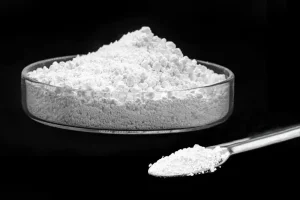
Specialized inorganic chemical families designed for global distribution and high-end industrial engineering integration.
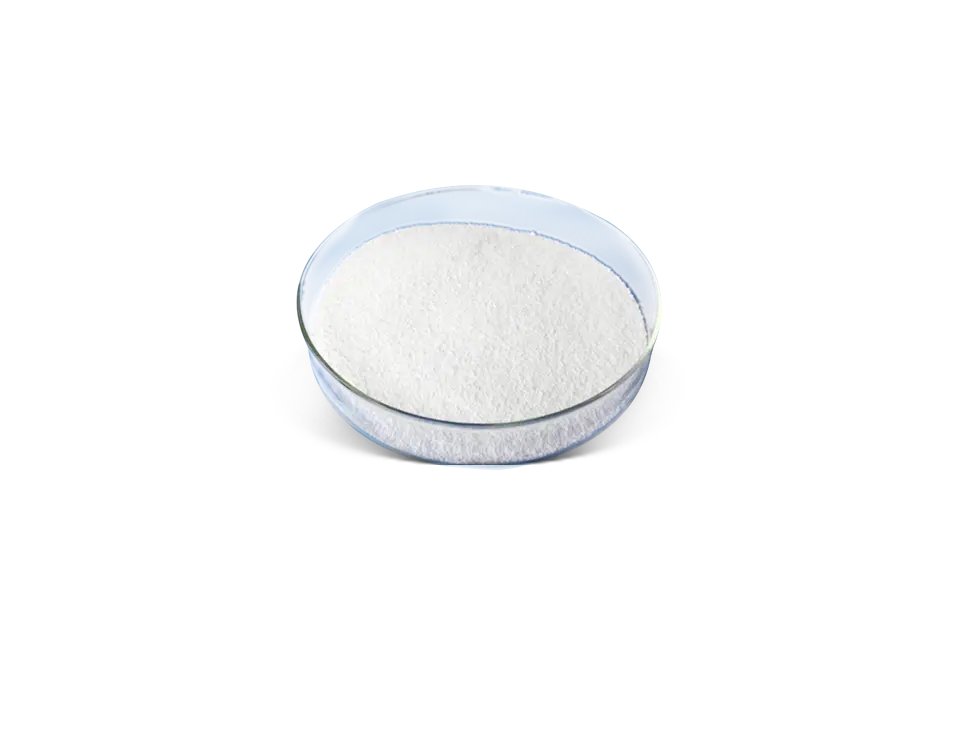
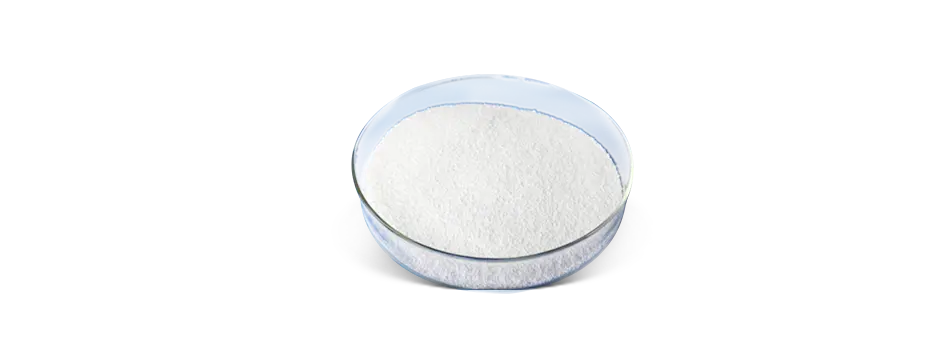
In the domain of Concentrated Solar Power (CSP) systems and heavy industrial heat transfer loops, molten salts serve as the primary thermodynamic fluid. They exhibit high volumetric heat capacity, low vapor pressure at high operating temperatures, and excellent thermal conductivity. However, the fundamental operational threshold limiting the wider deployment of molten salts is the freezing point, or the liquidus temperature, at which the liquid transition returns to a solid state.
"The operational window of a molten salt thermal fluid is bounded by two critical thermal parameters: the liquidus temperature (freezing point) on the lower end, and the chemical thermal decomposition limit on the upper end."
For standard "Solar Salt" (a binary mixture of 60 wt% Sodium Nitrate and 40 wt% Potassium Nitrate), the freezing point occurs at approximately 220°C (428°F). To prevent crystallization and subsequent blockages within complex receiver pipes, solar towers, and heat exchangers, system operators are forced to deploy highly energy-consuming electrical heat tracing systems. This "parasitic energy loss" reduces the overall thermal efficiency of the plant. Thus, lowering the freezing point of molten salts has become a major target for chemical engineering R&D globally.
Achieving a lower freezing point without compromising high-temperature stability is accomplished through the synthesis of **eutectic mixtures**. A eutectic system is a homogenous mixture of substances that melts and solidifies at a single temperature lower than the melting point of any of its individual constituents. By optimizing the thermodynamic ratios of alkali and alkaline earth metal nitrates, or adding nitrates with high structural asymmetry (such as calcium nitrate or lithium nitrate), engineers can drastically alter the liquid-solid phase boundary.
| Salt Composition / System Type | Typical Ratio (wt%) | Liquidus (Freezing) Temp | Upper Thermal Limit |
|---|---|---|---|
| Binary Solar Salt (NaNO₃ - KNO₃) | 60% NaNO₃ / 40% KNO₃ | ~220°C (428°F) | ~565°C (1049°F) |
| Ternary Nitrate Hitec Salt (KNO₃ - NaNO₂ - NaNO₃) | 53% KNO₃ / 40% NaNO₂ / 7% NaNO₃ | ~142°C (288°F) | ~535°C (995°F) |
| Ternary Nitrate with Calcium (KNO₃ - NaNO₃ - Ca(NO₃)₂) | Optimized Ternary Blend | ~130°C (266°F) | ~500°C (932°F) |
| Lithium-doped Quaternary Salts (Li-Na-K-Ca Nitrates) | Multicomponent Custom Blends | <100°C (212°F) | ~480°C (896°F) |
How low-melting-point molten salts enable clean energy storage, clean-burning heat networks, and advanced display systems.
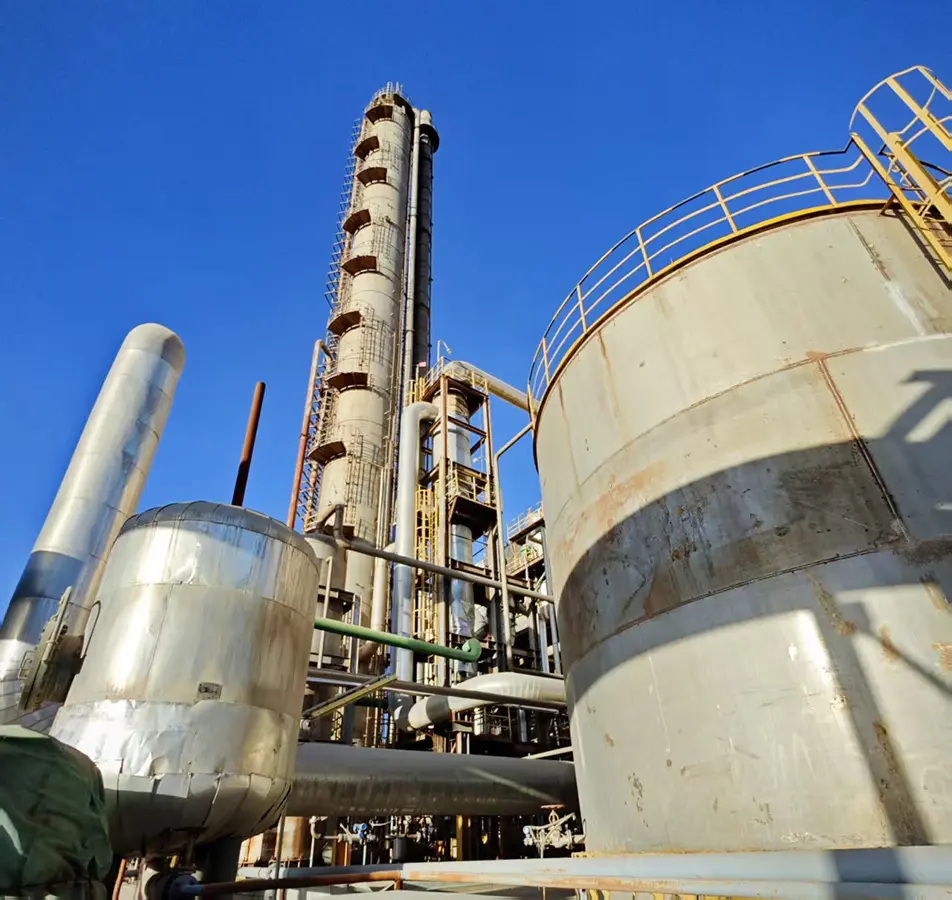
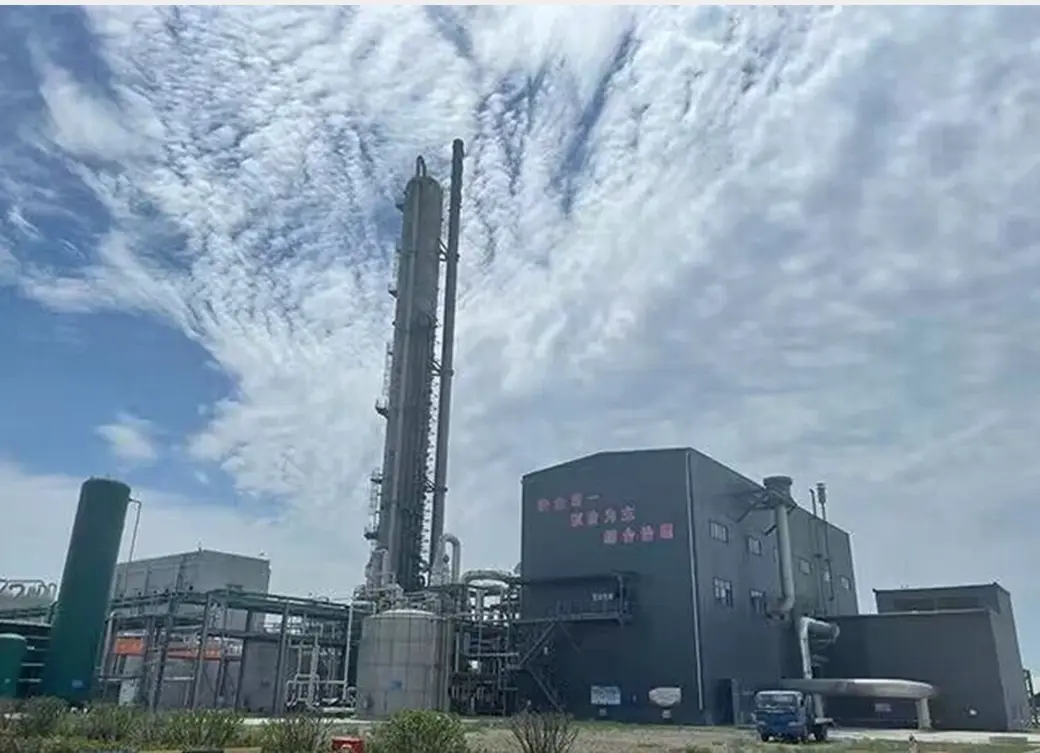
Driven by a legacy dating back to 2000, Shanxi Vojin New Materials Co., Ltd. has established itself as an innovative force in high-efficiency thermal storage and custom water-soluble nitrate compound production. Our team takes pride in delivering dependable, low-corrosion products with a global reputation for purity and specialized composition control.
Explore R&D PortfolioSourcing large-scale thermal energy storage media requires rigorous quality assurance and strong raw material supply chains. As global demands for green grid infrastructures escalate, Chinese manufacturers—specifically concentrated in key industrial hubs like Shanxi—provide unmatched cost advantages and engineering depth. Let's analyze why these advantages exist:
Shanxi Province sits at the heart of China's primary raw-material industrial basins, facilitating cost-efficient access to bulk sodium carbonate, nitric acid, potassium hydroxide, and calcium carbonates. This regional resource concentration drastically minimizes transportation and material procurement overheads, stabilizing production prices for international buyers even during global supply-chain fluctuations.
High-temperature molten salts can become highly corrosive if they contain trace amounts of halide ions (chlorides, $Cl^-$) or sulfates ($SO_4^{2-}$). In concentrated solar power tower systems, hot salt is pumped through thin-walled steel pipes at velocities up to 3 m/s. High chloride levels cause stress corrosion cracking (SCC) and rapid oxide scale shedding. Vojin New Materials employs multi-step chemical recrystallization methods to consistently limit chloride concentrations below 100 ppm, extending the operational lifespan of power plant alloys (such as stainless steel 347H or Inconel 625) to over 30 years.
A typical 100 MW CSP project with 10 to 12 hours of thermal storage capacity requires between 30,000 to 50,000 metric tons of refined molten salt. With our 600,000-ton annual production capacity, Shanxi Vojin can fulfill large-scale orders rapidly. Additionally, we customize ternary and quaternary formulations (adding Calcium Nitrate and Lithium Nitrate) to adjust the freezing point according to the specific layout and location of our clients' plants.
Why leading global EPC groups and energy developers choose Shanxi Vojin New Materials.

Integrated experience in exporting operations. We assure your projects receive compliant, secure, and moisture-controlled chemical shipping solutions across borders.
An annual output of 600,000 Tons of high-purity molten salts, fertilizers, and customized nitrate blends ready for global deployment.
Experienced chemical and material engineers provide technical support, product customization, and rapid response to complex installation requirements.
Multiple items for selection such as KNO₃, NaNO₃, and custom ternary blends to meet various operating parameters of our customers.
Stay updated with the latest technological shifts, research, and advancements in global energy storage loops.
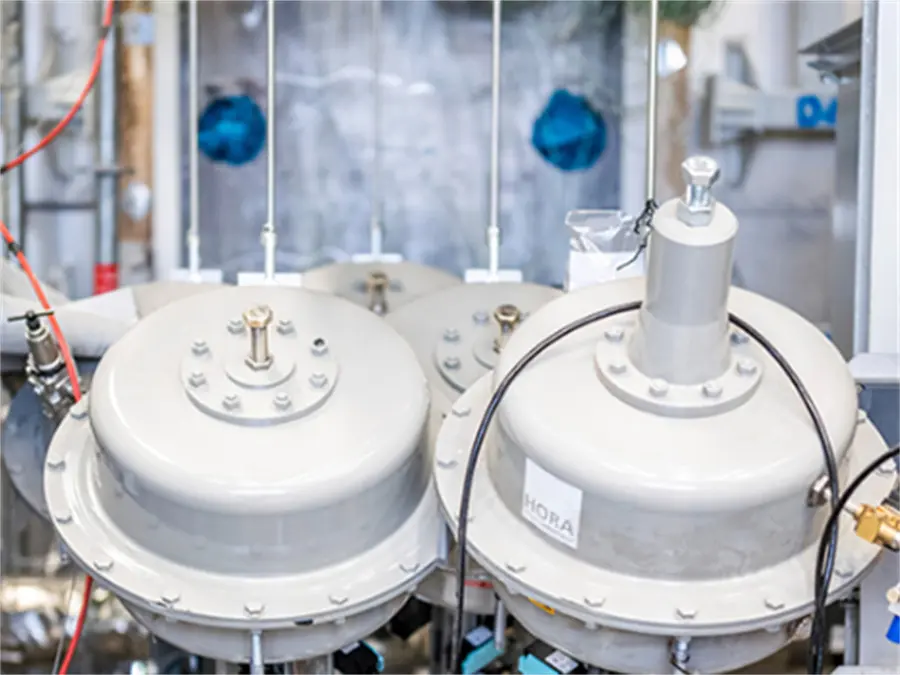
Developing low-melting-point mixtures allows plants to operate at wider thermal bounds, boosting heat exchanger efficiency.
Read Article →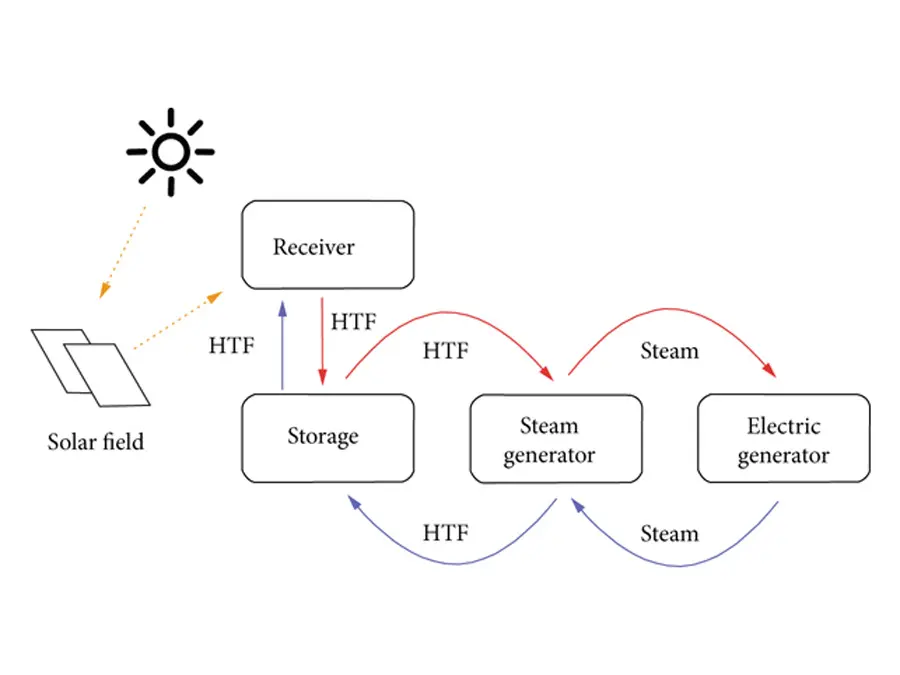
Detailed analysis of how clean steam is produced utilizing heat from high-capacity molten salt thermal loops.
Read Article →
Exploring how proper chemical mixture formulation addresses lower thermal limits and limits crystallization failure modes.
Read Article →Operating a solar field or industrial heat-recovery plant requires careful control of the molten salt freezing point. If the salt's temperature drops below the liquidus point, crystallization initiates. This begins at the pipe walls where the temperature is lower, forming a solid crust that reduces the effective flow diameter and increases the pressure drop. In extreme cases, complete solidification can shear internal equipment, damage storage tanks, or freeze receiver tubes, requiring expensive downtime and mechanical interventions to melt the salt.
Plants generally implement two complementary paths to combat crystallization risks:
"Selecting the optimal molten salt is not only a chemical decision but an economic one. Decreasing the freezing point reduces parasitic energy consumption and extends operational safety margins."
Unlike organic heat-transfer oils, which are flammable and degrade at temperatures above 390°C, nitrate-based molten salts are non-flammable, non-toxic, and highly stable at elevated temperatures. They can be safely handled and, at the end of their operational lifecycle, recycled into high-grade agricultural fertilizers, aligning with modern circular economy principles.
Detailed chemical and engineering answers for procurement managers and design engineers.
Standard solar salt (60% NaNO₃ / 40% KNO₃) has a eutectic freezing point of 220°C. Yes, it can be adjusted. By adding Calcium Nitrate (Ca(NO₃)₂) to create a ternary mixture, the liquidus temperature can be lowered to approximately 130°C. Using lithium-doped quaternary nitrate mixtures can reduce this threshold to under 100°C, though with a slight reduction in maximum thermal stability.
At high operating temperatures (above 500°C), chloride ions ($Cl^-$) break down the protective oxide layer on steel pipes, accelerating pitting corrosion and stress corrosion cracking (SCC). Shanxi Vojin New Materials maintains chloride content below 100 ppm to ensure the longevity of high-temperature alloys within CSP towers and steam heat exchangers.
While adding nitrates like Calcium Nitrate lowers the freezing point, alkaline-earth nitrates decompose at slightly lower temperatures (~500°C) compared to pure alkali nitrates like Sodium or Potassium Nitrate (~565°C). System designers must balance the benefits of a lower freezing point against the maximum required output steam temperature.
Nitrate salts are highly hygroscopic (they absorb moisture from the air). Shanxi Vojin uses multi-layer, moisture-proof woven PP bags with internal PE linings (typically 1.0 to 1.25 MT ton-bags) and shrink-wrapped pallets to ensure the product remains dry and free-flowing upon delivery.
Under correct operating conditions and within designated thermal limits, industrial-grade molten salts can operate for over 25 to 30 years with minimal degradation. Minor chemical adjustments may occasionally be required to compensate for trace thermal decomposition.
Developing long-term partnerships with leading engineering groups and chemical buyers worldwide.


Explore our industrial-grade materials, plant fertilizers, and high-purity carbonates produced to precise chemical specifications.
 VOJIN
VOJIN