VOJIN
VOJIN

Technical Whitepaper: Evolution of Molten Salt Formulations in Grid-Scale Thermal Energy Storage
An authoritative analysis of chemical purity standards, thermal stability envelopes, and supply chain protocols for Concentrated Solar Power (CSP) and high-temperature industrial heating.
1. Industry Evolution & Eutectic Molten Salt Trends
In the transition to sustainable energy, the grid demands continuous, dispatchable base-load power. Intermittent renewable sources like solar photovoltaics and wind turbines require cost-efficient, long-duration energy storage. Thermal Energy Storage (TES) using molten nitrate salts has proven to be the most commercially viable and thermodynamically efficient solution at utility scale.
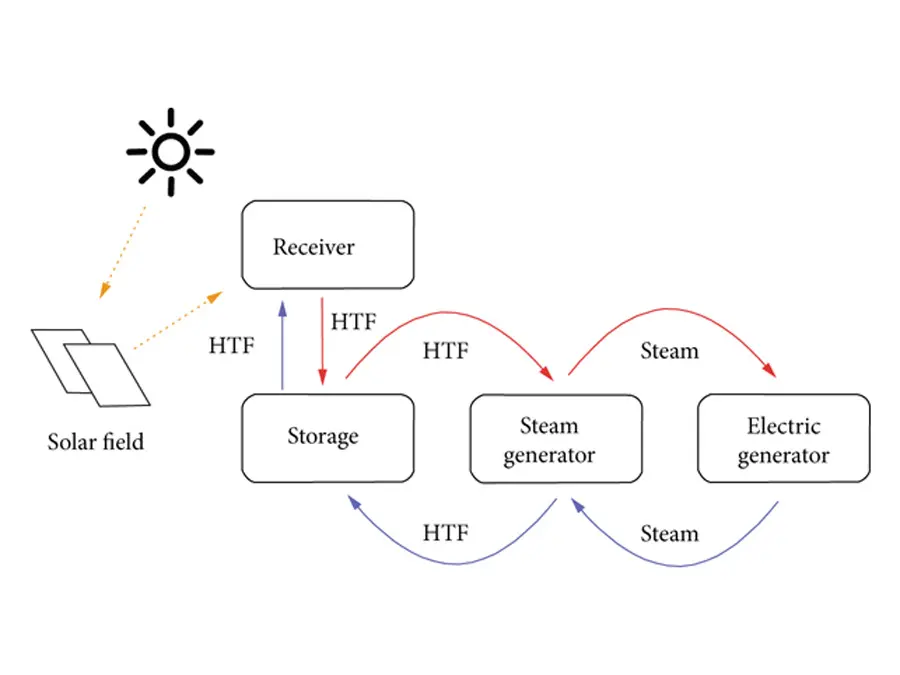
Typically, the binary eutectic mixture of 60% Sodium Nitrate ($NaNO_3$) and 40% Potassium Nitrate ($KNO_3$), commonly referred to as "Solar Salt," serves as the heat transfer fluid (HTF) and storage medium. It operates within a stable temperature range of 220°C to 565°C. Current global R&D is pushing toward ternary and quaternary mixtures (incorporating Calcium Nitrate, Lithium Carbonate, or Carbonates) to reduce the melting point below 150°C while increasing the upper thermal threshold beyond 600°C. Lowering the melting point reduces parasitic trace-heating energy requirements and prevents catastrophic salt freezing inside miles of receiver piping.
"By optimizing the chemical composition of molten salts, industrial plants can realize up to a 15% increase in thermodynamic efficiency while significantly mitigating systemic corrosion risks." — Shanxi Vojin New Materials Technical Directorate
2. Global Procurement Dynamics & Chemical Purity Standards
Procuring industrial-scale chemicals for molten salt applications requires strict attention to purity specifications. Minor contaminants can cause operational failures.
- Chlorides (Cl⁻): Chlorides are the primary cause of stress corrosion cracking (SCC) in high-temperature stainless steel and nickel-alloy piping. Premium solar salts must maintain chloride levels below 50–100 ppm to ensure a system lifespan of 25+ years.
- Sulfates (SO₄²⁻): High sulfate levels lead to precipitate scaling inside heat exchangers, restricting fluid flow and creating localized hot spots.
- Moisture Content: Nitrates are naturally hygroscopic. Excessive moisture introduction during loading triggers hydrolysis, releasing corrosive nitric acid vapors and accelerating metal degradation.
| Chemical Property | Standard Industrial Grade | High-Purity Molten Salt Grade (Vojin Standard) | Operational Impact |
|---|---|---|---|
| Purity (KNO₃ / NaNO₃) | 99.0% Min | ≥ 99.8% Min | Maximizes specific heat capacity and phase-change stability. |
| Chloride Content (Cl⁻) | ≤ 0.1% (1000 ppm) | ≤ 0.005% (50 ppm) | Eliminates high-temperature stress corrosion in alloy steels. |
| Moisture (H₂O) | ≤ 0.20% | ≤ 0.05% | Prevents hydrolysis and gas-pocket cavitation in circulation pumps. |
| Insolubles | ≤ 0.05% | ≤ 0.01% | Prevents nozzle clogging and sediment accumulation in cold tanks. |
3. Macro-Level Industrial Solutions & Applications
High-purity molten salts support multiple industrial applications:
- Concentrated Solar Power (CSP): Operating in tower or parabolic trough configurations, molten salt acts as the heat-transfer medium, enabling power generation during non-solar hours.
- Industrial Steam Generation & Coal Conversion: Retrofitted thermal storage units replace traditional coal-fired boilers, utilizing green electricity to heat salts during off-peak hours and releasing steam during high-demand periods.
- Chemical Toughening & Display Device Glass: High-temperature Potassium Nitrate bath processes exchange sodium ions on glass surfaces with larger potassium ions. This creates compressive stress, resulting in shatter-resistant glass for mobile devices and automotive displays.
- Advanced Agriculture: High-purity, fully water-soluble agricultural-grade Potassium Nitrate and Calcium Nitrate serve as primary sources of nitrogen and potassium, preventing soil salinization in precision drip irrigation systems.
4. Manufacturing Prowess & Technical Roadmap of Shanxi Vojin
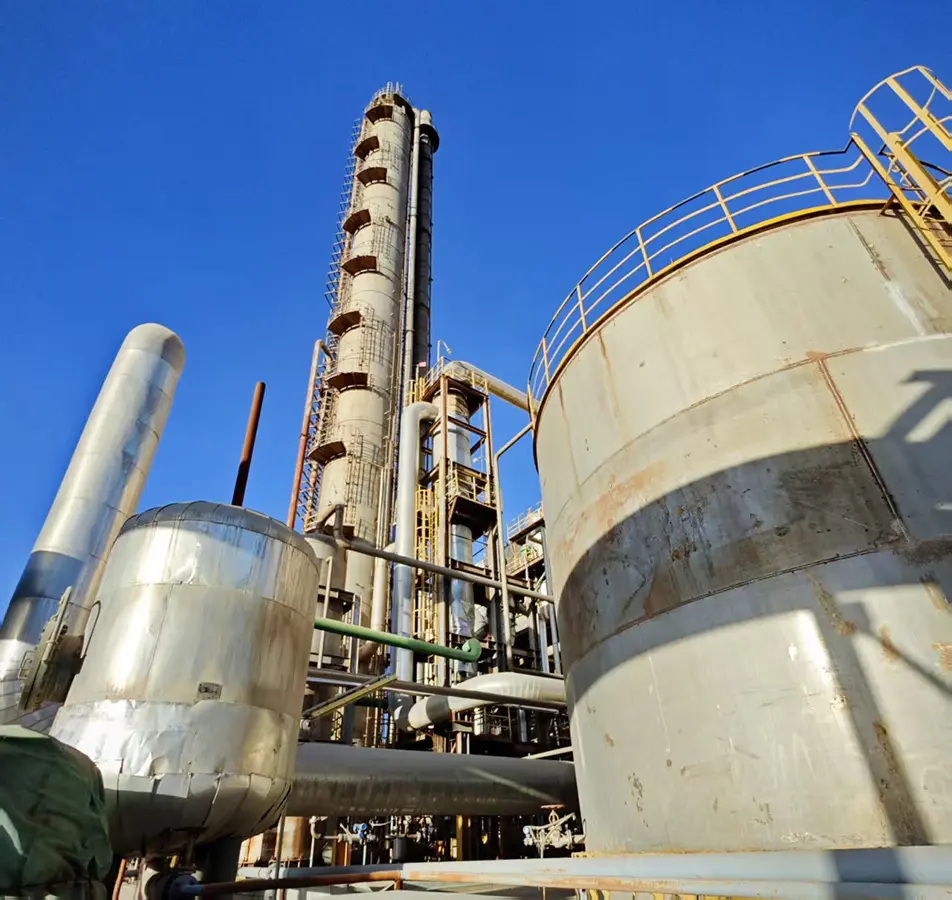
Founded in 2000 and established as a dedicated production base in 2010, Shanxi Vojin New Materials Co., Ltd. operates a 1,000-acre manufacturing complex. With an annual capacity of 600,000 tons of inorganic salts, Vojin supports global energy and chemical demands.
Our technical roadmap focuses on reducing chemical impurities through recrystallization processes. Our automated dry-blending facility mixes binary and ternary salts to custom ratios, shipping them directly in moisture-proof containers. This ensures the salt mixture arrives with consistent composition and moisture levels below 0.05%.
5. Localization, Quality Assurance, and Regulatory Compliance
Operating in international markets requires compliance with local regulatory frameworks. All products exported to the European Union comply with REACH registration standards. Our facilities maintain ISO 9001:2015 Quality Management, ISO 14001:2015 Environmental Management, and ISO 45001:2018 Occupational Health and Safety certifications.
Vojin provides full technical documentation for global shipments, including Safety Data Sheets (SDS), certificates of analysis (CoA) for each batch, and localized customs clearance support. This ensures efficient transport and delivery to international project sites.