Explore our advanced inorganic compounds tailored for industrial applications, agricultural technology, and ultra-high temperature thermal energy storage systems.
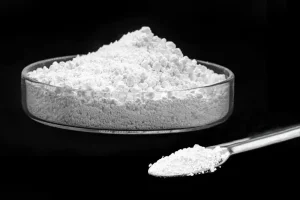
As the global energy transition accelerates towards net-zero carbon goals, the demand for long-duration energy storage (LDES) has entered an unprecedented growth phase. Among various grid-scale thermal storage technologies, molten salt energy storage (MSES) stands out as the most commercially proven and economically viable option. Historically deployed alongside Concentrated Solar Power (CSP) plants, molten salt is now transcending solar energy. It has emerged as a cornerstone solution for grid balancing, nuclear reactor heat transfer, industrial waste heat recovery, and decarbonized high-temperature steam production.
The global industrial landscape utilizes a binary mixture of molten salts—primarily 60% sodium nitrate (NaNO₃) and 40% potassium nitrate (KNO₃), commonly referred to as "solar salt". Operating between temperatures of 290°C and 565°C, solar salt offers high density, high specific heat capacity, and low vapor pressure. With global energy storage capacity forecasted to increase tenfold over the next decade, international developers, industrial giants, and power grids are heavily investing in expanding their thermal energy facilities. Secure, reliable, and high-purity molten salt chemistry is the core foundation keeping these multi-billion dollar systems operational and efficient.
Integrating molten salt thermal buffers into wind and solar grids offsets clean energy intermittency, providing steady baseload power when the sun goes down or wind stops.
Replacing traditional coal-fired boilers in manufacturing, petrochemicals, and refining plants with thermal energy storage loops charged by green electricity.
Molten salt acts as an ideal coolant and heat transfer medium in Generation IV molten salt reactors (MSR), raising safety standards and operational efficiency.
Backed by advanced production techniques, Shanxi Vojin New Materials provides a comprehensive chemicals portfolio focusing on thermal energy storage & water-soluble fertilizer industries globally.
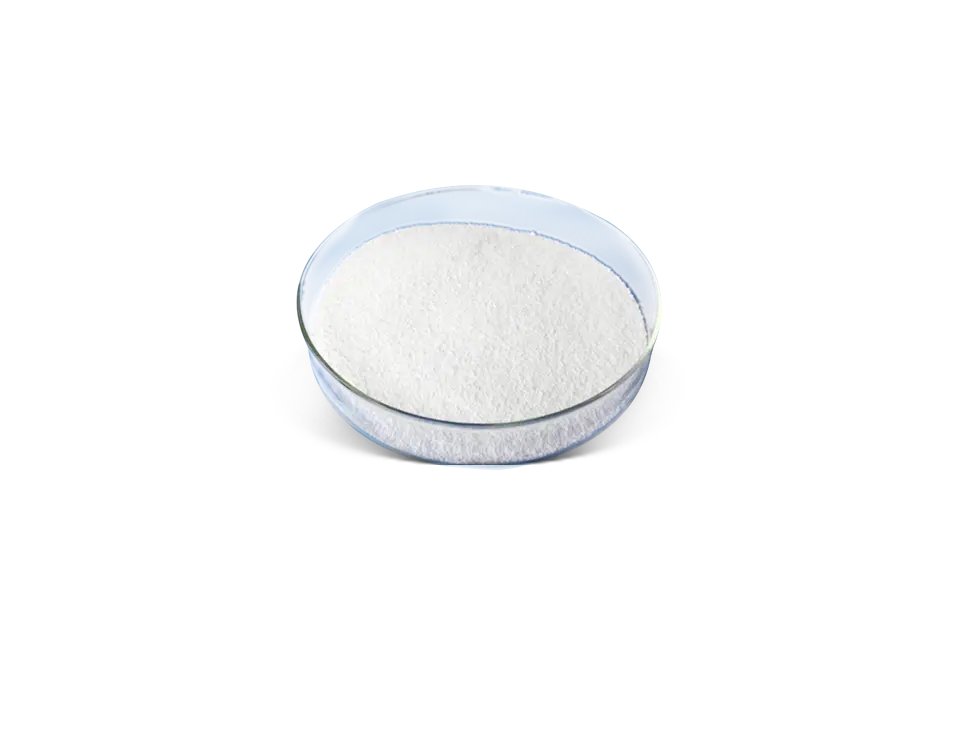
Industrial & Solar grades of Potassium Nitrate and Sodium Nitrate, featuring low chloride and sulfate impurities to prevent stress corrosion cracking.

Water-soluble Large Element fertilizers and Organic fertilizers, designed for optimized crop absorption and minimal soil compaction.
High-efficiency chemical inputs and co-products supporting metal heat treatment, water purification, and industrial synthesis applications.
The integration of molten salt technologies is highly dependent on local geographic, industrial, and regulatory landscapes. By targeting specific localized conditions, engineering teams can tailor thermal storage configurations for maximum cost benefit and operational stability.
Commercial deployment in Concentrated Solar Power (CSP) systems in arid regions like Northwest China, the Middle East, and the Atacama Desert. High thermal density allows 24/7 power generation with precise output adjustments.
Ultra-pure molten salt formulations are critical during the chemical strengthening process of display glasses (cover glass for smartphones, tablets, and automotive consoles) via high-temperature potassium ion exchange.
Modernization of localized district heating networks and heavy industries. Power-to-heat-to-steam systems charge molten salt tanks during low-cost wind and solar output, providing round-the-clock clean process steam for chemical plants.
By-products from molten salt chemical plants are repurposed into high-quality potassium nitrates and complex water-soluble fertilizers, enabling precise nutrient delivery in advanced drip irrigation agriculture globally.
The research and development roadmap for molten salt materials centers on increasing operating temperatures, widening the liquidus range, and minimizing systemic corrosion rates. By addressing these factors, plant operators can significantly improve thermodynamic efficiency and reduce capital expenses (CAPEX) for thermal energy storage installations.
1. Expanding the Temperature Limits: Traditional solar salt degrades at temperatures exceeding 565°C. To enhance power block efficiency (matching supercritical steam turbines or supercritical CO₂ cycles), researchers are focusing on next-generation formulations. These include ternary and quaternary salts incorporating calcium nitrate [Ca(NO₃)₂] to depress the melting point below 150°C, and chloride or carbonate salt mixtures that remain stable at temperatures exceeding 700°C.
2. Advanced Anti-Corrosion Systems: High-temperature molten salt introduces severe corrosion challenges to stainless steel storage tanks, heat exchangers, and pumping mechanisms. The technology roadmap emphasizes the control of critical impurities (such as moisture, chloride, and carbonate ions) to parts-per-million (ppm) levels. Adding specialized corrosion inhibitors and applying nanostructured coating materials inside piping systems dramatically increases infrastructure life expectancies beyond 30 years.
3. Deep Decarbonization Integration: Looking ahead, molten salt heat transfer will play an essential role in hydrogen generation, sustainable aviation fuel (SAF) production, and thermal battery networks. By storing excess power generated from distributed renewable plants, molten salt grids can provide high-temperature heat directly to industrial chemical reactors, eliminating fossil fuels from thermal-intensive production lines.
SHANXI VOJIN NEW MATERIALS CO., LTD. has stood at the forefront of the thermal energy storage and water-soluble fertilizer industries since 2000. Our commitment to high purity, material science innovation, and large-scale manufacturing guarantees reliable delivery to over 40 countries.
The dominance of Chinese chemical manufacturers in the molten salt and industrial nitrate sectors is underpinned by unmatched structural and supply chain advantages. Our facility, Shanxi Vojin New Materials Co., Ltd., demonstrates how vertical integration, geographic location, and massive production scales combine to benefit our global clientele.
Shanxi province holds rich reserves of natural minerals, coal derivatives, and synthetic chemical bases. This local abundance ensures that core reactants for potassium and sodium nitrates are sourced directly within a 100km radius, reducing transportation costs and isolating production from international raw material volatility.
With an annual capacity of 600,000 tons of molten salts, our factories leverage advanced automated crystallization and refining systems. Mass production lowers the per-ton energy usage, enabling us to offer competitive pricing without sacrificing the chemical purity required by thermal energy storage applications.
We are integrated into China's world-class transport infrastructure. From direct railway cargo lanes to bulk-shipping terminals at major ports like Tianjin and Qingdao, we guarantee fast, uninterrupted customs clearance and maritime shipping logistics to global hubs.
We build reliability, safety, and performance into every single batch of chemical compound we ship.

Our experienced logistics team manages dangerous goods packaging, maritime compliance, and custom clearances, delivering peace of mind directly to your port of choice.
An annual output capacity of 600,000 metric tons of molten salts ensures we can comfortably support massive utility-scale project phases and long-term contracts.
Our in-house R&D chemists and application engineers provide quick technical support, assist with salt formulation designs, and solve pipeline corrosion issues.
Deploying chemical products on a global scale demands strict adherence to safety, environmental, and regional chemical laws. Over the years, Shanxi Vojin has established an extensive compliance framework to make purchasing simple and low-risk for companies around the world.
Our product lines fully comply with the European Union's REACH (Registration, Evaluation, Authorisation and Restriction of Chemicals) regulations, allowing frictionless imports across all European member states. Furthermore, our chemical compounds meet or exceed the requirements of United States OSHA standards and carry comprehensive Safety Data Sheets (SDS) in multiple languages. In the agricultural field, our high-efficiency water-soluble fertilizers comply with regional heavy metal thresholds and labeling guidelines, securing seamless distribution for commercial agricultural networks.
For large-scale commercial power plants and heavy industrial facilities, we offer tailored on-site melting and loading support. Melting thousands of tons of high-density salt and pumping it into hot storage tanks requires precise temperature control to avoid freezing. Our engineering technicians provide on-site technical consultations, equipment layouts, and start-up support, guaranteeing that your heat storage system begins operation safely and on schedule.
Get expert answers regarding molten salt expansion, chemistry behavior, and thermal storage performance.
Explore additional industrial-grade salts, purification agents, and agricultural blends from our global export inventory.
Keep up with the fast-evolving technologies in the thermal energy storage sector and agricultural science.
Deep dive into how operating molten salt systems at higher limits impacts overall thermodynamics and plant power generation output.
Concentrating solar power plants convert sunlight to electricity utilizing robust mirror arrays and molten thermal loops for storage stability.
Analysis of molten salt batteries as a viable alternative for storing massive amounts of excess grid energy to support peak industrial demand.
Working with leading global engineering companies, energy developers, and chemical distributors.


 VOJIN
VOJIN