Explore our top-tier manufacturing portfolio engineered for thermal systems and agricultural applications globally.
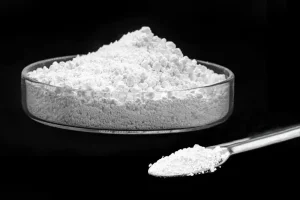
In the modern transition toward high-efficiency renewable energy grids, molten salt thermal energy storage (TES) technology stands as a cornerstone. The utilization of high-temperature molten salts—primarily binary mixtures of potassium nitrate (KNO3) and sodium nitrate (NaNO3)—demands absolute structural purity and chemical control. This is the premise of "Molten Salt Control", which governs the thermodynamics, corrosion mitigation, and operational longevity of heat transfer fluid (HTF) systems in Concentrated Solar Power (CSP) plants, industrial steam optimization, and advanced grid storage solutions.
As leading China molten salt control manufacturers and suppliers, industrial units are transitioning from simple chemical formulation to complex thermodynamic lifecycle management. Achieving a low-viscosity, high-specific-heat, and low-corrosive chemical mix requires stringent control of trace elements. Impurities such as chloride ions (Cl-) and sulfate ions (SO4 2-) must be kept under micro-ppm levels to prevent stress corrosion cracking (SCC) of high-strength alloys in molten salt storage tanks and heat exchangers.
“Strategic thermal energy storage reliability depends directly on chemical purity. Minor deviations of 0.05% in impurity compositions can reduce the operational lifetime of alloy heat pipes by up to 40%.”
Inorganic Chemicals Category Breakdown
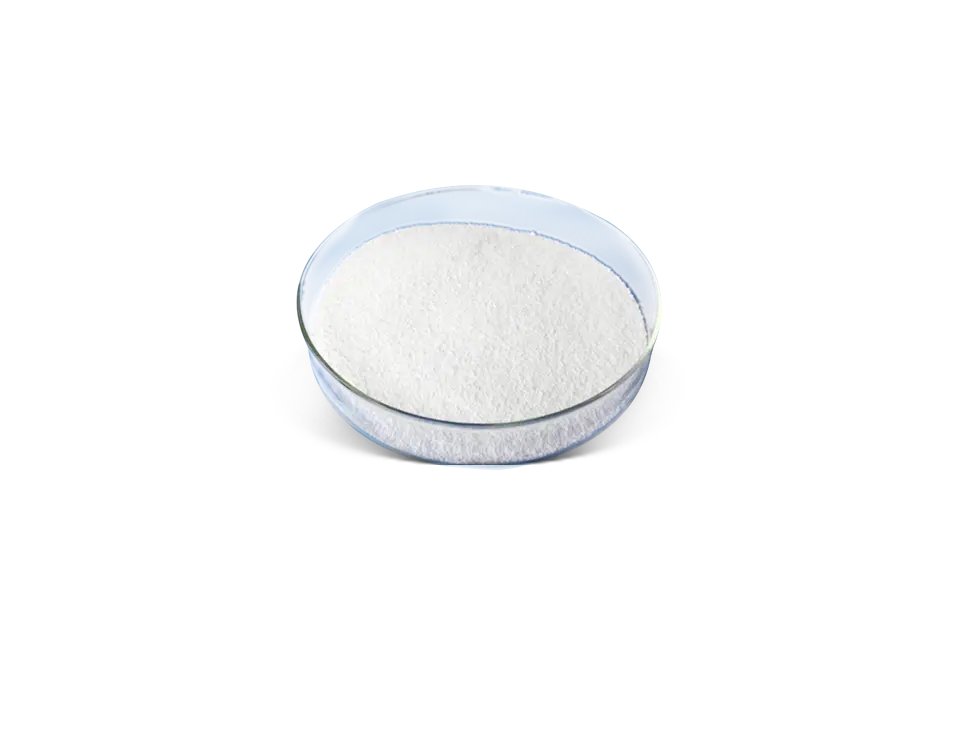

The global supply chain for high-temperature molten salts has consolidated significantly around Chinese manufacturing hubs, and for valid thermodynamic reasons. China's chemical infrastructure offers unmatched raw material integration. The proximity of mineral-rich basins in Qinghai, Xinjiang, and Shanxi ensures a continuous, reliable flow of high-grade potash and synthetic nitrates, protecting international procurers from localized volatility.
Furthermore, manufacturing processes in facilities like Shanxi Vojin New Materials leverage advanced multi-stage crystallization systems and automated chemical monitoring lines. Unlike standard chemical plants that produce agricultural-grade fertilizers as a final product, specialized molten salt manufacturers integrate deep refining steps to eliminate water content (reducing moisture to <0.02%) and keep iron content at ultra-low levels. This guarantees that the molten salt remains highly stable over its designed 30-year operational span without forming massive salt blocks, caking, or losing thermodynamic efficacy.
Powering Modern Thermal and Display Technologies Globally
The global energy transition has forced heavy industries and utility companies to look beyond traditional battery storage. While lithium-ion batteries serve short-duration grid requirements, molten salt systems represent the premier technology for long-duration thermal energy storage (LDES). Key industry trends indicate massive deployment in hybrid solar-wind installations, where molten salt systems act as the thermal battery core, absorbing excess grid electricity and dispatching superheated steam to drive traditional turbine blocks when needed.
Another disruptive trend is the transition towards Gen3 Concentrated Solar Power (CSP) systems. Traditional solar towers utilize binary solar salts up to 565°C. The industry is currently experimenting with chloride-based and carbonate-based salts to push operating limits past 700°C. This allows for higher power cycles (such as supercritical CO2 cycles), boosting overall power block efficiency from 40% to nearly 50%, saving operational space and reducing the overall footprint of piping materials.

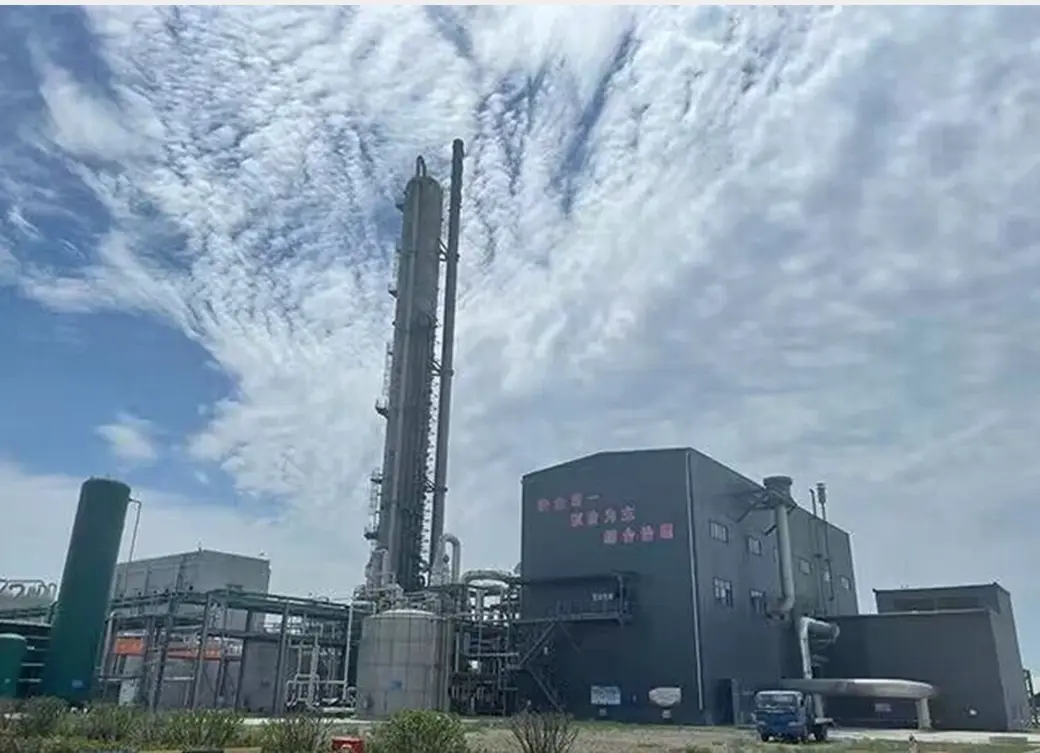
Driven since 2000, we have been committed to the entrepreneurial spirit and passion for innovation. Our team takes pride in delivering dependable products and services with a quality distinction in thermal energy storage & water-soluble fertilizer industries globally. With decades of targeted research and strict supply chain execution, we provide reliable nitrate materials designed for challenging thermal applications.
View More DetailsBeyond utility-scale CSP, molten salt control is finding extensive usage in localized and micro-grid settings. In industrial manufacturing, glass chemical tempering processes utilize molten potassium nitrate bath solutions to exchange sodium ions on the glass surface for larger potassium ions, generating high compressive stress. This chemical tempering requires strict molten salt control, as any buildup of unwanted impurities in the salt melt disrupts the ionic diffusion coefficient, leading to surface blemishes or uneven strength profiles in tempered glass displays.
On a macro level, coal conversion processes and chemical production facilities are utilizing molten salt thermal heat-transfer loops to recover high-temperature heat that would otherwise be vented. By routing heat into a thermal salt loop, factories can generate high-pressure steam for local production or convert it back into electrical power, showcasing a prime example of thermodynamics in circular economies.
Why Global Enterprises Partner with Vojin New Materials
Integrated experience on exporting operation. Always assure your customers good quality and fluid customs clearances.
Annual output of 600,000 Tons of molten salts, ensuring scalable global deliveries and continuous bulk raw material supplies.
Experienced technology skill & service team. Quick response to technical demands and localized troubleshooting.
Multiple items for selection such as KNO3, NaNO3 to meet various demanding thermal specifications and agricultural configurations.
Make everyday count: Technical updates from our development teams
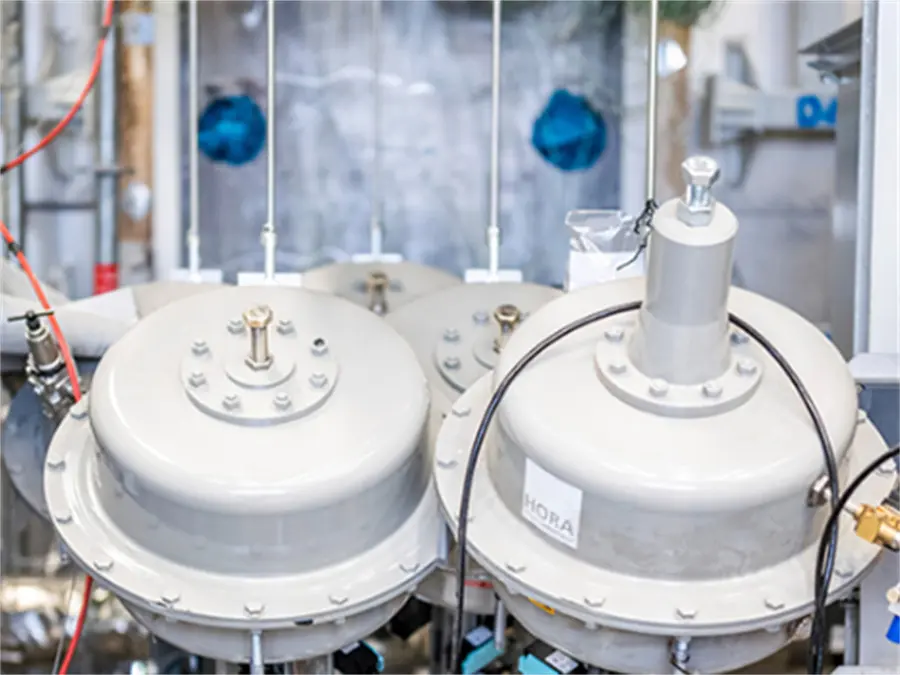
The technology can operate at higher temperatures, which has an impact on the efficiency of solar energy systems worldwide...
Read More →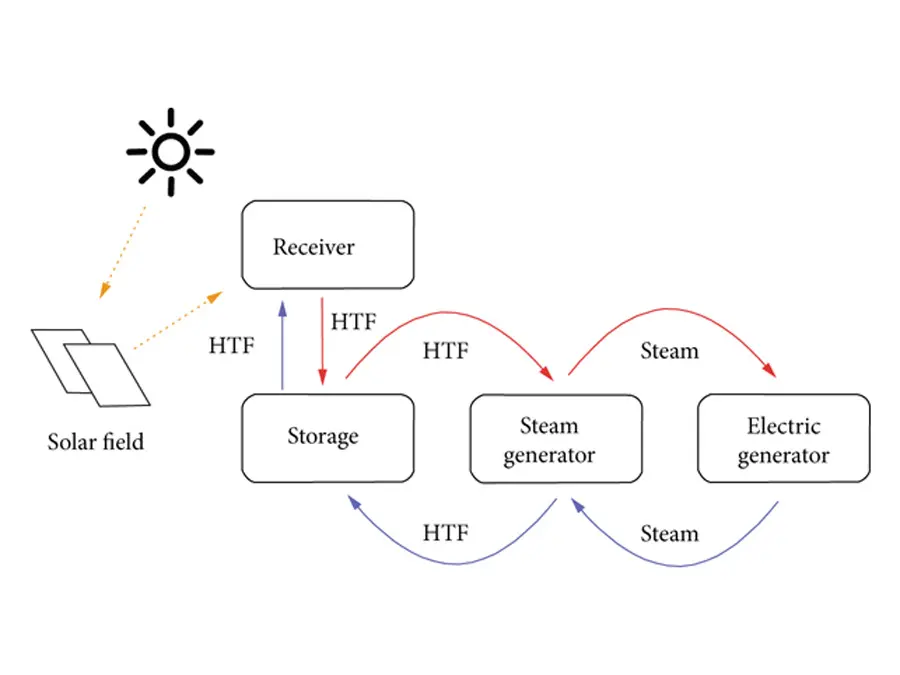
A concentrated solar power plant converts solar energy to electricity. It is based on advanced molten salt control methodologies...
Read More →
Molten salt energy storage has emerged as a promising solution for enhancing grid resilience and driving down utility costs...
Read More →Expert technical answers regarding Molten Salt Control & Sourcing Specifications
The standard binary formulation (commonly referred to as Solar Salt) consists of 60% sodium nitrate (NaNO3) and 40% potassium nitrate (KNO3) by weight. This specific ratio minimizes the overall melting point to approximately 220°C while keeping the mixture thermal-dynamically stable up to operational limits of 565°C.
Trace chloride (Cl-) and sulfate (SO4 2-) ions cause high-temperature pitting and stress corrosion cracking in stainless steel containment structures. High-grade molten salt control manufacturers keep these impurities at negligible levels (often <50ppm) to prevent metal degradation, saving system operators millions in maintenance fees.
We have integrated professional experience dating back to 2000, possessing a 600,000-ton capacity and advanced export operations spanning 40+ countries. Our dedicated chemical crystallization systems ensure extreme purities necessary for solar plant and industrial thermal loops.
Since chemical anti-caking agents can alter the thermodynamics of molten salts, we focus on advanced environmental moisture control, heat-sealing thick-layered bags, and packing in dry atmospheres. This keeps salts free-flowing without introducing performance-altering chemical additives.
For many years, we have successfully responded to the requirements of reputed customers in the global market.





Premium chemicals refined for thermal processes, preservation, and glass processing.
 VOJIN
VOJIN