Reliable components manufactured under strict ISO guidelines for worldwide thermal energy, agricultural, and industrial processing systems.
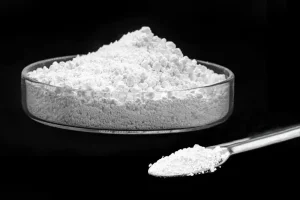
As the global energy paradigm shifts toward carbon neutrality, the integration of Concentrated Solar Power (CSP) systems and industrial Thermal Energy Storage (TES) has emerged as a cornerstone of grid stabilization. The molten salt container—incorporating both hot tanks (operating at temperatures up to 565°C) and cold tanks (operating at approximately 290°C)—lies at the heart of these modern thermal batteries. By storing energy in the form of sensible heat within eutectic mixtures of sodium nitrate (NaNO3) and potassium nitrate (KNO3), these systems permit continuous, dispatchable electrical generation and industrial steam delivery, even when the sun is not shining or the wind is still.
Historically, the deployment of large-scale molten salt storage was confined to a small number of experimental pilot plants. Today, it represents a multi-billion dollar sector. Engineering companies, utility providers, and metallurgical factories globally are rushing to optimize the structural integrity, thermal efficiency, and corrosion mitigation protocols of these containers. A minor structural failure or material fatigue within a molten salt tank can lead to catastrophic leakage, rapid solidification of the salt upon contact with ambient temperatures, and substantial downtime. Consequently, the selection of premium materials and rigorous design engineering is crucial to maintaining operational safety over a typical 25-to-30-year design life.
"Molten salt thermal energy storage represents the most commercially viable mechanism for long-duration, high-temperature utility-scale energy storage, functioning as a structural bridge between volatile renewable generation and stable baseload grid distribution."
To enhance the overall cycle efficiency of steam turbines and power generation equipment, the thermal energy storage industry is aggressively pushing operational thresholds. Standard solar salt setups utilize a binary formulation (60% NaNO3 and 40% KNO3), which is commercially stable up to 565°C. However, emerging designs—such as those utilizing supercritical CO2 (sCO2) cycles—require hot tank storage temperatures exceeding 700°C.
This temperature shift has triggered a significant evolution in molten salt container engineering:
Transitioning from traditional carbon steels and standard stainless steels (e.g., 304H or 316H) to high-nickel superalloys and stabilized grades (such as SS347H and Inconel 625) to prevent intergranular corrosion and creep deformation.
Implementing multi-layer insulation systems incorporating structural ceramic blocks, expanded perlite concrete, and high-density mineral wool to minimize heat loss and prevent the freezing of salts near the tank boundaries.
Utilizing active air-cooling or forced oil circulation systems within the reinforced concrete foundations of molten salt containers to prevent the underlying soil from drying out, cracking, or shifting due to intense thermal radiation.
Direct supply channels for high-grade nitrates and functional industrial compounds.
Managing corrosion kinetics is arguably the most critical aspect of engineering molten salt containers. The molten salt medium—consisting of highly oxidized nitrate ions—acts as a powerful electrolyte at high temperatures. Impurities present within the salt mixtures, such as trace chlorides (Cl-) and sulfates (SO4^2-), significantly accelerate localized corrosion mechanisms. Under high thermal loads, these impurities break down protective oxide scales (like Cr2O3 chromia scales) on the steel surface, initiating pitting and intergranular stress corrosion cracking (IGSCC).
To counteract these processes, Shanxi Vojin New Materials utilizes high-purity raw materials containing minimal chloride concentrations (typically below 50-100 ppm depending on project specifications). Furthermore, tank designers must maintain strict control over the alloying elements of the steel plates used for the containment walls. For example:
Welding processes must undergo strict non-destructive testing (NDT), including radiographic and ultrasonic examinations, to verify the absence of microscopic voids or micro-cracks. Thermal stress relieving (post-weld heat treatment, or PWHT) is also widely performed on field-erected containers to eliminate residual stresses that could otherwise act as focal points for stress-corrosion propagation.
Optimized systems developed to meet the operational demands of clean energy and high-technology manufacturing.
Implementing molten salt thermal storage is not a one-size-fits-all engineering task. Different localized environments impose diverse constraints on the design of molten salt containers. For example, in the arid desert regions of Northwestern China (Gobi deserts), CSP facilities face extreme day-night temperature swings. This daily cycling subjects containers to intense thermal fatigue. The steel shell expands during daytime charging operations and contracts at night during discharge. Engineered expansion joints, flexible tank shells, and specialized structural anchor bolts are required to accommodate this movement without inducing mechanical failure.
Conversely, coastal installations or industrial chemical hubs face elevated risk from ambient moisture and chloride-rich marine air, which can cause external pitting under insulation (CUI). For these systems, outer cladding structures made of corrosion-resistant aluminum or stainless steel sheets are integrated, complemented by weather-resistant vapor barriers that protect the underlying thermal insulation layer.
From a macro system level, Shanxi Vojin New Materials supports comprehensive solutions integrating salt chemical supply with containment engineering. Drawing on an annual capacity of 600,000 tons of nitrates, Vojin collaborates closely with EPC contractors to deliver ready-to-fill salt chemistry. This chemical supply works in tandem with modular, containerized salt melting units and pre-fabricated tank liners. This turnkey material approach reduces construction schedules, limits impurities introduced during commissioning, and ensures that the chemical composition aligns with the metallurgic specifications of the containers.
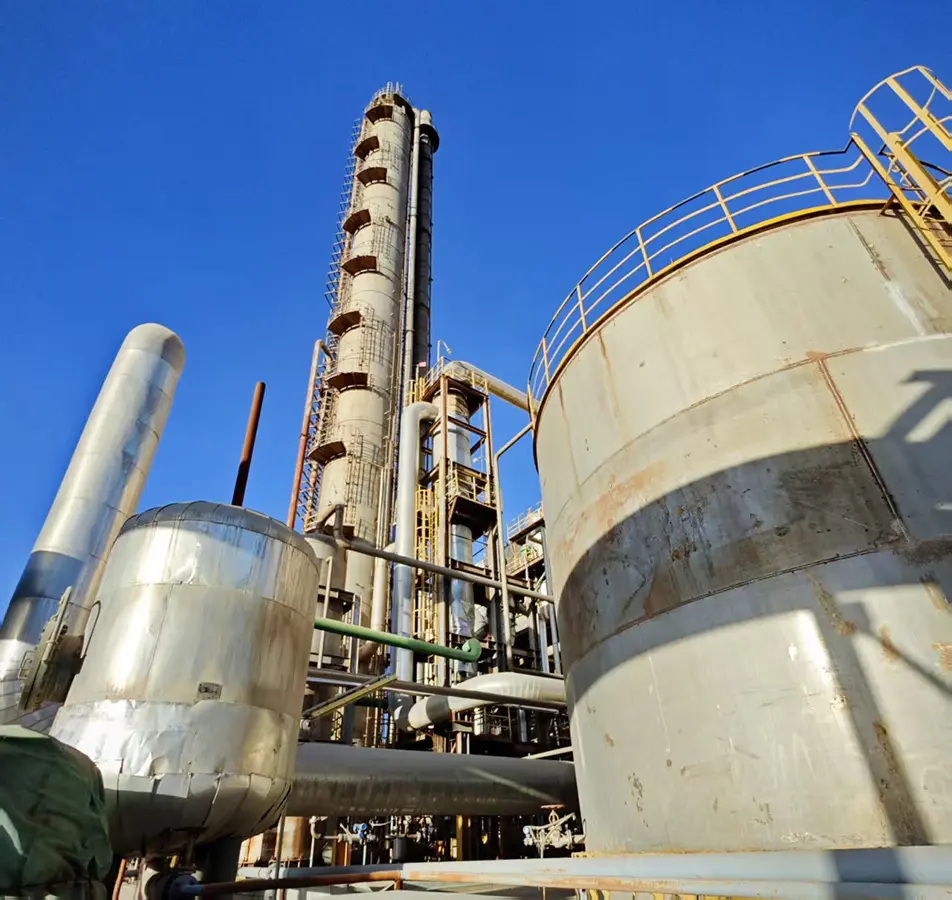
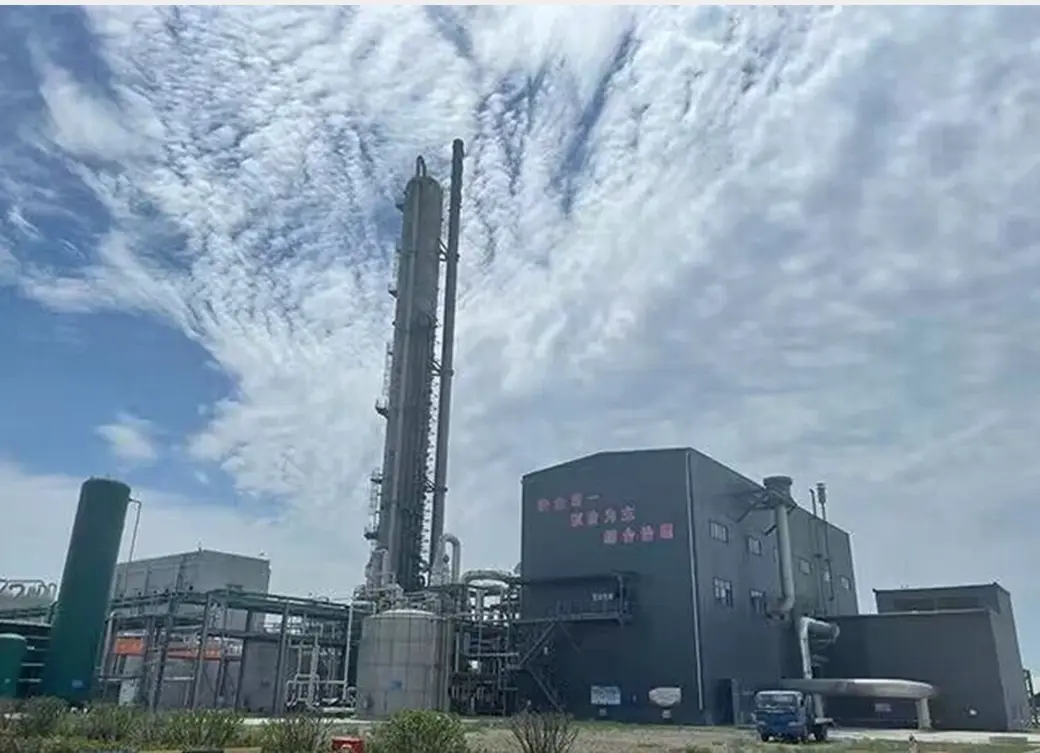
Driven since 2000, we have been committed to the entrepreneurial spirit and passion for innovation. Our team takes pride in delivering dependable products and services with a quality distinction in thermal energy storage & water-soluble fertilizer industries globally. The company was formally established in 2010 to build state-of-the-art chemical synthesis facilities, allowing us to serve global clean energy developers, EPC contractors, and chemical distributors with unmatched precision.
Discover More About UsOur years of manufacturing experience and refined products provide you with better performance.
The next decade of molten salt thermal energy storage is focused on extending temperature limits and reducing capital costs. A key development is the transition from binary nitrate systems to ternary and quaternary eutectics. By incorporating calcium nitrate [Ca(NO3)2] or lithium nitrate [LiNO3] into the sodium-potassium nitrate base, researchers have developed salt mixtures with melting points below 100°C. Lowering the freezing point significantly reduces the energy required for heat trace systems, preventing crystallization within the container pipelines and simplifying start-up and shutdown cycles.
Furthermore, high-temperature molten salt designs are exploring the use of molten chloride salts (e.g., NaCl-KCl-MgCl2) and carbonate salts. These chemistries remain stable at temperatures exceeding 750°C. Operating at these extremes allows power blocks to utilize high-efficiency supercritical carbon dioxide (sCO2) Brayton cycles. These cycles can yield electrical conversion efficiencies of 50% or higher, compared to approximately 40% for typical subcritical steam cycles. However, chloride salts are highly corrosive, requiring containers lined with specialized refractory materials or nickel-based superalloys to prevent wall degradation.
Additionally, modularized fabrication is replacing field-erected containers for medium-scale industrial heat storage. Pre-engineered, factory-assembled molten salt modules are shipped directly to sites. These units feature pre-installed insulation, thermal monitoring sensors, and internal heat exchangers. This approach minimizes welding defects, improves thermal performance, and reduces installation labor costs, helping to accelerate the deployment of thermal storage solutions globally.
Why global developers trust Shanxi Vojin New Materials for key energy and chemical infrastructure.

Integrated experience in international logistics and chemical exporting, ensuring reliable global delivery and compliance with international standards.
An annual output of 600,000 tons of high-grade molten salts and nitrates provides stable, large-scale supply for utility-level projects.
An experienced engineering and technical services team provides fast support, chemical analysis, and on-site deployment guidance.
A broad selection of high-purity salts, including KNO3 and NaNO3, allows us to meet specific chemical formulations for diverse projects.
Key developments and analyses from the frontlines of global thermal energy storage technology.
 08.03.2024
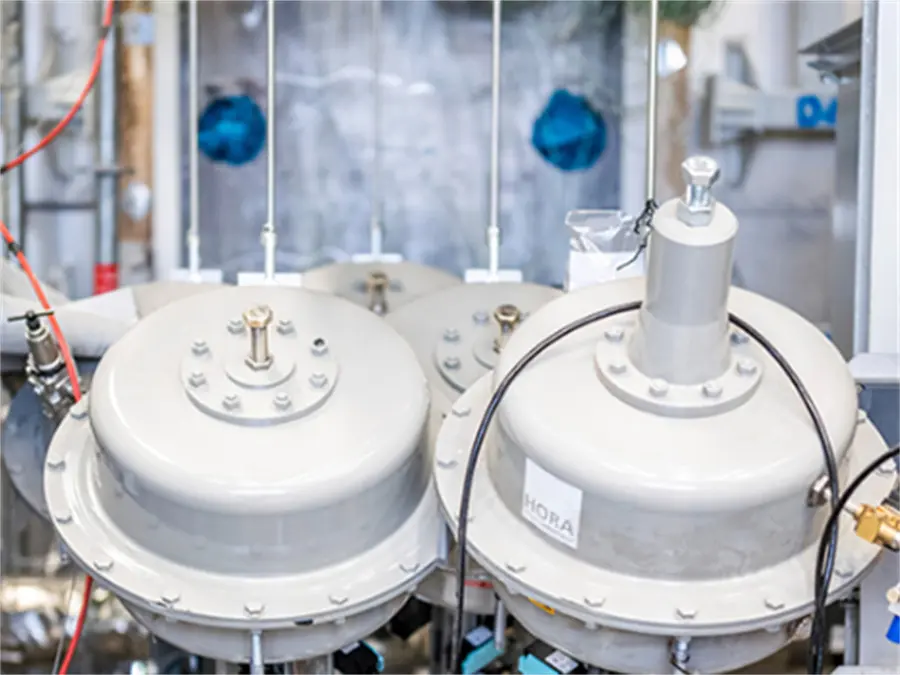
Modern thermal storage technologies operate at higher temperatures, helping to increase overall energy conversion efficiency.
Read Article →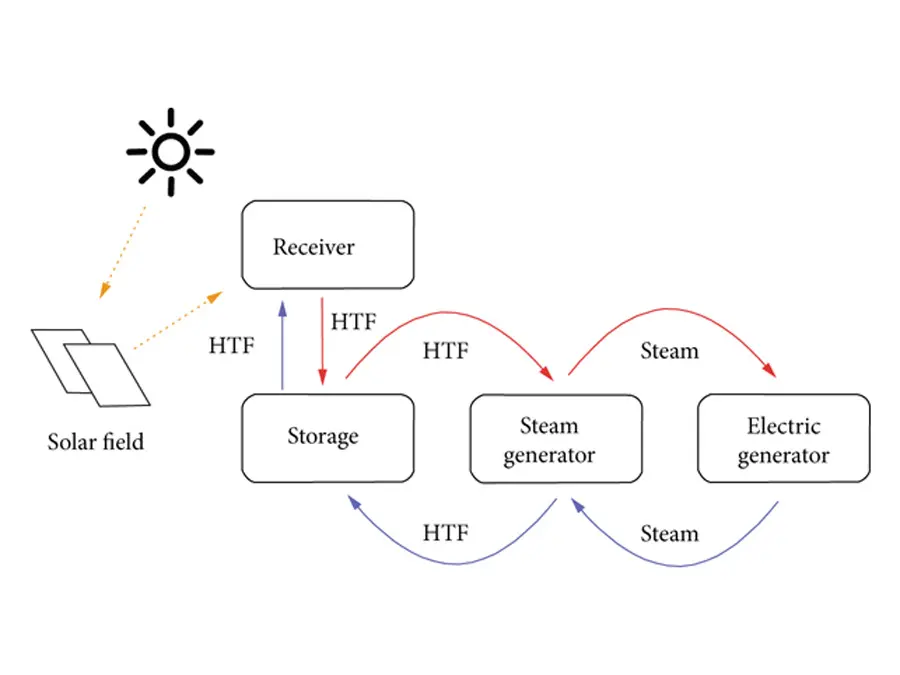 08.03.2024
Concentrated solar power plants convert solar radiation to electricity using high-capacity thermal storage systems.
Read Article → 08.03.2024
Molten salt technology offers a scalable solution to enhance grid reliability and stabilize renewable energy systems.
Read Article →Direct answers to critical questions regarding metallurgy, chemical purity, and system safety in high-temperature installations.
For many years, we have successfully responded to the requirements of reputed customers in the global market.


Browse our full catalog of high-performance technical salts, water-soluble nutrients, and custom compounds.
 VOJIN
VOJIN