Engineered to meet critical thermal performance thresholds, our core inorganic salts provide unmatched purity and stability for industrial energy loops.
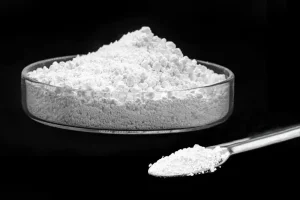
Advanced chemical engineering divisions supporting clean energy generation and agricultural yield optimization.
Super-refined Sodium Nitrate and Potassium Nitrate formulations designated for Concentrated Solar Power (CSP) systems and heat treatment applications.
High-efficiency, 100% water-soluble nutrient solutions, providing key elements like nitrogen, potassium, and trace elements for modern farming.
Specialized secondary salts and industrial chemical intermediates utilized in glass manufacturing, metallurgy, and custom manufacturing processes.
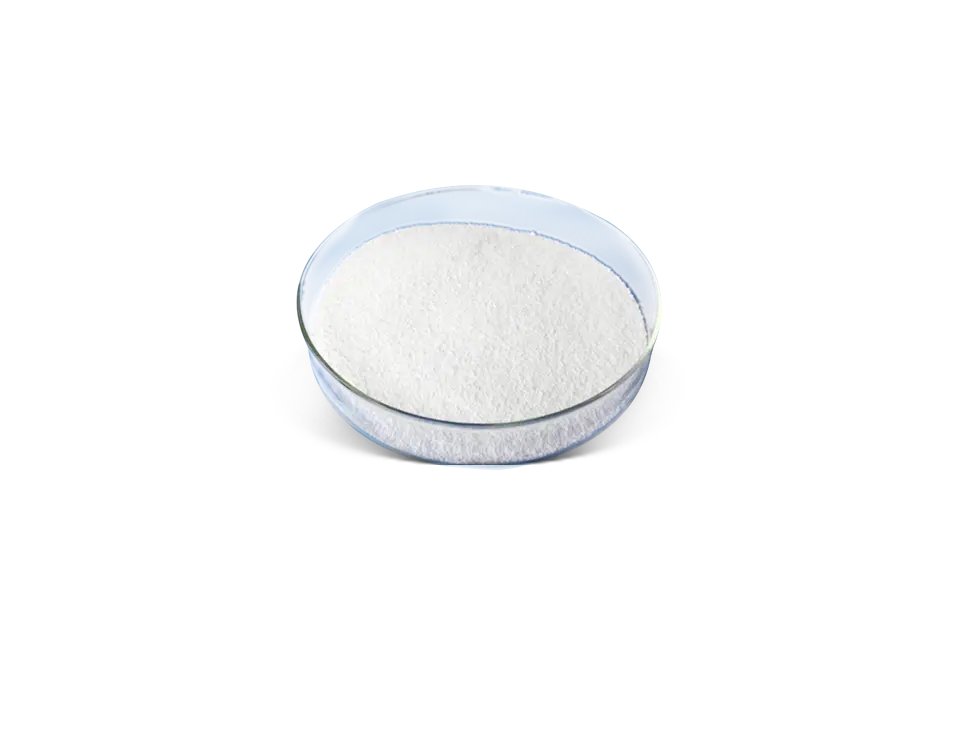
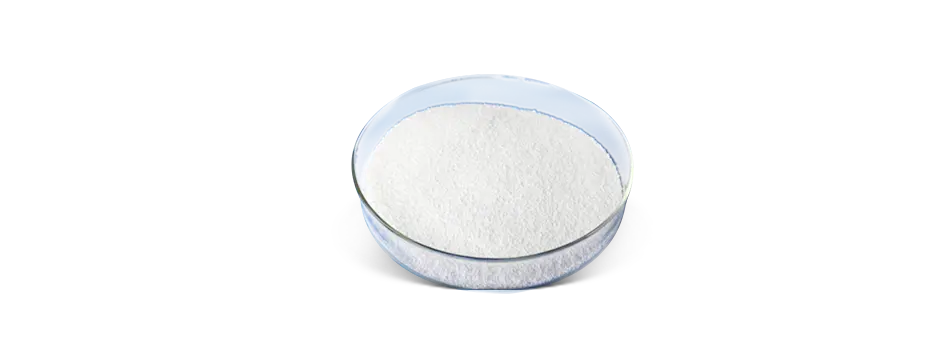
In the transition toward carbon-neutral power grids, the storage of intermittent renewable energy has emerged as a fundamental bottleneck. Conventional batteries, while suitable for short-duration storage, fail to provide cost-effective options for large-scale, long-duration energy storage. This is where molten salt technology steps in. Acting as both a heat transfer fluid (HTF) and a thermal energy storage medium, molten salts operate at temperatures exceeding 550°C, providing the thermal stability required to run super-critical steam turbines even after the sun has set.
Today, the Concentrated Solar Power (CSP) industry relies heavily on binary "Solar Salt" mixtures, typically comprising 60% Sodium Nitrate (NaNO₃) and 40% Potassium Nitrate (KNO₃). These salts are engineered to exhibit high density, low viscosity, low vapor pressure at high working temperatures, and high specific heat capacity. As a result, global engineering procurement and construction (EPC) companies require millions of metric tons of these chemical components, establishing a rigid benchmark for quality, purity, and trace element management.
The operational longevity of a CSP plant—often projected to span 25 to 30 years—is directly correlated with the chemical purity of the molten salt components. Even minor trace contaminants can trigger severe systemic issues:
Consequently, the purchasing specification of tier-one engineering firms demands sodium nitrate and potassium nitrate with a purity level exceeding 99.5%, with chloride content restricted to less than 100 ppm, and in some cases, even lower than 50 ppm. Shanxi Vojin New Materials Co., Ltd. addresses this requirement by applying state-of-the-art crystallization technology to remove critical trace elements at the molecular level.
Molten salt chemical systems serve as critical thermal pathways across energy, optoelectronics, and advanced agriculture sectors.
China has established itself as the global epicenter for the production of industrial-grade and solar-grade nitrates. The Shanxi province, in particular, hosts extensive raw material reserves, providing local manufacturers with direct, cost-stable access to synthetic ammonia, sodium carbonate, and potassium chloride inputs. This geographical concentration of raw materials eliminates long-distance transportation costs and insulates the supply chain from global geopolitical friction.
However, the competitive advantage of Chinese factories is not merely a matter of cheap raw materials. It is driven by massive scale, continuous process innovation, and integrated energy systems. Modern factories utilize automated, closed-loop crystallization chambers that recycle process water and thermal energy. This lowers the energy footprint per ton of chemical output while maintaining precise temperature control, preventing the formation of micro-impurities in the salt crystals. Because of these efficiency measures, Shanxi Vojin New Materials Co., Ltd. can supply high-volume solar-grade nitrates at a significantly lower Levelized Cost of Storage (LCOS) compared to Western manufacturers, without compromising on stringent purity requirements.
When engineering firms design multi-megawatt CSP plants, they demand proof of experience, technical expertise, and reliable production capacity. Supplier credibility cannot be built overnight. Shanxi Vojin New Materials Co., Ltd. has developed its manufacturing standards over decades, building an annual production capacity of over 600,000 tons of inorganic salts. This scale ensures that large-scale infrastructure projects receive consistent quality across large-batch orders, avoiding thermal stratification issues during the initial salt-melting phase of power plants.
By complying with international testing standards (including ISO certifications) and implementing automated quality control procedures, we ensure that every batch of molten salt conforms to the exact requirements of international engineering firms. This rigorous approach is critical to managing risks during the pre-commissioning phase, where any failure in chemical specification can result in millions of dollars in component replacement and system downtime.
Our production scale, international market presence, and technical solutions reflect our commitment to long-term reliability.
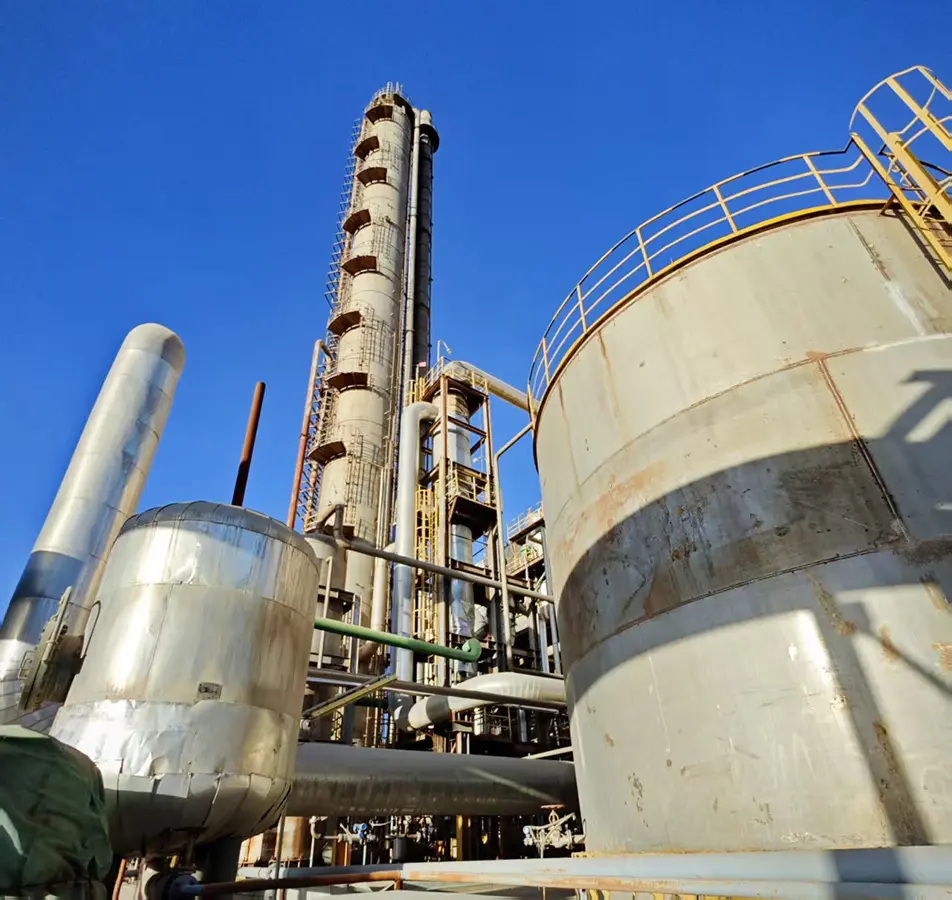
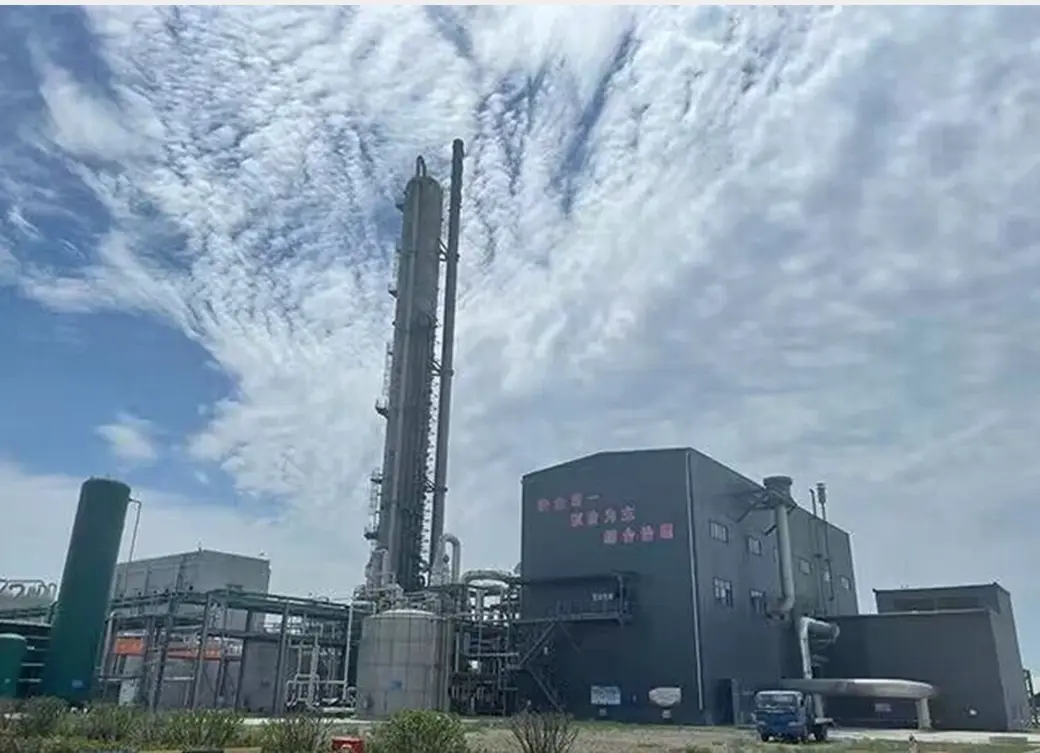
Driven since 2000, we have been committed to the entrepreneurial spirit and passion for innovation. Our team takes pride in delivering dependable products and services with a quality distinction in thermal energy storage & water-soluble fertilizer industries globally.
From our high-capacity production base in Shanxi, China, we support major international projects with high-purity inorganic salts. By combining upstream material integration with advanced refining processes, we supply energy projects, glass manufacturers, agricultural operations, and metallurgical facilities worldwide, ensuring high performance and reliable logistics.
Why global procurement teams choose Shanxi Vojin for long-term supply partnerships.

Integrated experience on exporting operation. Always assure your customers good quality.
Annual output of 600,000 tons of high-grade molten salts to support large-scale infrastructure projects.
Experienced technology skill & service team. Quick response to our customers' technical requirements.
Multiple items for selection such as KNO3, NaNO3 to meet various chemical and purity needs of global customers.
For procurement directors and project engineers, selecting a molten salt components factory requires assessing several operational factors beyond unit price. The following criteria should guide vendor qualification processes:
By operating an integrated supply chain that spans mining, synthesis, crystallization, packaging, and maritime logistics, Shanxi Vojin New Materials Co., Ltd. addresses these operational requirements, offering peace of mind to project developers worldwide.
Explore the latest research, operational articles, and market updates from our technical team.
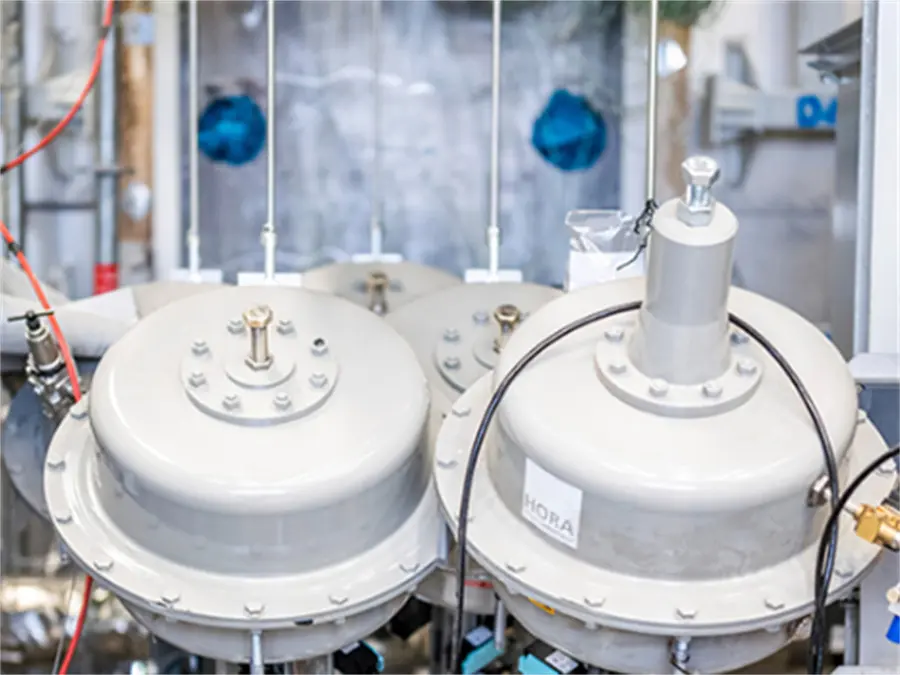
The technology can operate at higher temperatures, which has an impact on the efficiency of power generation systems...
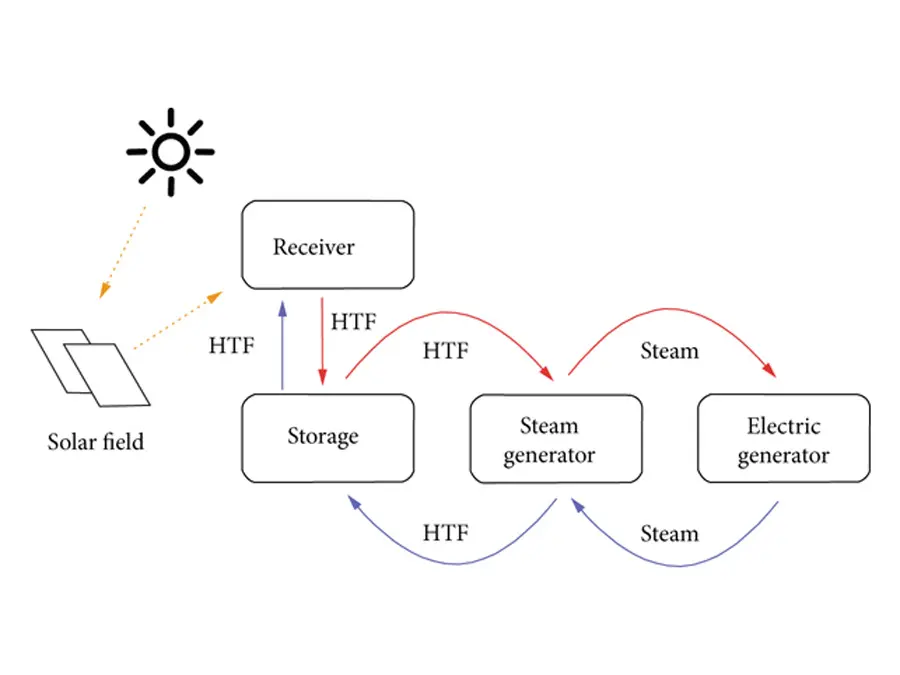
A concentrated solar power plant converts solar energy to electricity. It is based on focusing solar rays to generate high-temperature steam...

Molten salt energy storage has emerged as a promising solution for enhancing the efficiency of renewable energy networks worldwide...
The renewable energy sector continues to push for higher operating temperatures to improve thermodynamic conversion efficiency. Modern supercritical steam systems and closed-loop carbon dioxide (sCO₂) turbines require operating temperatures exceeding 600°C. To meet these demands, the industry is researching ternary and quaternary eutectic salt mixtures that offer lower melting points and higher thermal limits.
By incorporating Calcium Nitrate [Ca(NO₃)₂] or Lithium Carbonate (Li₂CO₃) into the standard binary solar salt mixture, researchers can reduce the crystallization point from 220°C to below 120°C. This lower melting point reduces the risk of the salt freezing within piping networks, lowering the parasitic energy costs associated with electrical heat-tracing systems. Shanxi Vojin New Materials Co., Ltd. collaborates with research institutes and chemical engineering experts to develop custom eutectic formulations, helping our partners deploy high-efficiency thermal systems.
Frequently asked technical questions regarding solar-grade nitrates, purity specifications, and system integration.
We work closely with global chemical distributors, energy developers, and industrial partners to ensure high quality and reliable supply.

Supplying high-grade chemical materials for agriculture, manufacturing, glass-making, and metallurgy.
 VOJIN
VOJIN