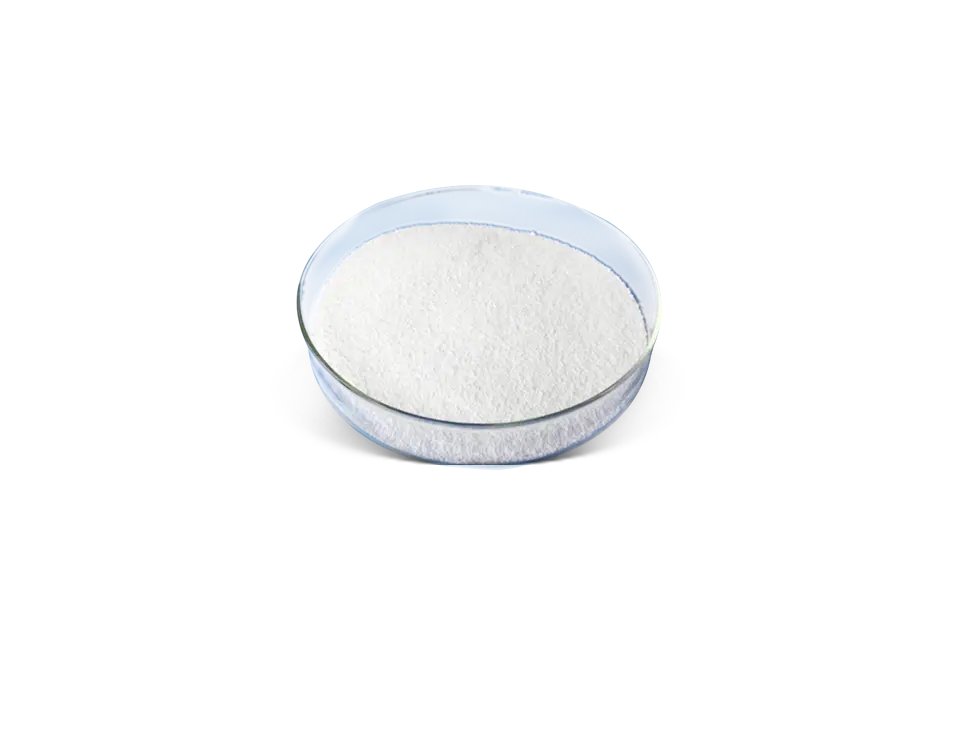
Highly refined industrial minerals and molten salts engineered for superior thermal efficiency and clean chemical processing.
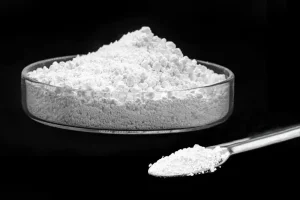
In the worldwide transition toward renewable energy, high-temperature thermal energy storage (TES) has emerged as an indispensable cornerstone. Molten salts—primarily binary mixtures composed of 60% sodium nitrate (NaNO3) and 40% potassium nitrate (KNO3)—serve as the preferred heat transfer fluids (HTF) and energy storage media for grid-scale Concentrated Solar Power (CSP) systems, nuclear power thermal storage, and industrial waste heat recovery setups.
Compared to alternative storage technologies like lithium-ion batteries, which struggle with degradation and high capital cost for long-duration applications, molten salt energy storage systems offer unique thermodynamic benefits. They operate effectively at temperatures between 290°C and 565°C, boasting exceptionally high heat capacity, low vapor pressure, and lifetimes exceeding 30 years without chemical degradation. This makes them ideal for grid-scale stabilization, allowing solar installations to dispatch clean, load-following electricity 24/7—even during periods of complete solar absence.
Information Gain Insight: The global CSP molten salt market is shifting toward ternary and quaternary mixtures (adding calcium nitrate or lithium nitrate) to decrease the melting point below 100°C. This advancement dramatically reduces the parasitic energy required to prevent system freezing, opening up cold-region operations for large-scale energy storage.
Internationally, standard requirements for solar-grade nitrates have grown incredibly strict. Commercial plants require raw chemicals free from harmful impurities—specifically chlorides, carbonates, and sulfates—to suppress corrosion of stainless steel heat exchangers and containment vessels. High-temperature salt thermal conductivity properties must remain highly stable. Understanding these variables is critical for EPC contractors evaluating material risks, long-term operational expenditure, and the integrity of thermal storage loops.
In the industrial chemicals sector, China's molten salt manufacturing capacity has achieved unmatched global scale. This is driven by deep domestic raw material supply chains, advanced automation in synthesis, and efficient logistics. China-based facilities, particularly those located in mineral-rich northern regions, enjoy vertical integration with primary sources of synthetic sodium nitrate and potassium salts. This dramatically reduces shipping costs and keeps feedstocks highly reliable.
Industrial scaling in Chinese factories isn't just about high-volume production; it is defined by sophisticated impurity control. Advancements in recrystallization and continuous centrifugal refinement processes allow factories to produce solar-grade nitrates with purity levels exceeding 99.8% on a commercial scale. Producing these high-purity salts at high volumes significantly drives down the levelized cost of storage (LCOS) for CSP projects worldwide, helping green energy developers compete directly with fossil fuel alternatives.
| Chemical Parametric Property | Standard Industrial Grade | Solar Grade (Thermal Energy Storage) | Vojin Ultra-High Purity Grade |
|---|---|---|---|
| NaNO3 / KNO3 Purity | ≥ 98.5% | ≥ 99.5% | ≥ 99.8% |
| Chloride (Cl-) Content | ≤ 0.1% (1000 ppm) | ≤ 0.01% (100 ppm) | ≤ 0.005% (50 ppm) |
| Moisture (H2O) | ≤ 0.20% | ≤ 0.10% | ≤ 0.05% |
| Insoluble Matter | ≤ 0.05% | ≤ 0.01% | ≤ 0.005% |
Furthermore, local factories have optimized shipping and packaging systems. Recognizing that nitrates are oxidizers (Class 5.1 hazardous goods), Chinese producers operate dedicated hazard-compliant packing lines. Using moisture-barrier ton bags with reinforced outer protection, materials arrive at sites from the Gobi Desert to the Atacama Desert in pristine, ready-to-melt condition, completely avoiding the moisture absorption issues that can degrade salt quality during ocean transit.
From green grid systems to precision agriculture: key applications for our advanced materials.
Understanding the conditions where molten salt is applied is key to system performance. In CSP tower systems, thousands of heliostats focus sunlight onto a central receiver at the top of a tower. Molten salt is pumped from a cold storage tank (at ~290°C) up to the receiver, where it absorbs solar energy and heats to 565°C before flowing into a hot storage tank. When the grid demands power, this hot salt is routed through steam generators to drive high-pressure steam turbines.
In contrast, parabolic trough facilities use thermal oil loops to transfer heat from parabolic mirrors to central heat exchangers, where the energy is transferred to molten salt for storage. Because heat transfer fluids cannot safely exceed 400°C without breaking down, molten salt systems in trough configurations operate at lower maximum temperatures, which alters thermal storage dynamics and limits efficiency compared to tower setups.
Beyond CSP, molten salts are increasingly used in coal-to-clean-energy retrofits. By utilizing off-peak, surplus renewable wind and solar energy to heat molten salt via high-power electrical heaters, decommissioned coal plants can store thermal energy and discharge it to existing steam turbines. This process generates carbon-free steam and electricity on demand, extending the life of valuable grid connection assets without burning fossil fuels.
Research and development in molten salt systems is focused on lowering operational melting points and elevating upper thermal limits. Standard solar salt freezes at 220°C, which demands expensive electrical heat-tracing lines throughout the piping system. Developing ternary mixtures that incorporate calcium nitrate—such as 30% Ca(NO3)2, 10% NaNO3, and 60% KNO3—can lower the freezing point below 130°C. This advancement dramatically simplifies system operations and saves substantial energy.
Simultaneously, materials scientists are working to mitigate high-temperature corrosion. When nitrate mixtures are exposed to temperatures exceeding 600°C, they slowly decompose into nitrites and oxides, releasing oxygen gas and accelerating corrosion of the alloy containment walls. To combat this, next-generation projects utilize high-nickel alloys like Inconel 625 or apply custom protective oxide coatings to the interior of stainless steel piping. These solutions help containment systems withstand the corrosive effects of molten salts for decades.
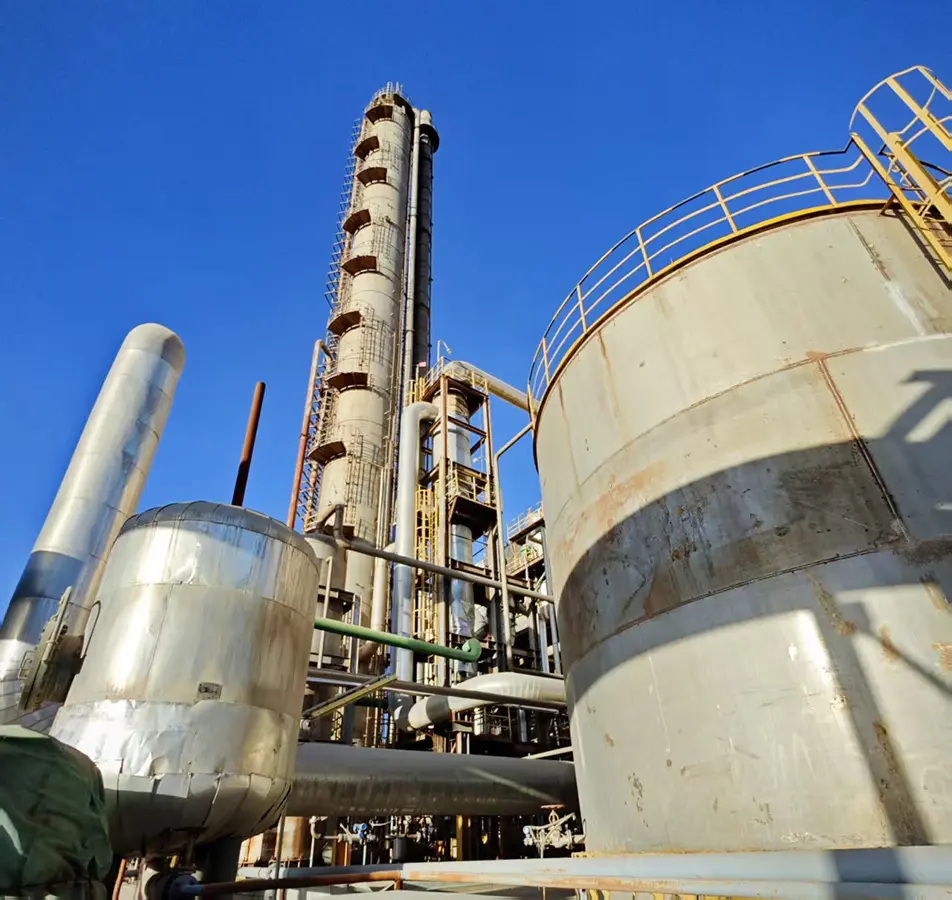
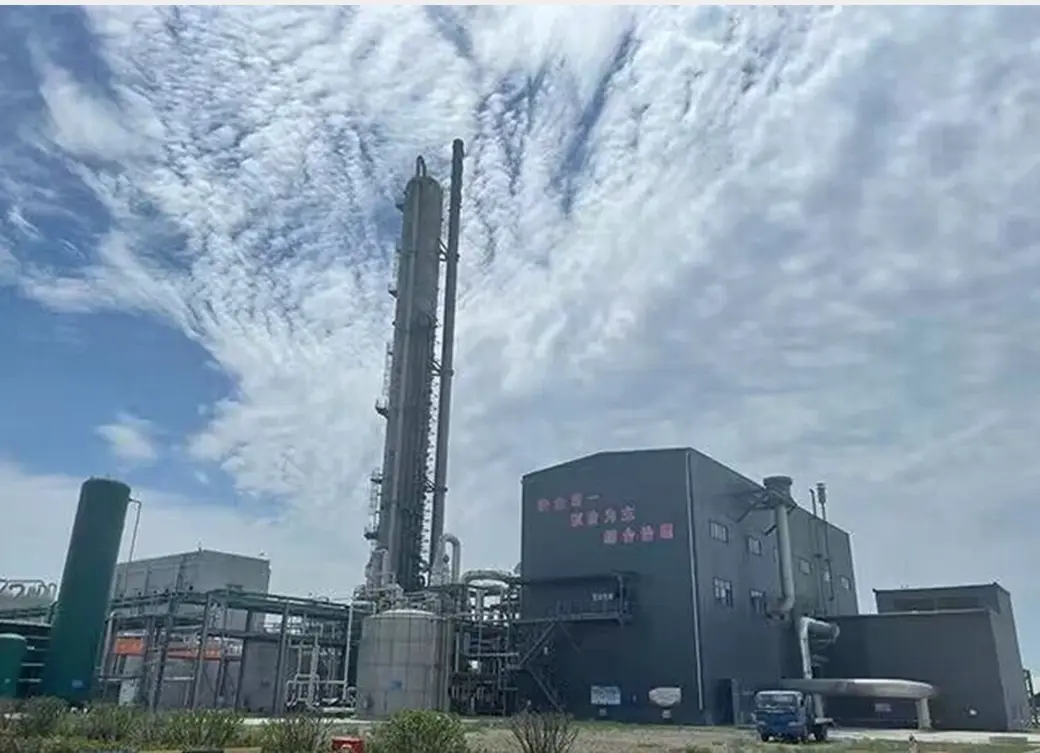
Driven since 2000, we have been committed to the entrepreneurial spirit and passion for innovation. Our team takes pride in delivering dependable products and services with a quality distinction in thermal energy storage & water-soluble fertilizer industries globally.
View moreOur years of manufacturing experience and refined products provide you with better performance
For chemical procurement departments and EPC project managers, securing high-quality molten salt involves evaluating key technical parameters. Standard industrial certificates are not enough for solar thermal applications; buyers must inspect detailed batch analytical reports. The concentration of minor impurities, such as moisture and chloride, plays a critical role in preventing catastrophic corrosion and stress corrosion cracking in high-temperature piping systems.
When sourcing molten salts globally, look for these key technical metrics:
In addition to chemical purity, supply reliability and logistics coordination are critical. Because molten salt projects require massive volumes of material shipped in tight schedules (often over 30,000 tons delivered within a few months), selecting a manufacturer with high daily production capacity, large storage facilities, and experience with hazardous chemical shipping logistics is essential to avoiding costly project delays.
Welcome to learn more about our manufacturing strengths and services

Integrated experience on exporting operation. Always assure your customers good quality.

Annual output 600,000 Ton Molten salts to ensure seamless volume supply.
Experienced technology skill & service team. Quick response to our global customers.
Multiple items for selection such as KNO3, NaNO3 to meet various needs of customers.
Stay informed on the latest developments in thermal energy storage and chemical technology.
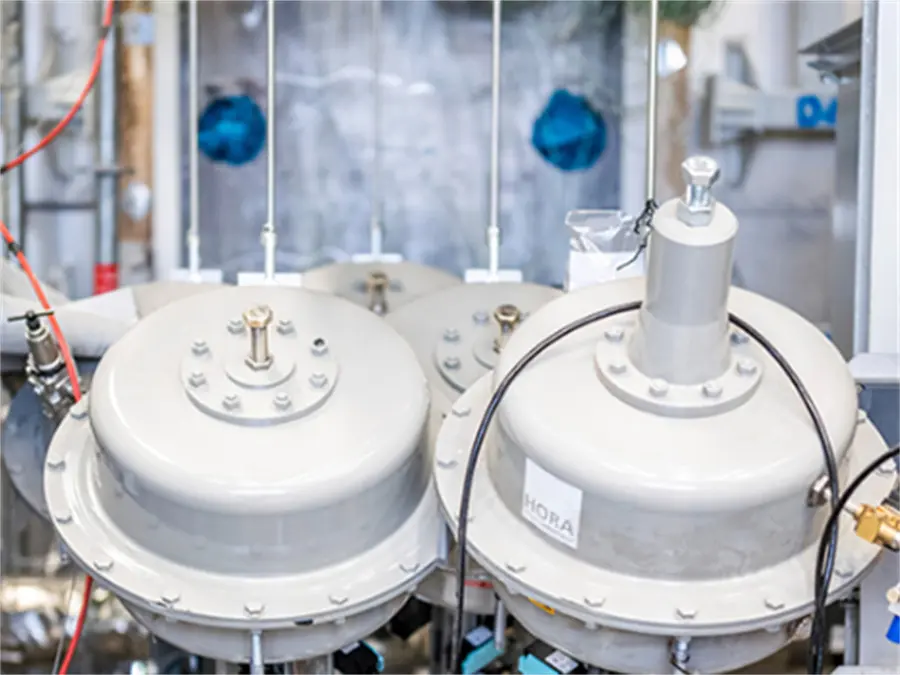
The technology can operate at higher temperatures, which has an impact on the efficiency...
view more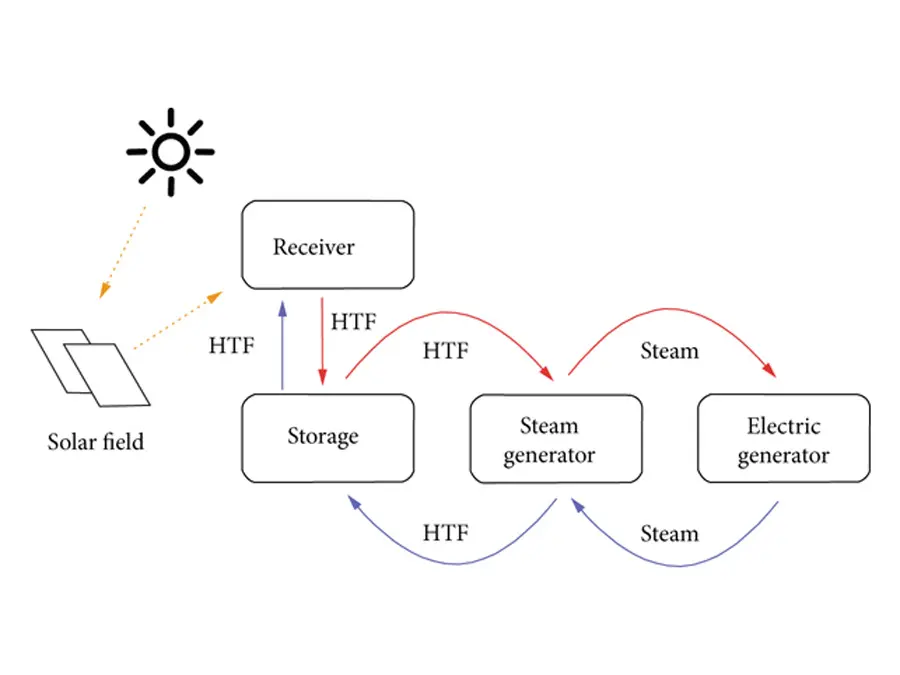
A concentrated solar power plant converts solar energy to electricity. It is based on...
view more
Molten salt energy storage has emerged as a promising solution for enhancing the efficiency...
view moreFor many years, we have successfully responded to the requirements of reputed customers in the market.






High-purity chemical compounds for industrial thermal storage, glass strengthening, and water treatment.
 VOJIN
VOJIN