Explore our high-performance inorganic compounds, fertilizers, and chemical agent portfolios engineered to match specialized thermal transfer and chemical circulation pump criteria.
In the landscape of modern renewable energy systems and heavy industrial chemical processing, thermal transfer dynamics demand highly specialized infrastructure. The Molten Salt Circulation Pump sits at the critical center of high-temperature operations, especially in Concentrated Solar Power (CSP) systems, Thermal Energy Storage (TES) networks, and molten salt nuclear reactors. These systems routinely circulate corrosive, high-density fluids at temperatures ranging from 250°C to over 600°C.
Engineering a pump capable of continuous operation under these extreme conditions requires addressing three primary challenges: high-temperature corrosion control, thermal expansion management, and shaft sealing integrity. Without precise material selection and advanced hydrodynamic design, thermal stress and chemical degradation can cause premature failure.
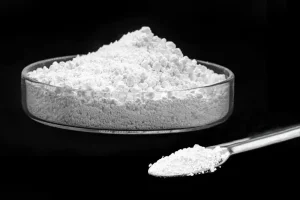
Molten salts, typically binary or ternary eutectic mixtures of sodium nitrate (NaNO3) and potassium nitrate (KNO3), display unique physical properties. At operating temperatures above 300°C, their viscosity drops close to that of water, yet their density remains substantially higher. This combination results in low flow friction alongside high kinetic energy loads on the pump's impeller.
Our engineering processes utilize advanced 3D Computational Fluid Dynamics (CFD) to analyze the velocity vector distribution and pressure profiles within the pump casing. This computational modeling helps prevent cavitation—a common issue at high flow rates—and optimizes hydraulic efficiency. Selecting the right impeller design is critical; closed impellers are preferred for clean fluids to maximize efficiency, while semi-open impellers are used for mixtures containing particulate matter to prevent clogging.
At temperatures exceeding 500°C, standard carbon steels and low-alloy steels form oxide scales that degrade rapidly in molten nitrates. To ensure a design life of over 25 years, our pumps are manufactured using high-performance alloys.
We use 316L Stainless Steel for temperatures up to 450°C due to its good resistance to intergranular corrosion. For more extreme temperatures (up to 600°C), we employ 347H and 310S Stainless Steels, which are stabilized with niobium and chromium/nickel respectively to limit carbon precipitation. For applications involving high fluoride or chloride salt compositions, we use nickel-base superalloys like Hastelloy C-276 or Inconel 625 to mitigate severe chemical attacks.
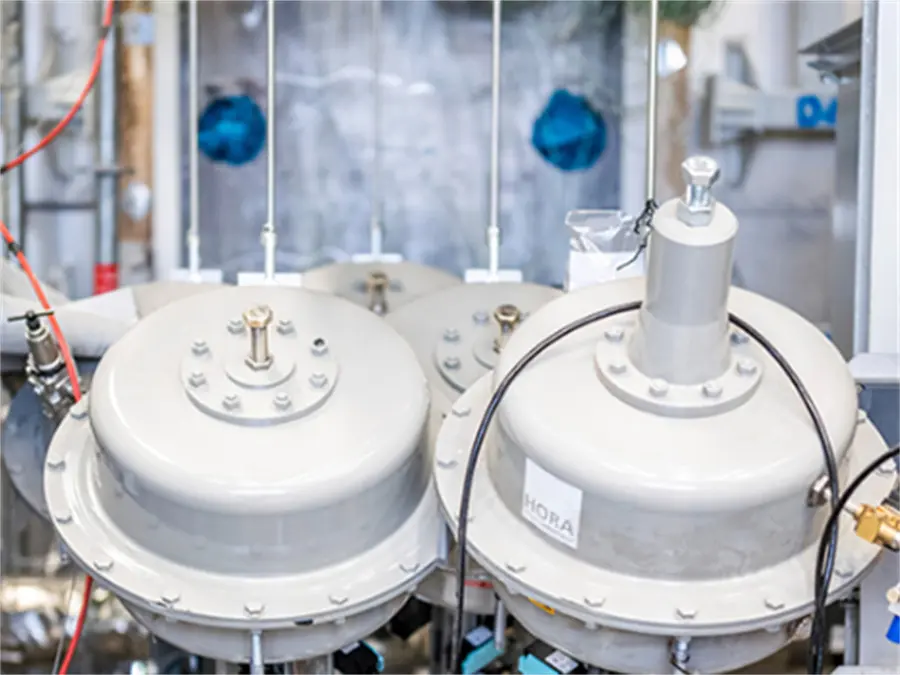
Traditional packing seals cannot withstand the direct contact of molten salt, which solidifies at lower temperatures (approx. 140°C to 220°C) and can damage the rotating shaft. To prevent this, we construct vertical cantilever pumps (API 610 VS4/VS5 configurations) with long shafts, placing the bearings and mechanical seals well above the liquid level.
Additionally, we introduce a dry gas barrier seal (using nitrogen) at the top flange to keep corrosive vapors from reaching the atmosphere. The shaft is designed with a thermal expansion sleeve that allows the metallic components to expand axially and radially without affecting the alignment of the impellers.
China’s industrial infrastructure provides a vertically integrated manufacturing ecosystem that combines high-precision metal casting with large-scale chemical material production.
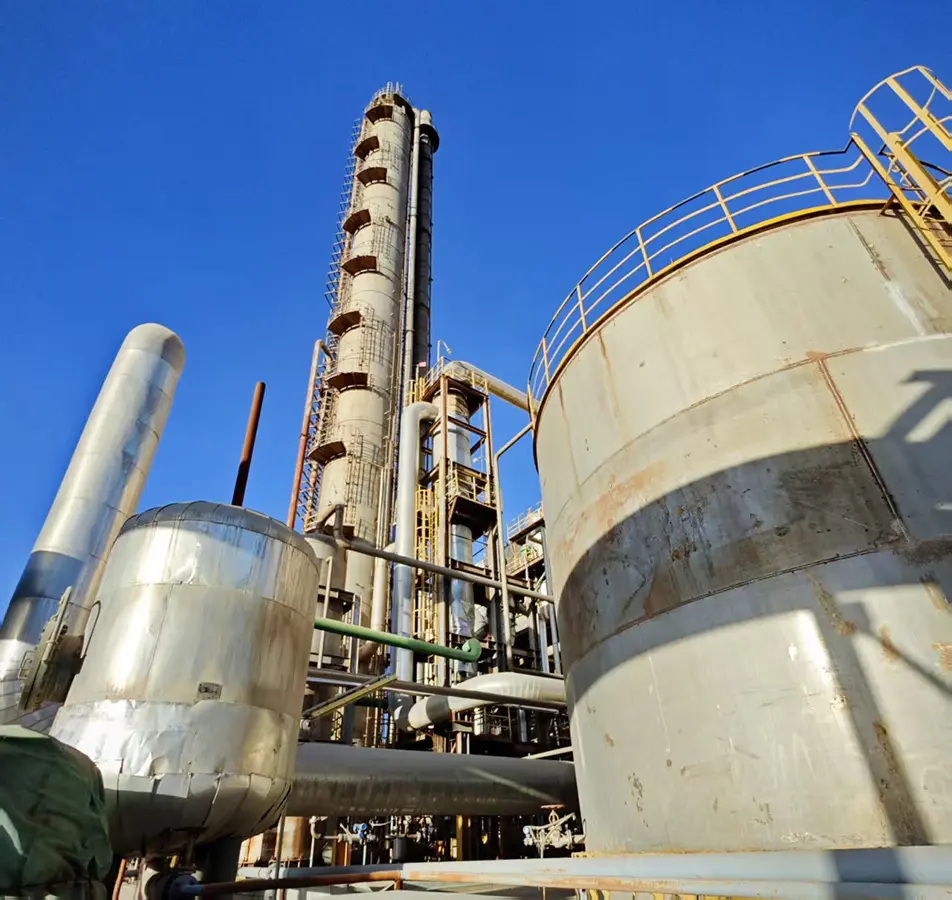
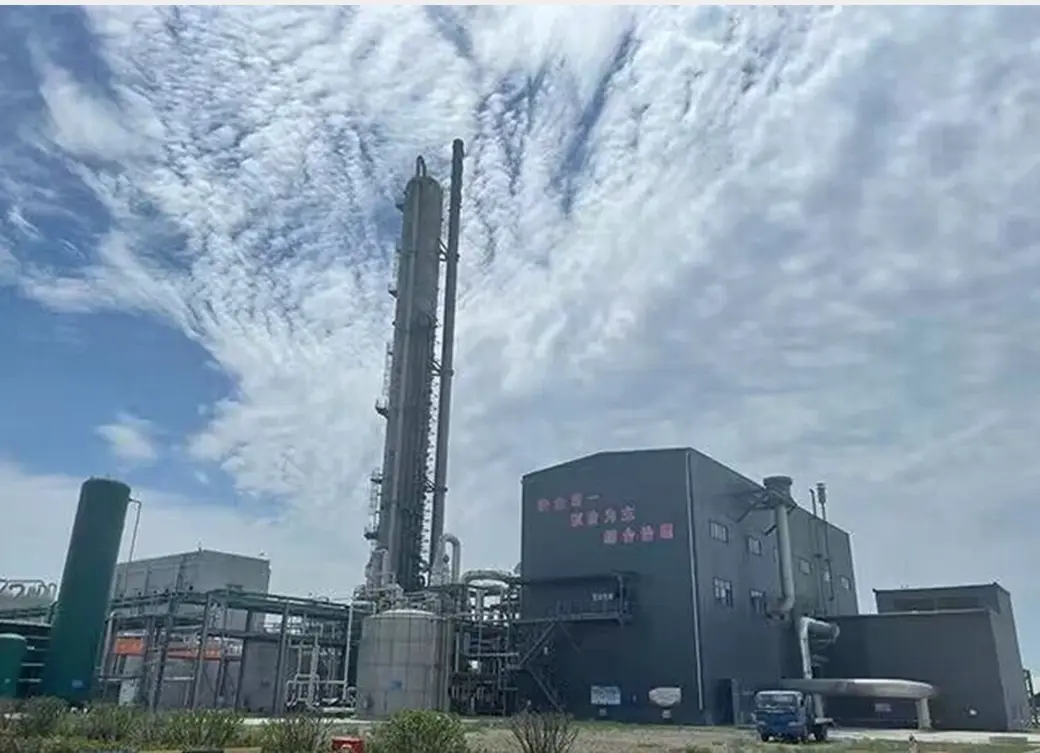
Shanxi Vojin New Materials supplies raw materials globally, with a capacity of 600,000 tons of molten salts annually. Being located near major metal casting and engineering hubs in China allows us to design and test our circulation pumps in real-world chemical environments.
Our heavy-industry casting facilities handle large, single-pour pump casings and impeller moldings. This ensures structural integrity, eliminating the microscopic weld defects that could lead to crack propagation under high thermal stress.
By consolidating raw material sourcing, CNC machining, heat treatment, and dynamic testing within a single industrial corridor, we reduce production lead times by up to 35% compared to Western manufacturers.
Driven since 2000, we have been committed to the entrepreneurial spirit and passion for innovation. Our team takes pride in delivering dependable products and services with a quality distinction in the thermal energy storage & water-soluble fertilizer industries globally.
Through over a decade of growth, we have expanded our footprint to cover chemical raw materials, research and development of energy storage mediums, and high-temperature pump configurations.
Our years of manufacturing experience and refined products provide you with better performance across major metrics:
Welcome to learn more about our operational processes and standard product qualifications.

Integrated experience on exporting operation. Always assure your customers good quality.

Annual output 600,000 Ton Molten salts and matched circulation component facilities.
Experienced technology skill & service team. Quick response to our customers' requests.
Multiple items for selection such as KNO3, NaNO3 to meet various needs of customers.
Meeting stringent safety, ecological, and regional technical standards across international borders.
For procurement teams in Europe, North America, and the Middle East, safety compliance is paramount. Molten salt systems are high-risk installations because molten nitrates react with organic materials and can cause structural failures if containment is lost.
Our manufacturing plants comply with CE, ASME Section VIII (for pressurized components), and API 610 (standard for centrifugal pumps in petroleum, petrochemical, and natural gas industries). Before shipping, each pump undergoes comprehensive testing:
We understand that local support is essential for complex industrial equipment. Shanxi Vojin collaborates with international engineering firms to offer local support packages in key markets, including:
Circulating heat transfer fluid (HTF) between hot and cold storage tanks in grid-scale energy storage plants.
Providing precise high-temperature heating systems for glass annealing and chemical vapor deposition (CVD) steps.
Powering thermal cycles in coal-to-chemical plants, ensuring consistent heat flow for raw material processing.
Delivering raw nitrates used in greenhouses and hydroponic systems via high-solubility nutrient fluid handling.
As global industries transition toward net-zero emissions, the demand for efficient heat transfer and storage systems is rising. The next generation of molten salt circulation pumps is evolving to address several key trends:
Next-generation solar thermal designs aim to increase operating temperatures from the current 565°C limit to 700°C and above. This shift improves turbine power block efficiency but requires using chloride or carbonate salts instead of nitrates. Because these salts are more corrosive, it demands the development of advanced ceramic coatings, ceramic bearings, and nickel-base superalloys for pump components.
Integrating IoT sensors into pump assemblies is becoming standard. Real-time data on temperature, vibration, and torque help create digital twins that predict bearing wear and seal degradation, preventing unexpected downtime in remote locations.
Common questions answered by our engineering and metallurgy teams regarding molten salt pump operations.
Modern CSP systems operate at higher temperatures to increase overall cycle efficiency and power generation stability.
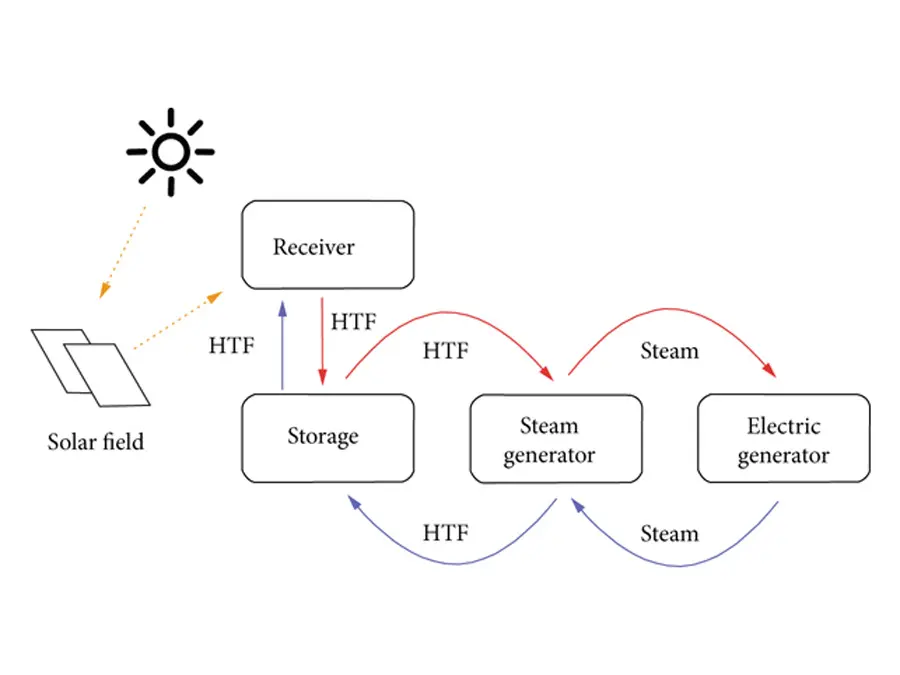
Converting solar energy to reliable electricity relies on efficient thermal transfer media and circulation pump setups.

High-temperature thermal storage systems play a key role in smoothing peak electricity demand on regional grids.
For many years, we have successfully responded to the requirements of reputed customers in the market.





Explore additional chemical formulations and specialized heat treatment compounds designed to support key industrial systems.
 VOJIN
VOJIN