Direct from Shanxi Vojin New Materials — Quality Certified Industrial & Thermal Storage Formulations
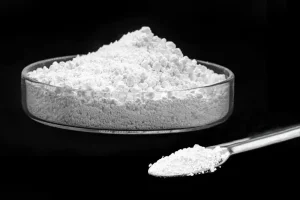
Critical Purity Targets and Thermal Performance Profiles for Modern Industrial Integration
In high-temperature industrial processes—such as Concentrated Solar Power (CSP) plants, specialized thermal energy storage (TES), and chemical heat treatment baths—molten salts act as the crucial heat transfer fluid (HTF). Precise identification of the constituent salts via their Chemical Abstracts Service (CAS) Registry Numbers is the first step toward achieving safe, predictable chemical reactions and physical transitions. Impurities within these salts can accelerate alloy corrosion, reduce eutectic capacity, and drastically lower the overall system efficiency.
As a leading developer and supplier, Shanxi Vojin New Materials Co., Ltd. produces binary, ternary, and custom-ratio salt formulations configured for low-viscosity, high-specific-heat fluid dynamics. Below is the technical catalog of active molten salt components synthesized under strict quality controls.
| Chemical Compound | Formula | CAS Number | Eutectic Melting Point | Thermal Stability Limit | Primary Purity Grade |
|---|---|---|---|---|---|
| Sodium Nitrate | NaNO₃ | 7631-99-4 | 308 °C | 600 °C | ≥ 99.7% Ultra-Low Cl⁻ |
| Potassium Nitrate | KNO₃ | 7757-79-1 | 334 °C | 600 °C | ≥ 99.8% Solar Grade |
| Calcium Nitrate | Ca(NO₃)₂ | 10124-37-5 | 561 °C | 550 °C | Technical & Agro Grade |
| Sodium Nitrite | NaNO₂ | 7632-00-0 | 271 °C | 450 °C | Industrial Heat-Treatment |
| Calcium Nitrite | Ca(NO₂)₂ | 13780-06-8 | 390 °C | 480 °C | Inhibitor & Heat Transfer |
Consisting of 60% Sodium Nitrate and 40% Potassium Nitrate by weight, this binary mix offers a melting point of approximately 220°C. Optimized to run reliably at operating parameters exceeding 565°C without decomposing, this mixture provides the highest energy density and stability in commercial CSP thermal store systems.
Chloride (Cl⁻) and Sulfate (SO₄²⁻) ions are the primary catalysts of corrosion in stainless steel pipes and storage tank alloy liners. We utilize proprietary refining methods to guarantee critical chloride levels remain under 50 ppm, vastly extending the operational lifespans of thermal plants.
By blending Calcium Nitrate with Sodium and Potassium Nitrates, the liquidus state drops as low as 130°C. This significantly decreases the risk of freeze-up in transport pipes, minimizing heat trace electricity consumption throughout start-up and shut-down sequences.
Deploying Advanced Eutectic Formulations in Global Power and Localized Manufacturing Pipelines
Providing base-load capabilities to Concentrated Solar Power (CSP) facilities. Our high-purity formulations are stored in massive, double-walled tanks, allowing operators to generate superheated steam long after sunset.
Crucial for structural glass ion exchange. Submerging display glasses inside molten Potassium Nitrate (CAS 7757-79-1) at 400°C swaps smaller sodium ions with larger potassium ions, forming a high-strength surface layer.
Replacing traditional combustion boilers with green thermal batteries. Excess grid energy is captured in molten salt circuits, later dispatched to drive process steam loops, dry coal chambers, and power chemical plants.
Using the base industrial nitrates as high-analysis crop nutrition materials. High-purity agricultural potassium nitrate and water-soluble phosphates provide targeted, instantly absorbable nutrients.
Evolving Chemical Engineering to Drive the Global Carbon-Neutral Grid transition
The threshold of traditional binary salt sits around 565°C. Operating above this temperature triggers rapid breakdown into gaseous nitrites and oxides, which damages machinery. Vojin's current R&D is focused on creating active chemical additives that stabilize nitrate matrices up to 620°C, increasing the Carnot cycle efficiency of turbine generators.
Furthermore, our development pathway includes exploring chloride-carbonate eutectic mixtures to safely manage temperatures over 750°C. These fluids will play a critical role in supporting Gen-IV nuclear reactors and concentrated industrial hydrogen manufacturing setups.
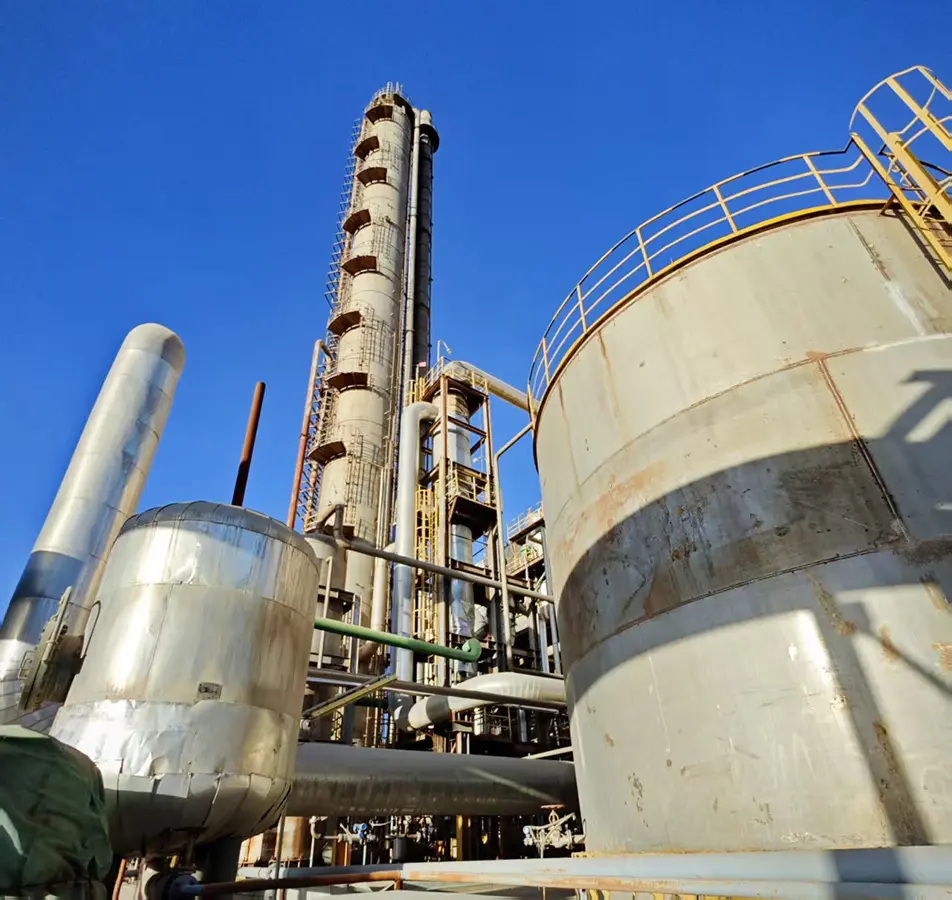
State-of-the-Art Production Infrastructure & Dynamic Global Logistics Integration
Operating out of Shanxi's heavy-chemical manufacturing belt, Shanxi Vojin New Materials utilizes nearby mineral deposits and efficient industrial supply chains to produce and deliver high-purity nitrate salts worldwide. Our plant features end-to-end process control, starting with feedstock purification and finishing with humidity-controlled packaging.
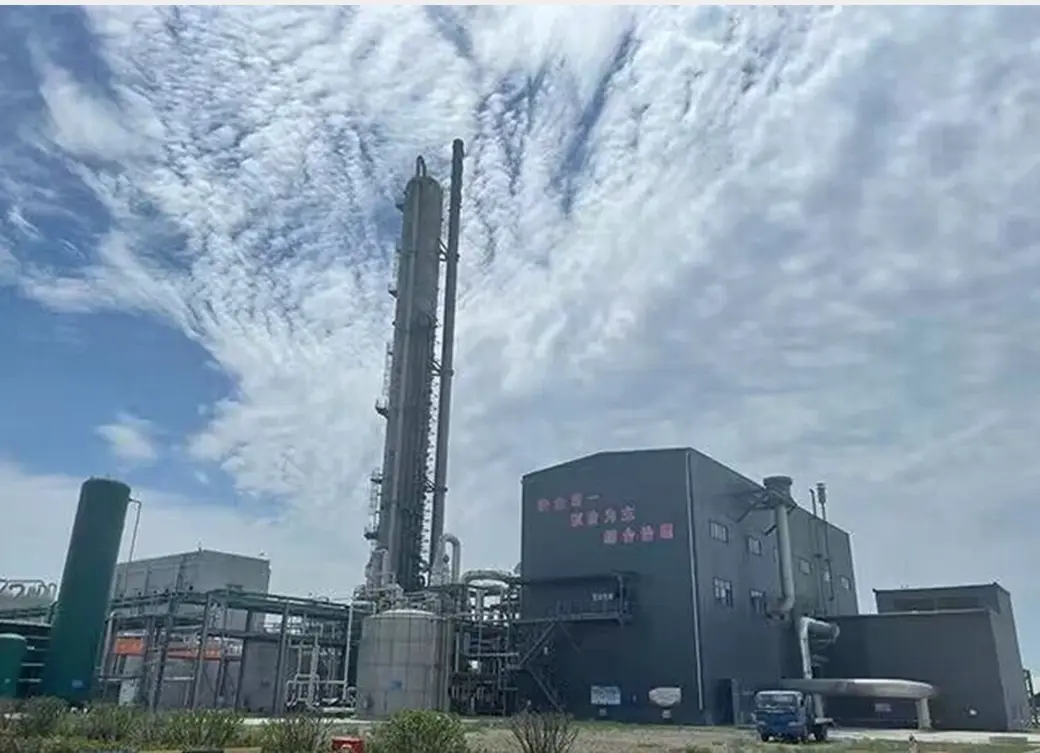
Since our founding in 2010, we have prioritized process innovation and product quality. Over the last decade, we have established ourselves as a dependable manufacturer of thermal storage compounds, water-soluble fertilizers, and custom industrial salts.
Our ISO 9001:2015 certified production lines maintain strict quality controls, keeping iron, chloride, and moisture impurities within narrow, industry-compliant limits. This attention to detail guarantees trouble-free startup, stable viscosity, and long-term chemical reliability.
Experienced logistics teams coordinating bulk vessel, ISO-tank, and bag shipments worldwide.
Dedicated 24/7 technical support to quickly answer questions about specs, logistics, and applications.
Stay up to date with technology breakthroughs and market shifts in thermal energy storage
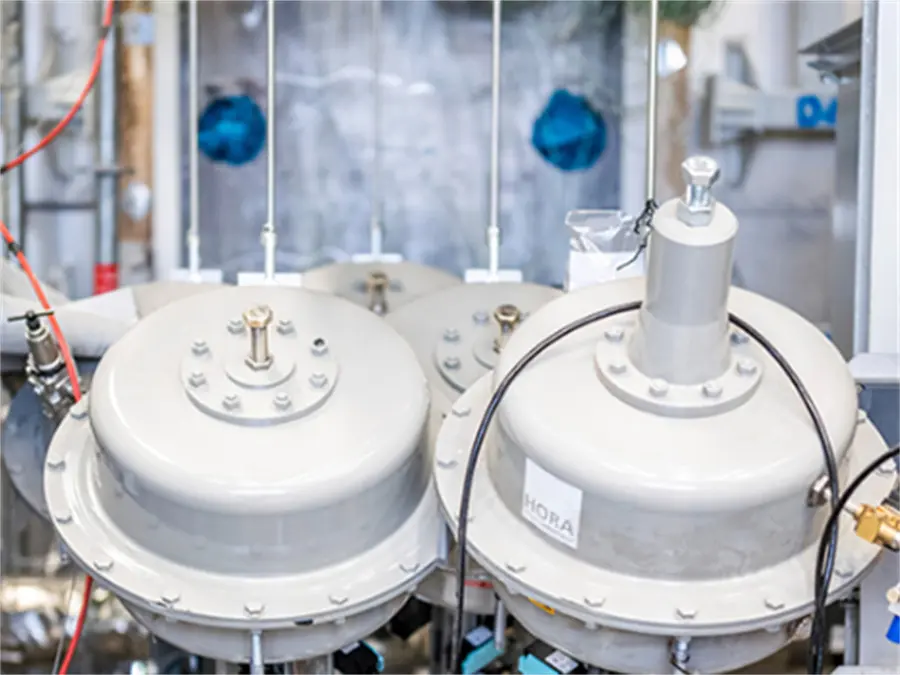
Running systems at higher temperatures directly boosts generation efficiency. Discover how new salt blends are pushing past old thermal stability boundaries.
Read Insight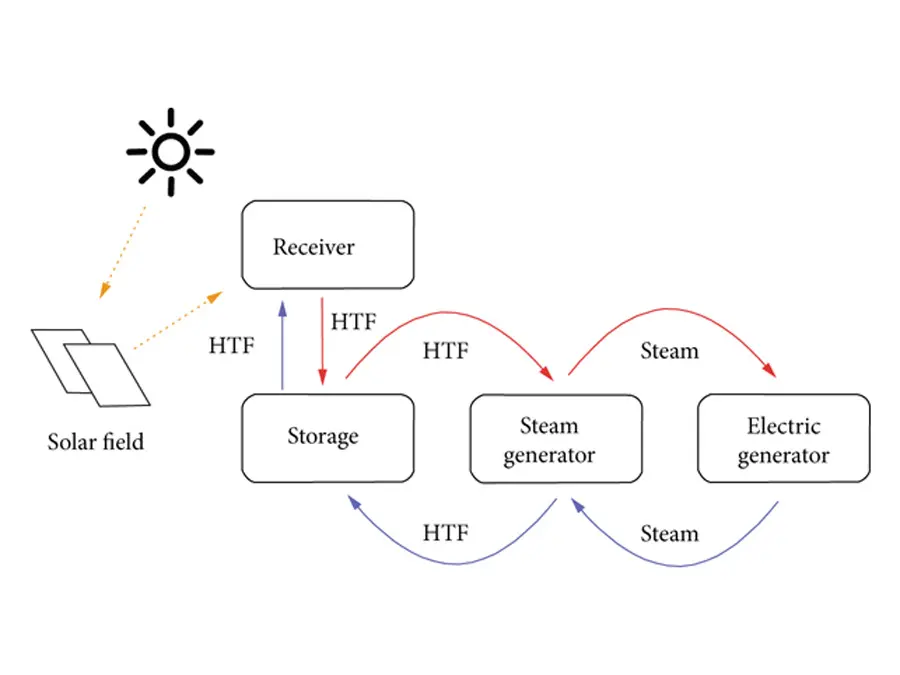
A look at modern concentrated solar power designs, highlighting the critical role that specific molten salt chemical mixtures play in system performance.
Read Insight
Molten salt storage has become a practical option for converting excess grid power into on-demand high-pressure industrial process steam.
Read InsightCrucial Chemical and Logistical Questions Answered by Our Engineering Team
Providing certified chemical materials to industry leaders and energy developers worldwide

Complete Industrial Formulations Designed for Heat Treatment, Water Treatment, and Advanced Farming
 VOJIN
VOJIN