Premium grade mineral salts, water treatment components, and customized thermal compounds formulated under strict industrial standards.
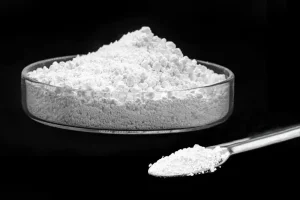
Thermodynamic Analysis, Chemical Optimization, and Manufacturing Engineering for Concentrated Solar Power (CSP) Storage
Binary molten salt, commercially designated as "Solar Salt," is a non-combustible, environmentally non-hazardous eutectic system consisting of 60 wt% Sodium Nitrate (NaNO₃) and 40 wt% Potassium Nitrate (KNO₃). This specific formulation exploits the thermodynamic principle of melting point depression. While pure Sodium Nitrate melts at 306°C and Potassium Nitrate at 334°C, their eutectic combination exhibits a liquidus temperature of approximately 220°C.
This lower melting threshold is critical for thermal energy storage (TES) operations. By lowering the operational floor temperature, the system minimizes the parasitic heating energy required to prevent solidification within pipelines and heat exchangers, while maintaining an upper thermal stability limit of 565°C. At temperatures exceeding 600°C, nitrate salts undergo thermal decomposition into nitrites and oxygen gas:
2MNO₃ ⇌ 2MNO₂ + O₂ (where M represents Na or K)
Consequently, maintaining chemical composition purity and deploying inert nitrogen gas blanketing in storage tanks are imperative for suppressing this reaction and extending the operational lifespan of the fluid up to 30 years.
The primary technological challenge in high-temperature molten salt systems is corrosion mitigation. Chloride (Cl⁻) and sulfate (SO₄²⁻) impurities, common in lower-grade industrial nitrates, act as catalysts for hot corrosion on stainless steel containment structures and chromium-moly alloys. Under operating conditions, these impurities accelerate oxidation and grain boundary corrosion of structural alloys like SS347H, SS321, and Inconel 625.
Shanxi Vojin New Materials utilizes high-vacuum recrystallization to decrease chloride levels below 50 ppm (parts per million). By minimizing these impurities, we maintain a protective oxide scale (such as Fe₃O₄ or spinels like MnCr₂O₄) on the steel surface, preserving structural integrity and reducing maintenance cycles in CSP plants.
Established in 2010 with manufacturing roots extending back to 2000, SHANXI VOJIN NEW MATERIALS CO., LTD. has grown to become a global leader in high-performance nitrate chemistry and thermal energy storage materials. We occupy a manufacturing footprint of approximately 1,000 acres, supplying industrial-grade solutions across more than 40 countries.
Our production plant features high-volume automated crystallization and packaging lines, maintaining an annual capacity of 600,000 tons of specialized molten salts and nitrate compounds. We support critical clean energy initiatives worldwide.
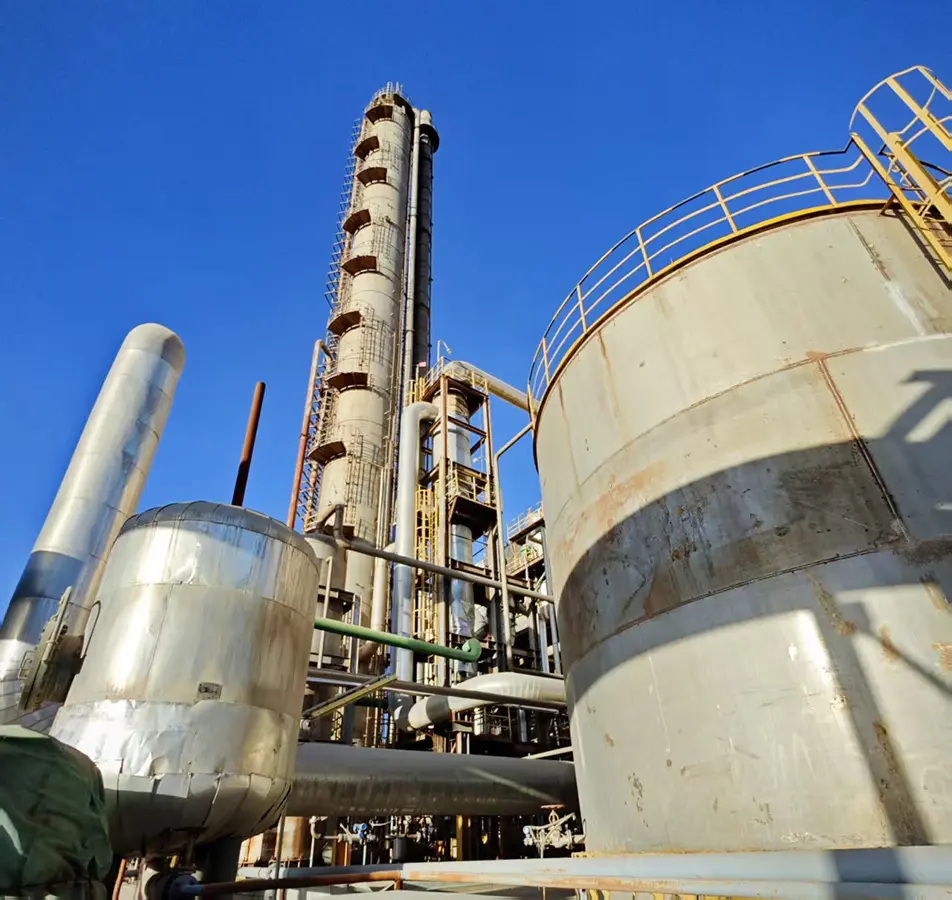
Why Tier-1 CSP developers and chemical companies choose Shanxi Vojin New Materials.
Integrated global logistics with multi-port customs protocols. We ensure reliable supply lines directly to global sites.
Annual output of 600,000 tons of Solar Salts and specialized nitrates, maintaining consistent supply for large-scale operations.
Dedicated engineers and quality inspectors providing testing support, chemistry profiling, and system maintenance consulting.
Comprehensive portfolio including KNO₃, NaNO₃, agricultural nutrients, and customized eutectic blends to meet industry demands.
Providing high-capacity energy storage, advanced materials processing, and specialty chemicals.
Used as the heat transfer fluid (HTF) and storage medium in Concentrated Solar Power (CSP) tower and parabolic trough installations. The salt stores excess thermal energy collected during sunlight hours to generate electricity during grid demand peaks, enabling continuous renewable energy generation.
High-purity potassium nitrate baths facilitate ion-exchange chemical strengthening in aluminosilicate cover glass for mobile displays and industrial monitors. Larger potassium ions replace smaller sodium ions on the glass surface, building a compressive stress layer that increases drop resistance.
In regions phasing out coal boilers, molten salt systems store surplus electrical energy from wind and PV arrays. The stored heat is discharged as high-temperature steam (up to 540°C) for chemical manufacturing, food processing, or municipal district heating networks.
Our agricultural-grade nitrate products, including potassium nitrate and calcium ammonium nitrate, supply highly bioavailable nitrogen and potassium. These water-soluble products are designed for modern fertigation systems, helping optimize crop yields and soil quality.
The global transition to zero-carbon energy grids has shifted molten salt from a specialized chemical to a key component of utility-scale energy storage. Driven by the expansion of Concentrated Solar Power (CSP) in China, Spain, the MENA region, and South Africa, the demand for binary solar salt is growing at an accelerated rate.
Industrial decarbonization is a primary driver. Manufacturing industries are replacing fossil fuel combustion with high-temperature thermal energy storage (TES) powered by clean wind and solar energy. This process stores variable electricity as high-temperature heat within molten salt tanks, providing steam on demand.
Vojin New Materials works with international engineering partners to deliver integrated solutions, including salt melting, impurity conditioning, and corrosion monitoring, ensuring efficient operation over multi-decade lifespans.
The progression of thermal energy storage chemistry and Vojin's ongoing research initiatives.
Establishing commercial binary solar salts with low impurity levels (chlorides < 50 ppm) to control corrosion rates on SS347H piping networks.
Formulating NaNO₃-KNO₃-Ca(NO₃)₂ ternary mixtures. Lowering melting points to ~130°C to reduce parasitic heat requirements and risk of solidification.
Developing eutectic chloride mixtures (NaCl-KCl-MgCl₂) to support higher operating temperatures (>700°C), helping improve power generation efficiency.
Technical answers to common questions about binary molten salt applications and logistics.
Technical updates and insights from Vojin's thermal energy materials division.
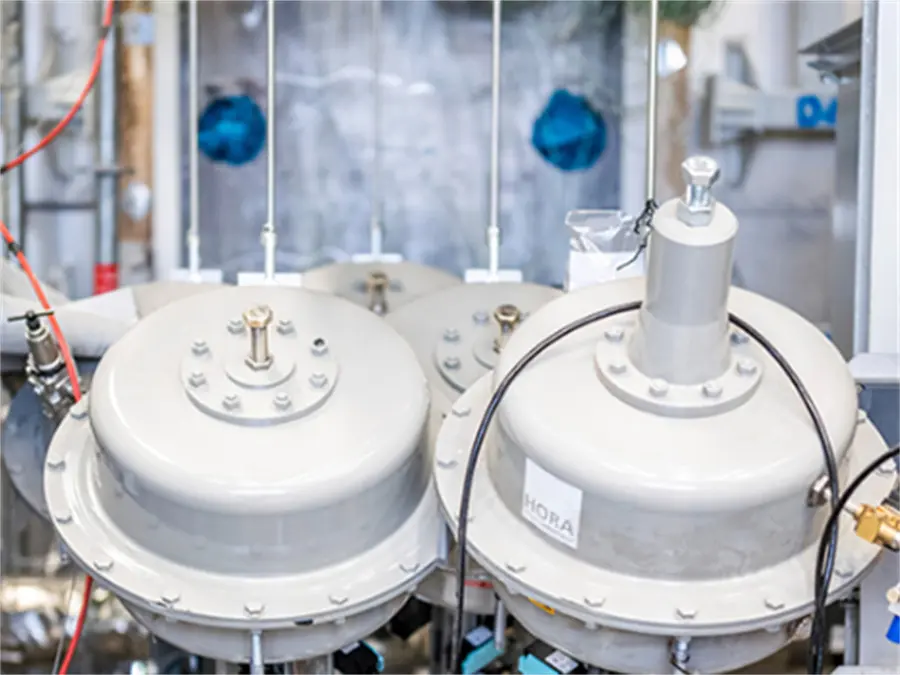
Developments in binary nitrate chemistry aimed at extending system temperature limits and improving thermal cycles.
Read Article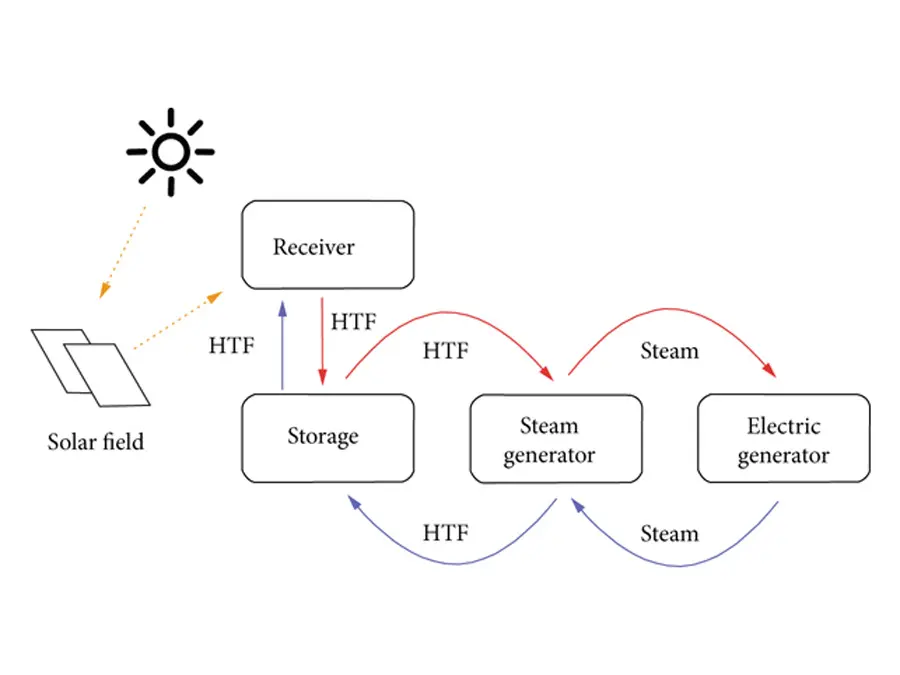
How utility-scale concentrated solar power (CSP) systems utilize molten salt thermal storage for grid balancing.
Read Article
Analyzing thermal conductivity improvements and crystallization control in high-performance nitrate mixtures.
Read ArticleWe supply materials to partners and projects in the power generation and chemical industries.





High-purity nitrates, heat treatment agents, and carbonates produced to specification.
 VOJIN
VOJIN