VOJIN
VOJIN
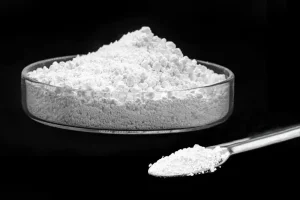
Whitepaper: Industrial Nitrates in the India Market (Status, Roadmap, & Supply Chains)
1. Macroeconomic Context: India's Nitrates Landscape
The demand for nitrogen-based compounds across the Indian subcontinent has witnessed a major transformation. Driven by the "Make in India" initiative and agricultural modernization, industrial nitrates serve as structural backbones for multiple core sectors. Historically reliant on localized, low-capacity operations, India is increasingly looking to high-yield global production hubs to stabilize its industrial requirements. Critical states like Gujarat, Maharashtra, Rajasthan, and Tamil Nadu have developed expansive manufacturing, metallurgical, and agricultural clusters that consume massive volumes of Potassium Nitrate (KNO₃), Calcium Nitrate, and Sodium Nitrate yearly.
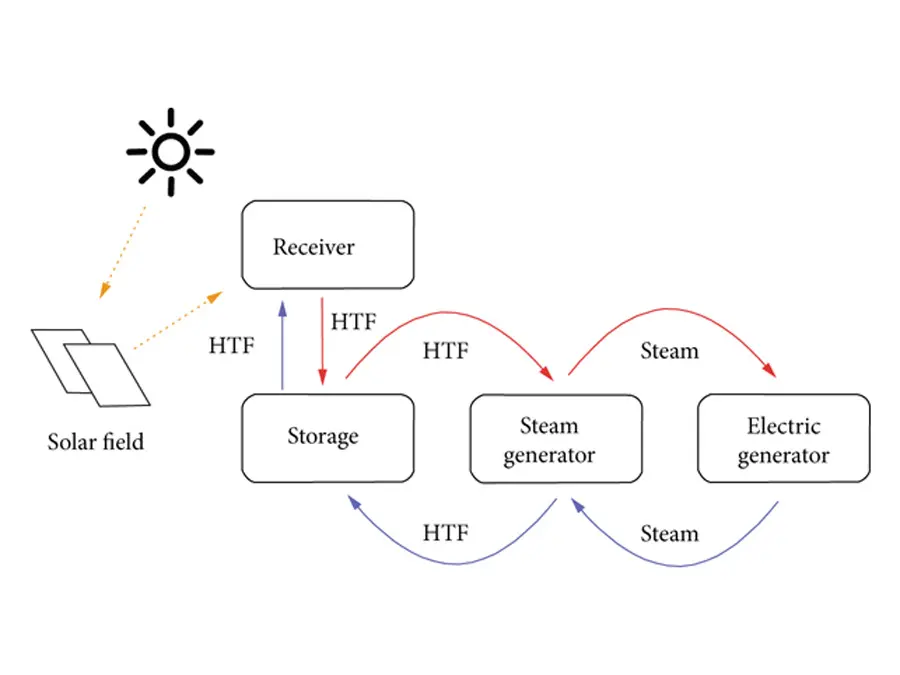
India's agricultural transition toward drip-irrigation (micro-irrigation) systems under the Pradhan Mantri Krishi Sinchayee Yojana (PMKSY) requires highly soluble, residue-free fertilizers. Traditional physical mixes cannot match the high purity of chemical nitrates, which offer quick absorption and complete solubility. Concurrently, the chemical manufacturing hubs in Gujarat and solar thermal projects in Rajasthan are introducing next-generation thermal energy storage (TES) and glass processing technologies. These initiatives demand extremely low-impurity molten salts—a market where specialized international manufacturers with advanced quality control systems provide a critical competitive advantage.
2. Technological Roadmap & Engineering Innovations
The future of nitrates relies heavily on advanced material engineering. We focus on two primary engineering targets: optimizing physical state stability (eliminating caking during long maritime transport and storage in humid tropical regions) and achieving ultra-high purity levels to prevent corrosion in solar thermal systems. The technological roadmap outlines several milestones:
- Low-Chloride Formulations: Minimizing halide impurities to below 10ppm to prevent high-temperature steel corrosion in heat exchangers and molten salt tanks.
- Anti-Caking Matrix Engineering: Using biodegradable, food-safe organic anti-caking coatings that stabilize granules in high-humidity zones like Mumbai or Chennai ports without impacting solubility or chemical purity.
- Automated Synthesis 4.0: Moving from batch reactions to continuous crystallization systems. This shift ensures consistent particle size distribution, reducing dust and improving flowability in automated dosing systems.
Chemical Purity Insights (Information Gain)
For concentrated solar power (CSP) and high-temperature thermal storage systems, a purity of 99.7% is not just a standard—it is a safety requirement. Even trace fractions of sodium chloride or moisture can lead to stress corrosion cracking in stainless steel piping. Vojin New Materials utilizes high-vacuum multi-stage recrystallization to guarantee chloride content < 0.01%, extending the lifecycle of industrial thermal storage installations by up to 15 years.