Explore our industrial-grade heat transfer and agricultural nutrients, precision-engineered to meet strict international standards.
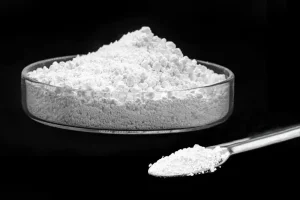
Thermal Energy Storage (TES) acts as the thermodynamic backbone of modern Concentrated Solar Power (CSP) systems and decarbonized industrial heating networks. Unlike battery systems which suffer from rapid degradation and severe raw material constraints, molten nitrate mixtures provide cheap, long-duration, high-density energy storage. The core of sensible heat storage relies on the thermal properties of inorganic salt compounds, primarily mixtures of Potassium Nitrate (KNO₃) and Sodium Nitrate (NaNO₃).
Commonly referenced in international energy standards as "Solar Salt", a binary composition of 60% NaNO₃ and 40% KNO₃ exhibits an operational liquid temperature range between 220°C (428°F) and 565°C (1049°F). The thermodynamic viability of these mediums is determined by specific heat capacity ($C_p$), density variation over temperature, vapor pressure, and chemical stability limits. Under nominal temperatures, molten solar salt maintains a specific heat capacity of approximately 1.5 kJ/kg·K. Maintaining purity levels is critical; impurities such as chlorides ($Cl^-$) and sulfates ($SO_4^{2-}$) accelerate electrochemical oxidation, causing localized corrosion in storage vessels and stainless steel piping.
For CSP and high-temperature systems to operate for over 25 years without catastrophic piping failure, chloride concentrations must be limited to less than 50-100 ppm, and moisture content must remain below 0.05% by weight to prevent corrosive acid formation within the hot salt loop (operating at 565°C).
| Chemical Formula / Compound | Melting Point (°C) | Thermal Stability Limit (°C) | Typical Latent / Sensible Heat Applications |
|---|---|---|---|
| Potassium Nitrate (KNO₃) | 334 | 600 (without decomposition catalysts) | Active component in Solar Salt, CSP plants, Glass strengthening |
| Sodium Nitrate (NaNO₃) | 308 | 580 | Industrial solar thermal, phase change materials, metal treatment |
| Calcium Nitrate (Ca(NO₃)₂) | 561 | >600 (modified mixtures) | Low-cost heat storage, concrete additives, water treatment |
| Potassium Carbonate (K₂CO₃) | 891 | >900 | Ultra-high temp sensible heat, metallurgy, glass flux |
Founded with a commitment to raw material excellence, Shanxi Vojin New Materials Co., Ltd. has established itself as an industry leader in manufacturing high-purity inorganic chemicals, molten salts, and advanced crop nutrition solutions.
Since our beginnings, we have combined advanced chemical processing with a commitment to industrial innovation. We supply over 40 countries with critical chemical mediums for glass processing, solar energy harvesting, industrial heating, and modern agriculture.
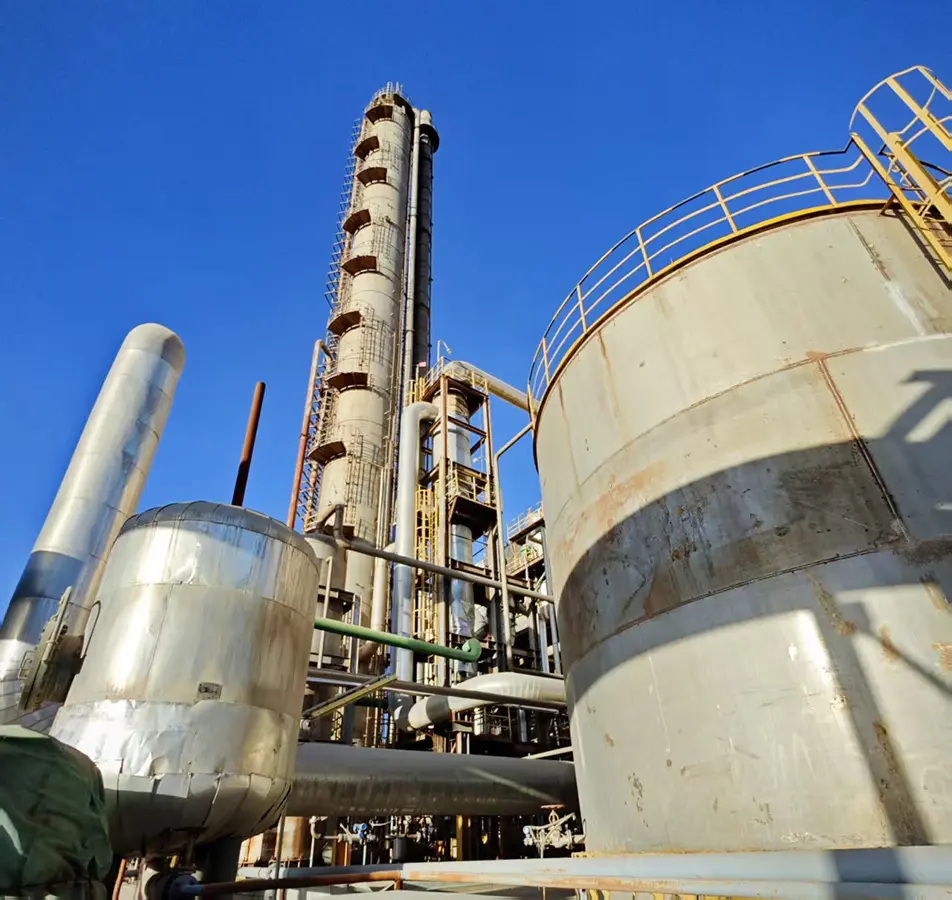
We have engineered a highly integrated chemical synthesis process that guarantees low impurity counts, stable packaging, and reliable shipping times. From mining to custom purification, we ensure every batch meets global standards.
Why leading global EPC contractors and engineering companies choose China for thermal storage medium procurement.
China holds substantial reserves of potassium deposits and domestic nitric acid processing facilities. This secures local raw materials for sodium nitrate and potassium nitrate, shielding overseas buyers from sudden raw material shortages.
With a 600,000-ton annual capacity, our manufacturing plants use automated crystallization, purification, and anti-caking steps. This scale ensures consistent batch quality, crucial for multi-megawatt solar plants.
Our plants reduce chlorides down to < 50 ppm, minimizing corrosive side reactions. This low-impurity formulation preserves the lifespan of molten salt storage tanks, pumps, and steam generator systems.
From storing solar energy to agricultural irrigation and high-tech manufacturing.
Heavy industries like chemical processing, metallurgy, and cement manufacturing account for over 20% of global carbon emissions. Decarbonizing these sectors requires replacing fossil-fuel combustion with clean, high-temperature thermal energy. This is where thermal storage media serve as a reliable thermodynamic buffer. By storing excess power from wind and solar when prices are low, these mediums can discharge heat as process steam or power during peak demand periods.
An emerging global trend is retrofitting retired coal-fired power plants. Engineering firms replace the coal combustion boiler with high-temperature molten salt heaters and storage tanks, keeping the steam turbine, generators, and grid infrastructure. This reduces capital expenditure by up to 45% compared to building new clean energy assets.
We work closely with global design institutes to adapt our nitrate formulations for custom applications:
Procuring chemical mediums for major infrastructure projects requires strict quality validation and reliable logistics. Industrial nitrates are classified as Class 5.1 Oxidizing Substances under the UN International Maritime Dangerous Goods (IMDG) code. This designation requires specialized packaging and handling protocols to ensure site safety and prevent material contamination during sea transit.
Our factories use multi-layer, moisture-resistant 25kg PE/PP bags or 1.0 to 1.2-ton big bags with internal vapor barriers. These protect the product from ambient humidity, preventing clumping during ocean shipping. We supply comprehensive analysis certificates (COA), material safety data sheets (MSDS), and strict chemical trace analysis reports with every shipment.
Consistent product specifications for high-performance industrial processes and agricultural operations.
Track technological advancements in molten salt applications and renewable solar energy storage.
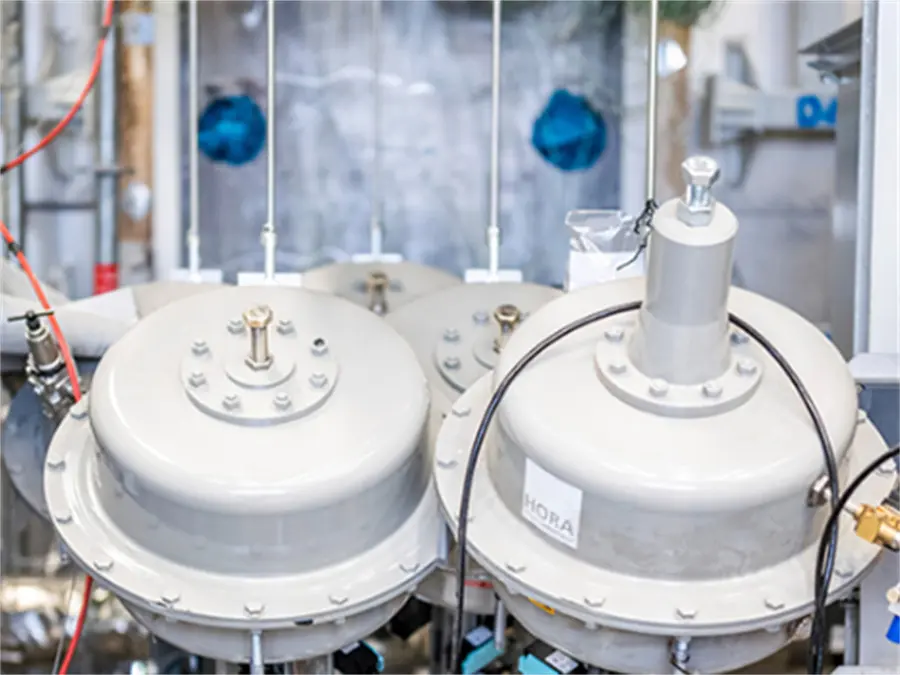
Discover how higher operational temperatures in molten salt storage loops directly improve turbine conversion efficiency.
Read Article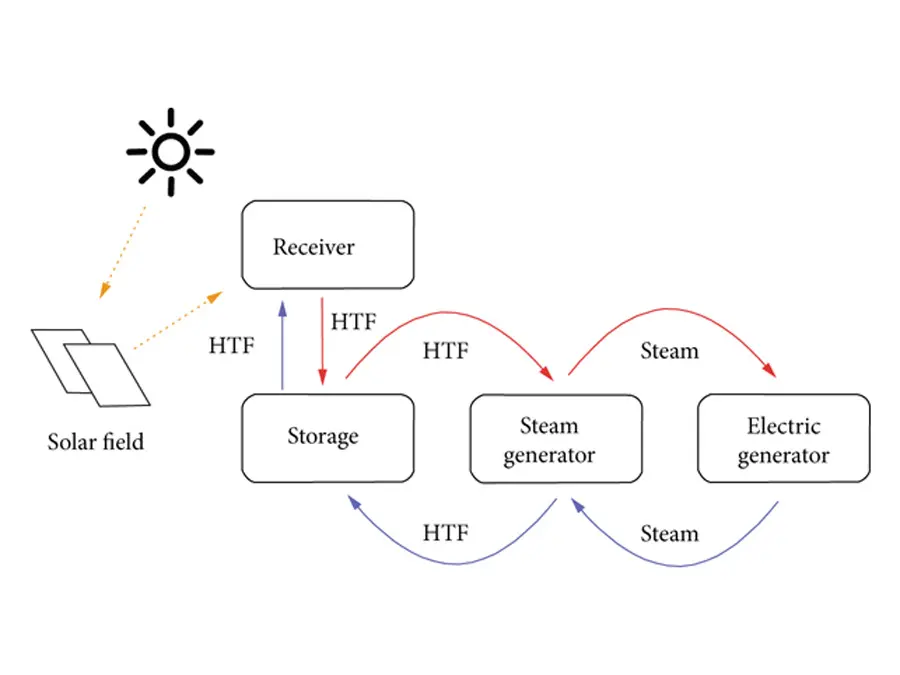
Concentrated solar power systems rely on high-purity salts to convert and store solar energy as reliable grid power.
Read Article
Molten salt setups are proving to be a cost-effective choice for long-duration grid storage, outperforming lithium-ion batteries.
Read ArticleWe work with leading EPC contractors, renewable developers, and engineering firms worldwide.


Detailed technical advice for solar engineers, procurement managers, and systems specifiers.
 VOJIN
VOJIN