A Professional Whitepaper on Saltpeter Production Engineering, Molten Salt Operations, and Downstream Industrial Applications.
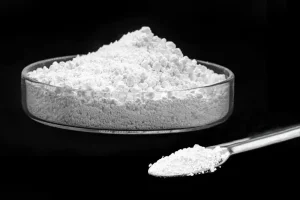
Potassium Nitrate (KNO3), historically referred to as saltpeter, is an inorganic ionic salt composed of potassium ions (K⁺) and nitrate ions (NO₃⁻). In the modern chemical era, KNO3 has transitioned from traditional energetic formulas to one of the most critical structural pillars of renewable energy infrastructure, precision agriculture, advanced glass manufacture, and high-temperature metallurgical systems. As a dominant global potassium nitrate saltpeter manufacturer, Shanxi Vojin New Materials Co., Ltd. delivers high-purity inorganic chemicals engineered to meet stringent thermal, physical, and chemical thresholds.
From an industrial chemistry perspective, potassium nitrate presents unique thermodynamic properties. It exhibits a melting point of approximately 334°C (633°F) and begins to decompose thermally at temperatures exceeding 400°C, releasing oxygen and converting to potassium nitrite. This highly predictable thermal transition curve makes it an indispensable component in heat transfer fluids, particularly in concentrated solar power (CSP) generation. Furthermore, its minimal chloride content prevents high-temperature chloride-induced stress corrosion cracking (SCC) in steel containment alloys, establishing it as the premium standard for clean energy thermal energy storage (TES).
The manufacturing process of industrial and agricultural grade potassium nitrate involves distinct synthetic methodologies. The most commercially prevalent pathway is the metathesis reaction between sodium nitrate (NaNO3) and potassium chloride (KCl):
This fractional crystallization process relies on the dramatic temperature-dependent solubility curve of potassium nitrate compared to sodium chloride. While NaCl maintains a relatively flat solubility profile across varying temperatures, KNO3 displays exponential solubility growth in water as temperatures rise. By heating the reaction mixture to achieve complete dissolution and subsequently cooling it under controlled conditions, high-purity potassium nitrate crystals precipitate out of solution, leaving sodium chloride dissolved in the supernatant mother liquor. Advanced crystallization control is required to prevent the entrapment of chloride ions within the crystal lattices, ensuring the strict "low-chlorine" parameters required by both high-tech glass producers and molten salt engineering operators.
The global demand for potassium nitrate saltpeter is undergoing a profound structural evolution. Historically dominated by agricultural NPK water-soluble formulations and traditional specialty chemical channels, the growth trajectory is now driven by green energy integration and high-performance electronics display engineering. International procurement officers face multiple supply chain challenges: securing high purity, achieving reliable maritime logistics compliance for dangerous goods (Class 5.1 Oxidizers), and ensuring consistent throughput from reputable chemical manufacturers.
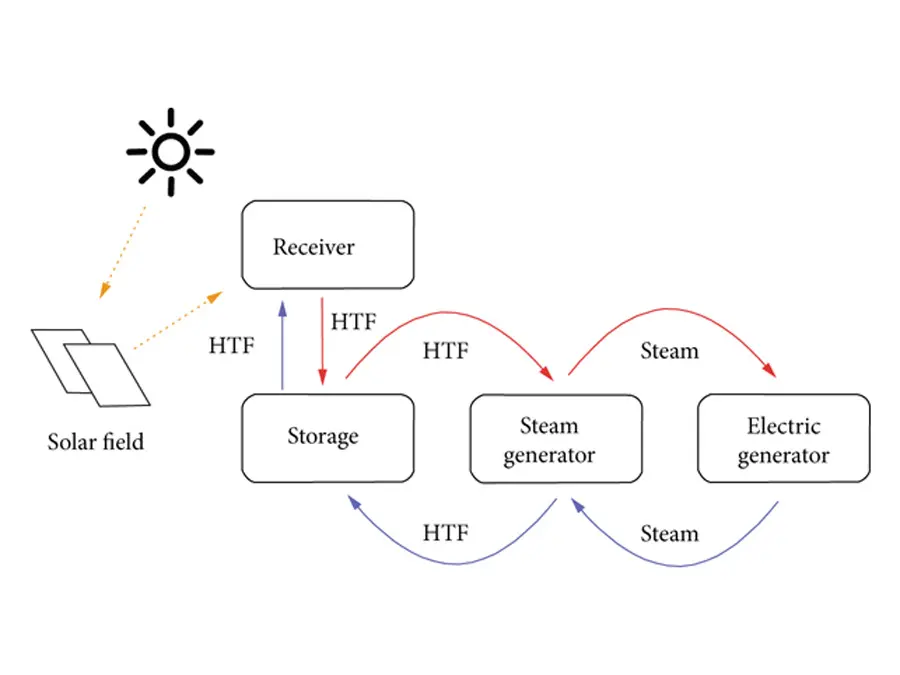
A primary macro-trend is the dramatic expansion of concentrated solar power (CSP) projects worldwide. Modern CSP installations rely on binary salt combinations, frequently composed of 60% sodium nitrate and 40% potassium nitrate, as a combined heat transfer fluid (HTF) and sensible thermal energy storage medium. As solar plants expand, particularly in regions like Western China, North Africa, the Middle East, and Spain, demand spikes for molten-grade salts with exceptional chemical specifications. Typical specifications demand total organic carbon (TOC) levels near zero, and halide levels (specifically chlorides and bromides) restricted to less than 0.1%, preventing accelerated metallic decay in high-temperature loops.
In addition to energy storage, the specialty glass manufacturing industry is requiring stricter chemical metrics. The production of chemically strengthened aluminosilicate glass—used globally for smartphone displays, tablets, and interactive industrial panels—utilizes a high-purity potassium nitrate bath at temperatures ranging from 380°C to 450°C. During this chemical tempering process, smaller sodium ions on the glass surface are exchanged with larger potassium ions from the molten salt bath. The resulting compressive stress layer provides outstanding drop resistance and scratch protection. To achieve optimal ion-exchange efficiency, manufacturers demand potassium nitrate with minimal sodium impurity thresholds, highlighting the need for highly refined metathesis and crystallization pathways.
How Vojin Potassium Nitrate Powers High-Temperature Energy, Smart Agriculture, and Technical Manufacturing
Supplying optimized binary molten salts (KNO3 + NaNO3) designed for concentrated solar power plants and industrial waste heat recovery systems. Ensures continuous power output during non-solar hours.
Delivering chemical-grade potassium nitrate optimized for the ion-exchange processing of cover glasses. Guarantees extreme structural strength, clarity, and pristine optical index profiles.
Providing high-temperature heat transfer mediums for industrial steam loops, coal conversion units, and chemical synthesis reactors that operate beyond the stable limits of synthetic oils.
Offering chloride-free, highly soluble agricultural grade potassium nitrate. Ideal for modern drip irrigation, foliar spraying, and greenhouse hydroculture systems.
A look into Shanxi Vojin New Materials' advanced synthesis, crystallization, and purity assurance protocols.
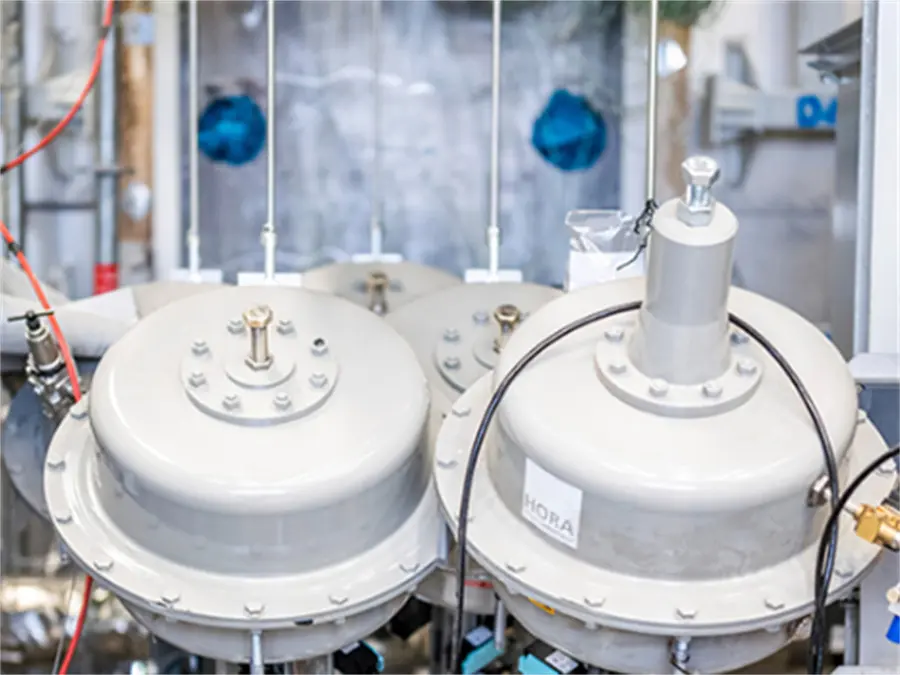
At our 1,000-acre state-of-the-art facility in Shanxi, we utilize a custom metathesis loop coupled with multi-stage cooling crystallization. This chemical pathway uses high-grade, low-sodium potassium chloride reactants to limit unwanted sodium carryover. By integrating multi-stage continuous crystallizers, we strictly control the nucleation rate. This control minimizes internal void space in the crystals, reducing the retention of chloride ions and moisture within the finished KNO3 powder or prills.
Our analytical laboratories are equipped with Inductively Coupled Plasma Optical Emission Spectroscopy (ICP-OES) and Ion Chromatography systems. These instruments perform real-time verification of critical impurities (Cl⁻ < 100 ppm, Na⁺ < 200 ppm, and Fe³⁺ < 10 ppm) to meet the requirements of advanced thermal energy and technical manufacturing customers.
Navigating the complexity of Class 5.1 Oxidizers to ensure seamless global customs and shipping operations.
Potassium Nitrate is classified under the International Maritime Dangerous Goods (IMDG) Code as a Class 5.1 Oxidizer (UN Number: 1486, Packing Group III). Because of this classification, the storage, inland transit, and ocean container shipping of KNO3 are subject to strict regulatory oversight. Incomplete compliance documentation or poor quality packaging can cause customs delays, demurrage, or port rejections.
We pack our products in heavy-duty woven polypropylene bags with inner polyethylene liners (25 kg, 50 kg, or 1000 kg/1200 kg UN-certified bulk bags). This packaging protects the hygroscopic chemical from ambient moisture while complying with international transit safety codes.
We provide full documentation, including up-to-date Safety Data Sheets (SDS) in multiple languages, REACH registration for EU markets, certificates of origin, and inspection certificates from third parties like SGS or Intertek to ensure smooth customs clearance.
With an annual capacity of 600,000 tons of molten salt and nitrate products, we export to over 40 countries. We offer flexible shipping options, including Free on Board (FOB), Cost, Insurance, and Freight (CIF), and Delivery Duty Paid (DDP), supported by experienced port agents.
Integrated supply chain advantages from one of China's leading nitrate manufacturers.

Decades of experience in export operations, ensuring reliable quality control and efficient documentation processing.
With an annual production capacity of 600,000 tons, we provide reliable, high-volume supply to meet contract demands.
Our experienced chemical engineers provide expert support for custom packaging, specific sizing, and application needs.
We supply a wide range of inorganic salts, including KNO3, NaNO3, and NaNO2, tailored to customer specifications.
Insights into thermal energy storage, solar salt development, and industrial chemical trends.
Concentrated Solar Power systems are operating at higher temperatures to improve thermal efficiency. This operational shift requires high-purity potassium nitrate with minimal chloride levels to prevent thermal corrosion.
View Article →Concentrated solar power plants use molten salts as a combined heat transfer fluid and storage medium. Discover how optimized KNO3 and NaNO3 mixtures help maintain consistent, grid-ready electricity generation.
View Article →Molten salt energy storage systems are an efficient option for grid-scale energy storage. These systems help balance intermittent renewable generation with demand, providing reliable grid support.
View Article →Technical answers to common questions about industrial potassium nitrate specifications, shipping, and applications.







 VOJIN
VOJIN