Premium grade raw materials and specialized compound formulations designed for critical energy, agricultural, and industrial processing technologies.
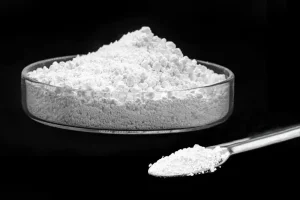
A comprehensive examination of Concentrated Solar Power (CSP) integration, thermal energy carrier mechanics, and strategic supply chain protocols.
The transition toward decarbonized industrial processes and grid-scale renewable energy storage has driven massive growth in the demand for high-temperature thermal storage media. Over the past decade, binary molten salts—primarily eutectic mixtures composed of 60% sodium nitrate (NaNO₃) and 40% potassium nitrate (KNO₃)—have established themselves as the industry benchmark. In Asia, a region that serves as both a primary manufacturing hub and an expanding consumption market, sourcing high-purity inorganic nitrates is a critical step for major infrastructure developments, including Concentrated Solar Power (CSP) plants, industrial steam hubs, and nuclear heat transfer systems.
As a leading exporter and bulk manufacturer, Shanxi Vojin New Materials Co., Ltd. has developed specialized manufacturing processes in Shanxi, China. These systems provide high-purity salts designed to minimize pipeline corrosion and prolong the operational lifespan of CSP heat exchangers. The selection of industrial-grade versus solar-grade molten salts is determined by strict chemical purity requirements, with specific thresholds for corrosive contaminants such as chlorides, sulfates, and moisture.
1. Chloride Control: Solar-grade applications require chloride (Cl⁻) concentrations to be kept strictly below 50–100 ppm to prevent stress corrosion cracking in stainless steel and alloy piping.
2. Eutectic Optimization: Precise blending ratios shift the melting point down to 220°C (428°F) while maintaining thermal stability up to 600°C (1112°F), maximizing the temperature differential (ΔT) for energy recovery.
Asia-Pacific is currently the fastest-growing market for thermal energy storage (TES). In countries like China, India, and the Middle East, government mandates for renewable integration are shifting the grid's focus from short-duration battery storage (such as lithium-ion) to long-duration options. Molten salt TES systems provide an attractive solution, offering 10+ hours of continuous, dispatchable utility-scale power. Additionally, the localized supply chain in China's industrial heartlands enables cost-effective logistics, reliable bulk distribution, and strict quality control, ensuring a steady supply of high-grade nitrate series inputs worldwide.
High-performance chemical series refined to meet international purity standards for thermal storage and agricultural engineering.
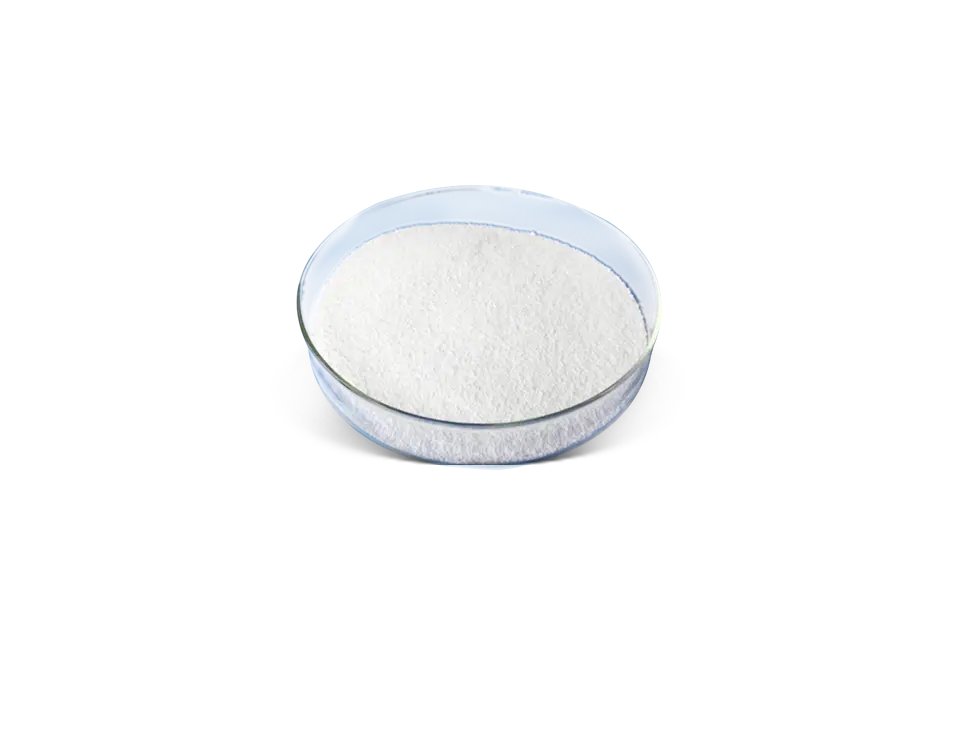
Our core range of high-purity Sodium Nitrate, Potassium Nitrate, Calcium Nitrate, and customized nitrate compounds optimized for thermal properties.
Explore Series
Fully water-soluble, agricultural-grade nitrates and specialty fertilizers designed for modern irrigation systems and direct soil applications.
Explore Series
Secondary industrial chemical compounds refined for metallurgical fluxes, water treatment agents, and specialized concrete accelerators.
Explore SeriesSourcing commercial molten salts requires a detailed understanding of their chemical composition. The thermal properties of the storage medium depend heavily on the purity and formulation of the salts. Below is a detailed technical comparison of standard industrial-grade and high-purity solar-grade chemical salts supplied by Shanxi Vojin New Materials:
| Chemical Product | Purity Rating | Chloride Content (Cl⁻) | Melting Point (°C) | Key Industrial / Sourcing Target |
|---|---|---|---|---|
| Potassium Nitrate (KNO₃) - Solar Grade | ≥ 99.8% | < 50 ppm | 334°C | Binary solar thermal storage, high-temperature heat transfer systems. |
| Sodium Nitrate (NaNO₃) - Solar Grade | ≥ 99.8% | < 60 ppm | 308°C | Eutectic binary blends, heat treatment of metals, chemical glass tempering. |
| Agricultural Potassium Nitrate | ≥ 99.0% | < 0.1% | 330°C - 334°C | High-solubility NPK fertilizers, greenhouse drip irrigation, foliar sprays. |
| Calcium Nitrate Tetrahydrate | ≥ 99.0% | < 0.05% | 42.7°C (dehydrates) | Wastewater odor control, concrete admixtures, ternary low-temp salt designs. |
| Sodium Nitrite (NaNO₂) | ≥ 99.0% | < 0.1% | 271°C | Corrosion inhibitors, metal thermal treatment, dye intermediate production. |
The primary concern for engineers designing high-temperature thermal energy storage systems is the corrosion rate of structural metals, such as SS347H, Inconel 625, or carbon steel, when in contact with molten salts. At temperatures between 500°C and 565°C, impurities like chlorides (Cl⁻) and sulfates (SO₄²⁻) break down the protective chromium oxide passivation layer on alloy steel surfaces. This leads to intergranular corrosion and localized pitting. By using advanced recrystallization techniques, Shanxi Vojin reduces these impurities to ppm levels, ensuring system lifespans of over 25 years with minimal pipe wall thinning.
How our high-purity chemical compounds drive performance in thermal energy systems, high-tech glass, and agriculture.
Enabling utility-scale energy storage in Concentrated Solar Power (CSP) systems and industrial heat recovery setups, providing stable power generation after sunset.
Read MoreProviding high-purity potassium nitrate used in molten salt baths for chemical tempering, creating high-strength glass screens for mobile devices and industrial displays.
Read MoreUsed as a high-temperature heat transfer fluid (HTF) in petrochemical plants, refinery cracking units, coal-to-gas facilities, and clean industrial heating applications.
Read MoreDelivering high-solubility, chloride-free nitrogen-potassium fertilizers that optimize yield and quality in intensive greenhouse farming and modern crop production.
Read MoreA key property of binary solar salts is their behavior during phase changes. In concentrated solar power tower systems, the salt is pumped from a cold storage tank (at approximately 290°C) to the solar receiver, where it is heated by concentrated sunlight to 565°C before flowing to the hot storage tank. The salt must withstand thousands of these thermal cycles without chemical decomposition, phase separation, or significant changes in density.
Thermal stability limits are largely determined by the partial pressure of oxygen and the chemical equilibrium between nitrates and nitrites:
At temperatures above 600°C, the forward reaction accelerates, leading to the formation of nitrites and alkaline oxides. These products increase the melting point and viscosity of the salt, reducing heat transfer efficiency and increasing the risk of the mixture freezing in the piping during shutdown. Shanxi Vojin prevents this degradation by using a high-purity synthetic process and advising on the implementation of nitrogen blanket systems in storage tanks, which control local gas composition and extend the operating life of the molten salt.
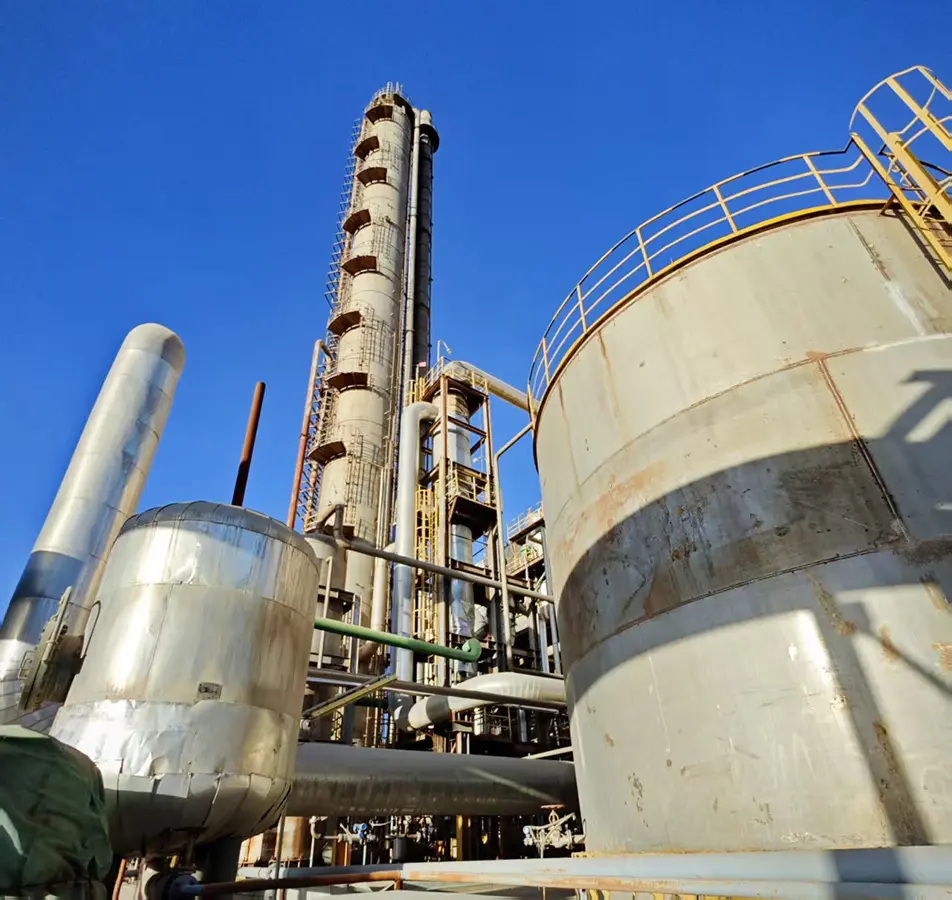
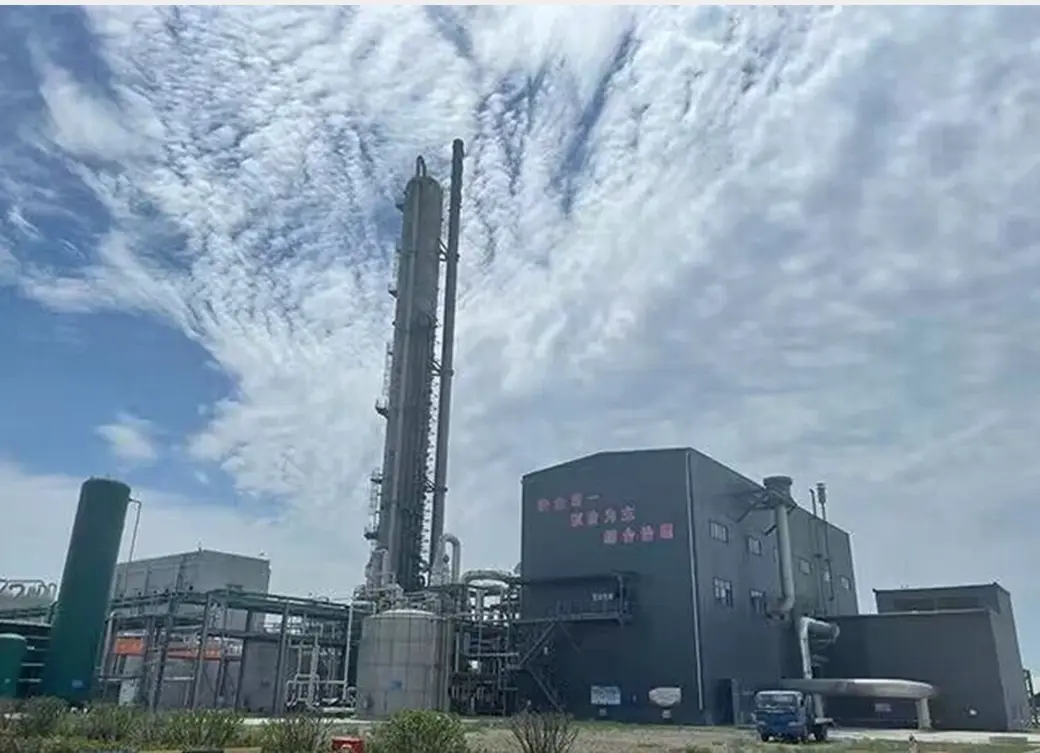
Driven since 2000, we have been committed to the entrepreneurial spirit and passion for innovation. Our team takes pride in delivering dependable products and services with a quality distinction in thermal energy storage & water-soluble fertilizer industries globally.
With deep expertise in nitrate chemical synthesis, our state-of-the-art production site in Shanxi, China, operates with strict quality management systems (ISO 9001, ISO 14001, OHSAS 18001). We support international projects with custom packaging, bulk shipping solutions, and direct technical assistance.
Download Corporate BrochureWhy international energy firms and agricultural partners choose Shanxi Vojin New Materials as their long-term supply partner.


Integrated experience on exporting operation. Always assure your customers good quality.
Annual output of 600,000 Tons of high-purity molten salts, ensuring reliable supply for large-scale energy projects.
Experienced technology skill & service team. Quick response to our customers' custom specifications.
Multiple items for selection such as KNO3, NaNO3, and customized mixtures to meet various customer needs.
Shipping industrial inorganic salts in bulk involves significant logistical challenges. Nitrate chemicals are classified under the UN Recommendations on the Transport of Dangerous Goods as Class 5.1 Oxidizers (UN 1486 for Potassium Nitrate, UN 1498 for Sodium Nitrate). This classification requires specialized packaging, handling, and shipping protocols.
To prevent moisture absorption and caking during sea transit across high-humidity regions like the Malacca Strait or the Indian Ocean, Shanxi Vojin uses a multi-layered packaging system. This system includes heavy-duty PP woven outer bags with internal, moisture-proof PE sealed liners, available in 25 kg, 50 kg, and 1000 kg container bags. Additionally, palletized cargo is shrink-wrapped with UV-resistant film to ensure structural stability during handling at major transit ports, including Tianjin, Qingdao, and Shanghai.
1. Temperature and Ventilation: Store in cool, dry warehouses with active ventilation systems. Keep temperatures below 35°C (95°F) to prevent soft-caking and maintain flowability.
2. Isolation: Keep nitrates separate from organic materials, strong acids, reducing agents, and active metal powders to prevent high-temperature chemical reactions.
For procurement managers in the EU, USA, and Southeast Asia, regulatory compliance is a key sourcing criterion. Shanxi Vojin's manufacturing sites operate in strict accordance with national environmental laws and international standards. All export shipments are subject to third-party verification, including SGS or Intertek inspection, to confirm heavy metal limits, moisture levels, and chemical purity. We also provide full documentation support, including REACH registration for Europe, material safety data sheets (MSDS) in multiple languages, and Certificate of Analysis (COA) documentation for every production batch.
Stay updated on the latest trends in molten salt technology, solar power integration, and global clean energy solutions.
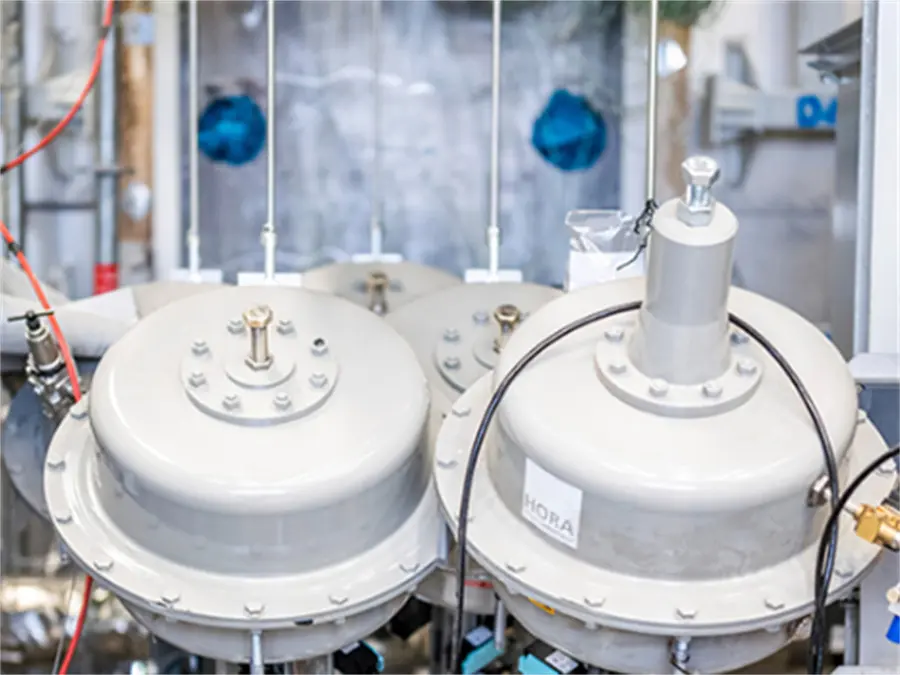
The technology can operate at higher temperatures, which directly improves the thermodynamic efficiency of steam turbines...
Read Article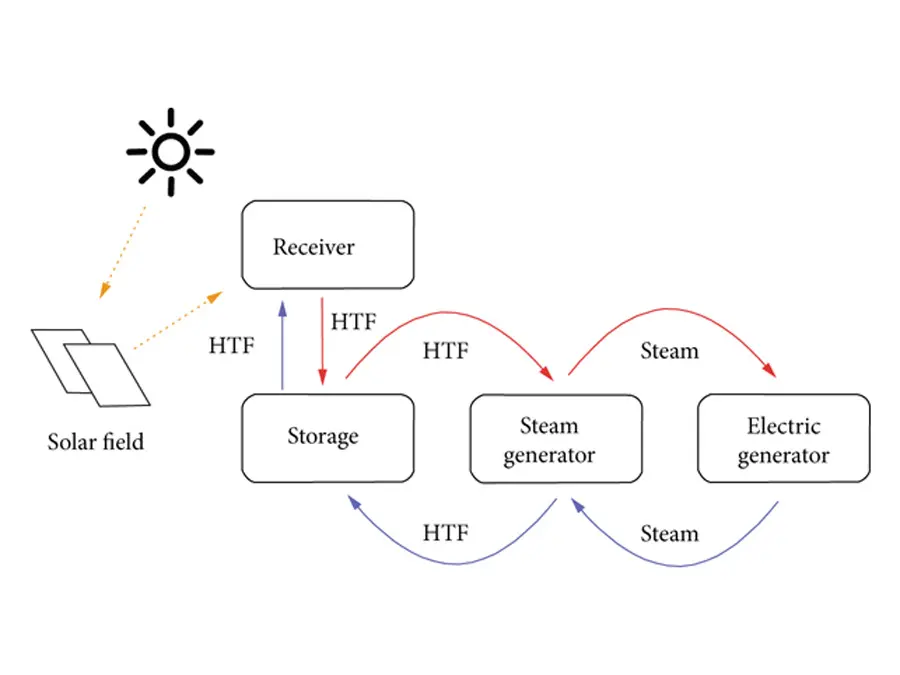
A concentrated solar power plant converts solar energy to electricity. It is based on advanced heat transfer fluids that can store heat...
Read Article
Molten salt energy storage has emerged as a promising solution for enhancing the efficiency of concentrated solar power systems worldwide...
Read ArticleThe molten salt industry is continuously developing new chemistries to lower melting points and increase maximum operating temperatures. While standard binary solar salts (NaNO₃-KNO₃) are currently the market standard, research is shifting toward ternary and quaternary nitrate-based systems. By incorporating calcium nitrate [Ca(NO₃)₂] or lithium nitrate [LiNO₃], engineers have created mixtures with melting points below 130°C (266°F). This lower melting point reduces the energy required for heat tracing, lowering the parasitic energy load of storage systems.
For high-temperature applications above 600°C—such as Gen-3 CSP towers, advanced nuclear reactors, and high-temperature electrolysis—chloride and carbonate salts (e.g., NaCl-KCl-MgCl₂ and Li₂CO₃-Na₂CO₃-K₂CO₃) are being actively tested. These salts remain chemically stable at temperatures exceeding 800°C. However, they present significant challenges in terms of material compatibility and corrosion control. Shanxi Vojin works closely with academic partners and international engineering firms to test and scale these advanced formulations, supporting the next generation of high-efficiency thermal energy systems.
Detailed answers to technical and logistical questions for global engineering companies and procurement professionals.
For many years, we have successfully met the technical requirements of leading global engineering and industrial clients.


Comprehensive chemical configurations refined to support metallurgical processing, glass manufacturing, and advanced fertilizer production.
 VOJIN
VOJIN