Direct wholesale access to high-performance chemical compounds formulated to meet rigorous industrial specifications and thermal energy demands.
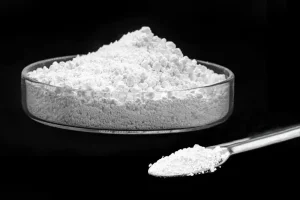
The global energy paradigm is experiencing a fundamental transition toward dispatchable clean energy. While Photovoltaic (PV) solar and wind energy have achieved monumental capacity increases, their inherent intermittency poses structural challenges to grid stability. This is where Concentrated Solar Power (CSP) coupled with Thermal Energy Storage (TES) using molten salts emerges as the most viable utility-scale solution. Unlike lithium-ion battery storage, which remains cost-prohibitive at long durations, molten salt thermal storage allows solar power plants to generate electricity on-demand, 24 hours a day, effectively transforming solar energy into a baseload power source.
Currently, the global industrial status of CSP indicates a mature, rapidly growing market. Major deployment corridors include the Middle East and North Africa (MENA) region, the desert landscapes of western China, the southwestern United States, Spain, Chile, and South Africa. These regions benefit from high Direct Normal Irradiance (DNI), which is essential for focusing solar thermal energy onto centralized receivers. In these projects, the molten salt mixture—typically a binary blend of 60% Sodium Nitrate (NaNO3) and 40% Potassium Nitrate (KNO3), commonly known as solar salt—acts as both the heat transfer fluid (HTF) and the energy storage medium. It operates at temperatures ranging from 290°C to 565°C, providing exceptional thermal stability, high density, and low vapor pressure.
As a leading wholesale molten salt CSP manufacturer and supplier, Shanxi Vojin New Materials Co., Ltd. is positioned at the center of this supply chain. Scaling up CSP capacity globally requires millions of tons of high-purity nitrate salts. Any contamination, particularly from chlorides, sulfates, or moisture, can dramatically accelerate the corrosion of pipes, heat exchangers, and storage tanks, or cause premature crystallization. Therefore, the industrial sourcing of solar-grade nitrates demands rigorous chemical synthesis and quality control protocols that only experienced chemical manufacturers can provide.
Ultra-low chloride and sulfate concentrations ensure maximum service life of CSP piping networks, receiver tubes, and containment tanks.
Optimized melting points and superior heat capacity allow for highly efficient energy capture during peak direct sunlight hours.
With an annual capacity of 600,000 tons, we guarantee seamless supply chain execution for multi-megawatt CSP installations worldwide.

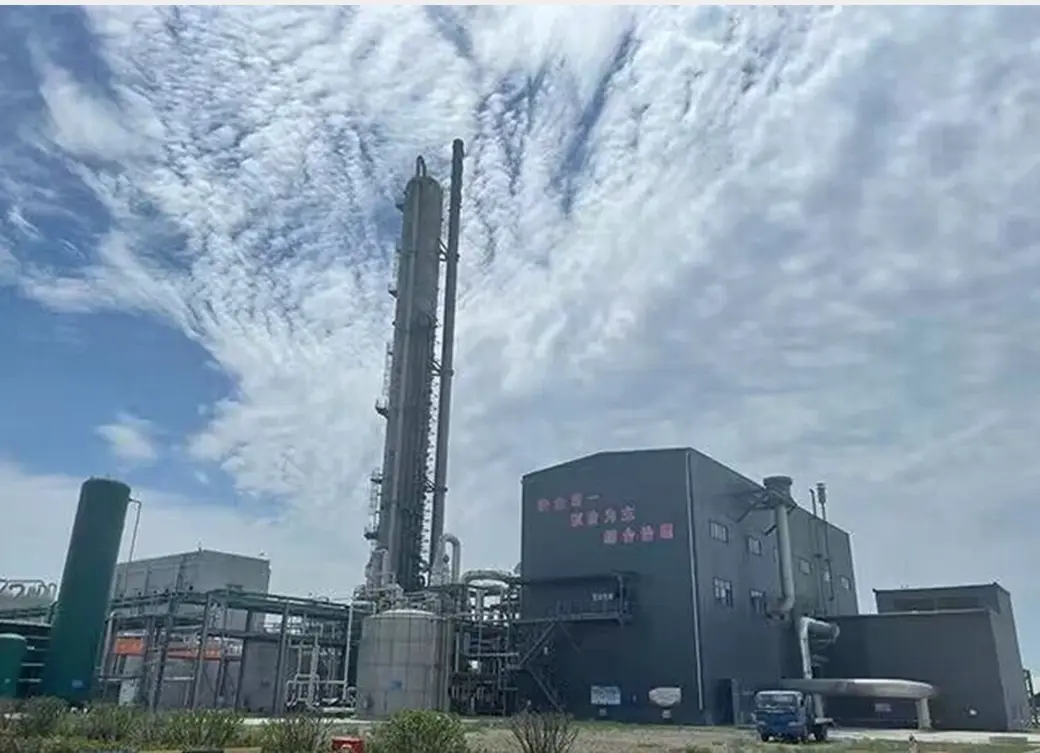
Driven since 2000, we have been committed to the entrepreneurial spirit and passion for innovation. Our team takes pride in delivering dependable products and services with a quality distinction in thermal energy storage & water-soluble fertilizer industries globally.
As a global leader in high-purity inorganic salt chemistry, Shanxi Vojin leverages advanced refinement processes to supply top-tier companies involved in CSP technology, industrial heat processes, and agricultural engineering. We ensure our materials meet the most stringent international quality, reliability, and environmental safety regulations.
View More DetailsExploring the diverse thermodynamic applications of high-purity nitrate salts in green energy transition and advanced manufacturing.
Utilized in solar tower and parabolic trough CSP plants to store megawatt-hours of heat, allowing electricity generation to continue through the night.
High-purity potassium nitrate acts as a critical agent in chemical glass strengthening processes for smartphones, tablets, and advanced flat displays.
Replaces traditional fossil-fuel combustion in industrial boilers, delivering high-temperature green process steam and facilitating low-emission coal gasification.
High-grade nitrates serve as primary elements in fully water-soluble fertilizers, ensuring rapid nutrient absorption, crop yield improvements, and soil health preservation.
Our years of manufacturing experience and refined products provide you with better performance
The continuous search for higher thermodynamic efficiency in CSP power plants is driving research into next-generation molten salt formulations. Currently, the industry standard relies on the binary eutectic solar salt mixture. However, this mixture faces two primary limitations: a relatively high freezing point (around 220°C) and an upper thermal stability limit of approximately 565°C. Operating below 220°C risks solidification within the receiver tubes, requiring expensive parasitic trace-heating systems. Conversely, exceeding 565°C causes chemical decomposition of the nitrate ions into nitrites and oxides, leading to material degradation and gas release.
To address these constraints, the technical roadmap of the industry is focused on three main research avenues:
As an advanced wholesale molten salt CSP supplier, Shanxi Vojin is actively investing in purification technology to meet these next-generation requirements. By minimizing moisture content and trace impurities, we provide solar developers with salts that offer higher thermal stability, lower corrosion rates, and longer operational lifetimes.
Why global CSP project developers and chemical purchasers trust Shanxi Vojin New Materials

Integrated experience in global exporting and shipping operations. We guarantee consistent material quality and compliance with international transport standards.
Massive annual production capacity of high-purity molten salts. This scale ensures stable pricing and fast delivery schedules for large-scale energy projects.
An experienced technical team provides on-site melting assistance, chemical composition analysis, and fast customer service responses.
We supply a comprehensive catalog of high-purity salts, including Potassium Nitrate (KNO3), Sodium Nitrate (NaNO3), Sodium Nitrite (NaNO2), and Calcium Nitrate, to meet diverse commercial specifications.
Stay updated with the latest technological developments and market insights from our chemical experts.
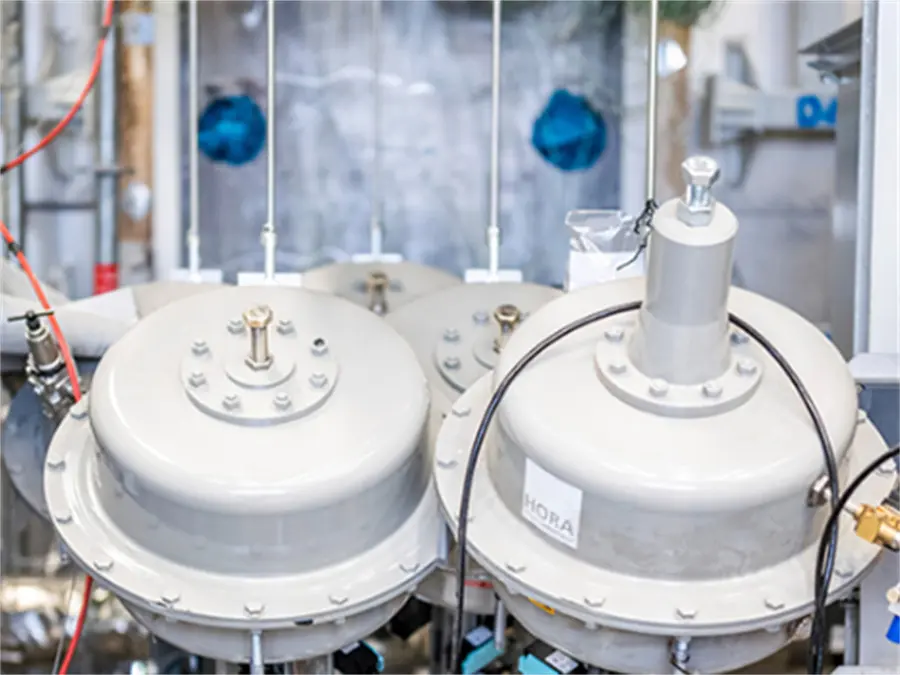
New molten salt technologies operate at higher temperatures, significantly improving the overall efficiency of CSP plants...
Read More →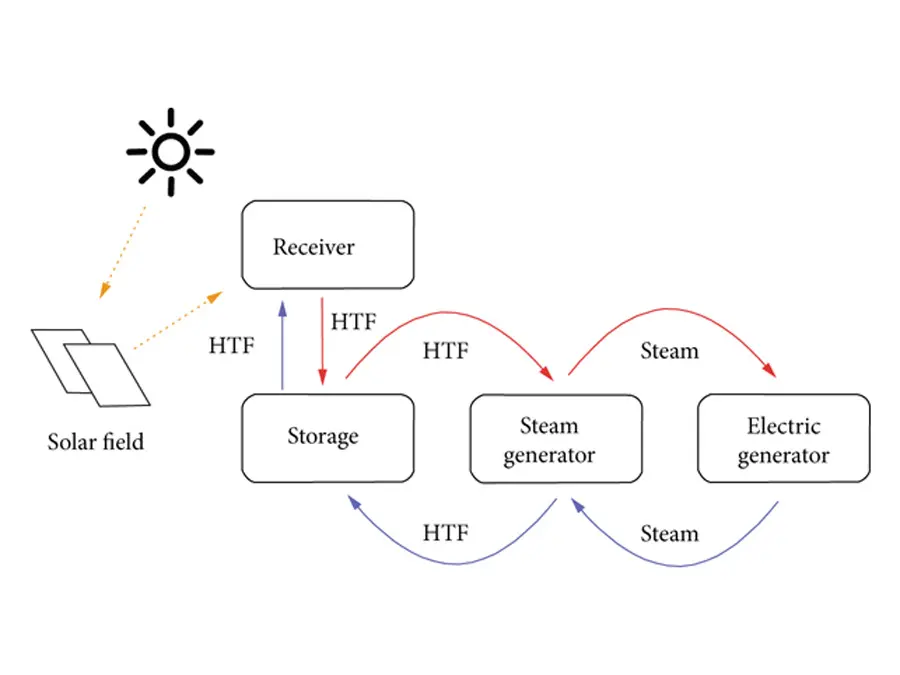
Concentrating solar power plants convert solar energy into dispatchable electricity using flexible molten salt loops...
Read More →
Thermal energy storage has emerged as a promising solution for enhancing grid stability and supporting wind and solar integration...
Read More →In-depth answers addressing key chemical and engineering questions for project developers, engineers, and procurement teams.
We work closely with leading engineering, procurement, and construction (EPC) firms and global industrial buyers.




Explore our full range of industrial chemicals, performance fertilizers, and mineral salts manufactured for global export.
 VOJIN
VOJIN