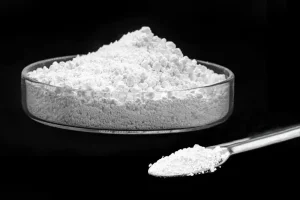
As the global energy landscape transitions toward zero-carbon architectures, the role of thermal energy storage (TES) has become critical in addressing grid instability and solar intermittency. Concentrated Solar Power (CSP) plants, industrial process steam networks, and grid-scale thermal storage units rely extensively on molten salt as both a heat transfer fluid (HTF) and a thermal storage medium. High-temperature performance, low volatility, chemical compatibility with containment metals, and high volumetric thermal density make binary and ternary nitrate salts the standard choice for modern utility-scale energy projects.
Understanding the dynamics of molten salt consumption involves evaluating chemical phase behaviors, thermal degradation pathways, and impurities mitigation. Standard "Solar Salt" composed of 60 wt% Sodium Nitrate (NaNO3) and 40 wt% Potassium Nitrate (KNO3) features a typical operating range from 290°C to 565°C. Selecting high-purity raw materials from reliable factories is vital to preventing premature system wear and maintaining operational efficiencies over lifetimes exceeding 25 years.
Thermal deterioration remains the dominant challenge in high-temperature molten salt applications. At temperatures exceeding 565°C, nitrates (NO3-) begin a slow equilibrium reaction decomposing into nitrites (NO2-) and oxygen gas. This equilibrium shifting can cause oxide precipitation, leading to increased viscosity and piping corrosion.
To push thermal thresholds beyond 600°C, research centers on optimizing salt mixtures and integrating additives. By introducing ternary systems such as Calcium Nitrate [Ca(NO3)2], the eutectic melting point of the mixture is lowered to ~130°C. Lowering the solidification temperature reduces parasitic electrical costs associated with freeze-protection heat tracing, offering a wider thermal operating envelope.
| Salt Formulation | Composition Ratio (wt%) | Melting Point (°C) | Max Operational Limit (°C) | Primary Application |
|---|---|---|---|---|
| Solar Salt (Binary) | 60% NaNO3 / 40% KNO3 | 220°C | 565°C | Commercial Tower & Trough CSP Plants |
| Hitec Salt (Ternary) | 7% NaNO3 / 53% KNO3 / 40% NaNO2 | 142°C | 454°C | Chemical Process Heat Transfer |
| Low-Melting Ternary | KNO3 / NaNO3 / Ca(NO3)2 | 133°C | 500°C | Next-Gen Solar Thermal Storage |
| Chloride Mixtures | NaCl / KCl / MgCl2 | 380°C | 800°C+ | Gen3 Concentrated Solar Power (Pilot) |
Molten salt technology is expanding beyond arid regions to key industrial zones globally:
Industrial, agricultural, and solar-grade nitrates formulated to international purity benchmarks.

High-efficiency, fully water-soluble compounds designed for modern drip-irrigation and foliar applications.
Secondary compounds and industrial refining outputs optimized for recycling and secondary metallurgy.
As a global manufacturer based in Shanxi, the industrial heartland of China's mineral and chemical reserves, Shanxi Vojin New Materials Co., Ltd. leverages a highly integrated vertical supply chain. The proximity to raw synthetic ammonia, nitric acid, and potassium carbonate reserves allows for secure and resilient raw material supplies.
Our manufacturing complex spans approximately 1000 acres and boasts an annual production capacity of 600,000 Tons of nitrates and molten salts. Integrating automated crystallization lines, dust-free packaging, and dedicated product transport, we ensure consistent physical and chemical qualities across batch operations.
Vojin New Materials meets global trade and safety compliance regulations. Our products carry ISO 9001:2015, ISO 14001:2015, and OHSAS 18001:2007 certifications. For shipments to the European Union and North America, we provide full REACH registrations, pre-registrations, and detailed safety data sheets (SDS) matching GHS standards.
Our logistics team coordinates with international ports, shipping in customized multi-layered 25kg, 1000kg, or bulk container bags to prevent moisture ingress. By maintaining logistics lines from Chinese factories to overseas terminals, we provide reliable freight scheduling for international capital-expenditure energy projects.
High-capacity binary nitrate salts storing energy at temperatures up to 565°C for utility-scale CSP grids.
High-purity potassium salts used in chemical strengthening glass formulations for displays.
Repurposed fossil fuel infrastructure converted into green steam-generation storage assets.
Highly soluble nitrate products supplying crop-ready nitrogen and potassium nutrients.
Established in 2010, Shanxi Vojin New Materials Co., Ltd. has focused on technological innovation in the thermal storage and soluble fertilizer sectors. Our facility in Shanxi spans over 1,000 acres, utilizing advanced automation and purification technologies to serve clients worldwide.
Vojin remains committed to delivering high-purity inorganic chemicals for the global transition to renewable energy. Our export experience spans 40+ countries and regions, ensuring on-time delivery, tailored formulations, and comprehensive technical support.
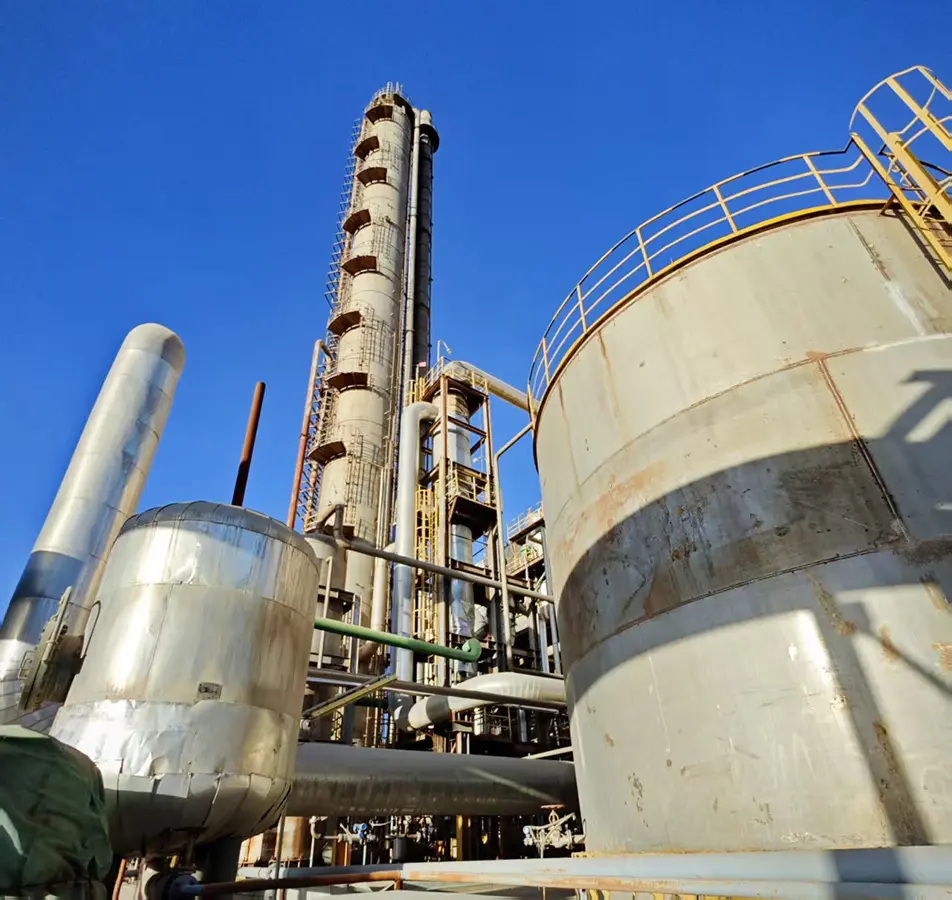
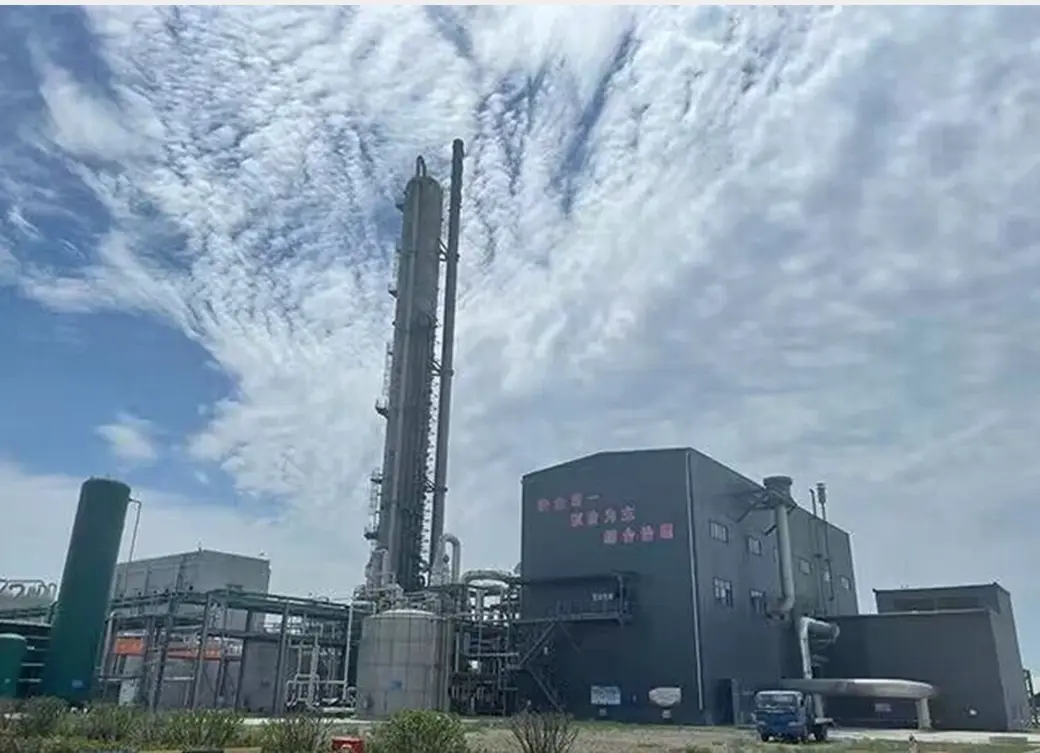
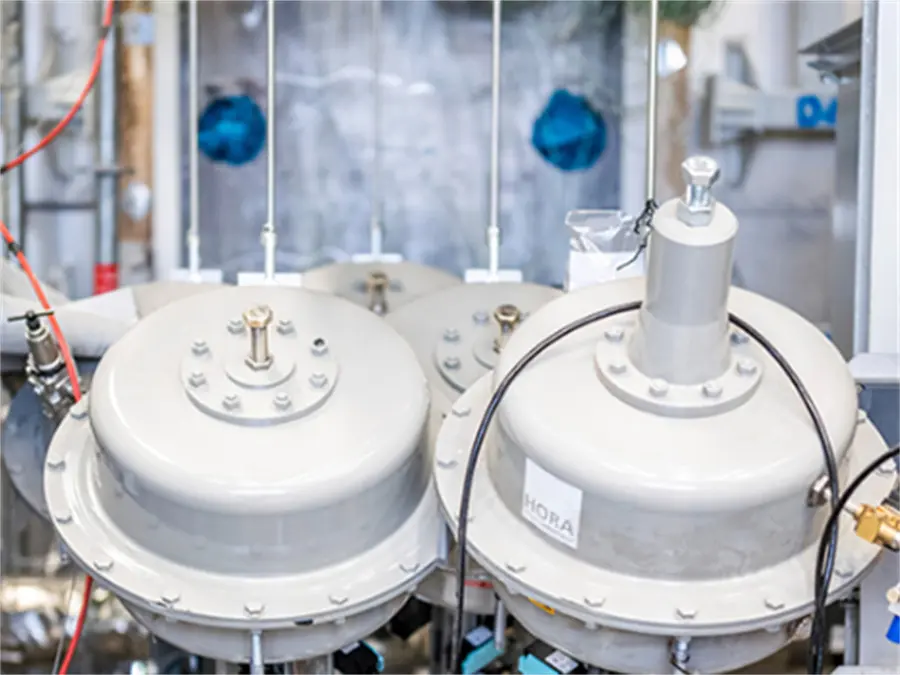
New molten salt formulations operating at higher temperatures improve energy conversion efficiency in thermal systems...
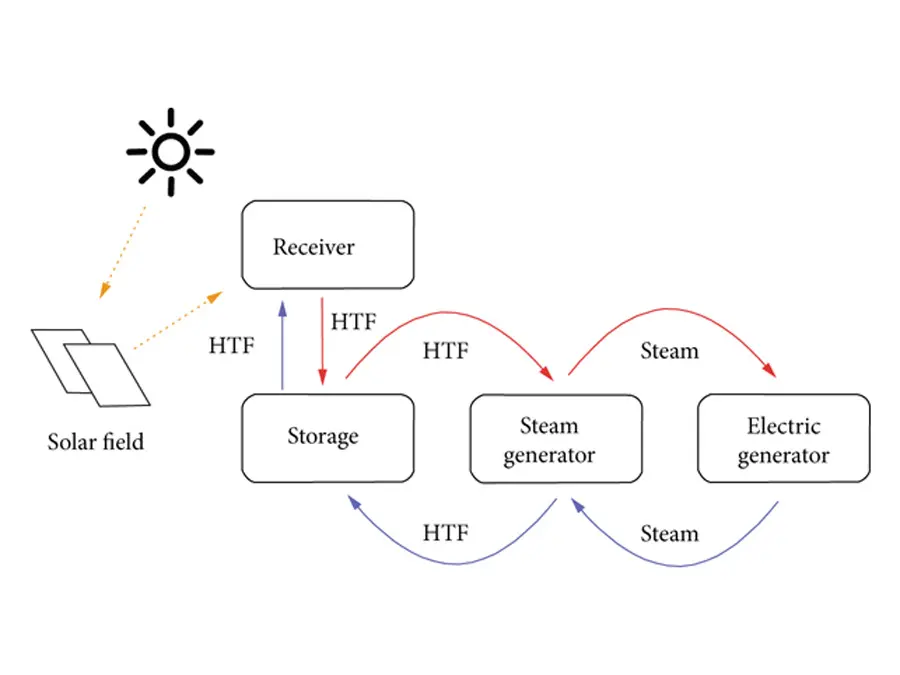
Concentrated solar thermal plants expand globally, relying on binary salt storage to deliver reliable base-load power...

Thermal energy storage provides a key solution for grid balancing as renewable generation capacity continues to scale...


 VOJIN
VOJIN