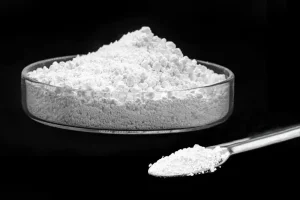
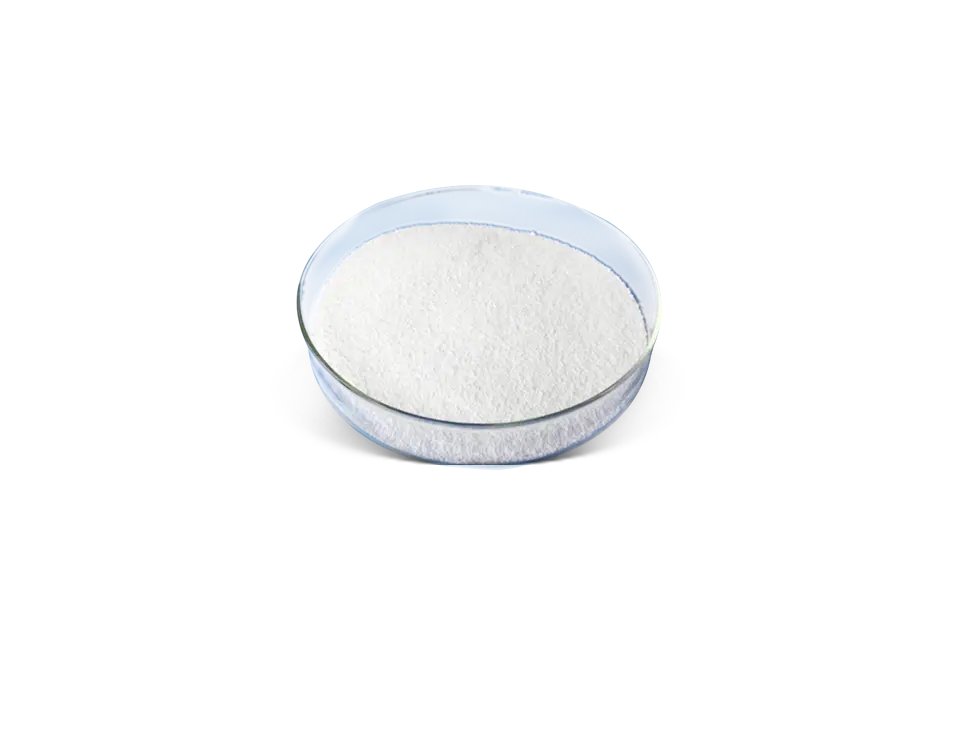
Explore our high-performance inorganic chemical series designed for solar thermal power plants, glass strengthening, and precision manufacturing.
An in-depth engineering review of molten salt formulations, mechanical challenges, and global procurement paradigms for high-temperature energy transfer.
As the global energy transition accelerates, Thermal Energy Storage (TES) has emerged as the critical link to bridging the intermittency of renewable energy sources. Molten salt, primarily consisting of binary nitrate formulations, represents the most commercially mature and technologically viable heat transfer fluid (HTF) and storage medium. This whitepaper systematically evaluates the performance characteristics, engineering design challenges, procurement parameters, and future prospects of molten salt systems, providing procurement executives and system designers with necessary insights for scale-up deployments.
The standard composition for commercial molten salt systems is referred to as "Solar Salt," a binary mixture of 60% Sodium Nitrate (NaNO3) and 40% Potassium Nitrate (KNO3). This eutectic and near-eutectic formulation optimizes the thermal parameters of the fluid, maintaining stability at extreme temperatures while mitigating the freezing point threshold. At high temperatures, the salt remains stable up to 565°C. Beyond this thermal threshold, nitrate compounds undergo thermal decomposition, evolving into nitrites and releasing oxygen gas, which requires careful control of the gas ullage within storage tanks.
A objective analysis of operating parameters, thermodynamic benefits, and system liabilities.
Understanding supply chains, quality certifications, and volume allocations for mega-scale industrial operations.
Deploying solar fields that focus sunlight to heat molten salt. This stores thermal energy that can run steam turbines continuously, even through the night.
Replacing fossil fuel boilers with electrical heaters and molten salt storage to supply constant process steam for chemical, paper, and food industries.
Maintaining high purity levels with minimal chloride, moisture, and sulfate content to prevent scaling, component corrosion, and performance drops.
When looking for wholesale molten salt suppliers, buyers must assess more than just pricing. Procurement evaluations must verify the manufacturer's capacity to deliver uniform chemical configurations. Shanxi Vojin New Materials Co., Ltd. produces high-grade materials with low moisture and trace impurities, which are crucial for minimizing corrosion in storage tanks, valves, and piping networks.
The industry is transitioning toward high-temperature operations to improve cycle efficiency. While conventional nitrate-based salts perform reliably up to 565°C, next-generation systems aim for 700°C+. To reach this, researchers are developing ternary formulations that add calcium nitrate, which lowers the freezing point and simplifies heat tracing. Additionally, chloride and carbonate-based salts are being explored to support operating temperatures above 800°C in future nuclear and hybrid solar facilities.
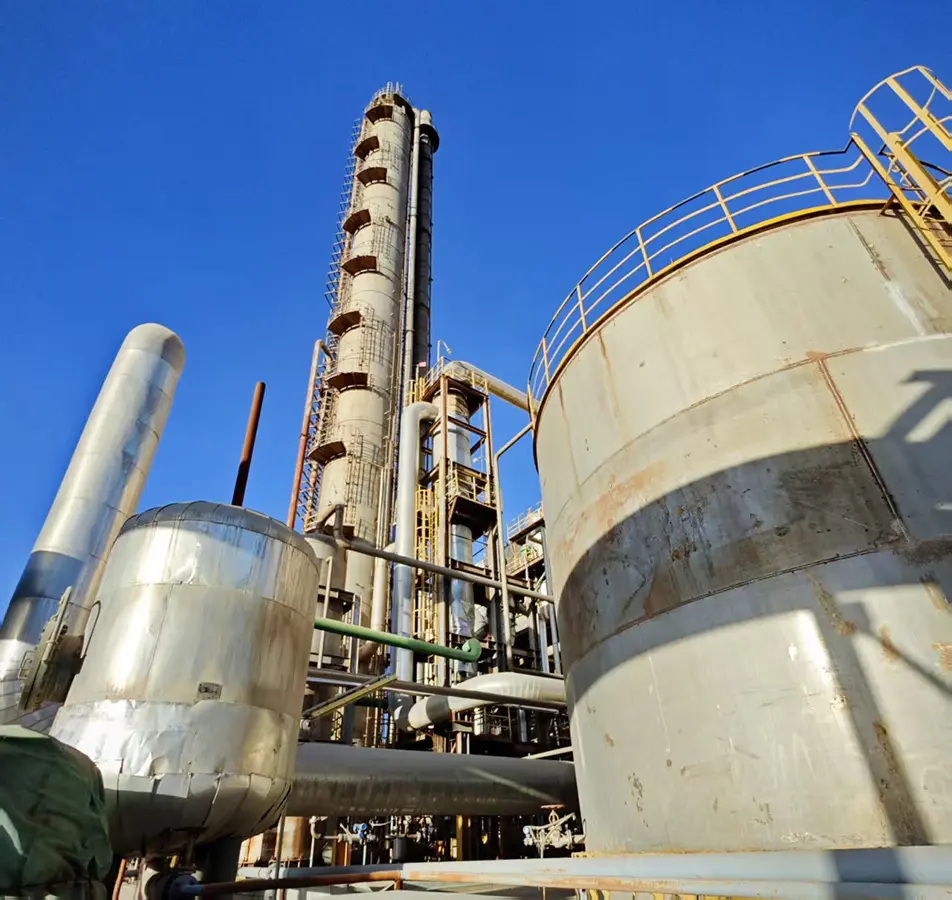
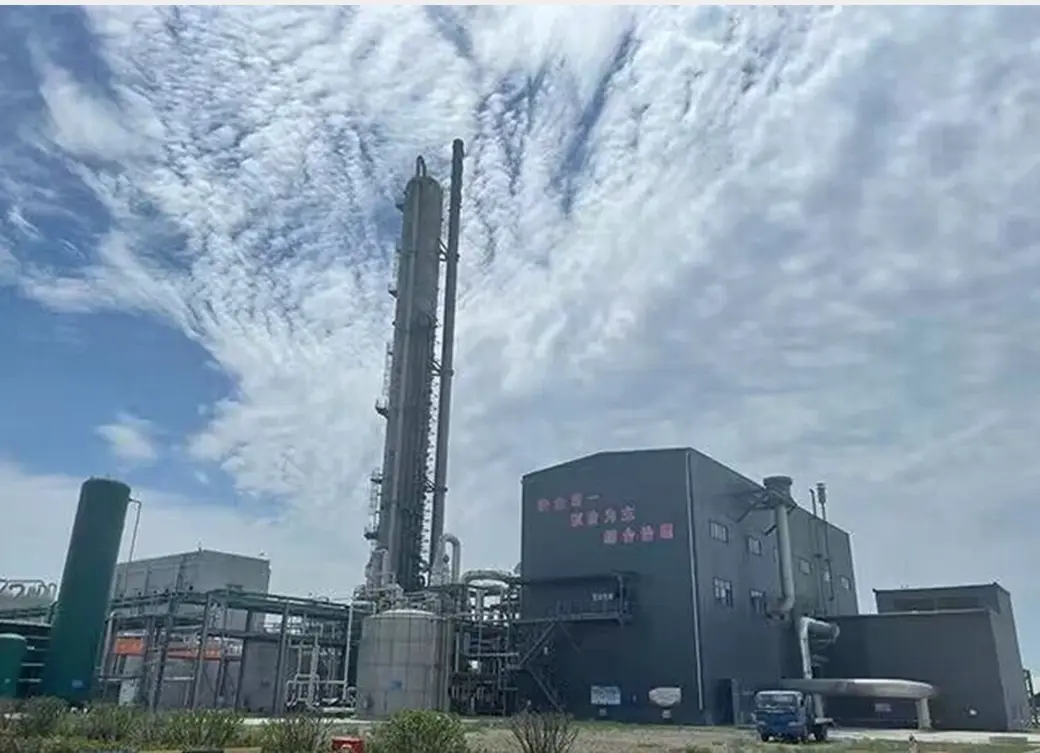
Driven since 2000, we have been committed to the entrepreneurial spirit and passion for innovation. Our team takes pride in delivering dependable products and services with a quality distinction in thermal energy storage & water-soluble fertilizer industries globally. We maintain strict control over our processing lines, ensuring every batch meets international purity standards.
Explore SolutionsOur molten salts and chemical products are designed to support a wide range of global industrial processes.
High-capacity heat storage media for utility-scale CSP power plants and grid balance.
VIEW MOREHigh-purity potassium nitrate used for chemical strengthening of screen glass.
VIEW MOREHigh-efficiency heat transfer fluids for process heating and thermal conversion.
VIEW MOREPremium fertilizer components for water-soluble crop nutrition systems.
VIEW MOREFrequently asked engineering, logistical, and procurement questions about molten salt operations.
Standard solar salt consists of 60% Sodium Nitrate (NaNO₃) and 40% Potassium Nitrate (KNO₃). This ratio provides a stable liquid range between 220°C and 565°C, making it suitable for concentrated solar power (CSP) and heat recovery applications.
Because molten salt solidifies at approximately 220°C, piping systems must feature continuous electric trace heating and high-efficiency insulation. Systems are designed to drain by gravity into insulated storage tanks during shutdowns or emergencies to prevent freezing in the lines.
For temperatures up to 400°C, carbon steel is acceptable. For temperatures between 400°C and 565°C, stainless steels (such as 321, 347, or 316H) and nickel-based alloys are required to resist high-temperature oxidation and chromium depletion.
Chlorides and moisture must be kept to trace levels. High chloride concentrations accelerate corrosion rates in stainless steel, while trace moisture increases the risks of steam generation, foaming, and accelerated metal degradation.
Yes, sodium and potassium nitrates are non-toxic, water-soluble compounds widely used in agricultural fertilizers. In the event of a leak, the salt solidifies quickly into a stable solid that is easy to collect mechanically without long-term environmental hazards.
We supply materials in standard 25 kg bags, 1-ton or 1.2-ton bulk bags, and customized bulk packaging. All packaging includes moisture barriers to protect the product during long-distance shipping and storage.
Stay updated on new technologies, chemical innovations, and international trade trends.
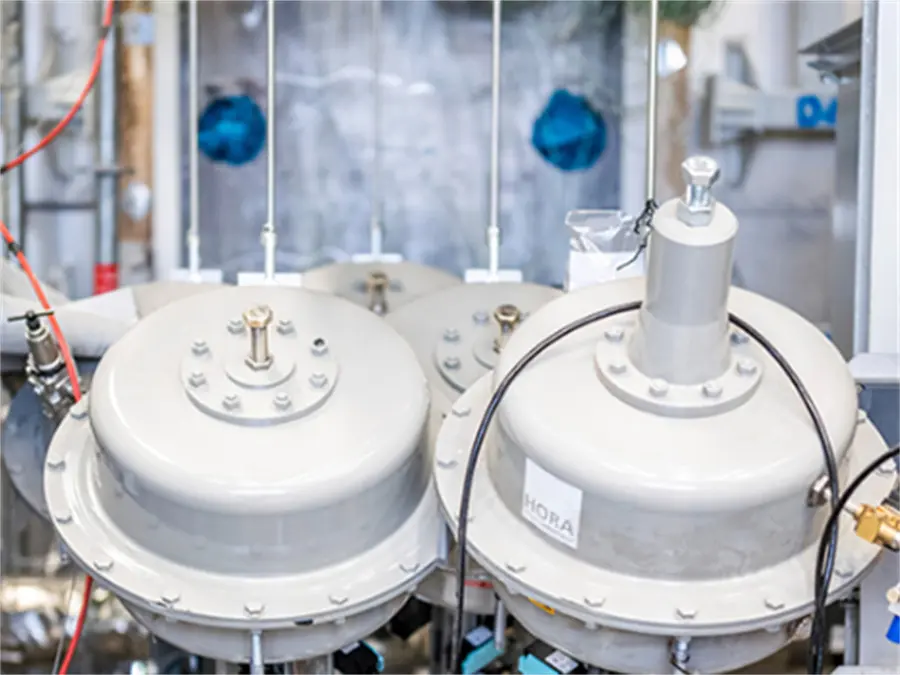
Recent improvements in chemical formulations allow systems to operate at higher temperatures, boosting the overall efficiency of CSP plants.
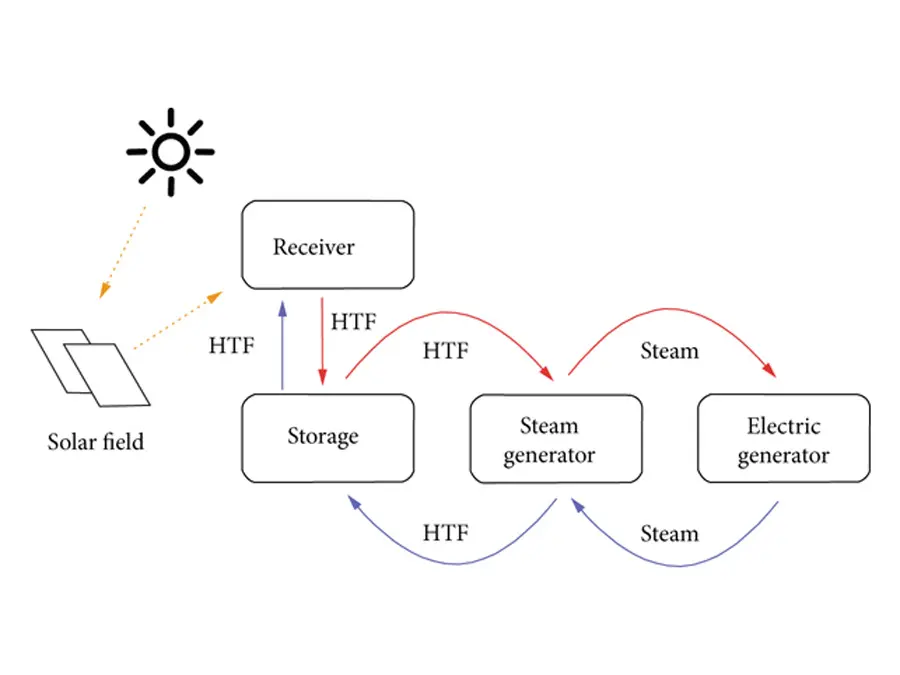
Concentrated solar plants convert solar energy into electricity. Modern designs rely on molten salts to provide steady heat even without direct sunlight.

Molten salt storage has emerged as a promising solution for improving grid efficiency and helping industries decarbonize their energy systems.
We work with leading energy and industrial companies worldwide to supply high-performance chemical materials.


Browse our catalog of industrial-grade chemical components for metal treatments, fertilizer formulations, and water treatment solutions.
Quick access to our main inorganic chemical compound series.
 VOJIN
VOJIN