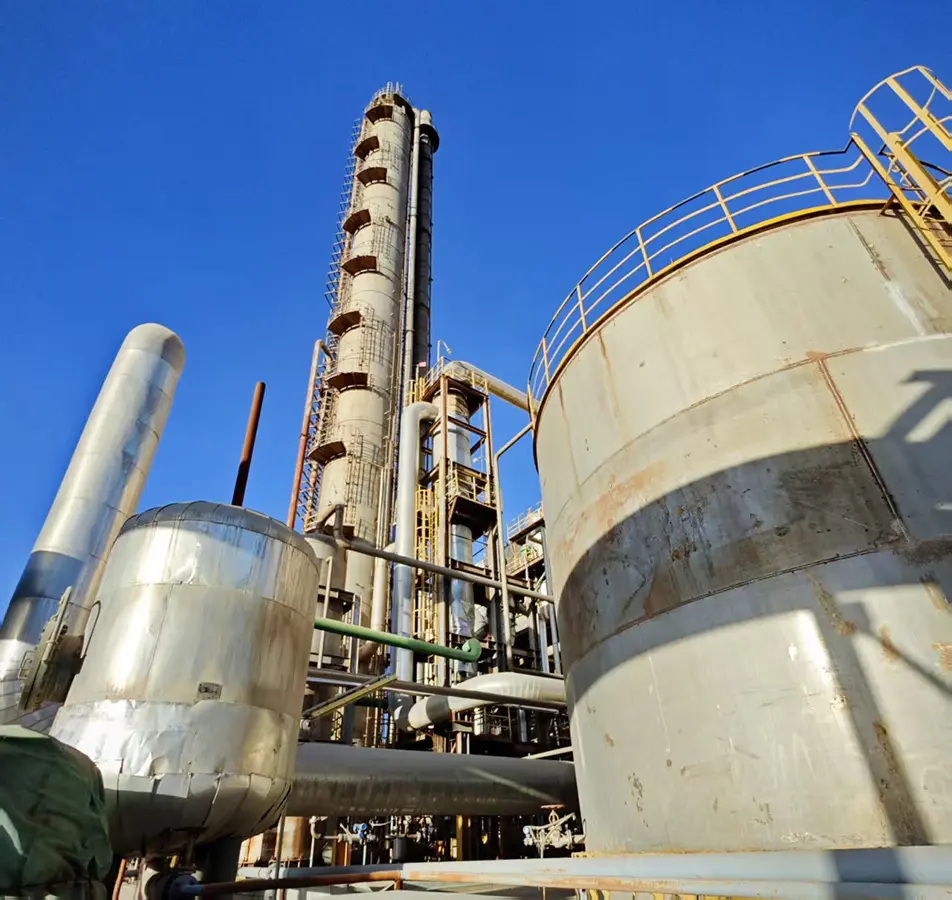
Browse our featured wholesale chemicals catalog, engineered for extreme purity and optimized industrial performance.
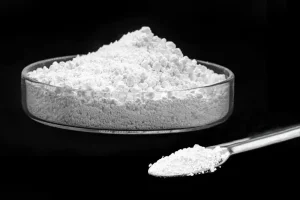
A comprehensive research analysis on Potassium Nitrate ($KNO_3$) logistics, supply demand cycles, and thermodynamic parameters.
Potassium Nitrate ($KNO_3$), colloquially referred to as saltpeter, is a multi-functional mineral compound that sits at the intersection of modern agricultural chemistry and cutting-edge clean energy storage. Globally, the demand for high-purity $KNO_3$ is growing at a compound annual growth rate (CAGR) of 4.5%, driven by the transition toward precision agriculture and solar thermal energy storage (CSP) infrastructure.
As a chlorine-free source of potassium and nitrogen, $KNO_3$ provides the crop with highly bioavailable macronutrients. Unlike potassium chloride ($KCl$), which can lead to chloride toxicity in sensitive high-value horticultural crops, Potassium Nitrate provides quick absorption without elevating soil salinity. In industrial sectors, its role as a molten salt component for Heat Transfer Fluids (HTFs) in Concentrated Solar Power (CSP) systems has positioned it as a strategic green transition chemical.
Key Market Driver: The global shift toward micro-irrigation and fertigation has magnified the demand for water-soluble fertilizers like $KNO_3$ that exhibit minimal heavy metal content and rapid dissolution kinetics.
Depending on the geographic region, target industry, and regulatory frameworks, Potassium Nitrate applications diverge into specialized sub-sectors:
In arid and semi-arid cultivation regions (such as the Mediterranean basin, Western US, and parts of Australia), water resources are tightly regulated. Farmers utilize automated drip irrigation systems (fertigation) to supply nutrients directly to root zones. Potassium Nitrate stands out due to its high solubility (316 g/L at 20°C) and neutral-to-slightly-acidic pH impact. It is heavily utilized on cash crops such as citrus fruits, tomatoes, tobacco, and berries, preventing physiological disorders like tip-burn and improving fruit size, shelf life, and sugar content.
Industrial solar arrays require reliable energy storage to maintain grid stability during non-solar hours. Synthetic binary molten salt systems composed of 60% Sodium Nitrate ($NaNO_3$) and 40% Potassium Nitrate ($KNO_3$) are used. This eutectic mixture has a high thermal capacity and works at temperatures up to 565°C without decomposing. This enables steam generator turbines to run continuously, providing clean base-load power to communities worldwide.
For mobile phone glass screens, automotive HUDs, and chemical-strengthened glass panels, high-purity industrial-grade $KNO_3$ serves as a source of potassium ions in the chemical strengthening bath. Through ion exchange, smaller sodium ions on the glass surface are replaced by larger potassium ions from the molten $KNO_3$ bath, building high compressive stress that boosts glass strength, scratch resistance, and drop protection.
Unrivaled production capacity and strategic sourcing advantages for enterprises worldwide.
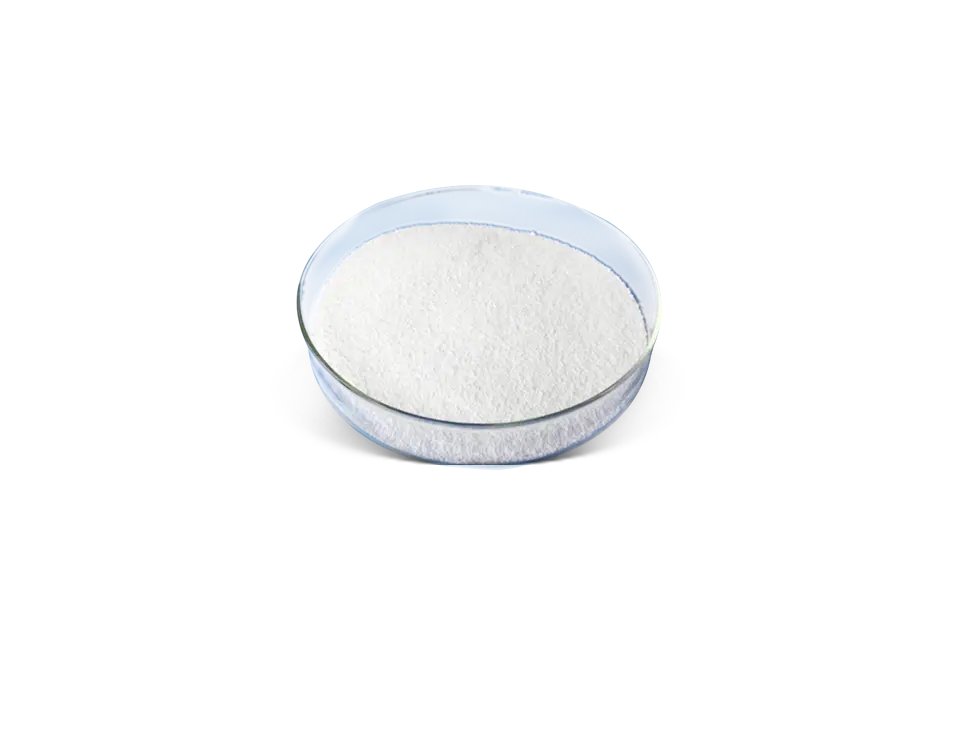
China represents the vanguard of modern industrial inorganic synthesis. At Shanxi Vojin New Materials Co., Ltd., our localization within Shanxi Province offers unprecedented geographic and raw material benefits. The regional abundance of nitrogen resources combined with modern synthetic technologies allows for continuous, high-efficiency production of potassium nitrate and sodium compounds.
The manufacturing process utilizes a double decomposition method ($NaNO_3 + KCl \rightarrow KNO_3 + NaCl$) or direct neutralization ($HNO_3 + KOH \rightarrow KNO_3 + H_2O$) under strict computerized automation. This guarantees high-purity crystals with minimized moisture absorption tendencies. By integrating large-scale production (600,000 tons annual capacity of molten salts), we absorb market fluctuations better than boutique Western processors. This translates to cost-saving opportunities and reliable lead times for international buyers.
| Specification Parameter | Agricultural Grade KNO3 | Industrial Grade KNO3 | Solar Thermal Grade (Molten Salt) |
|---|---|---|---|
| KNO3 Purity Min. | 99.0% | 99.7% | 99.85% |
| Potassium Oxide (K2O) | ≥ 46.0% | ≥ 46.2% | ≥ 46.4% |
| Nitrogen (N) | ≥ 13.5% | ≥ 13.7% | ≥ 13.8% |
| Moisture Content Max. | 0.10% | 0.05% | 0.03% |
| Chloride (Cl) Max. | ≤ 0.1% | ≤ 0.02% | ≤ 0.01% |
| Heavy Metals (as Pb) | ≤ 10 ppm | ≤ 5 ppm | ≤ 2 ppm |
International sourcing managers must evaluate technical and logistical factors to prevent supply chain bottlenecks. To maintain operational safety, B2B procurement of Potassium Nitrate must satisfy several strict requirements:
Why leading global corporations trust Shanxi Vojin New Materials Co., Ltd. for raw material security.

Integrated experience on exporting operation. Always assure your customers good quality.
Annual output 600,000 Ton Molten salts ensures large-scale contract fulfillment.
Experienced technology skill & service team. Quick response to our customers.
Multiple items for selection such as KNO3, NaNO3 to meet various needs of customers.
Delivering high-purity thermal and mineral inputs to heavy industries worldwide.
Looking toward 2030, the Potassium Nitrate market is adjusting to meet new environmental requirements and energy targets:
As global carbon pricing takes effect, major manufacturers are researching low-carbon synthetic routes. The traditional ammonia oxidation process (Ostwald process) releases $N_2O$, a potent greenhouse gas. By integrating high-efficiency catalytic decomposers and utilizing solar hydrogen inputs, Chinese factories are working to lower the carbon intensity of $KNO_3$ synthesis, helping global buyers meet Scope 3 emissions targets.
Modern farming is shifting away from uniform soil application toward computerized hydroponic control. This transition requires high-purity, fully water-soluble $KNO_3$ that is free from heavy metals. There is also rising demand for hybrid fertilizers that combine organic bio-stimulants, amino acids, and potassium nitrate to enhance root uptake and drought resistance.
As CSP plants scale up, the industry requires molten salts with lower chloride and carbonate content. High levels of these compounds accelerate thermal corrosion on stainless steel pipes and storage vessels. Vojin's R&D department is focused on producing ultra-high purity molten salts that extend solar thermal storage system lifetimes to over 30 years.
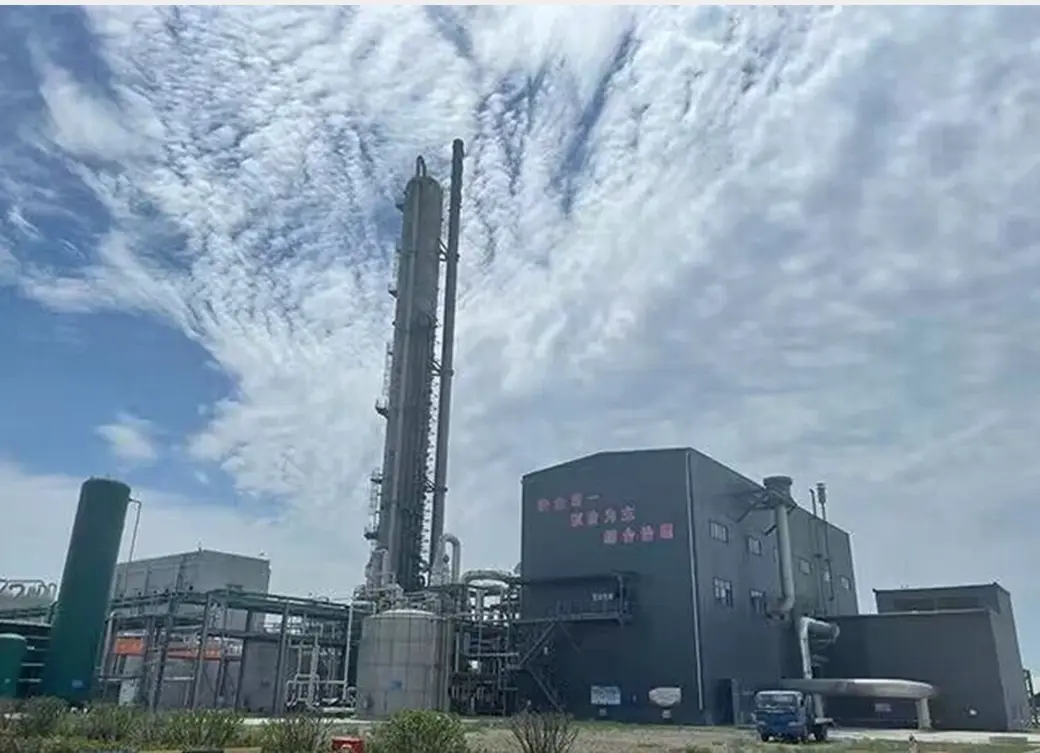
Driven since 2000, we have been committed to the entrepreneurial spirit and passion for innovation. Our team takes pride in delivering dependable products and services with a quality distinction in thermal energy storage & water-soluble fertilizer industries globally.
With decades of combined manufacturing expertise, modern ISO-compliant production facilities, and a dedicated team, we serve international companies in over 40 countries. We ensure high-quality chemical supplies and stable logistics support for our global partners.
Learn More →Stay informed with current updates on molten salt applications and renewable solar energy technology.
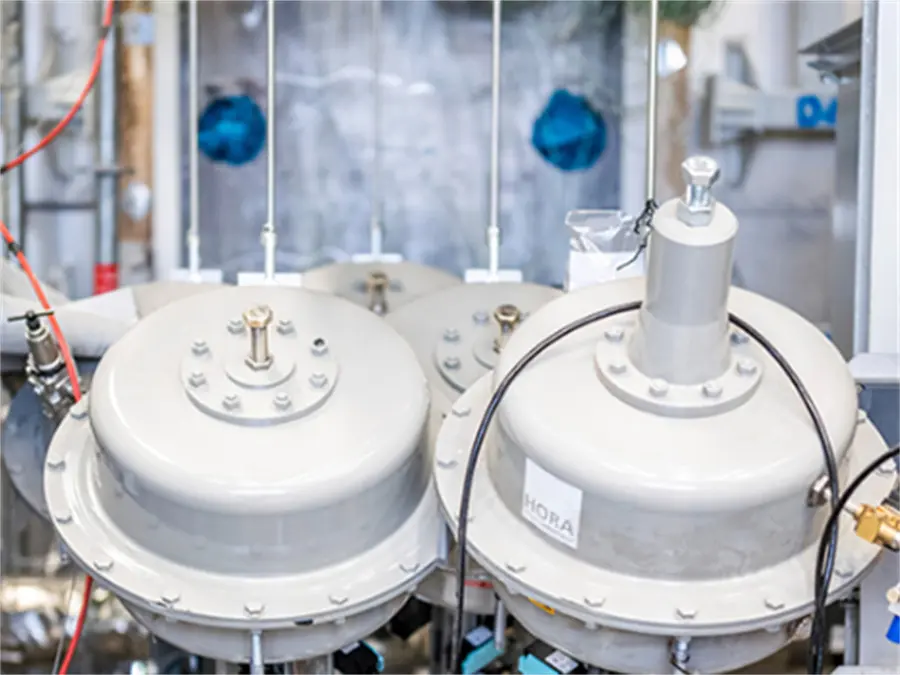
The technology can operate at higher temperatures, which has a positive impact on the efficiency of solar thermal storage projects.
Read More →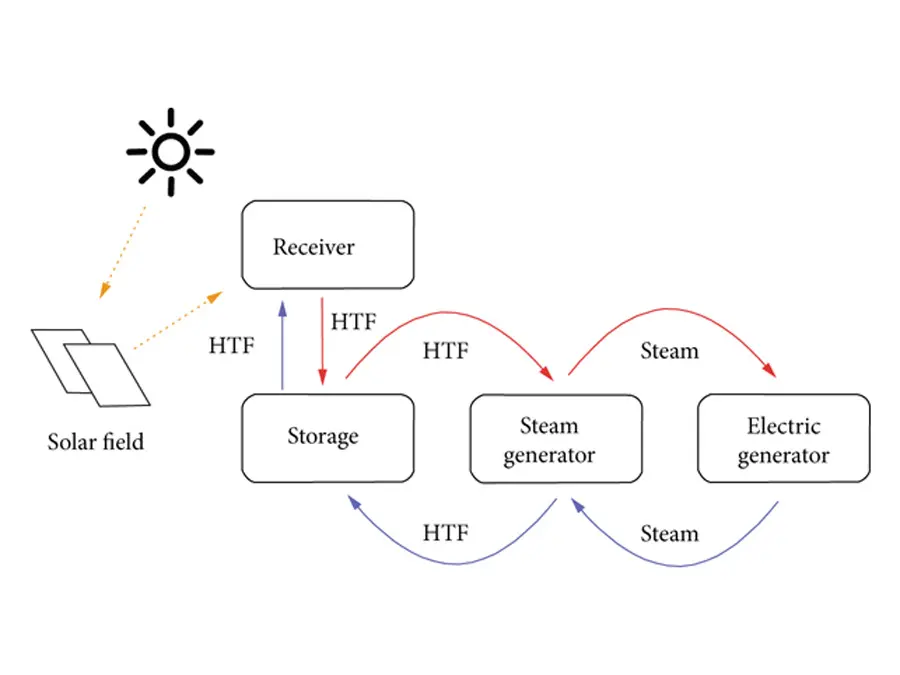
A concentrated solar power plant converts solar energy into electricity. It is based on advanced molten salt thermal cycles.
Read More →
Molten salt energy storage has emerged as a promising solution for enhancing the efficiency of modern renewable grids.
Read More →Expert answers to common questions about sourcing, safety, and applications of Potassium Nitrate ($KNO_3$).
Explore our complete catalog of industrial compounds, manufactured under strict quality controls.
We work closely with global industry leaders and distributors to support their chemical supply chains.


 VOJIN
VOJIN