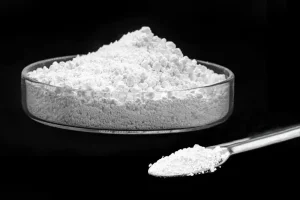
The global transition toward carbon neutrality has accelerated the development of Concentrated Solar Power (CSP) and Thermal Energy Storage (TES) systems. Central to these green technologies is the demand for highly efficient, stable, and cost-effective Heat Transfer Fluids (HTFs) and thermal storage media. Molten Salt Potassium Nitrate (KNO3), typically blended with Sodium Nitrate (NaNO3) in a binary formulation (commonly known as Solar Salt: 60% NaNO3 and 40% KNO3), has emerged as the global standard for high-temperature thermal energy storage.
With a melting point around 220°C and thermal stability reaching up to 565°C, this molten salt system provides the ideal thermodynamic profile for steam-driven power generation. However, the commercial viability of CSP plants relies heavily on the quality and chemical purity of the nitrate materials. Impurities such as chlorides (Cl-), sulfates (SO42-), and moisture significantly accelerate the corrosion of storage vessels, pipes, and heat exchangers. Consequently, finding a reliable manufacturer capable of delivering ultra-pure, low-impurity Molten Salt KNO3 at a global scale is critical for project developers and EPC contractors.
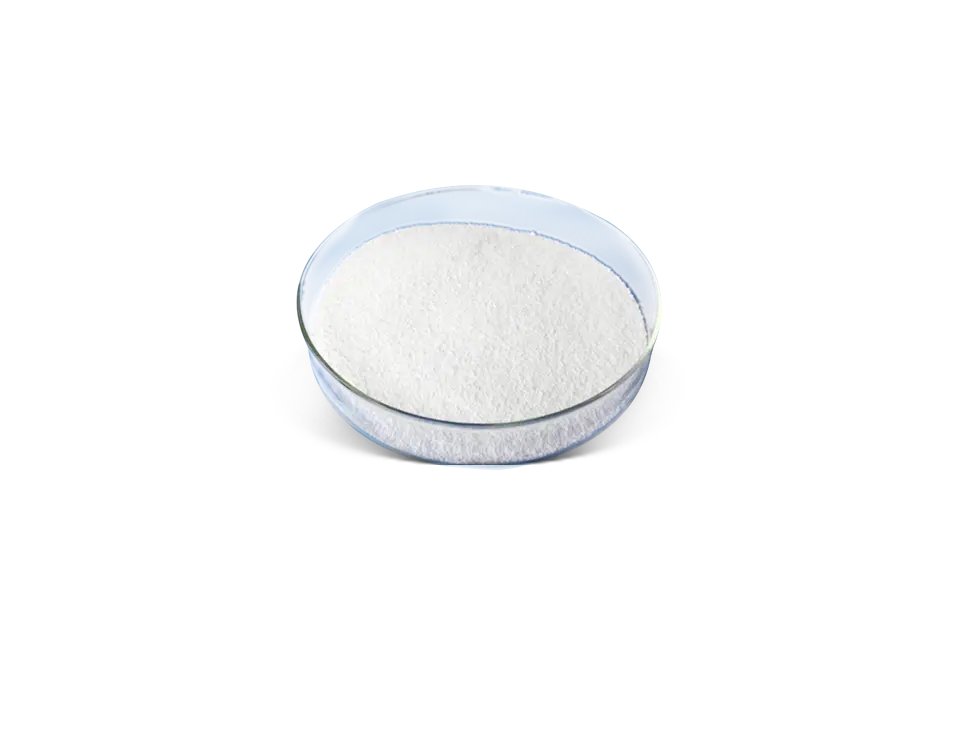
Ultra-pure potassium nitrate, sodium nitrate, and calcium nitrate for energy storage and glass industries.
View Series →
100% water-soluble fertilizers containing primary macro-nutrients and chelated trace elements.
View Series →
Specialty industrial salts and chemical derivatives optimized for distinct metallurgical and purification processes.
View Series →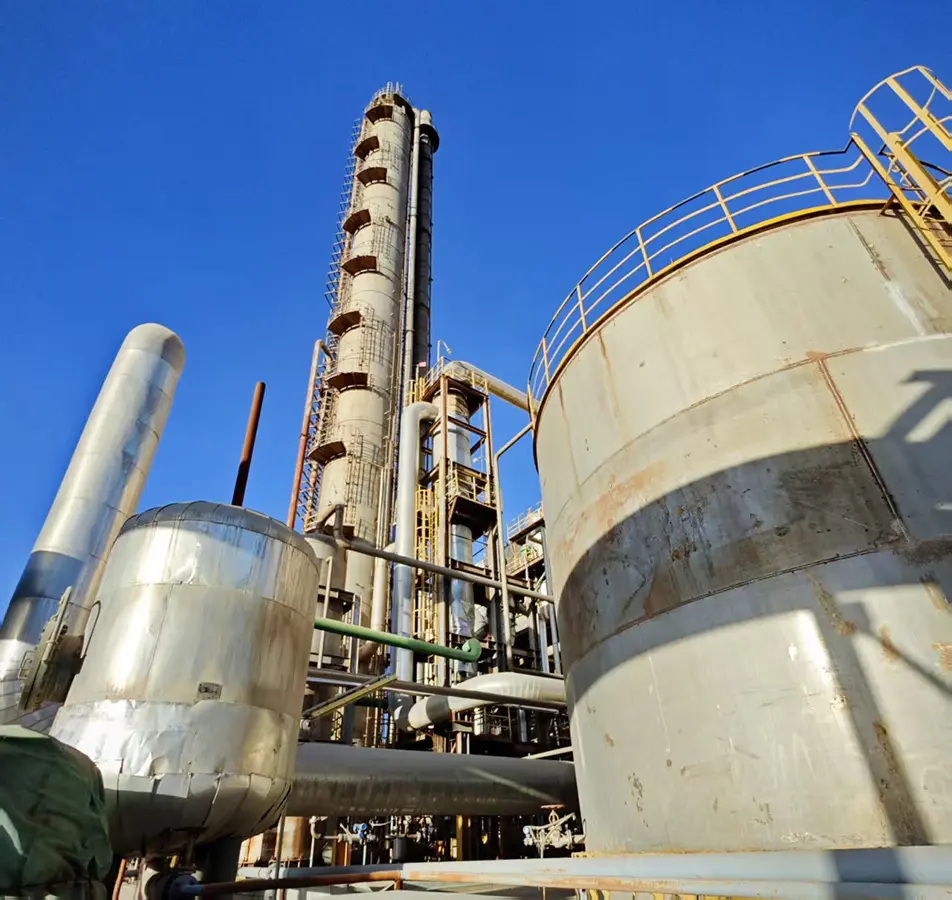
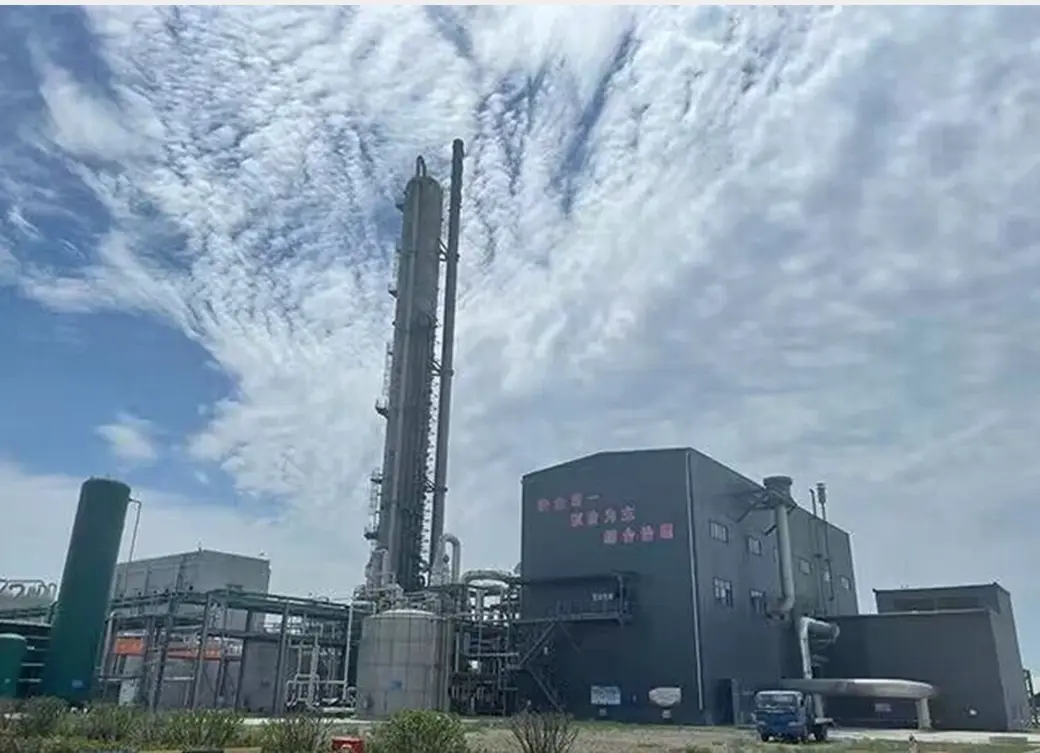
Driven since 2000, we have been committed to the entrepreneurial spirit and passion for innovation. Our team takes pride in delivering dependable products and services with a quality distinction in thermal energy storage & water-soluble fertilizer industries globally. By leveraging Shanxi's rich chemical resources and industrial infrastructure, we operate a production site covering approximately 1000 acres, realizing an annual production capacity of 600,000 tons of molten salts.
Learn More About Our TeamIntegrated experience on exporting operation. Always assure your customers good quality, compliant customs declarations, and optimal marine shipping rates.
Annual output of 600,000 Tons of molten salts. Enables us to fulfill large-scale orders for gigawatt-class solar thermal projects on time without delay.
Experienced technology skill & service team. Quick response to our customers' custom grain size requests, test certificates, and post-sale technical advisory.
Multiple items for selection such as high-purity KNO3, NaNO3, and custom ternary blends to meet various chemical and thermal requirements of different customers.
China's dominance in the inorganic salt industry, specifically in potassium and sodium nitrate chemistry, is built on solid fundamentals. Shanxi province stands as the heartland of China's nitrate manufacturing due to the vast reserves of raw inputs and coal-powered synthesis loops. By using advanced industrial production technologies, Chinese manufacturers can supply high-grade potassium nitrate at prices that western chemical firms struggle to match.
However, this competitive advantage is not based on cost alone. Shanxi Vojin New Materials has invested heavily in R&D to control purity metrics. Our state-of-the-art crystallization systems eliminate the presence of sodium, carbonate, sulfate, and organic carbon compounds, yielding an extremely stable potassium nitrate suitable for operating environments that exceed 500°C.
Standard agricultural potassium nitrate is unsuitable for thermal storage applications because it has high moisture and chloride levels. The table below lists the technical parameters required for thermal energy storage (TES) applications:
| Chemical Parameter | Agricultural Grade (Standard) | Industrial Grade (Typical) | Vojin Molten Salt Grade KNO3 |
|---|---|---|---|
| KNO3 Purity | ≥ 98.5% | ≥ 99.4% | ≥ 99.8% |
| Chloride (Cl-) | ≤ 0.1% - 0.3% | ≤ 0.03% (300 ppm) | ≤ 0.005% (50 ppm) |
| Moisture Content | ≤ 0.20% | ≤ 0.10% | ≤ 0.03% |
| Insolubles | ≤ 0.10% | ≤ 0.02% | ≤ 0.005% |
The presence of moisture in the salt mix causes gas emission and foaming during the initial melting phase. This can damage pumps and affect the thermal capacity of the system. Our proprietary hot-air fluidized bed drying process guarantees that Vojin Molten Salt Grade KNO3 is delivered with a moisture content of less than 0.03%.
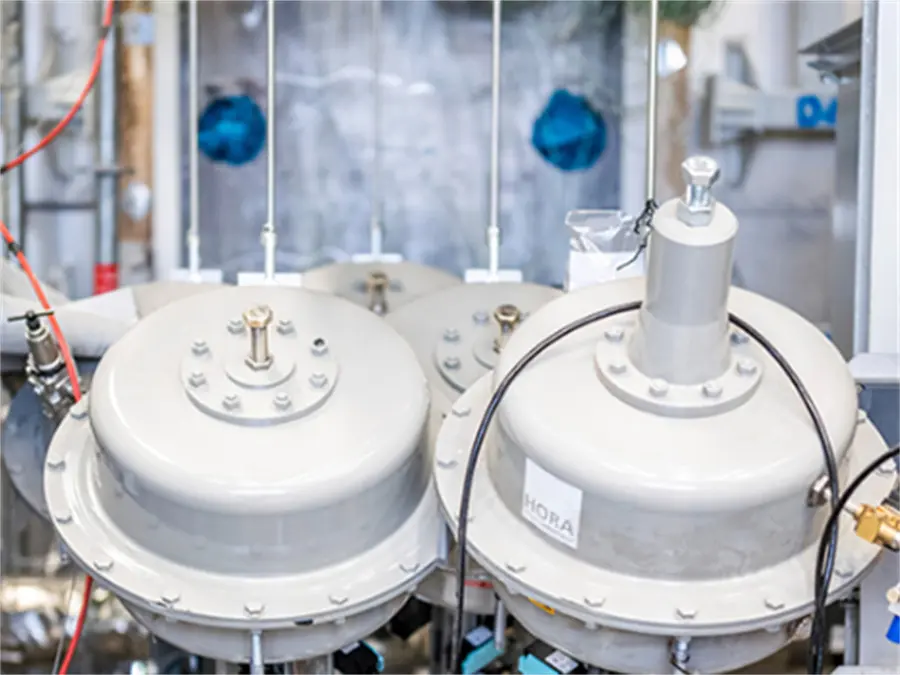
The technology can operate at higher temperatures, which has an impact on the efficiency of steam turbines...
Read Technical Paper →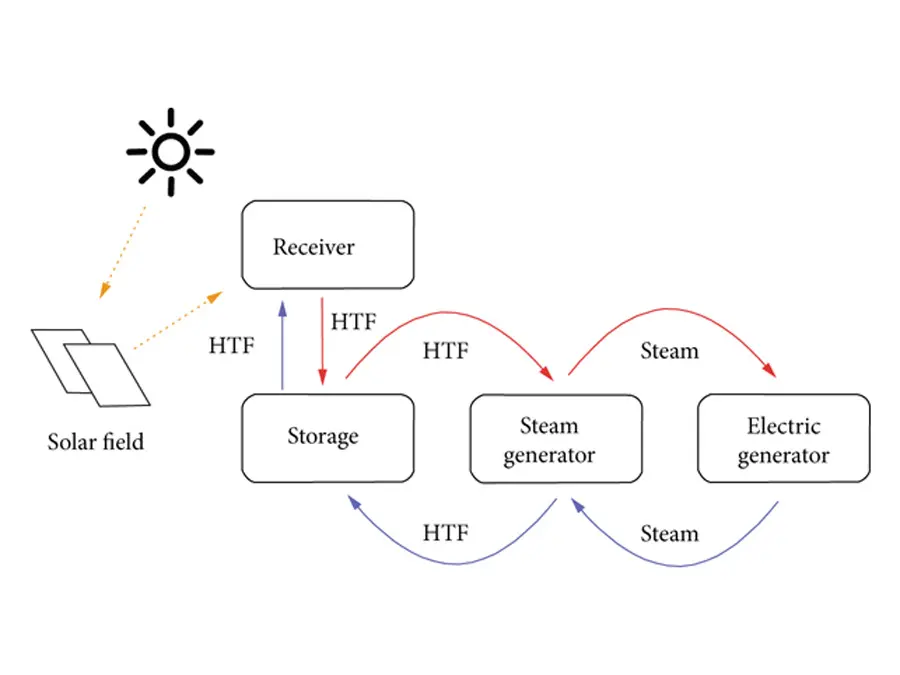
A concentrated solar power plant converts solar energy to electricity. It is based on advanced heat capture...
Read Technical Paper →
Molten salt energy storage has emerged as a promising solution for enhancing the efficiency of green grids...
Read Technical Paper →The global energy system faces a dual challenge: replacing fossil fuel power generation with wind and solar, and decarbonizing industrial process heat. While lithium-ion batteries are suitable for short-duration electrical storage (2 to 4 hours), they are cost-prohibitive and inefficient for large-scale heat storage. This is where thermal energy storage (TES) using molten nitrate salts offers a proven, cost-effective solution at utility scale.
In Solar Tower and Parabolic Trough CSP plants, mirrors concentrate sunlight to heat molten salt pumped from a "cold" tank (290°C) to a "hot" tank (565°C). The stored heat is then used to generate superheated steam, which drives a conventional turbine to produce electricity on demand—even long after the sun has set. This thermal energy storage capability makes CSP a valuable source of dispatchable clean power, helping grid operators manage the variability of solar and wind generation.
Governments worldwide are shutting down coal power plants to meet carbon reduction targets. Retrofitting these plants with molten salt thermal storage systems allows owners to reuse existing steam turbines, generators, and grid connections. By replacing the coal boiler with a molten salt thermal storage unit heated by excess renewable energy, coal plants can be converted into clean energy facilities, preserving jobs and capital investment.
Industries like chemical synthesis, paper manufacturing, metal processing, and food processing require large volumes of high-temperature steam. Using green electricity during off-peak hours to heat binary nitrate molten salts enables factories to store thermal energy for continuous use. This reduces reliance on natural gas and coal boilers, helping lower carbon emissions and energy costs.





Procuring molten salt for utility-scale energy projects is a complex process. A typical 100MW CSP project requires 30,000 to 50,000 tons of high-purity nitrate salts. Purchasing departments must evaluate suppliers based on raw material security, chemical consistency, packing moisture protection, and logistics experience.
Buyers should verify that the manufacturer can provide third-party analysis certificates (such as SGS, TUV, or Intertek) for every shipment. These tests should confirm that impurity levels, particularly chloride, sulfate, and moisture, meet the requirements of the project's steam generator warranties.
Because Potassium Nitrate is hygroscopic, moisture ingress during transit can lead to caking and increase melting energy requirements. Shanxi Vojin uses multi-layer PE/PP woven jumbo bags (1.0 to 1.25 metric tons) with an internal moisture barrier to keep the salt dry during long sea transits.
Shanxi Vojin's proximity to major northern Chinese shipping ports, such as Tianjin (Xingang) and Qingdao, ensures efficient domestic transport. This allows us to load and ship large cargo volumes quickly, helping buyers manage delivery schedules and reduce demurrage risks.
 VOJIN
VOJIN