Explore our premium selection of industrial and food-grade chemical salts, engineered for exceptional thermal stability and heat capacity.
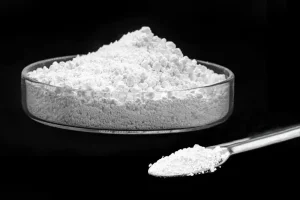
The global transition to renewable energy sources has catapulted Thermal Energy Storage (TES) technologies into the spotlight. Among the key solutions available, high-performance molten salt formulations stand out as the most commercially viable media for storing high-temperature heat. These formulations act as both heat transfer fluids (HTFs) and thermal storage media, playing a critical role in Concentrated Solar Power (CSP) plants, industrial process steam generation, and grid-scale storage systems.
Commercial molten salts are mostly composed of nitrate salt mixtures, primarily a binary formulation known as Solar Salt. This blend consists of 60% Sodium Nitrate (NaNO₃) and 40% Potassium Nitrate (KNO₃) by weight. With a melting point around 220°C and thermal stability up to 565°C, Solar Salt provides a wide operating window for steam generation cycles. However, as next-generation thermodynamic cycles demand higher temperatures and lower freezing risks, specialized formulations including ternary systems (Hitec and Hitec XL) and carbonate/chloride salts are seeing rapid development and deployment across global commercial markets.
The operational lifespan and thermal efficiency of a solar thermal plant are heavily dependent on the chemical purity of the molten salt. Trace impurities like chlorides, sulfates, and moisture can cause severe corrosion in stainless steel storage tanks and piping networks. Our research shows that reducing chloride impurities to less than 100 ppm dramatically decreases the rate of stress corrosion cracking (SCC).
Additionally, controlling the precise ratio of the formulation ensures the mixture remains within its eutectic parameters, avoiding premature crystallization. This level of quality management is why global energy firms trust specialized manufacturers who have complete control over raw material refining and blending processes.
How Chinese manufacturers combine natural mineral reserves, integrated processes, and massive scale to deliver high-purity molten salts globally.
China's position as the leading supplier of molten salt formulations is built on several key structural advantages. The integration of upstream mining of raw potassium and sodium minerals with advanced chemical processing plants allows Chinese factories to maintain a reliable raw material flow. Shanxi Vojin New Materials, located in China's major chemical production basin, leverages this supply chain to process raw materials directly into high-purity nitrate salts.
Our factory utilizes state-of-the-art fractional recrystallization systems to wash out trace halides, keeping moisture levels below 0.05% and chloride levels below 100 ppm. This quality control, combined with the cost efficiency of large-scale operations, enables global procurement agents to secure premium solar-grade salts at competitive prices, significantly lowering the capital expenditure (CAPEX) of major CSP projects.
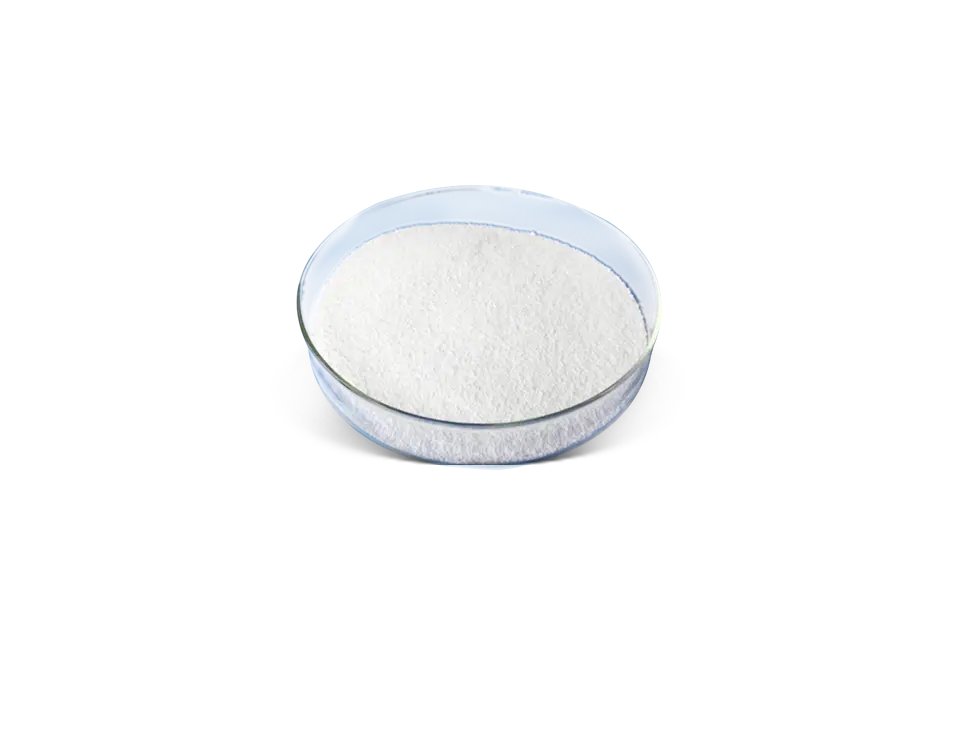
Ultra-pure potassium nitrate, sodium nitrate, and calcium nitrate formulations for solar energy storage and industrial tempering.
View Nitrate Solutions
Fully water-soluble, chloride-free agricultural fertilizers designed for high-efficiency drip irrigation systems.
View Fertilizer Solutions
Industrial-grade co-products and chemical formulations optimized for secondary manufacturing applications.
View Industrial ProductsOur high-performance thermal formulations are engineered for demanding industries worldwide.
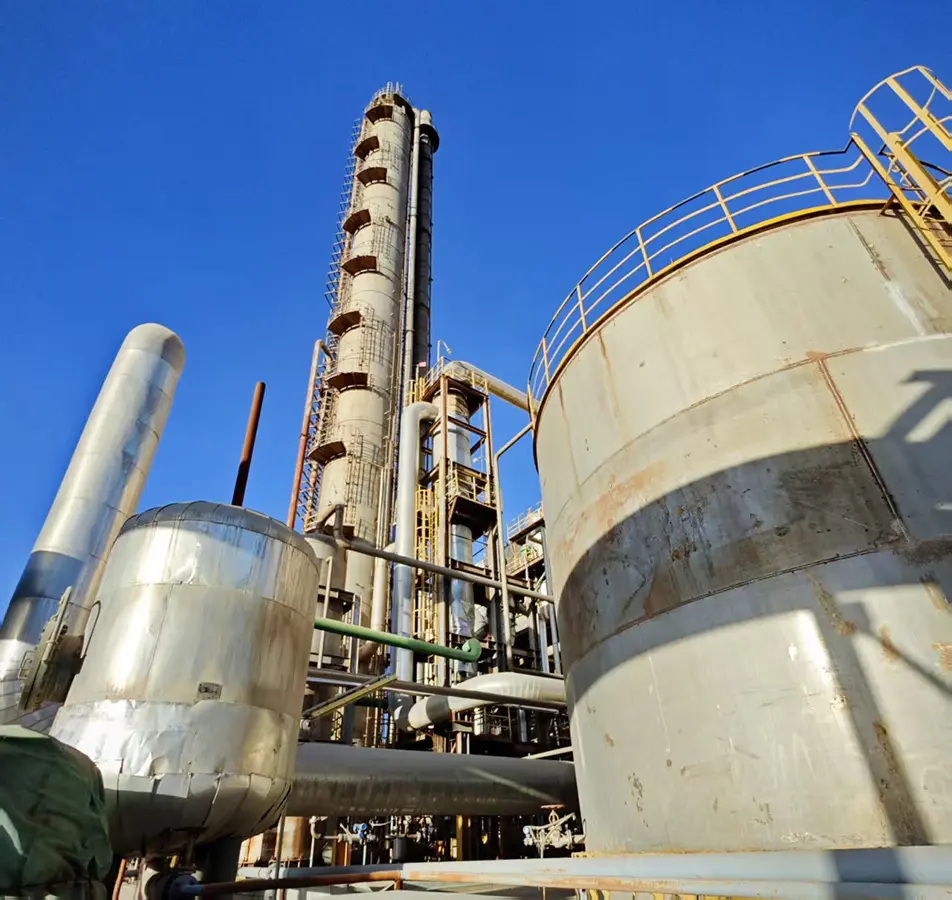
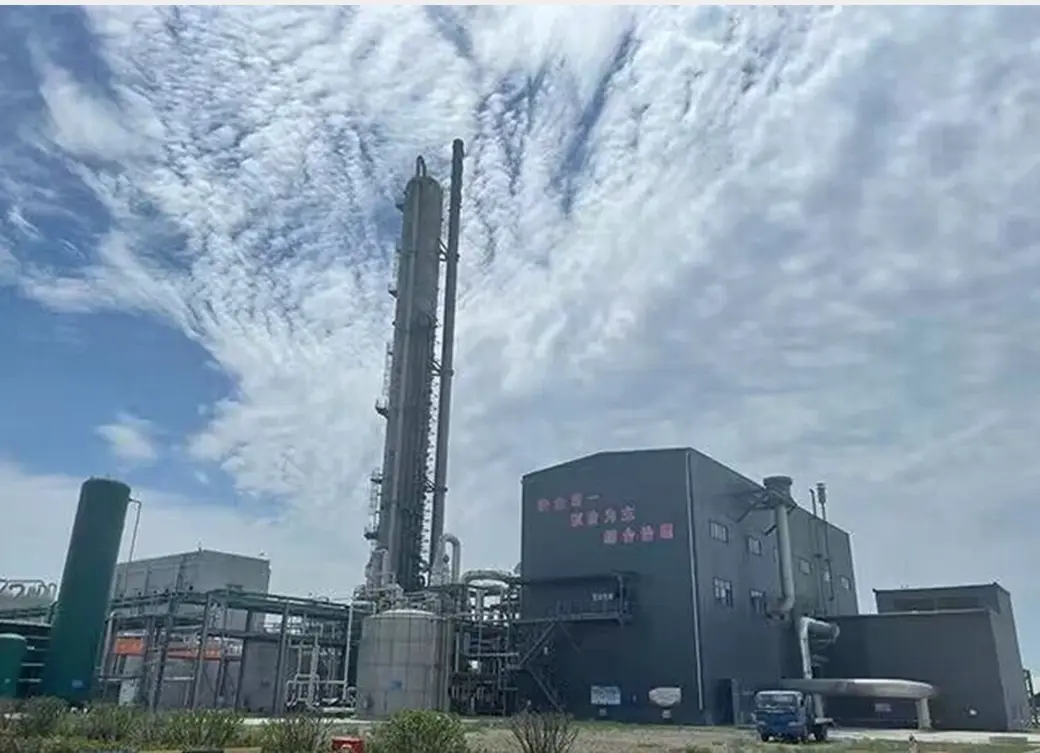
Driven since 2000, we have been committed to the entrepreneurial spirit and passion for innovation. Our team takes pride in delivering dependable products and services with a quality distinction in thermal energy storage & water-soluble fertilizer industries globally. Our production lines combine automated synthesis and strict quality control, ensuring every batch meets the requirements of international energy projects and advanced industrial users.
Headquartered in Shanxi, China, our team maintains relationships with EPC contractors, chemical distributors, and agricultural buyers across Europe, the Americas, the Middle East, and Asia-Pacific. We continue to invest in R&D to optimize ternary and quaternary molten salt formulations for the next generation of renewable energy systems.
Why global energy developers and chemical distributors select us as their long-term supply partner.

Integrated experience in global shipping operations. We ensure hassle-free custom clearance and delivery for our customers.
An annual output of 600,000 tons of high-purity molten salts, providing supply security for large projects.
Our experienced engineering team supports clients through formulation adjustments, chemical testing, and logistics packaging.
Multiple key precursors including KNO₃, NaNO₃, and Carbonates to meet diverse industrial and agricultural requirements.
Stay updated with the latest research, market developments, and technical advancements in molten salt applications.
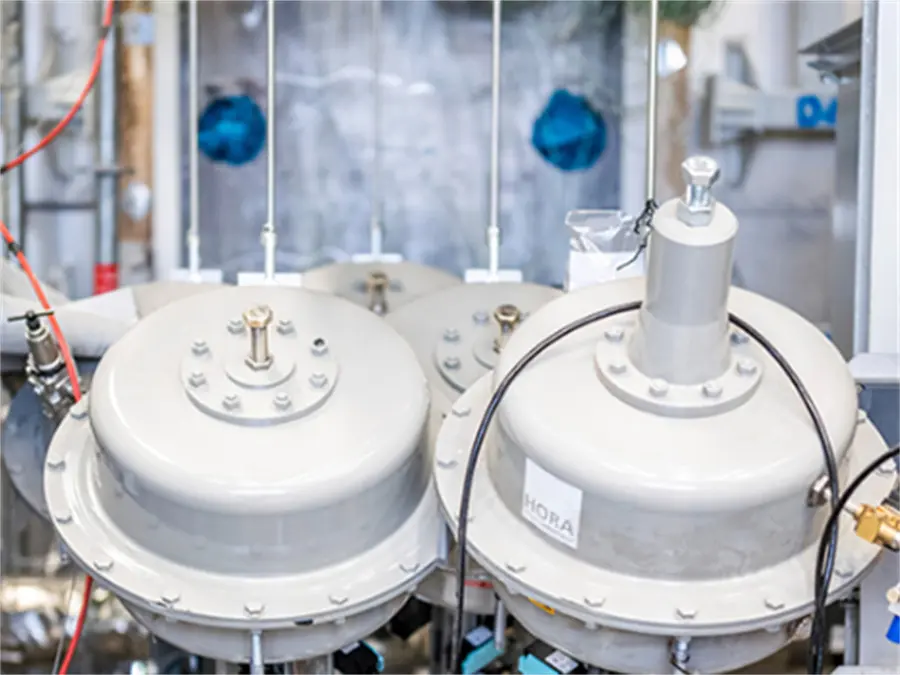
Modern solar energy technology can operate at higher temperatures, which directly improves the thermodynamic efficiency of power plants.
Read More →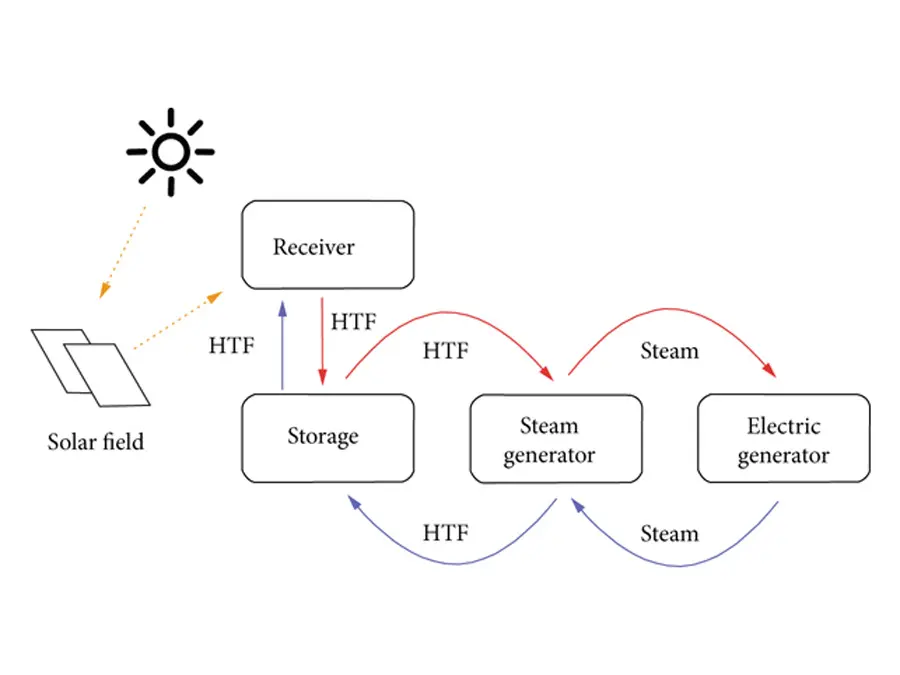
A concentrated solar power (CSP) plant converts solar energy into electricity. By utilizing high-capacity binary nitrate salts, CSP plants can generate power around the clock.
Read More →
Molten salt energy storage has emerged as a promising solution for improving grid stability and integrating wind and solar energy into industrial heating processes.
Read More →Technical answers regarding chemistry, quality standards, and logistics for our molten salt formulations.
The standard commercial Solar Salt formulation is a binary eutectic mixture containing 60% Sodium Nitrate (NaNO₃) and 40% Potassium Nitrate (KNO₃) by weight. This specific ratio provides an optimal balance, achieving a melting point of approximately 220°C (428°F) and maintaining thermal stability up to 565°C (1049°F), which matches the requirements of modern steam turbine cycles in CSP towers.
Impurities are the primary cause of corrosion in molten salt containment systems. Chloride (Cl⁻) and Sulfate (SO₄²⁻) ions accelerate hot corrosion and stress corrosion cracking in stainless steel alloys (such as 347H and 321) at temperatures above 500°C. Keeping chloride content below 100 ppm is critical to extending the operational lifespan of the plant's heat exchangers and storage tanks beyond 25 years.
Solar Salt is a binary mixture (60% NaNO₃ / 40% KNO₃) with an operating temperature range of 220°C to 565°C. Hitec salt is a ternary eutectic mixture composed of 53% KNO₃, 40% NaNO₂ (Sodium Nitrite), and 7% NaNO₃. Hitec salt has a lower melting point of 142°C (288°F), which reduces the risk of crystallization in the piping network, but its maximum operating temperature is limited to around 450°C–538°C due to nitrite decomposition.
Moisture content in solar-grade salts must be kept below 0.05% to prevent steam generation and chemical hydrolysis within the tanks. Our facility uses mechanical dehydration and packaging systems. The finished salts are sealed in double-layered, moisture-proof bulk bags (1.0 to 1.25 metric tons) with hermetic liners. This prevents moisture absorption and caking during ocean transit and long-term storage.
No. Agricultural-grade nitrates contain anti-caking agents, organic residues, and high levels of chloride and sulfate impurities. Using agricultural-grade salts in high-temperature solar applications would lead to equipment corrosion, foaming within the salt tanks, and rapid chemical decomposition. Solar-grade applications require high-purity chemical refining.
We cooperate with international distributors and engineering groups to deliver consistent quality.



Our chemical solutions are optimized for thermal energy storage, glass strengthening, and industrial processes.
 VOJIN
VOJIN