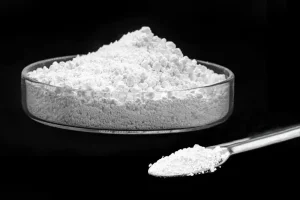
Premium Chemical Formulations Optimized for Thermal Conductivity, Precision Glass Chemical Strengthening, and Agricultural Utilities
Strategic chemical supplies engineered to facilitate reliable heat transfer and thermal storage operations
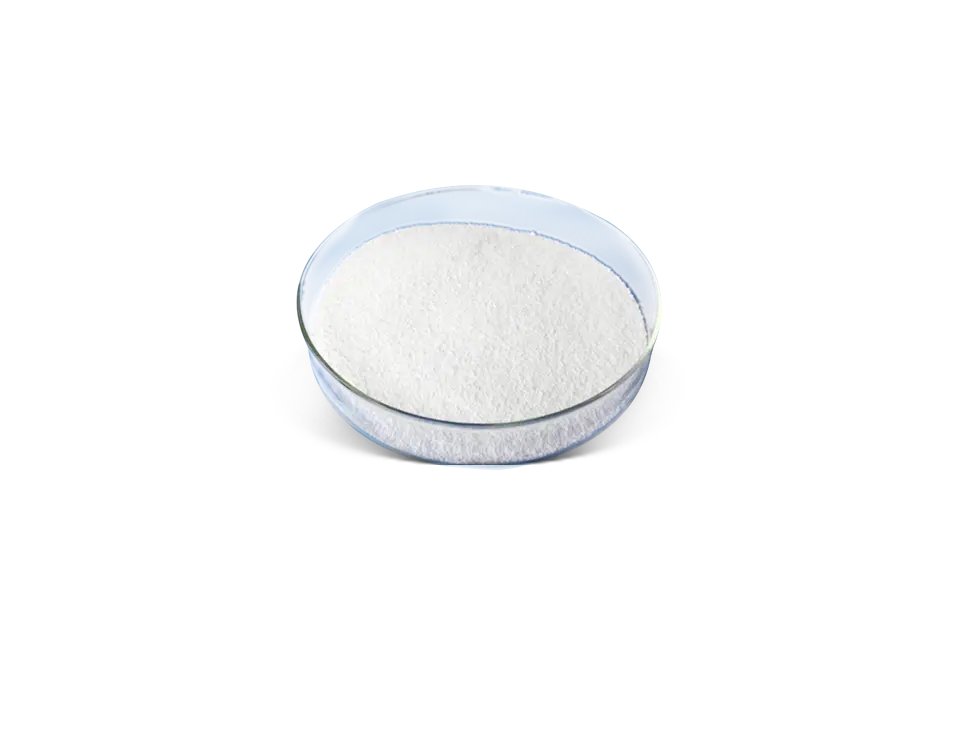
High purity sodium nitrate, potassium nitrate, and customized binary solar salt formulations designed for maximum thermal conductivity and minimum corrosion limits.
View More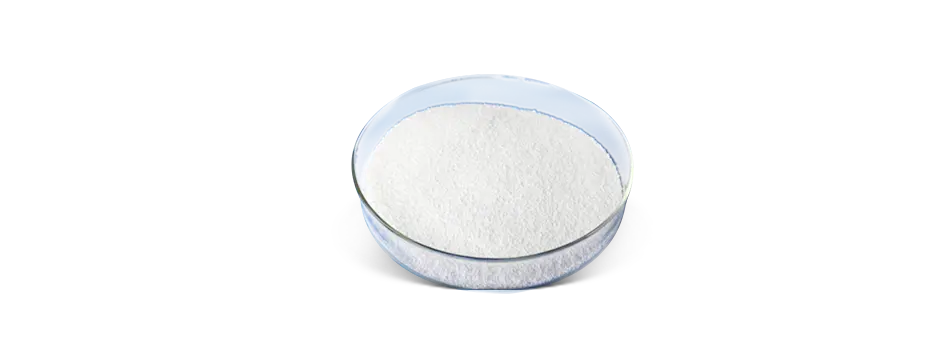
Advanced agricultural solutions including high-purity water-soluble potassium and calcium nitrogen matrices for maximum soil absorption and modern hydroponics.
View More
Secondary high-efficiency industrial inorganic compounds processed under rigorous quality control standards to deliver superior reliability across manufacturing applications.
View MoreMolten salts represent one of the most effective media for high-temperature heat transfer and sensible thermal energy storage (TES) globally. The performance of these inorganic salts in Concentrated Solar Power (CSP) plants, chemical process heating, and advanced nuclear reactors is governed by two critical physical properties: thermal conductivity and electrical conductivity.
The term "molten salt conductivity" encompasses both the rate of heat transport through the liquid matrix (thermal conductivity, λ) and the transport of electric charge via ionic migration (electrical conductivity, σ). In molten nitrate mixtures (typically 60% NaNO3 and 40% KNO3, commonly known as Binary Solar Salt), the electrical conductivity is highly sensitive to the temperature and chemical purity of the salt bath. This electrical conductivity profile serves as a direct proxy for monitoring the chemical composition, thermal degradation, and contamination levels within large-scale industrial systems.
From a molecular perspective, ionic transport in a molten state follows the Arrhenius model, where conductivity is heavily dependent on ionic mobility and viscosity. As temperatures increase, the viscosity of the molten salt decreases, allowing ions to move more freely, thereby increasing the electrical conductivity. However, maintaining the optimal ratio of sodium to potassium ions is crucial; deviation from the eutectic composition can shift the melting point and alter the conductivity profile, introducing operational risks such as regional solidifying or accelerated pipe corrosion.
The global energy landscape is undergoing a rapid transition toward decarbonization, which has driven unprecedented demand for high-capacity energy storage technologies. Molten salt systems are at the forefront of this shift, acting as the thermal battery for modern grid systems. By storing thermal energy in liquid salts at temperatures exceeding 560°C, power plants can generate steam to drive traditional turbines even during prolonged cloudy periods or overnight. This ability to decouple energy capture from electricity generation provides grid stability that standard photovoltaic batteries cannot match at scale.
Currently, the market for molten salt conductivity technologies is concentrated across major solar-producing regions, including Spain, the Southwestern United States, South Africa, the Middle East and North Africa (MENA) region, and Western China. As industrial plants aim to decarbonize process heat, molten salts are also finding applications in steel mills, cement manufacturing, and green hydrogen production facilities. The integration of highly conductive molten salts reduces thermal resistance in heat exchangers, resulting in smaller system footprints and reduced initial capital expenditures for operators globally.
| Salt Composition Type | Melting Point (°C) | Operating Limit (°C) | Thermal Cond. (W/m·K @ 300°C) | Corrosivity Risk |
|---|---|---|---|---|
| Solar Salt (60% NaNO3 / 40% KNO3) | 220 | 565 | 0.52 - 0.56 | Low (Under high purity) |
| Hitec (7% NaNO3 / 53% KNO3 / 40% NaNO2) | 142 | 535 | 0.44 - 0.48 | Medium (Oxidative monitoring needed) |
| Hitec XL (48% Ca(NO3)2 / 45% KNO3 / 7% NaNO3) | 133 | 500 | 0.40 - 0.45 | Medium (Requires trace water control) |
| Chloride Eutectic (NaCl / KCl / MgCl2) | 380 | 800+ | 0.60 - 0.75 | High (Requires alloy structural protection) |
Recent developments in molten salt materials center on three primary objectives: lowering the minimum melting point to prevent freeze-up, elevating the maximum operational temperature limit to increase steam turbine efficiency, and optimizing thermal conductivity parameters. Researchers are increasingly turning to ternary and quaternary salt mixtures. By incorporating calcium nitrate [Ca(NO3)2] or lithium nitrate [LiNO3], the melting temperature can be lowered to under 130°C, significantly reducing the parasitic heating requirements of industrial power plants.
Another major developmental milestone is the utilization of nanofluids. Infusing minor fractions of metallic or ceramic nanoparticles (such as Al2O3 or SiO2) into the molten salt matrix has been shown to increase the specific heat capacity by up to 20% and significantly improve thermal conductivity. However, maintaining the stability of these nanoparticles under repeating thermal cycling remains a challenge that manufacturers are actively addressing through surface modification techniques. Furthermore, the development of Molten Salt Reactors (MSRs) in the nuclear sector is driving research into molten fluorides and chlorides, which require precise conductivity monitoring to prevent local heat spots and control electrochemical corrosion in the reactor core.
Impurity control is the defining factor in the service life of molten salt systems. The presence of trace elements, particularly chlorides (Cl-) and sulfates (SO42-), severely impacts the chemical properties of the salt. Chlorides disrupt the protective oxide layer that forms on the interior of stainless steel pipes and tanks, leading to pitting corrosion and stress corrosion cracking at high temperatures. Similarly, excessive carbonate content can alter the viscosity and lower the overall conductivity of the system, forcing pumps to consume more energy.
As a leading supplier, Shanxi Vojin New Materials Co., Ltd. employs state-of-the-art crystallization and chemical purification processes to restrict chloride concentrations to less than 50 ppm (parts per million) in our solar-grade potassium nitrate and sodium nitrate products. By supplying materials of such high purity, we minimize corrosion rates to less than 15 micrometers per year, enabling plants to operate reliably for 30 years or more without expensive pipe replacements.
How precise molten salt formulations drive efficiency and durability across primary global sectors
Enabling uninterrupted green power in Concentrated Solar Power (CSP) systems and wind-to-heat grid balancing facilities.
VIEW MORE →Providing ultra-pure KNO3 baths for chemical strengthening of display glass and electronic cover layers.
VIEW MORE →Facilitating high-temperature process heat replacement systems to limit industrial carbon emissions.
VIEW MORE →Utilizing clean nitrogen-potassium intermediates for highly soluble horticultural fertilizers with zero heavy metal residues.
VIEW MORE →
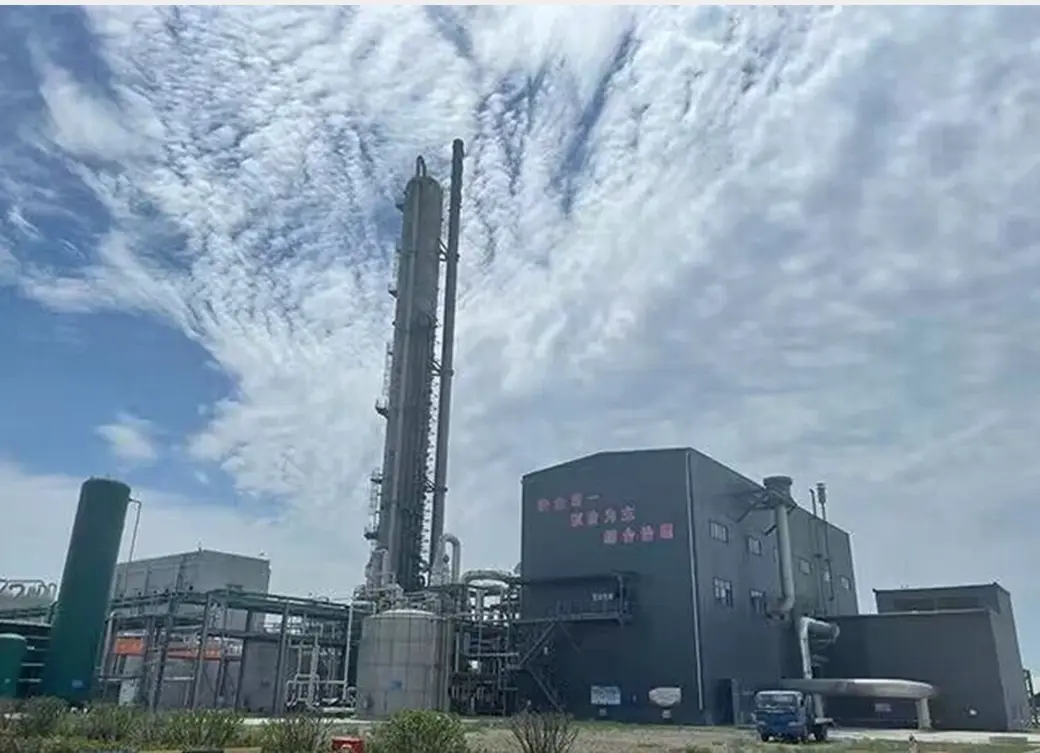
Driven since 2000, we have been committed to the entrepreneurial spirit and passion for innovation. Our team takes pride in delivering dependable products and services with a quality distinction in thermal energy storage & water-soluble fertilizer industries globally. Operating from our state-of-the-art chemical complex in Shanxi Province, China, we harness local resources and advanced processing technologies to supply ultra-high-purity salts to developers and industrial consumers worldwide.
View moreLeveraging scale, scientific expertise, and international logistics to meet critical clean-energy needs
Why project engineers and purchasing procurement officers choose Vojin New Materials

Integrated experience in global exporting operations. We assure consistent, high-quality material delivery to port of destination.
With an annual output of 600,000 tons of molten salts, we guarantee volume continuity even during peak season demand spikes.
Experienced technical support and services team. Quick response to our customers' technical specifications and parameters.
Multiple items for selection such as KNO3, NaNO3 to meet various needs of solar power and agricultural customers.
As operating temperatures of Concentrated Solar Power (CSP) systems and industrial heat processes rise to achieve higher Carnot efficiencies, the materials engineering field is shifting. Current systems, running on traditional binary nitrate salts, are limited to a maximum temperature of approximately 565°C. Beyond this point, nitrates begin to thermally dissociate into nitrites, releasing oxygen gas and altering the viscosity and conductivity profile of the fluid.
To overcome these limits, Vojin New Materials' technological roadmap highlights several milestones:
Operating a facility with thousands of tons of molten salt presents complex engineering challenges. The primary operational risks are pipe thermal shock, cold-spot solidification, and corrosion-driven degradation of structural components. Shanxi Vojin New Materials addresses these challenges through comprehensive product support:
First, our custom salt mixtures are formulated under precise thermal criteria, ensuring the transition from solid to liquid is consistent and predictable. This allows for smooth start-up procedures in cold weather. Second, we provide project developers with detailed phase-change diagrams and viscosity profiles at various temperature points. Our analytical laboratories support engineers in calculating flow rates and designing pump impellers, ensuring the chemical properties of our salts align with the mechanical components of the plant.
Read about our scientific breakthroughs, projects, and global industry updates
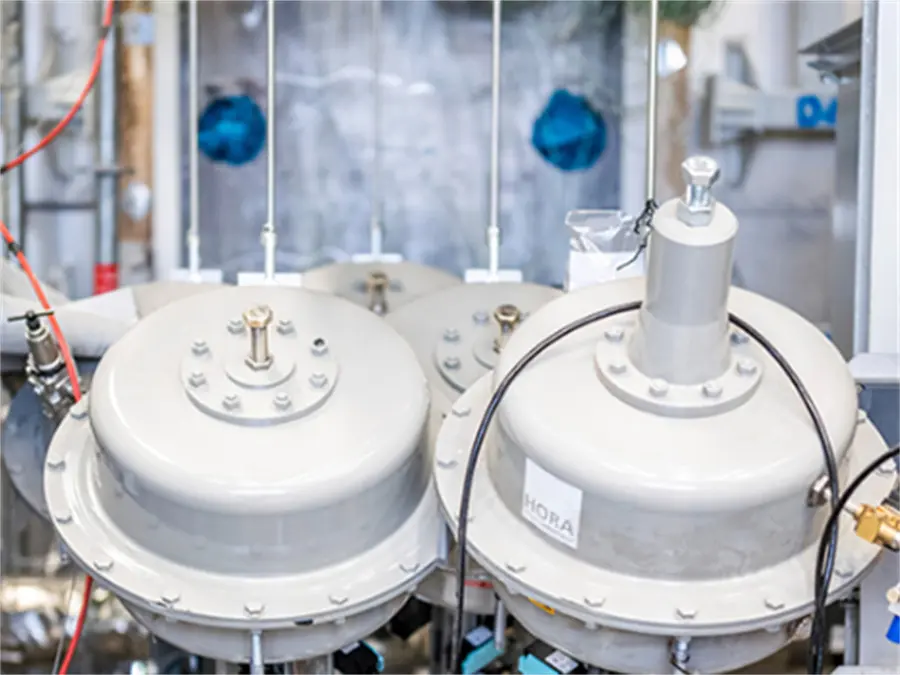
Our latest technical trials examine how optimizing molten salt thermal conductivity increases heat transfer speeds in modern central receiver solar tower projects.
View More →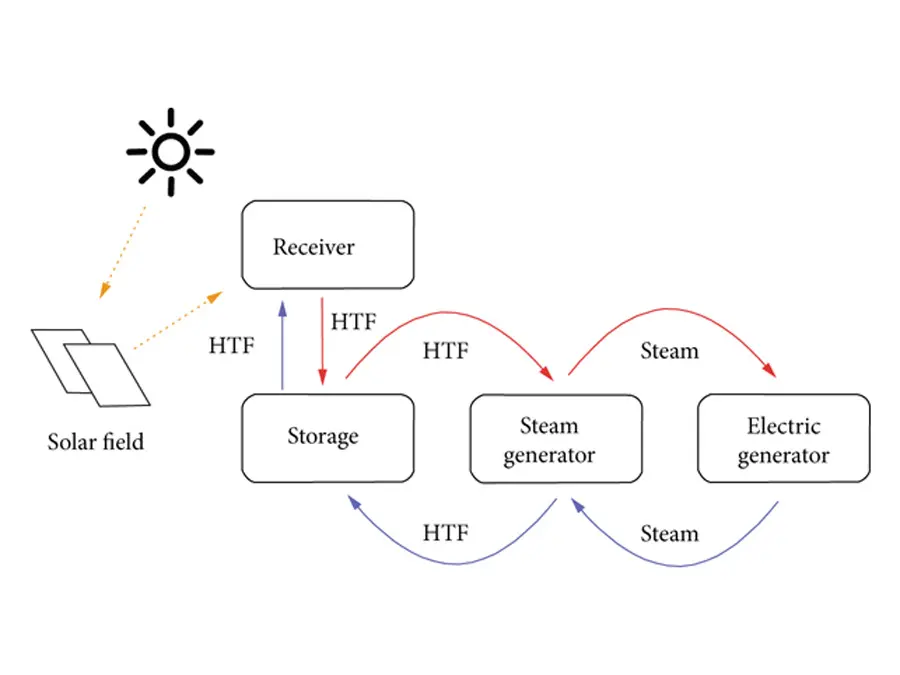
Exploring the engineering dynamics behind commercial CSP installations. A review of the role of high-purity potassium nitrate in managing thermal shock limits.
View More →
How molten salt thermal batteries are stabilizing utility grids alongside solar PV and wind. Discussing the optimization of eutectic formulations.
View More →Addressing core technical questions from design engineers, researchers, and project operators
Thermal conductivity refers to the fluid's capacity to transfer heat energy via molecular vibration and translation, which is critical for heat exchanger efficiency. Electrical conductivity measures the transport rate of ions under an electric field, which is used to monitor salt purity, composition, and potential degradation during operation.
Chlorides dissolve the protective oxide layer that forms on stainless steel and alloy piping. At temperatures above 500°C, chloride concentrations above 100 ppm accelerate pitting corrosion, leading to mechanical failures. Vojin maintains strict quality control to limit chloride content to under 50 ppm.
As temperature increases, the density and viscosity of the salt decrease, allowing for greater ionic mobility. This results in a linear increase in electrical conductivity. Thermal conductivity also generally increases with temperature, although this can vary based on impurity levels and the presence of any solid phase suspensions.
The industry standard is 60% Sodium Nitrate (NaNO3) and 40% Potassium Nitrate (KNO3) by weight. However, Vojin offers custom ratios, including ternary formulations with Calcium Nitrate, to meet specific operating temperature requirements.
Our manufacturing process uses advanced fractional crystallization. By controlling temperature-dependent solubility limits, we separate and remove trace heavy metals, chlorides, and carbonates. Regular batch monitoring is conducted using ICP-OES and ion chromatography to verify purity standards.
Under normal operating conditions (below 565°C) and with proper impurity limits, solar salts can last for 25 to 30 years. Regular chemical monitoring helps identify and correct minor thermal degradation, extending the system's operational life.
Our purification processes yield high-grade intermediate fractions that are processed into fully water-soluble fertilizers. This integrated manufacturing model optimizes raw material efficiency and supports sustainable production practices.
Nitrate salts are shipped in moisture-proof, heavy-duty polypropylene woven bags (typically 1.0 to 1.25 metric tons) with internal polyethylene liners. Because nitrates are classified as Class 5.1 oxidizers, we follow strict IMDG safety guidelines to prevent contamination and manage humidity during transit.
Providing high-purity industrial chemical solutions to global developers and manufacturing partners


Complete listing of our technical, industrial, and agricultural chemical grades
 VOJIN
VOJIN